
The Evolution of Hummus: A Culinary Staple Reimagined
Hummus, a dip or spread made from cooked, mashed chickpeas blended with tahini (ground sesame seeds), olive oil, lemon juice, and garlic, boasts a rich history stretching back centuries in the Middle East. Its origins are often traced to ancient Egypt, with historical records indicating various forms of chickpea-based dishes as early as the 13th century. Over time, hummus became a staple across the Levant, North Africa, and the Mediterranean, celebrated for its nutritional value, affordability, and ease of preparation.

In recent decades, hummus has transcended its regional boundaries to become a global culinary phenomenon. Its ascent in Western markets, particularly since the late 20th century, can be attributed to several factors: the growing interest in ethnic foods, the rise of vegetarian and vegan diets, and an increasing consumer demand for healthy, convenient snack options. This global popularization has naturally led to numerous innovative variations, moving beyond the classic recipe to incorporate a wide array of vegetables, herbs, and spices. Roasted Carrot Hummus stands as a prime example of this culinary evolution, integrating a root vegetable renowned for its natural sweetness and nutritional benefits.
The Nutritional Powerhouse: Carrots, Chickpeas, and Tahini
The appeal of Roasted Carrot Hummus extends beyond its flavor profile, deeply rooted in the nutritional advantages offered by its primary ingredients. Carrots (Daucus carota), the star vegetable in this preparation, are widely recognized for their high beta-carotene content, a precursor to Vitamin A, essential for vision, immune function, and skin health. A single medium carrot can provide over 200% of the daily recommended intake of Vitamin A. Furthermore, carrots are a good source of dietary fiber, Vitamin K, potassium, and antioxidants, contributing to overall well-being and potentially reducing the risk of chronic diseases. Roasting carrots intensifies their natural sugars, imparting a deeper, more caramelized flavor that enriches the hummus base without requiring added sweeteners.

Chickpeas (Cicer arietinum), also known as garbanzo beans, form the foundation of hummus. These legumes are a powerhouse of plant-based protein and dietary fiber, crucial for satiety, digestive health, and blood sugar regulation. A 100-gram serving of cooked chickpeas provides approximately 8 grams of protein and 7.6 grams of fiber. They are also rich in essential minerals such as iron, folate, phosphorus, and manganese, supporting energy metabolism and bone health. The combination of protein and fiber in chickpeas makes hummus an excellent choice for sustained energy and weight management.
Tahini, a paste made from ground sesame seeds, contributes a distinctive nutty flavor and a creamy texture to hummus. Nutritionally, tahini is a good source of healthy fats, primarily monounsaturated and polyunsaturated fats, which are beneficial for heart health. It also provides essential minerals like calcium, magnesium, iron, and zinc, alongside B vitamins. The healthy fats in tahini aid in the absorption of fat-soluble vitamins, such as the Vitamin A from carrots, enhancing the overall nutritional synergy of the dish. Garlic and lemon juice, while present in smaller quantities, also add significant health benefits, offering immune-boosting properties and Vitamin C, respectively.

Culinary Innovation and Preparation Techniques
The creation of Roasted Carrot Hummus involves a straightforward yet effective culinary process that elevates the individual components. The initial step typically involves roasting the carrots. This technique is pivotal as it transforms the raw vegetable’s texture and flavor. High heat causes the natural sugars within the carrots to caramelize through the Maillard reaction, resulting in a sweeter, more complex, and slightly smoky taste profile. Chopping the carrots into smaller, uniform pieces before roasting ensures even cooking and reduces the overall preparation time, a practical consideration for home cooks and commercial kitchens alike.
Once roasted and cooled, the carrots are combined with cooked chickpeas, tahini, fresh garlic, lemon juice, and often a touch of water or aquafaba (chickpea liquid) to achieve the desired consistency. A food processor is generally recommended for blending these ingredients, as its powerful blades can create an exceptionally smooth and creamy texture, a hallmark of high-quality hummus. While high-speed blenders can also be utilized, food processors often provide better control over the texture, preventing over-processing which can sometimes lead to a slightly gummy consistency. The precise balance of ingredients—the sweetness of carrots, the earthy depth of chickpeas and tahini, the pungent kick of garlic, and the bright acidity of lemon—is crucial for the harmonious flavor profile. Spices such as cumin, paprika, or a hint of cayenne pepper can further enhance the complexity of the dip.

Market Trends and Consumer Appeal
The growing popularity of Roasted Carrot Hummus reflects broader shifts in consumer preferences and the food industry. Data from market research firms consistently indicate a rising demand for plant-based food options. According to a report by the Plant Based Foods Association, the plant-based food market has seen continuous growth, with dips and spreads being a particularly strong category. Hummus, in general, benefits from this trend, and variations like roasted carrot hummus capitalize on consumers’ desire for both novelty and health.
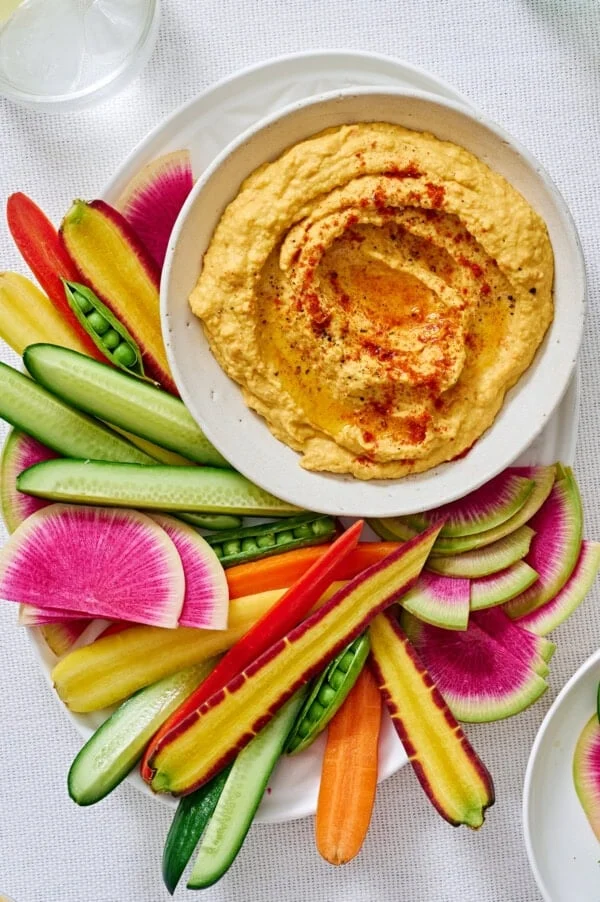
Food industry analysts suggest that consumers are increasingly seeking products that offer both indulgence and nutritional benefits. Roasted Carrot Hummus fits this niche perfectly, providing a flavorful and satisfying dip that is also rich in vitamins, fiber, and healthy fats. Its vibrant color makes it visually appealing, particularly for social media-driven food culture, where aesthetic presentation plays a significant role in a dish’s popularity. Furthermore, the emphasis on seasonal eating, especially during spring, aligns well with the use of fresh carrots, which are abundant and flavorful during this time. Culinary experts frequently highlight the versatility of such vegetable-infused dips, noting their adaptability to various dietary needs and culinary applications.

Broader Implications: Health, Sustainability, and Culinary Diversity
The increasing adoption of dishes like Roasted Carrot Hummus carries several important implications across health, sustainability, and culinary diversity. From a public health perspective, such plant-forward appetizers encourage greater vegetable consumption, a key recommendation from dietary guidelines worldwide. By making vegetables more palatable and accessible in convenient formats, these innovations contribute to addressing nutrient deficiencies and promoting healthier eating habits. The low-calorie yet nutrient-dense nature of the dip makes it an attractive alternative to less healthy snack options.
In terms of sustainability, chickpeas and carrots are relatively environmentally friendly crops. Chickpeas, being legumes, contribute to soil health by fixing nitrogen, reducing the need for synthetic fertilizers. Carrots are widely cultivated and have a relatively low environmental footprint compared to animal-derived protein sources. Promoting plant-based dips like hummus can, therefore, be seen as a small but significant step towards more sustainable food systems.

Culturally, the reimagining of traditional dishes like hummus fosters culinary diversity and innovation. It demonstrates how ancient recipes can be adapted to contemporary tastes and ingredient availability, bridging cultural gaps through food. This fusion approach encourages experimentation in the kitchen and expands the palate of consumers, leading to a richer and more varied global food landscape. The dish serves not only as an appetizer but also as a versatile ingredient that can be spread on sandwiches, incorporated into wraps, or used as a base for vibrant Buddha bowls, further cementing its role in modern culinary practices.
Serving and Storage Recommendations
Roasted Carrot Hummus, like its traditional counterpart, is exceptionally versatile in its serving applications. It is commonly served with an assortment of fresh crudités, such as cucumber slices, bell pepper strips, celery sticks, and cherry tomatoes, offering a refreshing and crunchy contrast to the creamy dip. Pita bread, pita chips, or various crackers also serve as popular accompaniments. For spring gatherings and holiday tables, its bright orange hue makes it an aesthetically pleasing centerpiece on a vegetable charcuterie board or a mezze platter, complementing other dips, olives, and cheeses. Garnish options include a drizzle of high-quality olive oil, a sprinkle of fresh parsley or cilantro, toasted sesame seeds, or a dash of paprika for added visual appeal and flavor.

Regarding storage, Roasted Carrot Hummus typically maintains its quality and freshness when refrigerated in an airtight container. Properly stored, it can last for approximately five to seven days. This characteristic makes it an ideal make-ahead appetizer for entertaining, allowing hosts to prepare it in advance and reduce last-minute stress. While freezing is technically possible, it is generally not recommended as the texture can become grainy upon thawing, detracting from the desired creaminess. For optimal enjoyment, it is best consumed fresh within the recommended refrigeration period.
Conclusion
The emergence and sustained popularity of Roasted Carrot Hummus exemplify a dynamic interplay between culinary tradition, health consciousness, and modern food trends. By transforming humble ingredients into a sophisticated and nutritious dip, it offers a compelling option for appetizers and light meals, particularly resonating with the demands of seasonal gatherings and plant-forward diets. Its journey from a simple recipe idea to a celebrated dish underscores the ongoing evolution of global cuisine and the continuous search for flavorful, healthful, and versatile food innovations. As consumers increasingly prioritize wellness and culinary adventure, variations like Roasted Carrot Hummus are poised to remain a vibrant component of the modern gastronomic landscape, offering both a taste of tradition and a nod to contemporary dietary values.
