
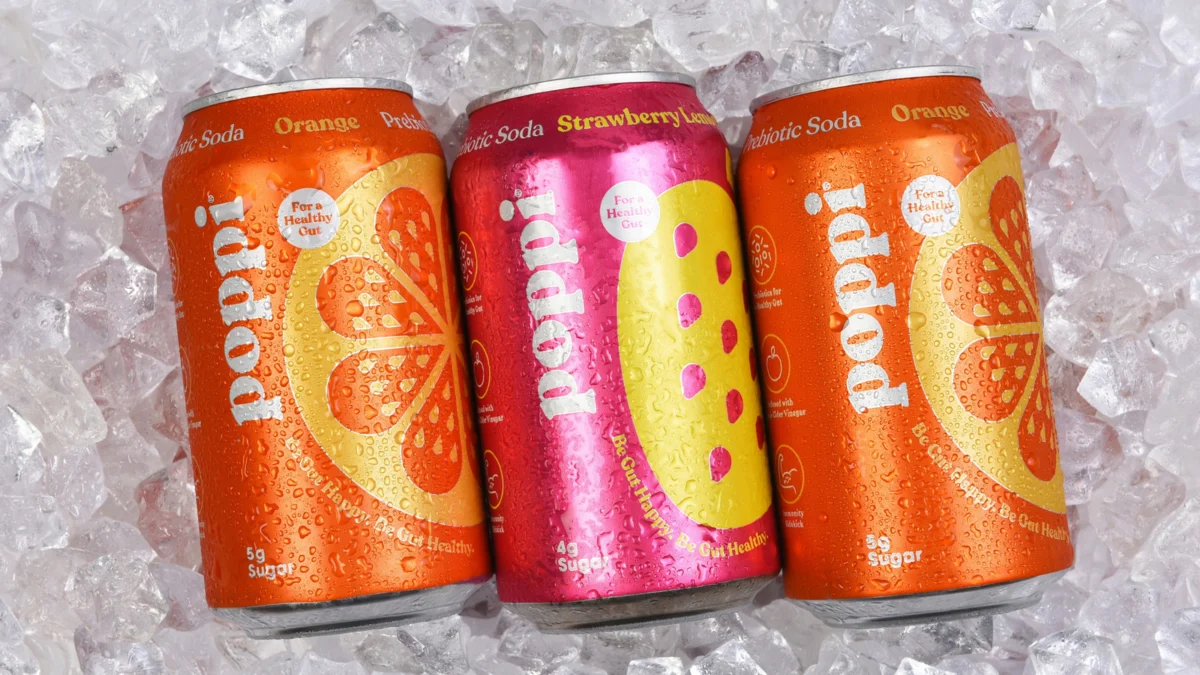
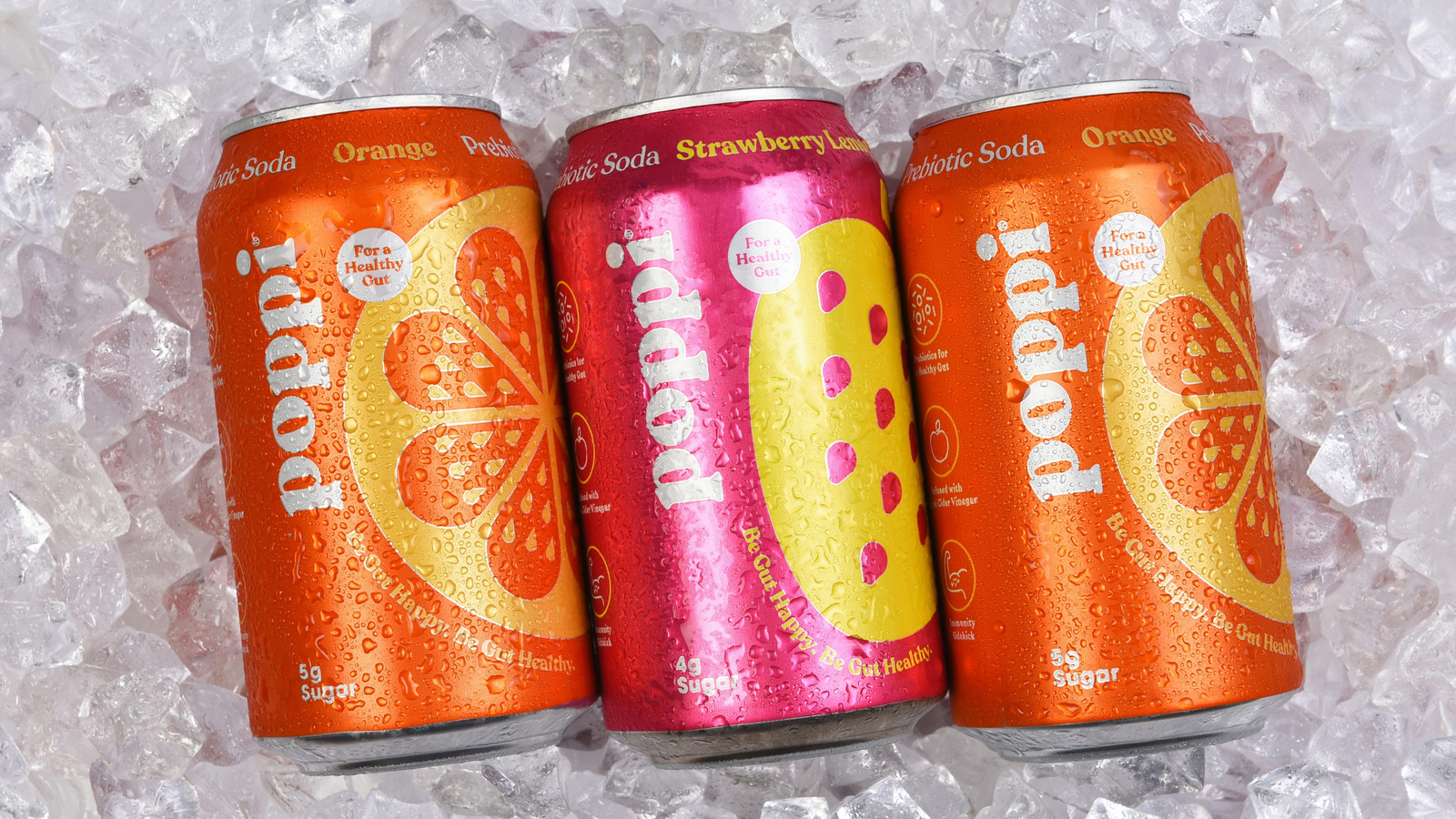
The burgeoning market for prebiotic sodas, once hailed as a healthier alternative to traditional sugary beverages, is facing a peculiar challenge that has left consumers scratching their heads and questioning the contents of their cans. Poppi, a prominent brand in this space, has recently become the subject of widespread online discussion due to the discovery of unidentified chunky bits at the bottom of its drinks. These peculiar findings, varying in size, shape, and quantity, have sparked a flurry of theories and concerns among Poppi enthusiasts and the broader beverage industry alike.
The phenomenon gained significant traction across social media platforms, particularly Reddit and TikTok, throughout the latter half of 2025. Consumers began sharing images and videos of the mysterious sediment, prompting a wave of shared experiences and speculation. While Poppi itself has yet to issue an official statement addressing these concerns, the online community has been actively dissecting the issue, exploring potential causes ranging from natural fermentation byproducts to more concerning possibilities.
A Timeline of Consumer Discoveries and Online Buzz
The online discourse surrounding the "bits" in Poppi soda appears to have begun gaining momentum in August 2025. A Reddit user, posting in the r/whatisit subreddit, shared a photograph of their Poppi soda poured into a clear glass, revealing what they described as "fine brown grit" or "tiny seeds." This user noted that they had consumed a significant portion of the drink before noticing the sediment, a common occurrence in many shared consumer experiences. The post quickly garnered attention, with other users chiming in with their own observations and theories.
By October 2025, similar reports continued to surface. Another Reddit user posted an image of Poppi sediment that appeared more substantial, almost resembling fragments of loose-leaf black tea. This observation was particularly intriguing, as black tea is not listed as an ingredient in standard Poppi formulations. The visual difference in the sediment from the August post highlighted the inconsistent nature of these consumer findings, leaving many to wonder if different batches or even different flavors of Poppi were exhibiting these characteristics. Comments on these threads indicated a growing number of individuals encountering similar deposits in their Poppi beverages.
The issue escalated in December 2025 when a TikTok user, @mikiminaj_, posted a video showcasing a more abundant and visibly larger quantity of chunky material in their Poppi can. The user’s reaction, described as "I’m at the bottom of my can, and I feel something chunky," underscored the tangible and unexpected nature of the discovery for many consumers. This video, in particular, contributed to the viral spread of the concern, pushing the topic beyond niche online communities and into broader consumer awareness. The absence of an official response from Poppi during this period of increasing online chatter only served to fuel further speculation.
Unpacking the Theories: From Fermentation to Filler Debris
The online community, driven by a mix of curiosity and concern, has put forth several hypotheses to explain the presence of these mysterious bits in Poppi soda.
The Apple Cider Vinegar "Mother" Theory
One of the most frequently cited theories posits that the sediment could be a manifestation of the "mother" of the apple cider vinegar (ACV) used in Poppi’s ingredient list. Apple cider vinegar, a key component in all Poppi flavors, is produced through a fermentation process that can result in the formation of a gelatinous, cloudy substance known as the mother. This mother is a byproduct of acetic acid bacteria and yeast, and it is generally considered safe for consumption. Its presence can indeed cause a cloudy appearance or even form irregular clumps in unfiltered ACV.
However, many consumers and even industry observers have pointed out that the sediment observed in Poppi doesn’t always align with the typical appearance of a vinegar mother. While some chunks might resemble the irregular shapes associated with a mother, others appear as fine grit or distinct fragments that don’t quite fit the description. A Reddit user, claiming to have experience in the sparkling beverage industry, commented on one of the threads, stating, "Apple cider vinegar… does have sediment but again not like this." This sentiment suggests that while ACV is a plausible source, it may not fully account for the diversity of the observed sediment.
The Chicory Root and Inulin Hypothesis
Another theory that has gained traction involves the prebiotic ingredients used in Poppi’s formulation. Poppi utilizes cassava root fiber and agave inulin for its prebiotic benefits. While a competitor brand, Olipop, explicitly lists chicory root as an ingredient, which is known to contain inulin and can sometimes leave sediment, Poppi’s ingredients are slightly different. Agave inulin is typically processed into a fine, white powder, and the exact form in which Poppi uses its cassava root fiber remains less clear to the public.
The same Reddit user with industry experience also cast doubt on this theory, noting, "That is not what inulin nor cassava root fiber [look] like." This expert opinion suggests that the observed sediment is unlikely to be derived from these specific prebiotic sources in their typical processed forms. The visual evidence, often showing brown or fragmented particles, does not strongly align with the expected appearance of processed inulin or cassava root fiber.
The Manufacturing Debris Concern
Perhaps the most unsettling theory circulating online involves potential contamination from the manufacturing process itself. The Reddit user with industry insights proposed that the debris could be a result of "debris from the filler itself either because it wasn’t cleaned properly or is in need of maintenance." This suggestion raises significant concerns about the hygiene and operational standards at the bottling facilities. If true, this would imply a potential breach in food safety protocols, leading to the introduction of foreign particles into the finished product.
The implications of such a scenario are substantial. It could suggest a systemic issue with quality control, potentially affecting a wider range of products or batches than initially observed. This theory, while speculative, taps into a fundamental consumer concern: the safety and integrity of the food and beverage products they consume.
The Broader Implications for the Prebiotic Beverage Market
The ongoing mystery surrounding the sediment in Poppi soda comes at a critical juncture for the burgeoning prebiotic beverage market. These drinks, often marketed for their gut-health benefits and as a healthier alternative to traditional sodas, have seen exponential growth in recent years. Brands like Poppi and Olipop have captured significant market share by appealing to health-conscious consumers seeking functional beverages.
However, consumer trust is paramount in this rapidly expanding sector. Incidents like these, even if eventually explained by innocuous causes, can erode confidence. The lack of a clear and timely official response from Poppi only amplifies consumer apprehension. For other brands in the prebiotic space, this situation serves as a cautionary tale.
The Need for Transparency and Official Communication
To effectively address consumer concerns and maintain the integrity of the prebiotic beverage market, transparency and clear communication are essential. While Poppi has remained largely silent on the issue, the company may consider adopting a strategy similar to that of its competitor, Olipop. Olipop has proactively addressed potential consumer queries about "pulp and sediment" by explaining that these are natural particles derived from vanilla beans, which are part of their "natural flavors" ingredient.
A similar approach from Poppi, providing a detailed explanation of what the sediment is and reassuring consumers about its safety and the quality of their manufacturing processes, could go a long way in quelling anxieties. This might involve:
- A Detailed Ingredient Breakdown: Elaborating on how each ingredient, particularly the prebiotic sources and any natural flavors, might contribute to sediment formation.
- Manufacturing Process Transparency: Offering insight into their quality control measures and cleaning protocols to address concerns about potential contamination.
- Consumer Education: Creating an FAQ section on their website or social media channels to directly answer consumer questions and provide clear, factual information.
The ongoing discussion about the mysterious bits in Poppi soda highlights the evolving landscape of consumer expectations in the functional beverage market. As consumers become more discerning and vocal, brands must prioritize not only product quality and efficacy but also clear, open communication to build and maintain lasting trust. The resolution of this particular "mystery" will undoubtedly be watched closely by consumers and competitors alike, potentially setting a precedent for how such issues are handled within the dynamic prebiotic beverage industry. Until then, the chunky bits in Poppi remain a topic of considerable debate and consumer curiosity.
