
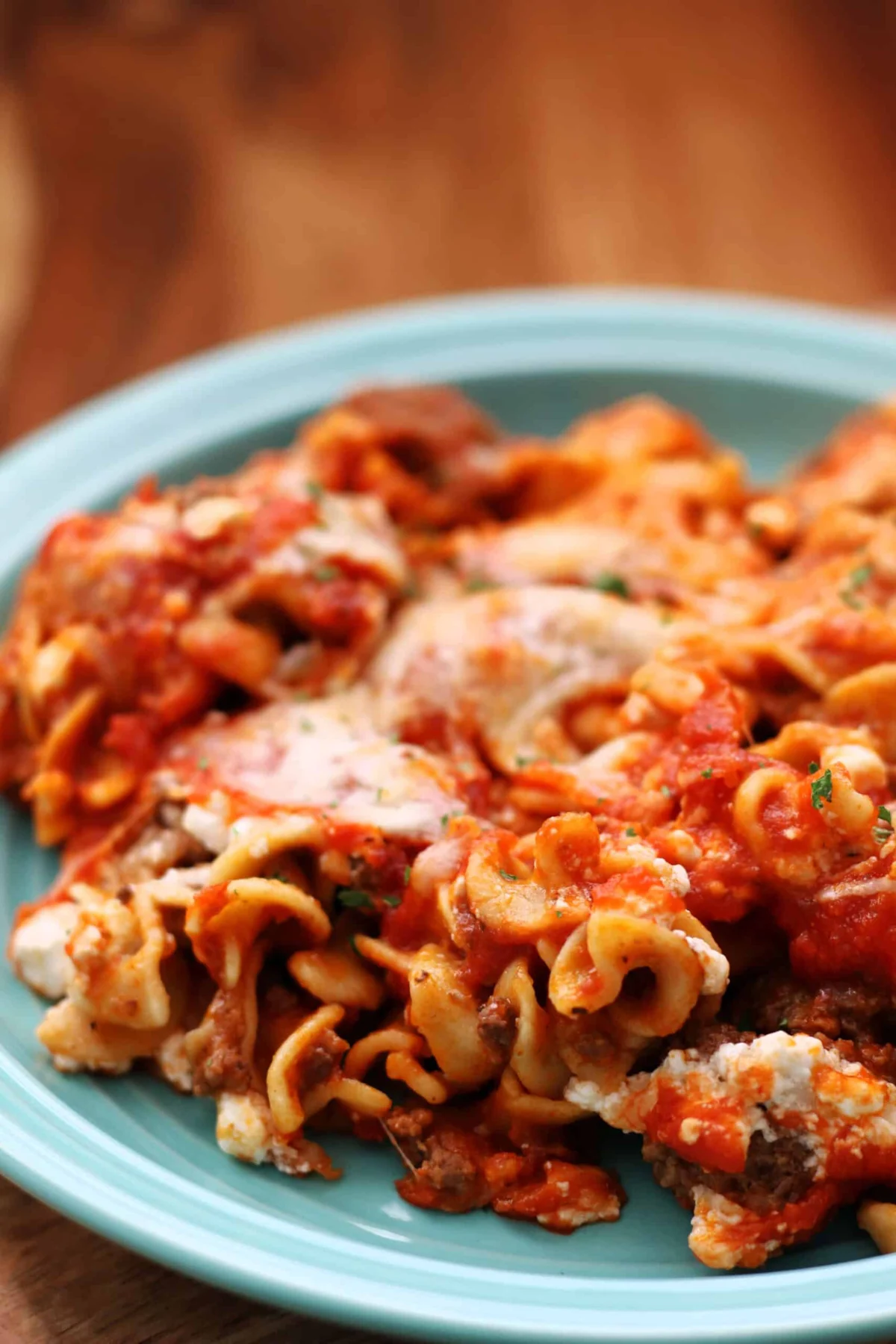
The Historical Context of the Lombardi Casserole
The origins of the Beef Lombardi Casserole are deeply rooted in the post-war American culinary boom, a period characterized by the rise of "convenience cooking" and the professionalization of the home kitchen. During the 1960s, casseroles became the architectural foundation of the American dinner table. They were designed to be economical, utilizing ground meat and pantry staples, yet sophisticated enough to be served to "company"—hence the frequent titling of the dish as "Old Fashioned Company Casserole."

The name "Lombardi" is often attributed to the cultural zeitgeist of the era, potentially nodding to the legendary Green Bay Packers coach Vince Lombardi, whose prominence in the 1960s made his name synonymous with excellence and "all-American" values. While the recipe is essentially a "mock lasagna," it distinguishes itself through the use of wide egg noodles rather than pasta sheets and a sharp, creamy filling composed of cottage cheese and sour cream rather than the traditional Italian ricotta. This substitution reflected the availability of ingredients in mid-century Midwestern supermarkets and has since become the defining characteristic of the dish.

Technical Adaptation: From Oven to Instant Pot
The transition of the Beef Lombardi Casserole from a conventional oven-baked dish to a pressure-cooked meal represents a broader shift in domestic labor. Traditionally, the recipe required multiple vessels: a skillet for browning the beef, a large pot for boiling the noodles, and a glass baking dish for the final assembly. The modern Instant Pot adaptation reduces this to a single stainless steel insert, utilizing the "Sauté" and "Pressure Cook" functions to achieve the same textural results in a fraction of the time.

In this updated methodology, the process begins with the browning of ground beef and aromatics, such as onions, directly within the inner pot. This stage is critical for the Maillard reaction, which develops the savory depth necessary to balance the acidity of the marinara sauce. Following the browning process, the introduction of beef broth serves a dual purpose: it acts as the liquid required for the machine to reach pressure and functions as a deglazing agent to incorporate the fond—the caramelized bits of meat stuck to the bottom of the pot—into the sauce.

The layering technique is the most vital technical component of the Instant Pot version. To avoid the common "Burn" error associated with thick tomato-based sauces, the egg noodles are placed atop the beef and broth, followed by a layer of marinara. This prevents the sugars in the sauce from making direct contact with the heating element. The pressure cooking cycle is remarkably brief, often requiring only one minute of high-pressure cooking followed by a ten-minute natural release, allowing the residual steam to finish the noodles to an al dente perfection without turning them into a mushy consistency.

Ingredients and Nutritional Profile
The ingredient profile of the Beef Lombardi Casserole is a study in contrasting textures and flavors. The primary components include:

- Proteins: Lean ground beef provides the savory base, while the dairy components—cottage cheese, sour cream, and mozzarella—add a significant protein boost.
- Carbohydrates: Wide egg noodles are preferred for their ability to hold the heavy sauce and provide a soft, comforting mouthfeel.
- Aromatics and Seasonings: Garlic powder, Italian seasoning, salt, and black pepper are standard, though modern iterations often include fresh garlic and onions to enhance the flavor profile.
- The "Lombardi" Mixture: A blend of cottage cheese, sour cream, and parmesan cheese creates a tangy, velvety layer that sets this dish apart from standard beef and noodle bakes.
From a nutritional standpoint, the dish is calorie-dense and high in protein, making it a staple for families seeking satiating "one-pot" meals. Recent consumer trends have seen home cooks experimenting with substitutions, such as using ground turkey or plant-based meat alternatives to reduce saturated fat, or employing gluten-free egg noodles to accommodate dietary restrictions.

Chronology of a Modern Classic: Preparation Timeline
The efficiency of the Beef Lombardi Casserole in a modern kitchen is best illustrated through its preparation timeline:

- 0–10 Minutes (Preparation and Sauté): The user activates the sauté function, browning the beef and onions while breaking the meat into small crumbles.
- 10–12 Minutes (Deglazing and Layering): Excess grease is drained, seasonings are added, and the pot is deglazed with broth. Noodles and half the marinara sauce are layered on top without stirring.
- 12–25 Minutes (Pressure Cycle): The pot is sealed and set to manual high pressure. Including the time to reach pressure and the ten-minute natural release, this stage takes approximately 13 to 15 minutes.
- 25–30 Minutes (Dairy Integration): The lid is removed, and the noodle-beef mixture is stirred. The cottage cheese and sour cream blend is spread over the top, followed by the remaining sauce.
- 30–40 Minutes (The Finishing Touch): For those with an air fryer lid attachment, the casserole is "baked" at 350°F for 10 minutes, with mozzarella added in the final three minutes. Alternatively, the stainless steel insert can be transferred to a conventional oven for a 25-minute bake to achieve a golden, bubbly cheese crust.
Market Trends and the Rise of "One-Pot" Journalism
The resurgence of the Beef Lombardi Casserole is reflective of broader market data regarding the small kitchen appliance industry. According to market research reports, the multi-cooker market saw a significant surge between 2017 and 2023, as consumers sought ways to mitigate the rising costs of dining out by recreating restaurant-quality comfort food at home.

Data suggests that "nostalgia cooking"—the act of reviving mid-century recipes—is a leading trend among Millennial and Gen X demographics. These consumers are often looking for the flavors of their childhood but lack the time required for traditional slow-cooking methods. The Beef Lombardi Casserole fits perfectly into this niche, offering a "retro" aesthetic with a "high-speed" execution.

Furthermore, the popularity of this dish is bolstered by the "one-pot" movement, which prioritizes minimizing water usage and dishwashing labor. In an era where household time-poverty is a documented sociological phenomenon, the ability to produce a multi-layered, complex meal using a single appliance is a significant selling point.

Broader Implications for Home Culinary Practices
The adaptation of Beef Lombardi Casserole for the Instant Pot carries implications beyond simple convenience. It represents the democratization of complex cooking techniques. Layering, deglazing, and pressure-braising were once the domain of professional chefs or highly experienced home cooks. Today, through digitized recipes and automated appliances, these techniques are accessible to novices.

However, food critics and purists often debate whether the "one-pot" method sacrifices the structural integrity of the dish. In a traditional oven-baked Lombardi casserole, the edges of the noodles often become crisp, and the layers remain distinct. In the Instant Pot version, the environment is moist, leading to a more cohesive, almost stew-like consistency before the final broiling stage. To counter this, the use of an air fryer lid has become a game-changer, allowing for the dry-heat browning that was previously impossible in a pressure cooker.

Conclusion: The Future of the Company Casserole
As the Beef Lombardi Casserole continues to circulate through digital recipe platforms and social media, its staying power is evident. It remains a versatile, reliable, and deeply satisfying meal that has survived the transition from the era of Technicolor television to the age of the smartphone. Whether served at a casual family dinner or a larger social gathering, the dish remains a testament to the enduring appeal of seasoned beef, tender noodles, and melted cheese.

The ongoing evolution of the recipe—moving toward healthier fats, alternative grains, and even faster cooking technologies—ensures that the "Lombardi" legacy will remain a fixture of the American kitchen for decades to come. It is more than just a meal; it is a historical artifact of American domesticity, updated for a world that moves faster than ever before, yet still craves the slow-cooked flavors of the past.
