
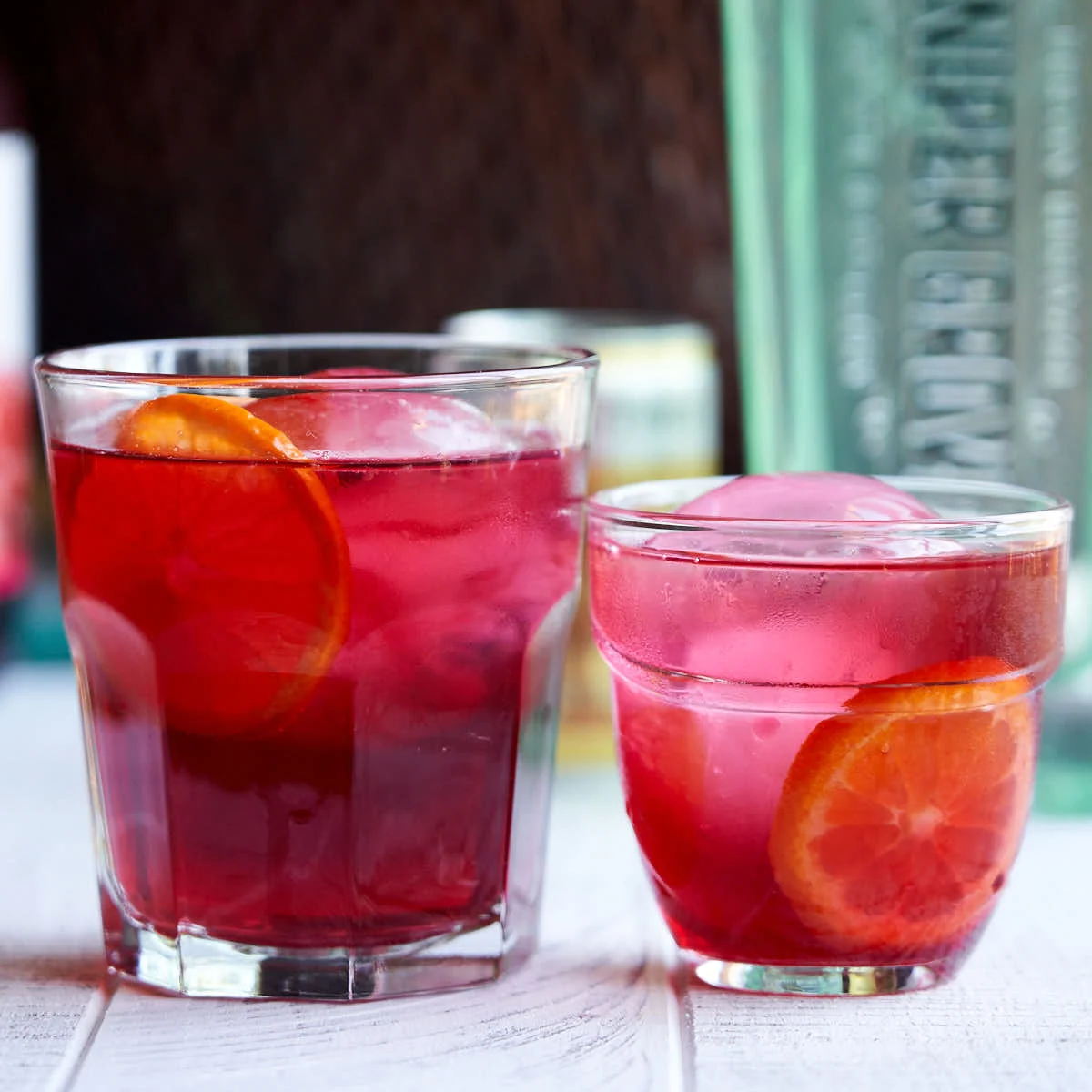
The tradition of the holiday brunch has undergone a significant evolution in recent years, shifting from elaborate, labor-intensive meals to a focus on elevated, seasonal beverages that bridge the gap between morning refreshments and evening cocktails. Among the most prominent trends in modern home entertaining is the "festive twist" on classic bar staples. A primary example of this is the seasonal adaptation of the traditional gin and tonic, which has been modified to incorporate the distinct, tart profile of cranberries—a staple of North American holiday culinary traditions.
Historical Context of the Gin and Tonic
The gin and tonic, a drink with origins dating back to the British colonial presence in India during the 19th century, was originally conceived as a medicinal prophylactic. Quinine, a bitter alkaloid derived from cinchona bark, was consumed in tonic water to combat malaria. Over time, the addition of gin, sugar, and lime was introduced to mask the bitterness of the quinine, eventually evolving into one of the most recognizable mixed drinks globally.
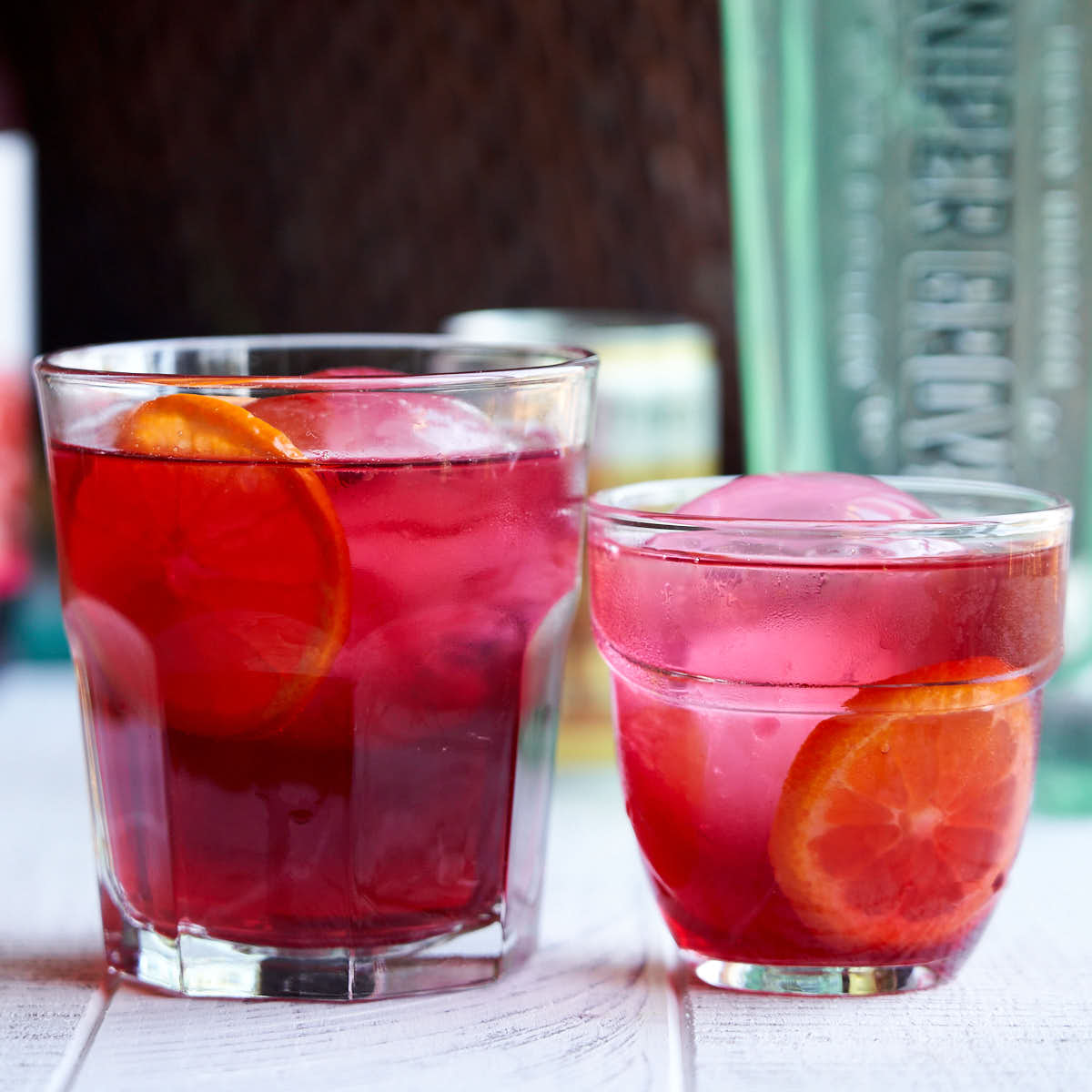
In the contemporary context, the base recipe—consisting of gin and carbonated tonic water—serves as a versatile canvas for seasonal botanical infusions. As consumer interest in artisanal spirits and craft cocktails has risen, mixologists and home entertainers have increasingly looked to local, seasonal produce to distinguish their offerings. The cranberry, harvested primarily in the autumn months, provides the necessary acidity and color to transition a standard summer drink into a winter-appropriate beverage.
The Anatomy of the Seasonal Cocktail
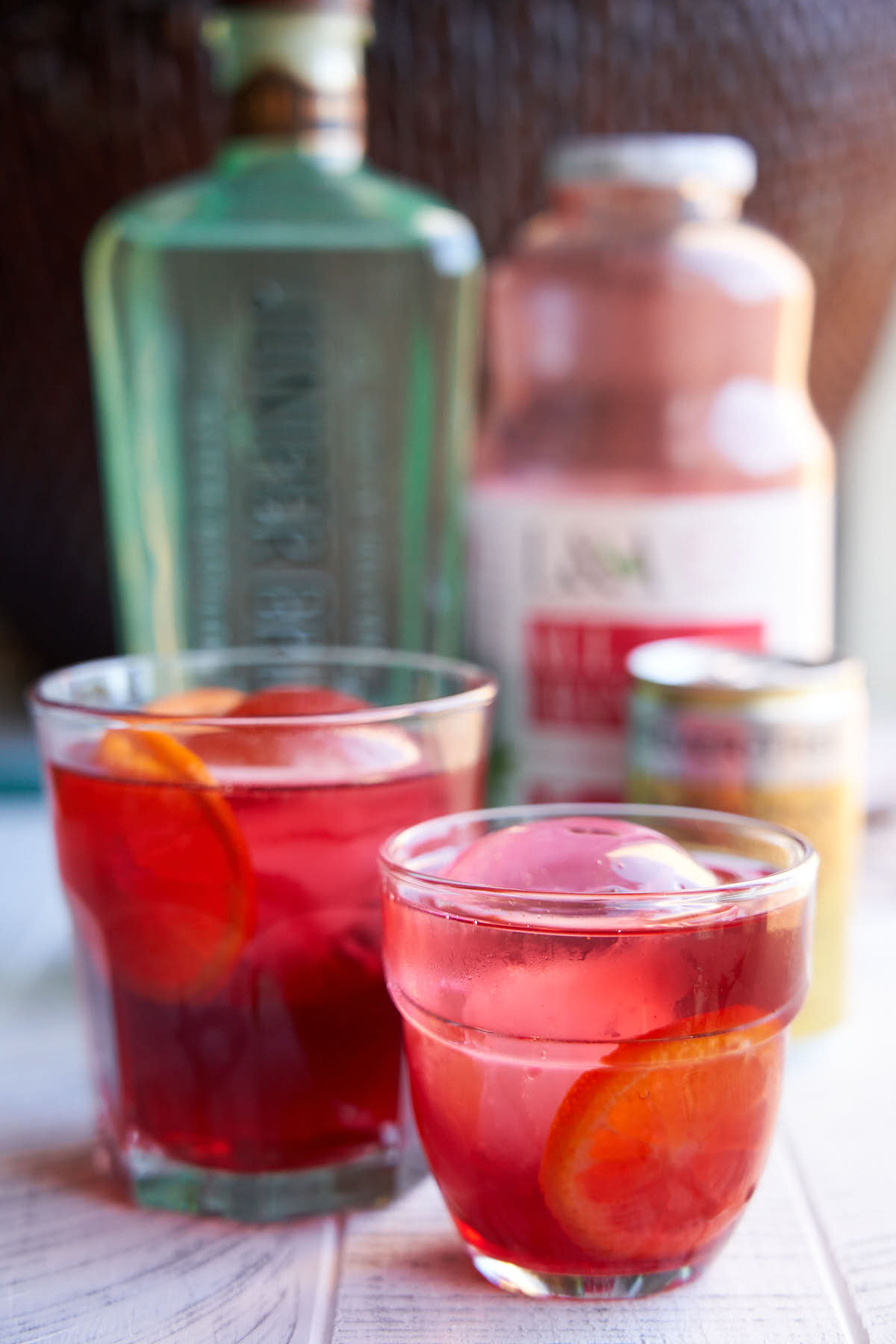
The cranberry gin cocktail typically requires a careful balance of ingredients to avoid excessive dilution or an overly astringent flavor profile. The standard preparation involves three primary components: a high-quality dry gin, premium tonic water, and high-concentration cranberry juice.
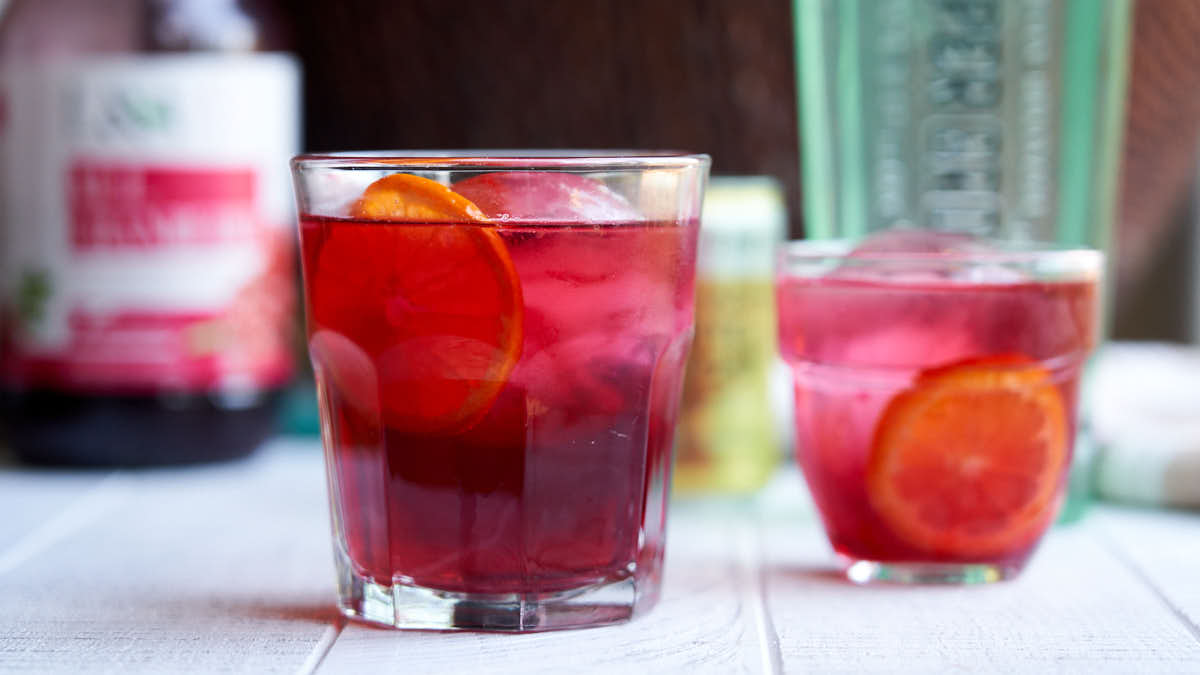
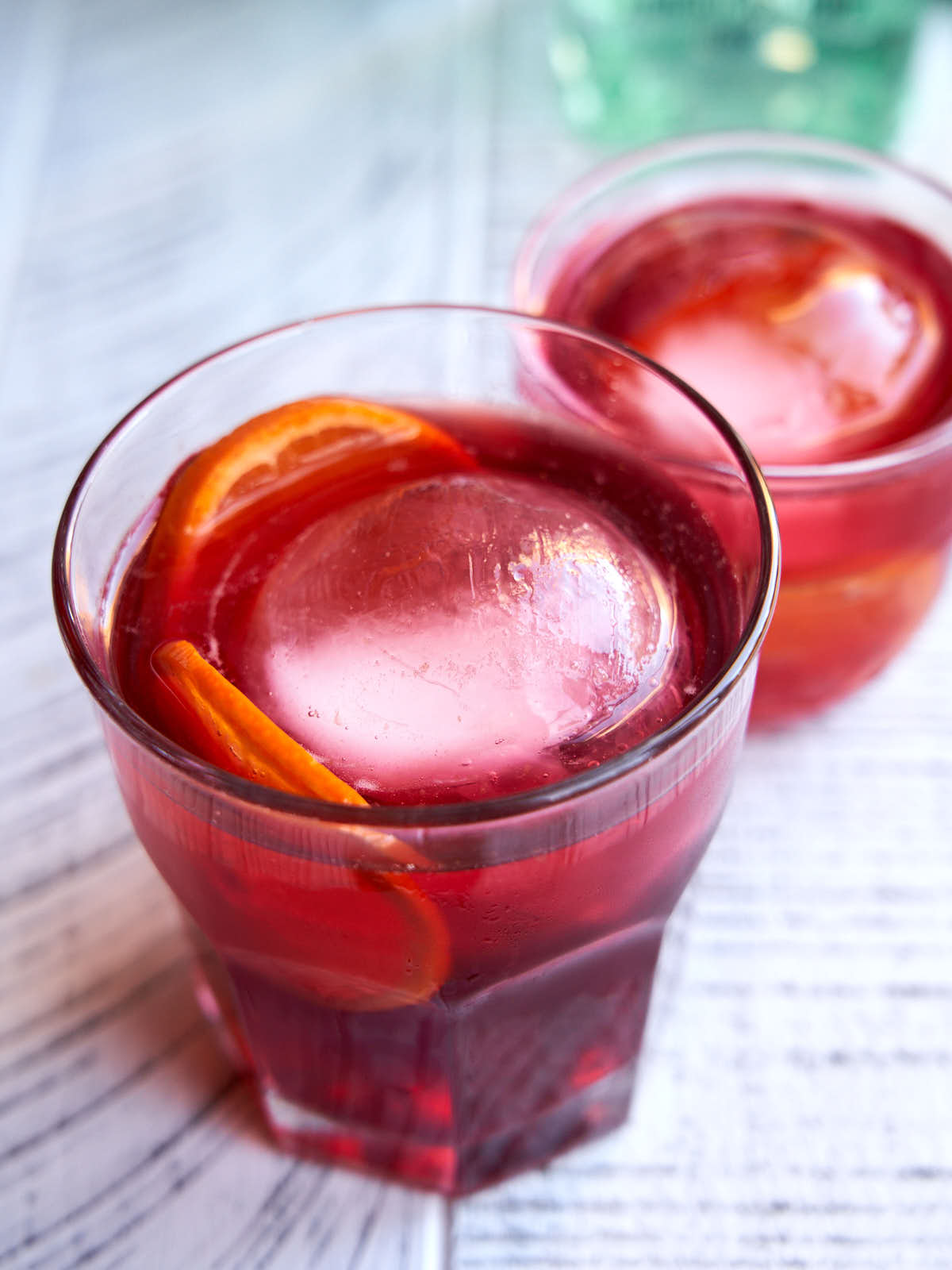
According to beverage industry analysis, the inclusion of unsweetened, 100% cranberry juice is favored by those seeking a sophisticated, tart finish. This choice allows the juniper notes of the gin to remain prominent, whereas the use of sweetened cranberry juice or added simple syrup shifts the drink toward a dessert-profile beverage. The addition of citrus, specifically clementine or mandarin orange slices, serves not merely as a garnish but as an aromatic element that complements the botanical profile of the gin.
Innovations in Presentation and Temperature Control
A recurring challenge in cocktail service is the rate of dilution, which occurs as ice melts. For morning or brunch service, where drinks are often consumed more slowly than in a fast-paced bar environment, maintaining the integrity of the spirit is paramount.
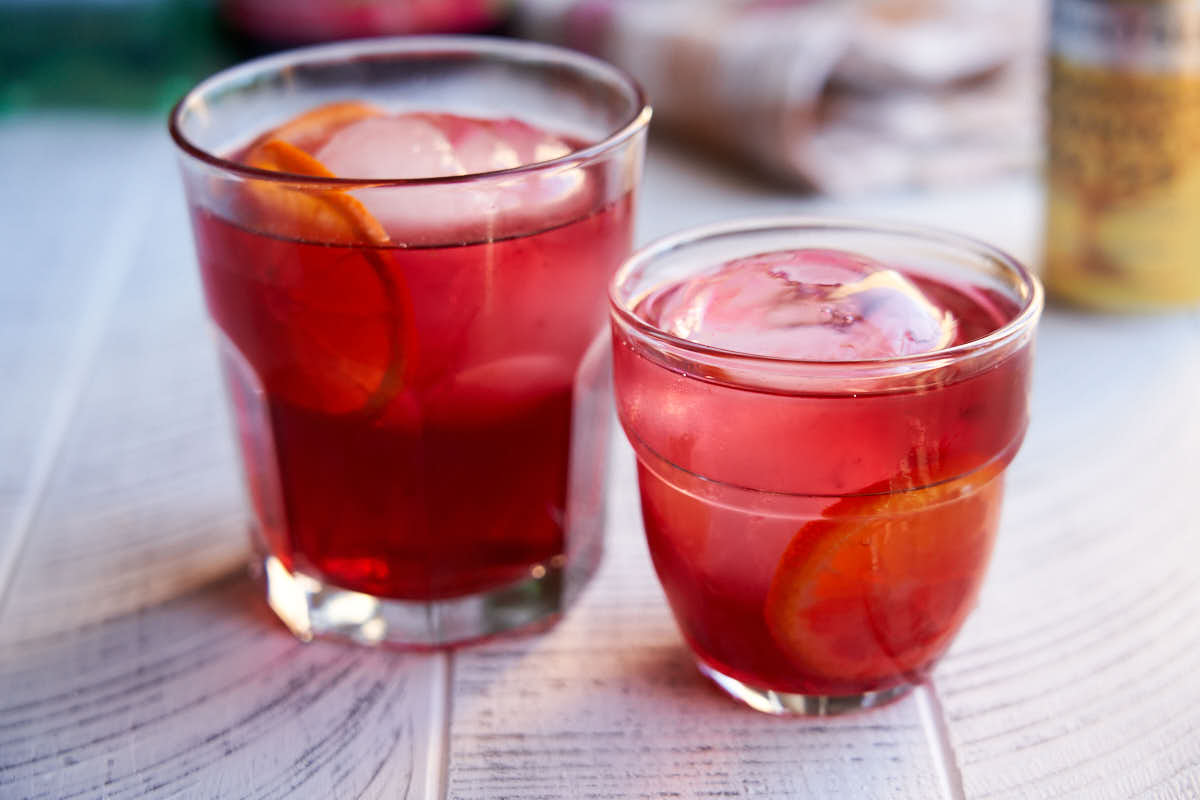
The implementation of spherical ice molds has become a standard practice for managing this dilution. Unlike standard cubical ice, spheres possess a lower surface-area-to-volume ratio, which significantly slows the rate of heat exchange. This technical adjustment ensures that the cocktail remains at a near-optimal serving temperature for an extended duration without compromising the concentration of the alcohol. The use of clear ice—often achieved through directional freezing—has further elevated the aesthetic standard of these home-prepared drinks, mirroring the presentation found in professional hospitality settings.
Broader Economic and Seasonal Trends
The popularity of such cocktails reflects a broader shift in consumer behavior during the fourth quarter. Data from the Distilled Spirits Council of the United States (DISCUS) has consistently shown an uptick in premium gin sales during the holiday season. This surge is attributed to the "premiumization" trend, where consumers are increasingly willing to spend more on high-end, locally sourced craft spirits for social gatherings.
Furthermore, the integration of brunch cocktails into holiday festivities signals a change in the traditional alcohol consumption timeline. By incorporating lighter, gin-based drinks into morning events, hosts are moving away from heavier, dairy-based, or high-sugar holiday drinks toward more balanced alternatives. This shift has implications for the retail sector, with grocery stores and independent liquor retailers reporting increased demand for fresh cranberries, high-end tonic waters, and dry gins in mid-November, as consumers prepare for the upcoming holiday series.
Implications for Home Hosting
The ease of preparation for these drinks is a critical factor in their widespread adoption. Unlike complex cocktails requiring shakers, strainers, and multiple fresh infusions, the cranberry gin cocktail requires minimal equipment. This accessibility democratizes high-quality mixology, allowing hosts to manage large-scale brunch events without the need for professional bartending staff.
The rise of digital platforms and food-centric media has also played a role in the dissemination of these recipes. By providing specific, actionable instructions—such as the recommendation of particular gin profiles that lack overwhelming floral notes—influencers and culinary experts are guiding consumers toward a more refined palate. The focus on pairing these drinks with specific brunch menus, such as traditional Thanksgiving or Christmas breakfast items, reinforces the drink’s status as a seasonal staple.
Professional Guidance on Recipe Formulation
For those seeking to replicate this beverage, professional advice suggests prioritizing the quality of the gin. While a London Dry gin provides a reliable foundation, American dry gins—which often feature localized botanicals—can add depth to the cocktail. The key is to avoid gins with heavy floral notes, such as those featuring intense rose or lavender, which may clash with the tartness of the cranberry juice.
Regarding the service, the temperature of the glassware is often overlooked. Pre-chilling glasses is a simple yet effective technique that further minimizes the need for excessive ice, maintaining the drink’s profile from the first sip to the last. For those opting for a non-alcoholic version, the substitution of gin with a premium botanical non-alcoholic spirit or even an extra splash of high-quality tonic water and a squeeze of fresh citrus can achieve a similar flavor complexity.
Conclusion and Future Outlook
As the holiday season continues to grow in importance as a social anchor, the role of the curated beverage remains central to the communal experience. The cranberry gin cocktail stands as a testament to the modern ability to synthesize tradition with contemporary culinary preferences. By leveraging simple, high-quality ingredients and focusing on the technical aspects of service—such as temperature control and glassware—home entertainers can continue to elevate the standards of seasonal brunch.
Looking ahead, the trajectory of this trend suggests that consumers will continue to demand more transparency in ingredients, such as the preference for unsweetened juices and natural garnishes. This movement toward clean, high-quality, and aesthetically pleasing drinks ensures that the cranberry gin cocktail will likely remain a fixture of holiday celebrations for years to come. Through this blend of historical appreciation and technical innovation, the cocktail serves as more than just a drink; it is a fundamental element of the modern, festive culinary landscape.
