
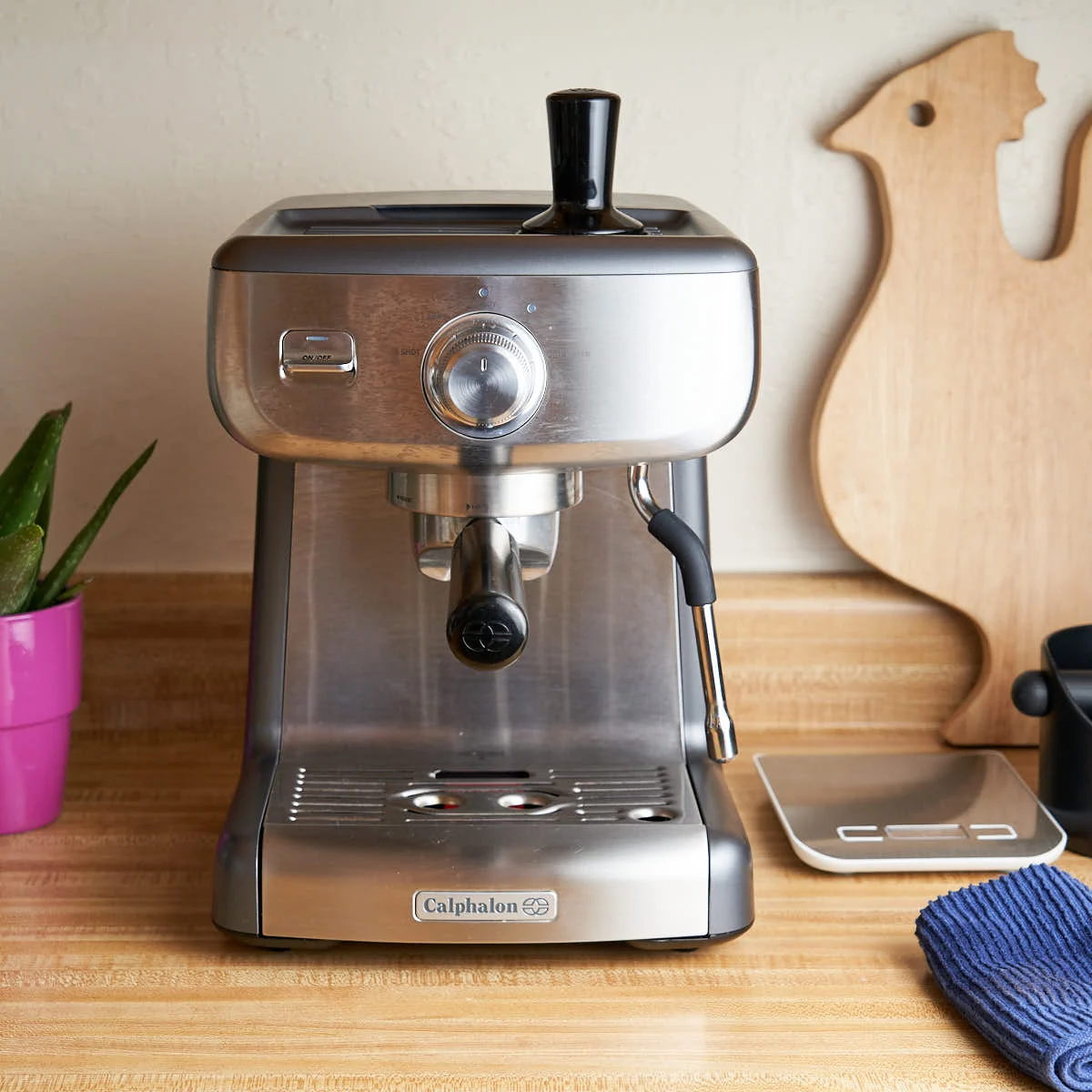
The domestic coffee market has experienced a significant shift in recent years, moving away from simple drip-coffee makers toward more sophisticated, semi-automatic espresso machines. Among the mid-range contenders, the Calphalon Temp IQ Espresso Machine has carved out a distinct niche for consumers seeking professional-grade extraction without the prohibitive costs or steep learning curves associated with high-end commercial hardware. Following a rigorous evaluation period of daily use, it is evident that this machine serves as a bridge between entry-level appliances and prosumer equipment, offering consistent results through precise temperature control and straightforward operational logic.
Contextualizing the Rise of Home Espresso
The proliferation of home espresso machines like the Calphalon Temp IQ reflects a broader trend in consumer behavior. Since 2020, data from the National Coffee Association (NCA) indicates that a growing percentage of coffee drinkers are investing in home-brewing technology. The primary drivers of this shift include the rising cost of artisanal coffee house beverages and an increased interest in the "third-wave" coffee movement, which emphasizes the craft of the extraction process. By providing a platform that handles the technical heavy lifting—such as temperature stability—the Temp IQ allows users to experiment with variables like grind size and dose while maintaining a reliable baseline for quality.
Technical Specifications and Operational Design
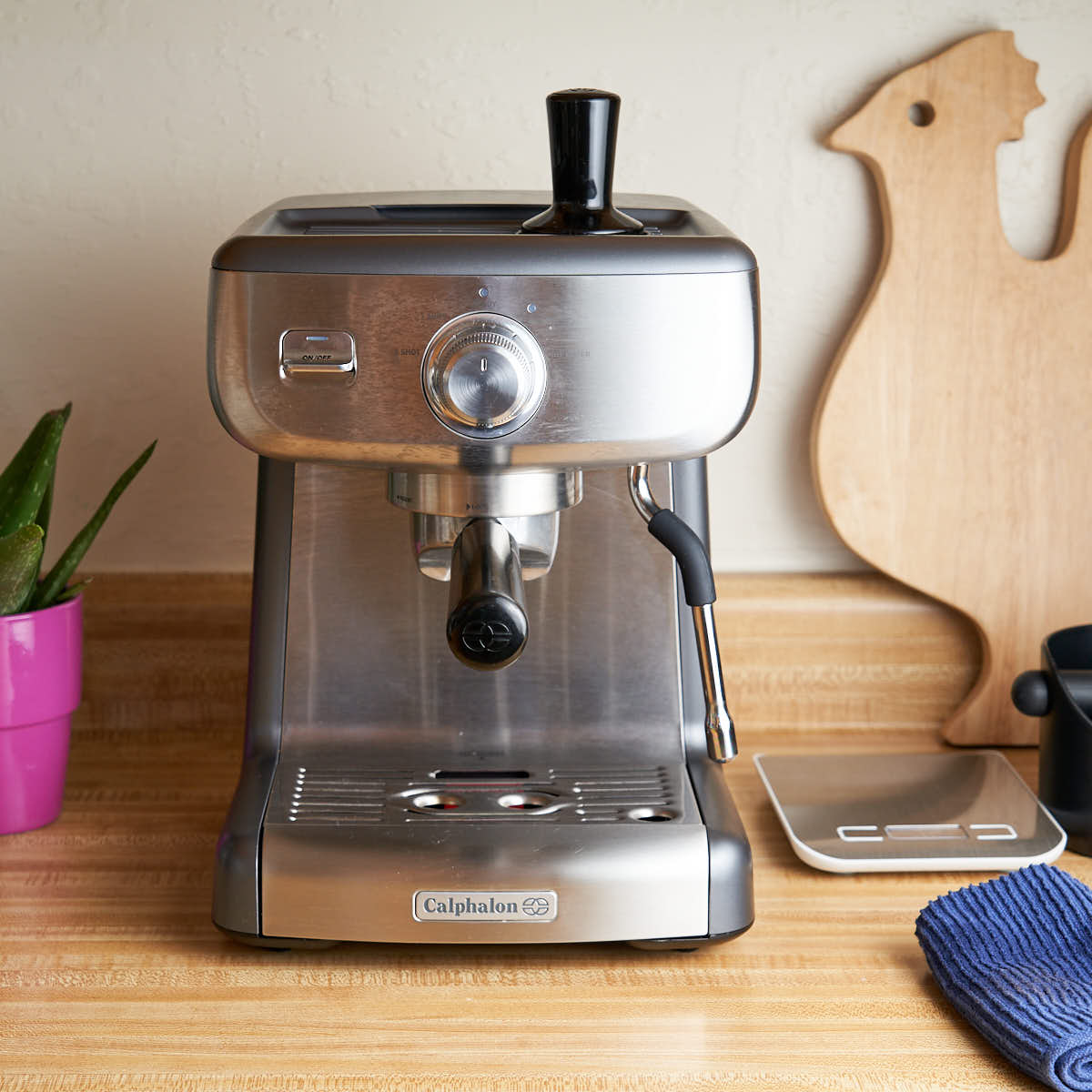
The Calphalon Temp IQ is engineered around a Thermoblock heating system, a design choice that balances rapid heat-up times with thermal stability. Unlike traditional boilers, which can take upwards of twenty minutes to reach operating temperature, the Temp IQ typically reaches optimal conditions within seconds.
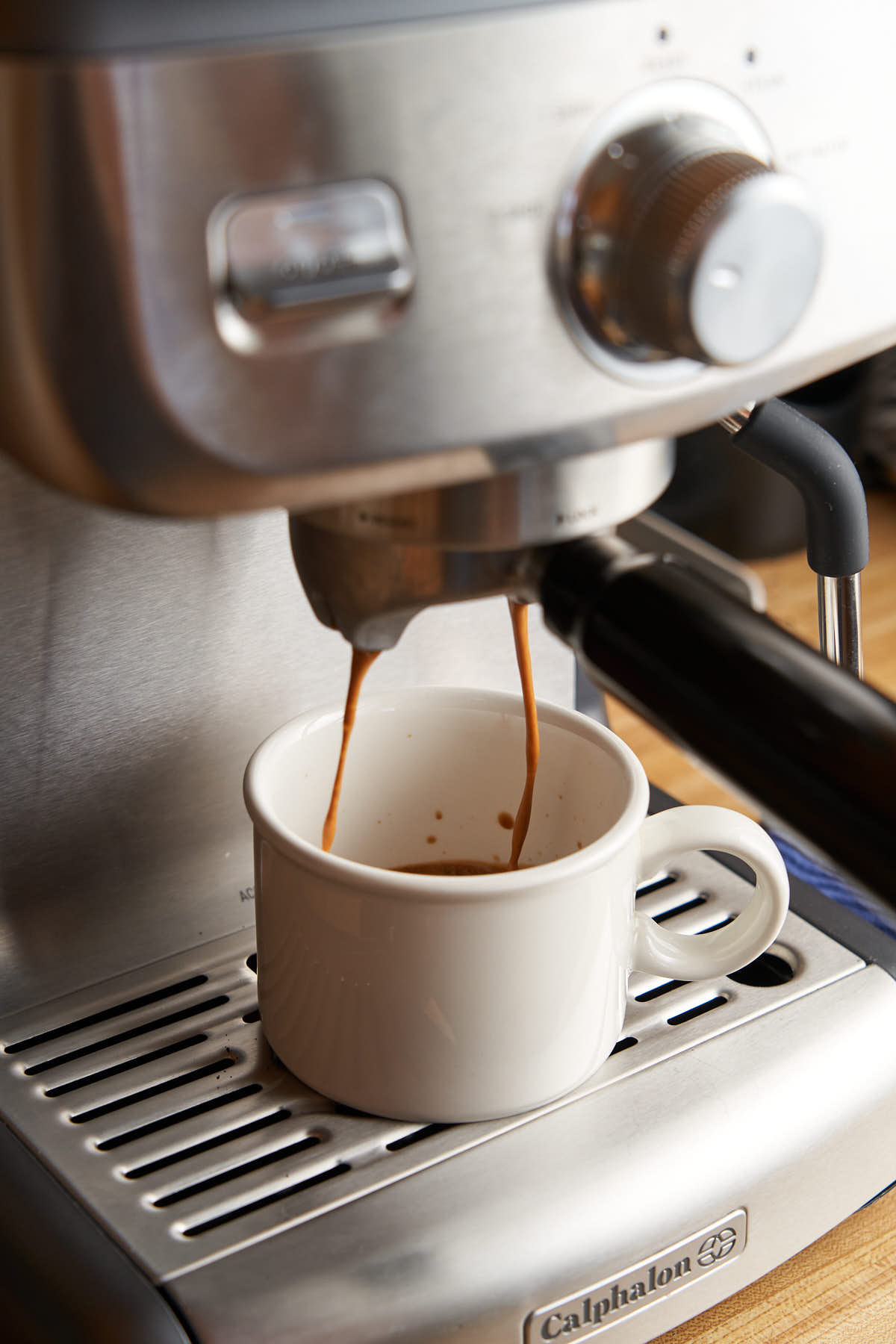
The control interface is intentionally minimalist. Eschewing complex digital displays and touchscreens, the manufacturer has opted for a singular rotary knob system. This dial facilitates four primary functions: standby, espresso extraction (single and double), and steam production. This design reduces the number of failure points common in digital displays, contributing to the machine’s overall longevity. The factory settings for volumetric dosing are calibrated to one ounce for a single shot and two ounces for a double, though the system permits user-defined programming for those who prefer more control over their brew ratios.
Comparative Analysis: The Grinder Dilemma
A significant point of consideration for prospective buyers is the availability of the machine in two distinct configurations: with or without an integrated burr grinder. While integrated grinders offer convenience, industry experts and professional baristas frequently recommend separate, dedicated grinders for a number of technical reasons.
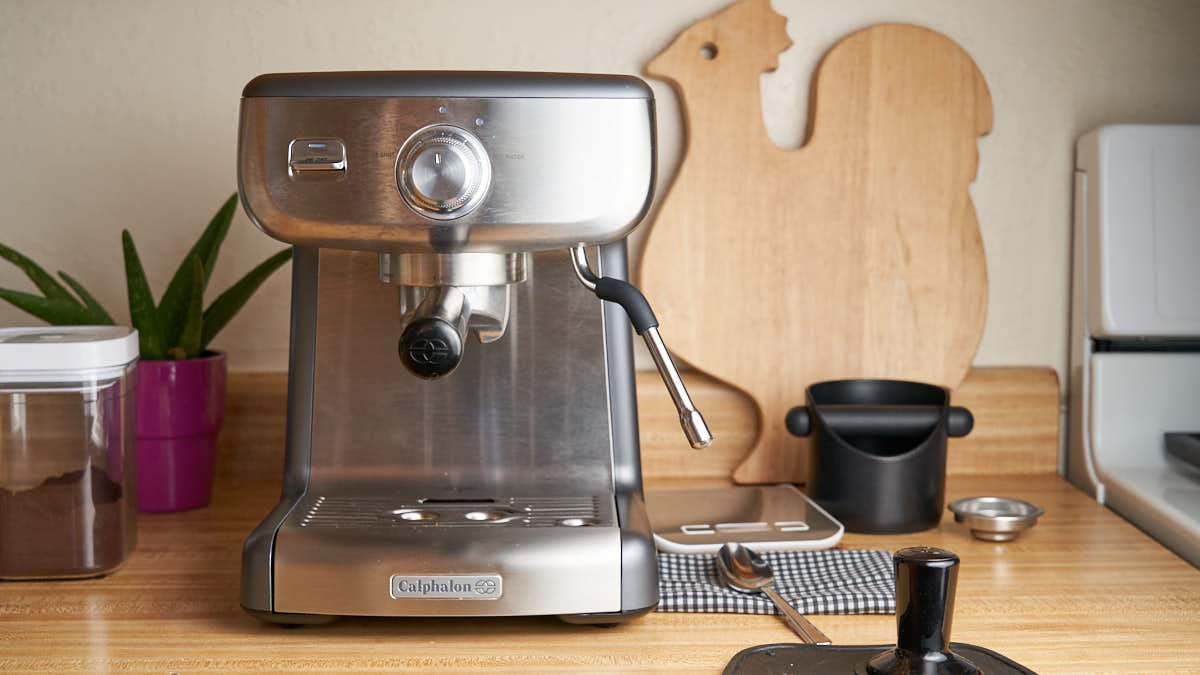
Firstly, a dedicated grinder allows for more granular adjustment of particle size. The consistency of the grind—the uniformity of the coffee dust—is arguably the most critical factor in achieving a balanced espresso extraction. Built-in grinders in mid-range machines often struggle to provide the precision required for lighter roast profiles or specific specialty beans. Furthermore, separating the grinder from the machine allows for greater flexibility in kitchen placement. In standard residential kitchens, vertical clearance between countertops and upper cabinets is often limited; by removing the grinder housing, the Temp IQ achieves a slimmer profile that fits easily beneath standard cabinetry.
For the average consumer, sourcing freshly ground beans from a local roaster remains a viable alternative. When properly stored in an airtight, opaque container, roasted coffee retains its flavor profile for several weeks, negating the absolute necessity for a home grinder unless the user is committed to the daily ritual of grinding immediately prior to brewing.
The Role of the Steam Wand in Microfoam Production
One of the most common criticisms of affordable espresso machines is the inadequacy of their steam wands. Many entry-level models use "panarello" style wands, which introduce air into the milk artificially rather than relying on the user’s technique. The Calphalon Temp IQ, however, features a manual steam wand that provides enough pressure to produce high-quality microfoam.
Achieving "latte art" quality milk—the glossy, wet-paint texture required for pouring patterns—requires a consistent steam pressure that the Temp IQ delivers effectively. While the machine is capable of steaming sufficient milk for a single latte, it is important to note the operational limits of a single-boiler system. Preparing multiple milk-based drinks in rapid succession will require a brief "recharge" period for the heating element to return to steam temperature, which is a standard constraint for machines in this price bracket.
Maintenance Protocols for Longevity
The longevity of any espresso machine is directly correlated with its maintenance schedule. The Calphalon Temp IQ requires a disciplined approach to cleaning, particularly regarding the group head and the steam wand.
- Daily Maintenance: After every shot, the group head should be purged with hot water to remove residual oils and grounds. The steam wand must be wiped with a damp cloth and purged of any milk protein immediately after use to prevent clogging.
- Component Care: The portafilter and filter baskets are not dishwasher safe. Prolonged exposure to the high heat and harsh detergents of a dishwasher can strip the chrome finish and damage the seals. Hand washing with mild soap is the manufacturer-recommended protocol.
- Descaling: Depending on the mineral content of the local water supply, the machine will eventually require a descaling cycle to remove calcium buildup from the internal tubing. Using filtered water can significantly extend the interval between these required maintenance cycles.
Economic and Practical Implications
From an economic standpoint, the Calphalon Temp IQ is positioned to pay for itself within a year of regular use. Given that the average specialty coffee drink at a commercial establishment ranges from $4.00 to $6.00, an investment in a machine that costs a fraction of a high-end commercial unit represents a significant cost-saving opportunity for daily coffee drinkers.
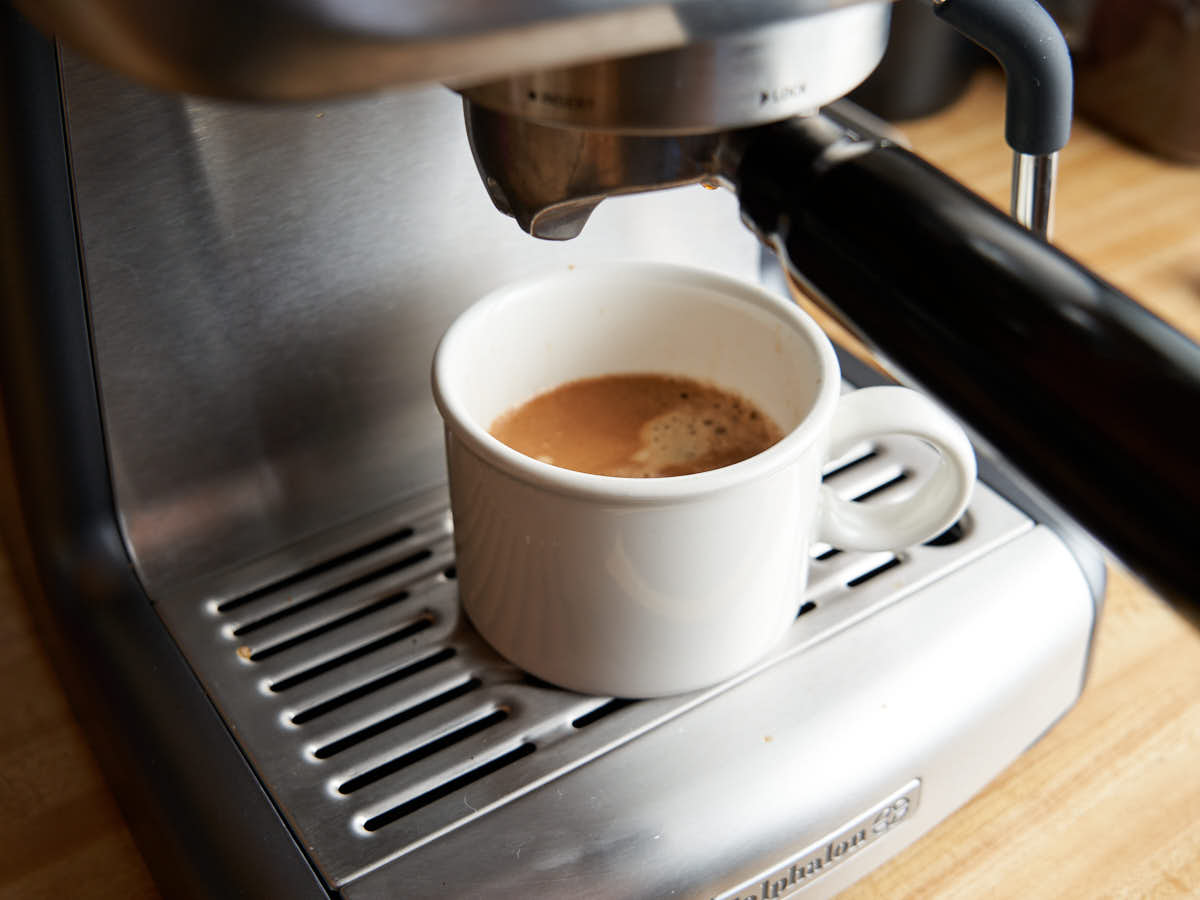
The broader implication of such devices is the democratization of café-quality coffee. By simplifying the technical aspects of pressure and temperature, companies like Calphalon are effectively lowering the barrier to entry for consumers who want to participate in the craft of espresso without requiring professional training.
Conclusion and Recommendations
The Calphalon Temp IQ Espresso Machine is a highly capable, reliable, and user-friendly entry into the world of home espresso. Its strength lies in its simplicity; it does not overcomplicate the brewing process, nor does it sacrifice the essential physics of extraction for the sake of unnecessary features.
For the novice, it provides a gentle learning curve supported by a comprehensive manual. For the more experienced enthusiast, it offers a consistent, stable base that can be paired with a high-quality external grinder to produce results that rival those found in professional coffee houses. When coupled with fresh, locally roasted beans and a commitment to basic daily maintenance, this machine provides an excellent return on investment for the home barista. As the holiday season approaches, it stands as a pragmatic and highly functional option for those looking to elevate their morning routine.
