
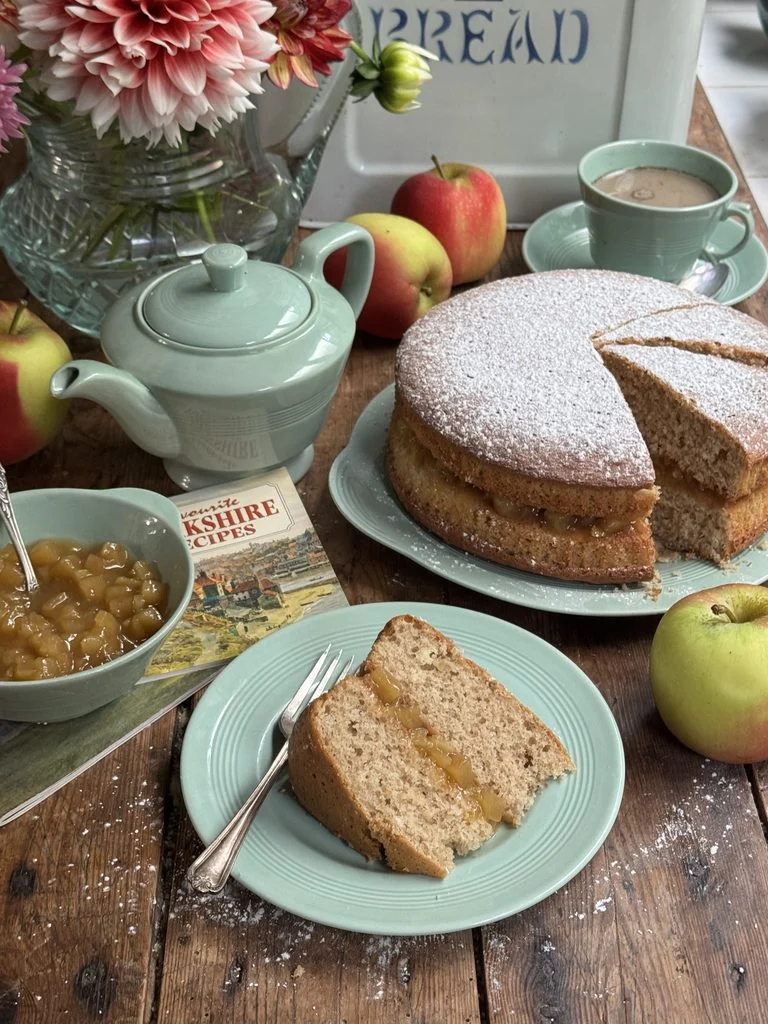
The Maritime Heritage of the Coble Cake
The nomenclature of the Yorkshire Coble Cake is intrinsically linked to the "coble," a type of traditional, open-top fishing boat that has been used along the Northeast coast of England for centuries. Specifically designed to navigate the challenging, shallow waters and treacherous conditions of the North Sea, these boats are recognized by their high, flared bows and flat bottoms. This unique construction allowed fishermen to launch from sandy beaches and withstand the unpredictable swells characteristic of the region.

Culinary historians note that the cake’s name is often conflated with "Cobble Cakes," a separate category of individual, biscuit-style treats flavored with almonds, mixed peel, and various spices, traditionally finished with a lemon and vanilla glaze. While the Coble Cake of Yorkshire is often viewed as a variation of the classic Victoria sandwich, it occupies a distinct culinary niche. Unlike the traditional Victoria sponge—which typically utilizes jam as a filling—the Coble Cake utilizes a cooked apple compote or sauce. This substitution transforms the texture of the dessert, making it more akin to a "pudding cake," which is frequently served warm, accompanied by heavy cream or clotted cream, rather than as a cold afternoon tea accompaniment.

Chronology and Evolution of the Recipe
The origin of the Coble Cake is difficult to pinpoint within historical recipe archives, as it appears to have developed as a localized "tea bread" or dessert rather than a documented aristocratic confection. For decades, the recipe existed primarily through oral tradition and family hand-me-downs in fishing communities.

In the modern era, the digital preservation of regional recipes has played a critical role in preventing the loss of these culinary traditions. In September 2026, researchers and food historians noted that while the recipe had become elusive in standard, mass-market cookbooks, it remained a vibrant part of the "heritage baking" movement. Contemporary bakers, such as those documenting the recipe online, have taken to refining the proportions to suit modern baking equipment while maintaining the integrity of the original spice profile. The shift from wood-fired ovens to modern convection ovens has necessitated adjustments in baking times, with current standards recommending a temperature of 180°C (160°C fan/360°F) to achieve the signature pale golden crust that defines the cake.

The Role of Local Ingredients
The quintessential component of the Yorkshire Coble Cake is the apple compote. In the North Yorkshire region, the use of the Bramley apple is considered the gold standard. The Bramley, which originated in the early 19th century in Nottinghamshire, is highly valued for its acidity and its tendency to soften into a smooth, thick consistency when cooked, making it ideal for the structural requirements of a sandwiched cake.

Agricultural data indicates that the reliance on such specific, locally available varieties of fruit has been a cornerstone of British rural baking. When fresh, locally sourced Bramley apples are unavailable, modern home bakers often turn to high-quality, pre-prepared apple sauces. However, culinary purists argue that the "pudding-style" texture is best achieved through a homemade compote consisting of peeled, cored, and diced apples stewed with a small amount of sugar, water, and lemon zest. The addition of butter to the cooling mixture is a technique often used to enhance the richness of the filling, balancing the tartness of the fruit.

Spice Profiles and Flavor Chemistry
The aromatic profile of the Coble Cake is driven by a blend of spices that were historically accessible to trading ports like Whitby. Cinnamon, nutmeg, ginger, and "mixed spice"—a British blend typically containing cinnamon, coriander, caraway, nutmeg, clove, ginger, and allspice—form the backbone of the sponge.

From a culinary standpoint, these spices serve a dual purpose: they provide a warming sensory experience, which is culturally associated with the cooler climates of the North, and they act as a natural preservative, a common feature in many historical cakes meant to be stored for short periods. The interaction between the spicy, firm sponge and the soft, tart apple filling creates a textural contrast that has contributed to the dish’s enduring popularity in the region.

Economic and Cultural Implications
The continued relevance of the Yorkshire Coble Cake speaks to the broader impact of "food tourism" in Northern England. As visitors flock to the Whitby and Staithes coastal areas, the demand for authentic, regional specialties has increased. Tearooms that serve traditional cakes like the Coble Cake are often seen as guardians of cultural heritage, providing a sensory connection to the maritime history of the North Sea.

Analysts in the food and beverage sector note that regional heritage products are currently experiencing a resurgence as consumers shift away from globalized, mass-produced desserts. The Coble Cake, with its modest ingredient list and emphasis on local fruit, aligns with current consumer preferences for transparent, sustainable, and history-backed food sourcing. This phenomenon is not limited to cakes; it is part of a larger trend including Yorkshire Parkin, Curd Tarts, and other traditional baked goods that define the Northern English culinary identity.

Modern Preparation Standards
For those attempting to replicate the traditional recipe, the current standard operating procedure involves a precise multi-step process. The preparation begins with the creaming of butter and sugar until the mixture reaches a light, aerated consistency. Following the gradual incorporation of eggs, the dry ingredients—flour and the spice blend—are folded in.

Crucially, the baking process requires the use of two 20cm (8-inch) Victoria sandwich tins, greased and lined to ensure the sponge maintains its structural integrity upon removal. The cake is baked until it begins to pull away from the edges of the tin, indicating the crumb has set. Once cooled, the cake is assembled with the apple compote. The final touch—a light dusting of icing sugar—serves as the only aesthetic embellishment, reflecting the humble, working-class origins of the recipe.

Broader Context: A Legacy of Regional Baking
The preservation of the Coble Cake is part of a larger, ongoing effort to document the regional diversity of British baking. Often overshadowed by the more internationally recognized "Victoria Sponge" or "Scones," regional cakes like the Coble Cake provide a deeper understanding of how geography and trade influenced the British palate.

In the broader context of the UK’s culinary landscape, there is a recognized need for the formalization of these recipes. Organizations dedicated to the preservation of traditional British foods emphasize that recipes like this one are vital for the continuity of regional pride. The movement is supported by the availability of "gifts in a jar" spice blends and the increasing accessibility of high-quality, local orchard fruits, which allow even urban bakers to participate in this rural tradition.

Conclusion
As of September 2026, the Yorkshire Coble Cake remains a testament to the resilience of local foodways. It is more than a dessert; it is an artifact of the maritime communities that shaped the North Yorkshire coast. By maintaining the specific, spiced profile and the apple-centric composition, home bakers and professional chefs alike ensure that the legacy of the coble boat—and the communities that relied upon it—remains alive in the contemporary kitchen. Whether served as a simple treat with tea or as a warm pudding to conclude a meal, the cake continues to provide a tangible link to the history, geography, and agricultural heritage of Yorkshire.
