
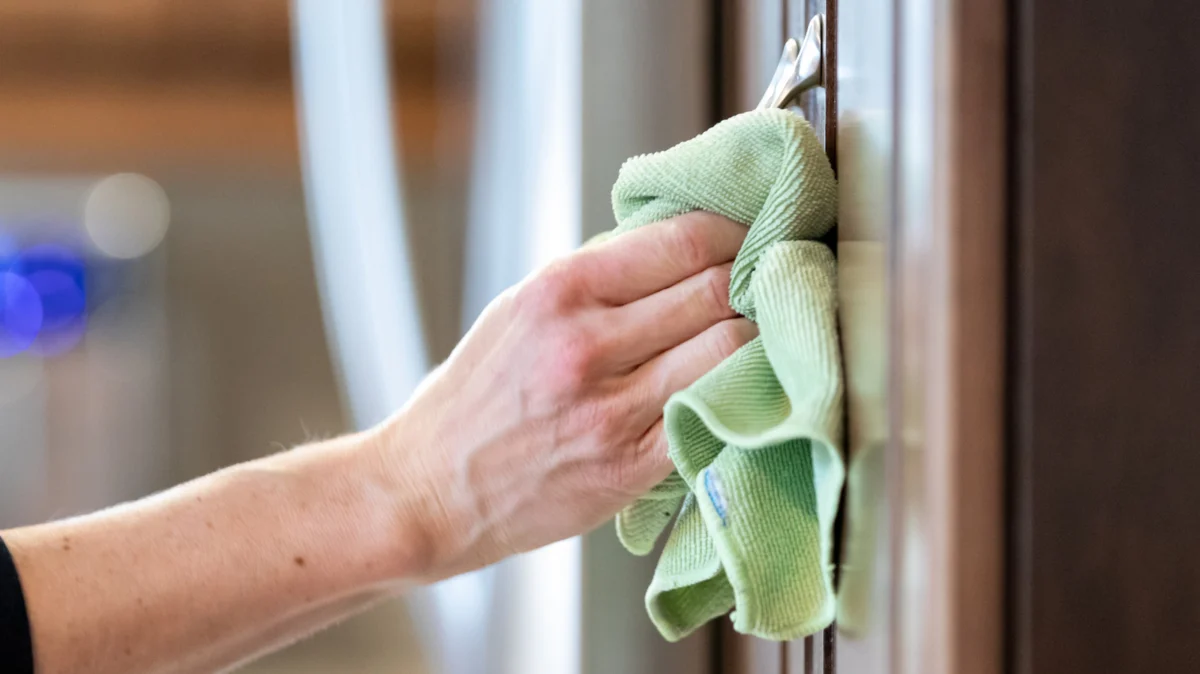
The accumulation of grease on kitchen cabinetry is an inevitable byproduct of daily culinary activity. As cooking oils, fats, and moisture become aerosolized during the preparation of meals, they settle onto surfaces, eventually forming a tacky, grimy film that attracts dust and particulate matter. While the commercial cleaning industry has long dominated this space with an array of synthetic solvents, degreasers, and caustic agents, there is a growing movement among homeowners and environmental advocates toward sustainable, household-based solutions. Among the most effective of these natural alternatives is the pairing of citrus-derived citric acid and sodium chloride, commonly known as lemon and salt.
The Science of Natural Degreasing
The efficacy of using lemon and salt as a cleaning agent is rooted in basic chemical interactions. Kitchen grease is largely alkaline in nature, particularly when derived from animal fats or vegetable oils. Citric acid, which occurs naturally in high concentrations within lemons, serves as a potent acidic agent. When applied to grease, the acid works to neutralize the alkaline bonds that keep the residue adhered to the surface of the cabinetry.
Furthermore, citric acid is classified as a mild disinfectant. Research into the antimicrobial properties of various fruit acids has demonstrated that citric acid can effectively disrupt the cellular membranes of certain bacteria, including Salmonella and E. coli, which are often present in kitchen environments. By incorporating salt, a mild abrasive, the cleaning process gains a mechanical component. The salt crystals provide enough friction to lift the loosened grease from the finish without the excessive force required by industrial steel wool or abrasive scrubbers, which risk scratching delicate cabinet veneers.
A Chronology of Household Cleaning Trends
For much of the 20th century, the domestic cleaning market was revolutionized by the introduction of petroleum-based detergents. Following the post-World War II economic boom, the rapid industrialization of household chores led to the widespread adoption of aerosol sprays and heavy-duty degreasers containing volatile organic compounds (VOCs). These products were marketed heavily for their convenience and speed.
However, the late 20th and early 21st centuries saw a significant shift in consumer consciousness regarding indoor air quality and chemical toxicity. Environmental protection agencies and health organizations began documenting the correlation between prolonged exposure to indoor air pollutants—many of which originate from household cleaning sprays—and respiratory issues or skin irritations. Consequently, the last decade has witnessed a return to traditional, "pantry-based" cleaning methods. The rise of the DIY movement, fueled by digital platforms and a greater emphasis on sustainability, has normalized the use of vinegar, baking soda, and citrus as viable, cost-effective replacements for proprietary chemical cleaners.
Practical Application and Methodology
To utilize the lemon and salt method, efficiency and precision are paramount. The process is generally broken down into three primary techniques:
- The Direct Application Method: Slice a fresh lemon in half and dip the exposed, moist surface into a bowl of granulated salt. Use the lemon as a natural sponge, rubbing gently in a circular motion across the affected area. This is most effective for spot-treating localized grease buildup.
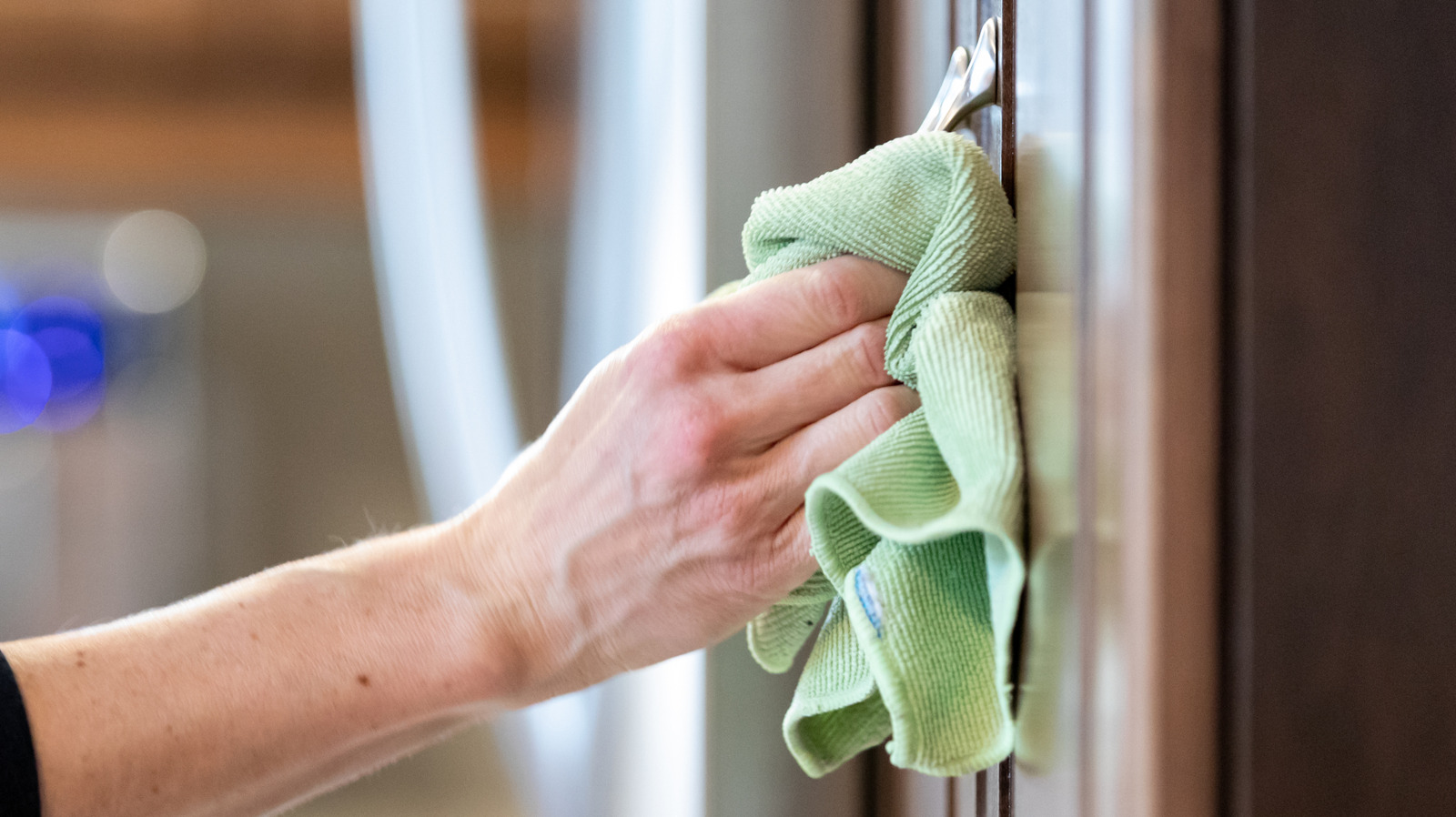
- The Microfiber Cloth Technique: Extract the juice from a lemon and combine it with a small amount of water. Soak a microfiber cloth in the mixture, then dip the cloth into salt. This allows for more controlled distribution of the abrasive element.
- The Solution Spray: For broader surface areas, mix a diluted solution of lemon juice and water in a spray bottle. Apply a light mist to the cabinets, then follow immediately with a cloth dabbed in salt to scrub the surface.
In all scenarios, the most critical step is the post-cleaning rinse. Because citric acid is inherently acidic, it can degrade the integrity of certain finishes if left to dwell for extended periods. A damp cloth—using only water—should be used to wipe the area clean, followed by a dry cloth to remove any remaining moisture. This prevents the formation of new, sticky residues and protects the cabinet material from potential discoloration.
Limitations and Material Safety
Despite its effectiveness, the use of citric acid is not universal in its application. Homeowners must exercise caution, as the chemical properties that make lemon juice an effective degreaser can also be destructive to sensitive surfaces.
Conversion varnishes and catalyzed lacquered finishes, which are common in high-end cabinetry, are particularly susceptible to damage. Citric acid can strip the sheen from these coatings, leading to a dull or clouded appearance. Similarly, porous surfaces like unfinished wood are prone to absorbing the juice, which can cause permanent staining or grain damage. Furthermore, metallic fixtures—specifically brass, copper, and aluminum—may react poorly to prolonged exposure to acid, leading to tarnishing or pitting.
To mitigate these risks, experts recommend performing a "spot test" on an inconspicuous area of the cabinetry, such as the underside of a shelf or the back of a cabinet door. Allow the solution to dwell for approximately two minutes, rinse thoroughly, and observe the finish for any signs of dulling or discoloration before proceeding with the rest of the kitchen.
Broader Impact and Environmental Implications
The transition to natural cleaning agents represents more than just a cost-saving measure; it is a component of a larger strategy to reduce the household carbon footprint. Commercial cleaning agents often involve complex supply chains, plastic packaging, and the release of non-biodegradable chemicals into the water system. By utilizing kitchen staples like lemons and salt, consumers effectively bypass the environmental costs associated with the manufacturing, transport, and disposal of synthetic cleaners.
Data from recent consumer surveys suggest that a growing percentage of households now prioritize "eco-friendly" or "non-toxic" labels when purchasing home goods. The preference for these products is driven by both a desire for healthier living environments and a collective effort to minimize the long-term impact on local ecosystems. While a single household switching to lemon-based cleaners may seem negligible, the cumulative effect of a widespread behavioral shift toward natural cleaning is substantial.
Future Perspectives in Sustainable Home Maintenance
As the cleaning industry continues to evolve, the distinction between "natural" and "synthetic" is becoming more nuanced. Many modern companies are attempting to synthesize the active ingredients found in natural cleaners—such as citric acid or acetic acid—to create more effective, yet still biodegradable, products. However, the simplicity of the lemon-and-salt approach remains unmatched for those seeking immediate, accessible, and low-waste solutions.
Looking ahead, the focus on sustainable home maintenance is likely to intensify as water quality regulations and household safety standards tighten. The integration of traditional, proven techniques like the one discussed here serves as a bridge between historical common sense and modern environmental stewardship. By understanding the chemical properties of the substances we use in our homes, homeowners can maintain clean, hygienic, and aesthetically pleasing kitchens without relying on the aggressive chemical interventions that characterized the previous century.
In summary, while grease remains an inevitable challenge in the kitchen, it no longer necessitates the use of expensive or environmentally taxing products. Through the controlled application of citric acid and salt, and by maintaining a keen awareness of material safety, homeowners can effectively manage their kitchens while aligning their domestic practices with a more sustainable and cost-conscious lifestyle. The key remains in the balance: the acidity of the lemon cuts the grease, the salt provides the friction, and careful rinsing preserves the beauty of the cabinetry for years to come.
