

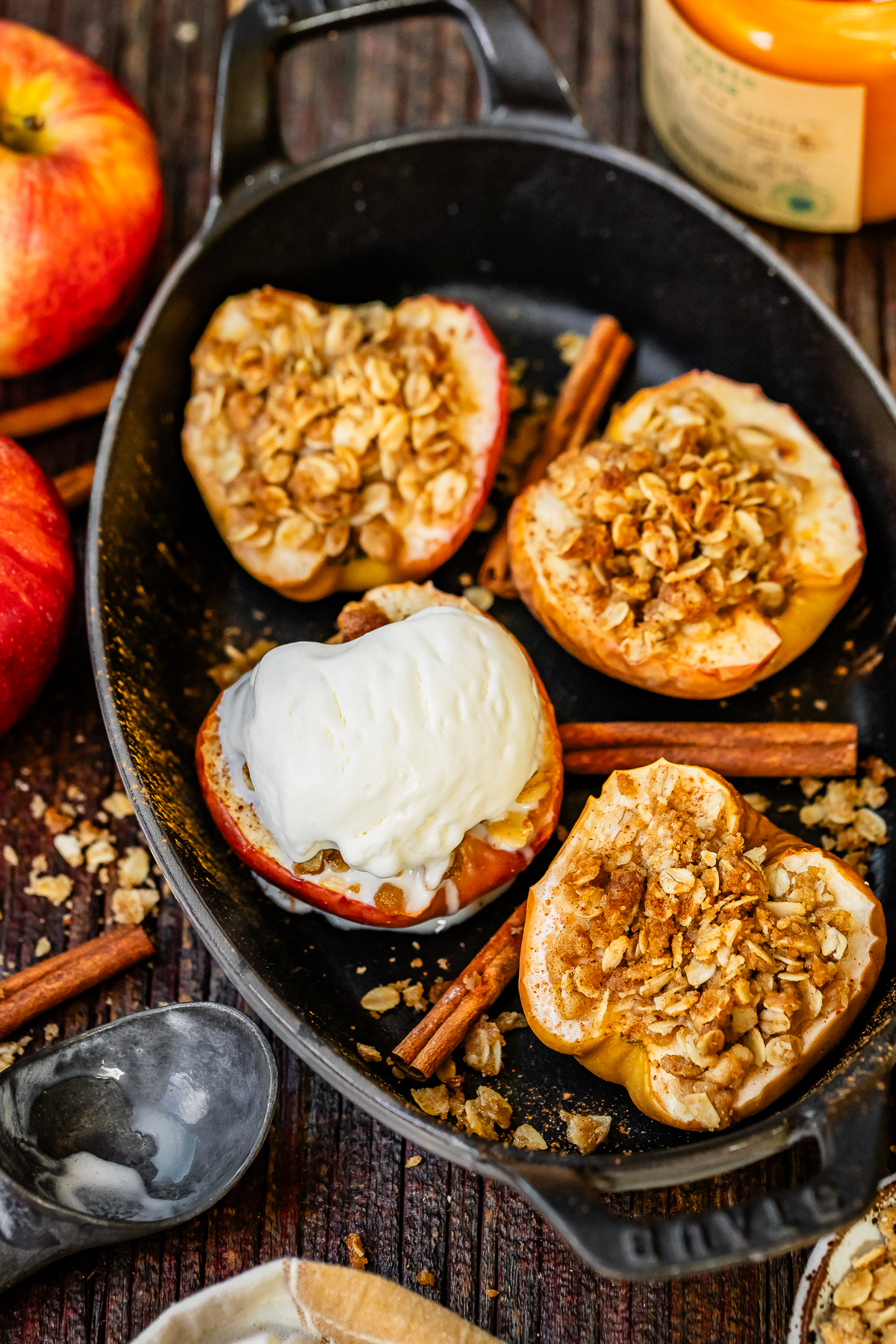
The practice of baking apples serves as a quintessential culinary tradition in many households throughout the autumn months. While complex desserts like traditional apple pies or elaborate crisps often require significant labor—including peeling, coring, slicing, and preparing intricate doughs—a simplified method for preparing baked apples has gained traction among home cooks seeking efficiency without sacrificing the nutritional benefits or sensory experience of seasonal produce. By halving the fruit and applying a minimal oat-based topping, home cooks can replicate the texture and flavor profile of a classic crisp in a fraction of the time.

Historical Context and Culinary Evolution
The tradition of baking apples dates back centuries, finding roots in European cooking where local orchards provided a reliable, shelf-stable source of fruit through the winter. Historically, the "baked apple" was a staple of rustic diets, often prepared by placing whole fruit into the cooling embers of a hearth. As modern kitchens evolved to incorporate standardized ovens, the preparation methods became more refined.
The current trend toward "simplified" baking—often characterized by omitting the peeling process—reflects a broader shift in home economics. Consumers are increasingly prioritizing time-efficiency due to busy schedules, yet there is a simultaneous rise in the demand for "whole-food" preparations that retain the fiber-rich skins of the fruit. This evolution aligns with the "Skinnytaste" culinary movement, which focuses on nutrient density and the reduction of refined sugars while maintaining the satisfaction of traditional comfort foods.
The Nutritional Profile of Baked Fruit
From a nutritional standpoint, baked apples offer a significant advantage over many processed desserts. According to dietary guidelines, fruit provides essential vitamins, minerals, and antioxidants, particularly when the skin is consumed, as it contains the majority of the fiber and polyphenols.
Data indicates that an average medium-sized apple contains approximately 4 grams of dietary fiber and roughly 95 calories. When prepared with a modest oat-based topping—which includes rolled oats, a small amount of fat, and warm spices—the dish maintains a low caloric density while providing a complex carbohydrate source that promotes satiety. Analysis of the nutritional breakdown for these simplified baked apples suggests that a single serving typically contains approximately 154 calories, 27 grams of carbohydrates, and 3 grams of fiber. This makes the dish a viable option for those managing blood glucose levels, provided that sugar additions are monitored.

Selection and Cultivation: Selecting the Right Apple
The success of a baked apple dish is heavily dependent on the variety of apple selected. Not all cultivars respond to heat in the same manner. Pomologists and culinary experts classify apples into "baking" and "eating" categories based on their acidity and the integrity of their cellular structure when heated.
For those desiring a tart contrast to the sweetness of the topping, the Granny Smith—a cultivar known for its high malic acid content—is the industry standard for baking. The structure of the Granny Smith allows it to maintain its shape under high temperatures, preventing it from turning into applesauce. Conversely, for a sweeter, softer result, varieties such as Honeycrisp, Gala, or Pink Lady are recommended. Honeycrisp, in particular, has become a market favorite due to its balance of crisp texture and high sugar content, which caramelizes effectively during the roasting process.

Methodology for Efficient Preparation
The primary logistical hurdle in apple-based desserts is the labor-intensive nature of mechanical preparation. The "no-peel" method serves as a departure from traditional baking, where the skin is viewed as an obstacle to texture. By leaving the skin intact, the cook saves an estimated 10 to 15 minutes of manual labor per batch.
The chronological sequence for this method is as follows:
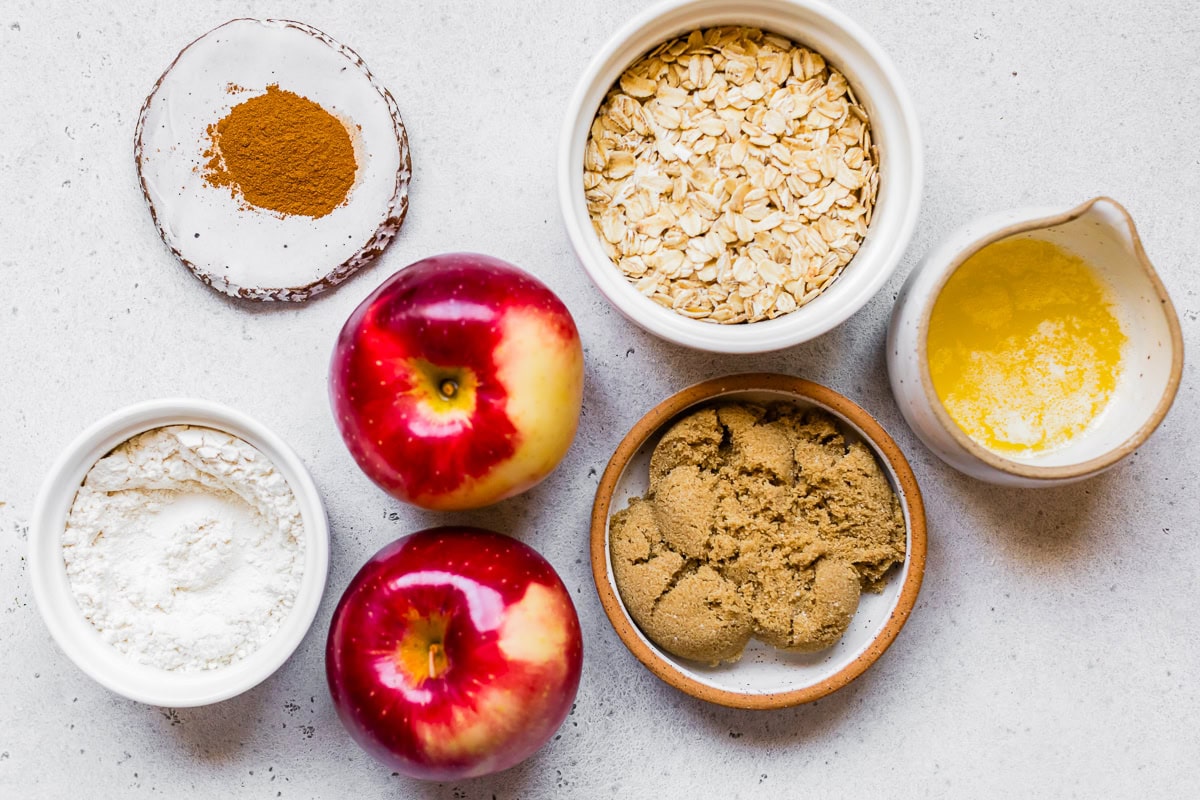
- Preheating: Ovens are calibrated to approximately 375°F (190°C) to ensure the exterior topping achieves a golden-brown crunch while the internal fruit softens.
- Core Extraction: Using a melon baller or a small paring knife, the core is removed from the halved apples. This creates a natural vessel for the topping.
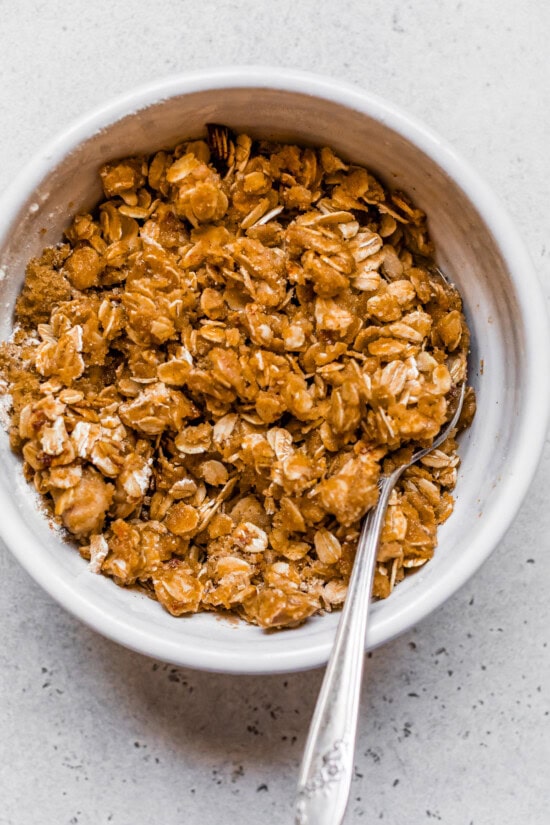
- Topping Assembly: A mixture of oats, brown sugar, cinnamon, and a binding fat (such as butter or a plant-based alternative) is prepared. This stage can be completed up to 24 hours in advance, allowing for improved flavor development as the spices permeate the oats.
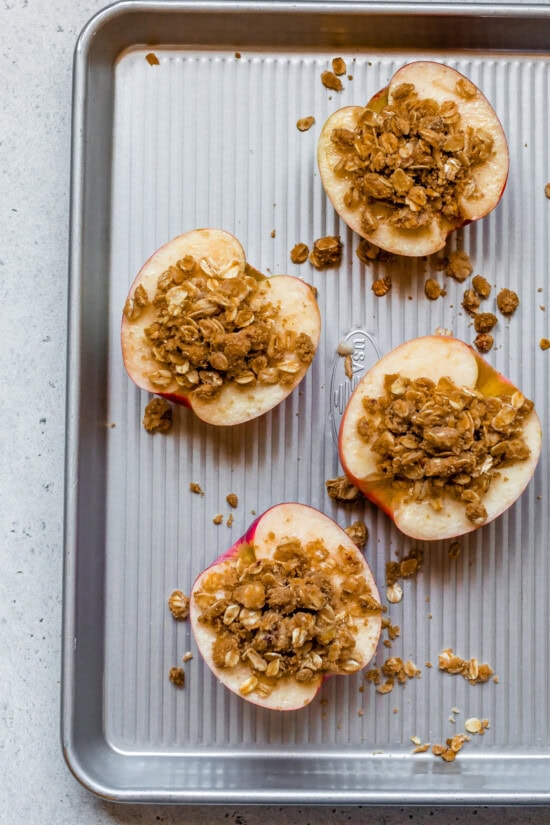
- Thermal Processing: The apples are arranged on a baking sheet, topped with the crumble, and roasted for approximately 30 minutes.
Broader Implications for Modern Culinary Habits
The shift toward simplified recipes like these baked apples reflects a broader transformation in the domestic culinary landscape. The rise of "quick-prep" cooking is not merely a response to time constraints; it is a strategic adaptation to the high cost of pre-packaged, processed desserts. By utilizing fresh, seasonal ingredients that are readily available in local markets, households can reduce their reliance on ultra-processed goods.
Furthermore, the emphasis on versatility—such as the ability to substitute pears or experiment with different spice blends—encourages home cooks to engage more deeply with their ingredients. This "modular" approach to cooking allows for dietary inclusivity, as the recipe can easily be adapted for gluten-free diets (by ensuring certified gluten-free oats are used) or dairy-free requirements.
Economic and Sustainability Considerations
Apple production remains a significant sector of the global agricultural economy. In the United States, the apple industry contributes billions of dollars annually, with a focus on both domestic consumption and export. When consumers choose to purchase seasonal, whole fruits rather than processed apple products, they support sustainable farming practices and reduce the carbon footprint associated with industrial food processing.
The decision to minimize food waste is also a critical component of this preparation style. By utilizing the entire fruit—including the skin—the household effectively reduces the volume of organic waste. As food inflation continues to be a concern for many families, the utilization of staple pantry items such as oats and spices in combination with seasonal fruit provides an economically sound alternative to store-bought desserts.
Conclusion: The Future of Home Baking
The enduring popularity of the baked apple is a testament to the fact that comfort food does not need to be complicated to be effective. By focusing on the intrinsic qualities of the fruit—texture, natural sweetness, and seasonal availability—this method bridges the gap between traditional home baking and the realities of modern, time-sensitive living. As culinary trends continue to favor efficiency and nutritional integrity, simple, ingredient-forward recipes are likely to remain a permanent fixture in the domestic repertoire. Through the thoughtful selection of produce and a streamlined approach to preparation, the humble apple remains a versatile and essential component of the contemporary diet.
