
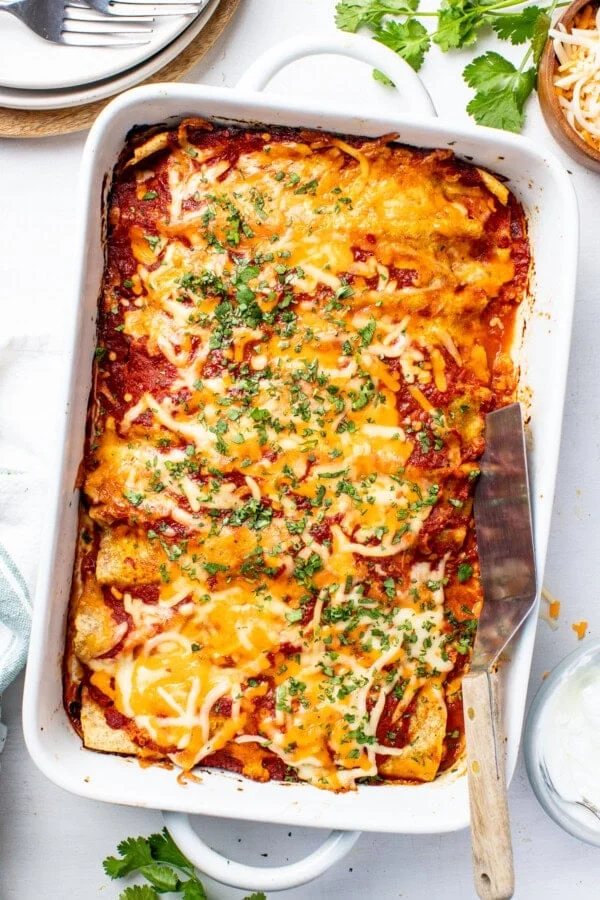
Nutritional Profile and Dietary Implications
From a nutritional standpoint, the Turkey and Black Bean Enchilada provides a significant caloric and macronutrient balance suitable for a standard dinner serving. Data indicates that a single serving—approximately one enchilada—contains roughly 279 calories. The dish is particularly notable for its fiber content, which reaches 15 grams per serving, representing more than half of the daily recommended intake for many adults.
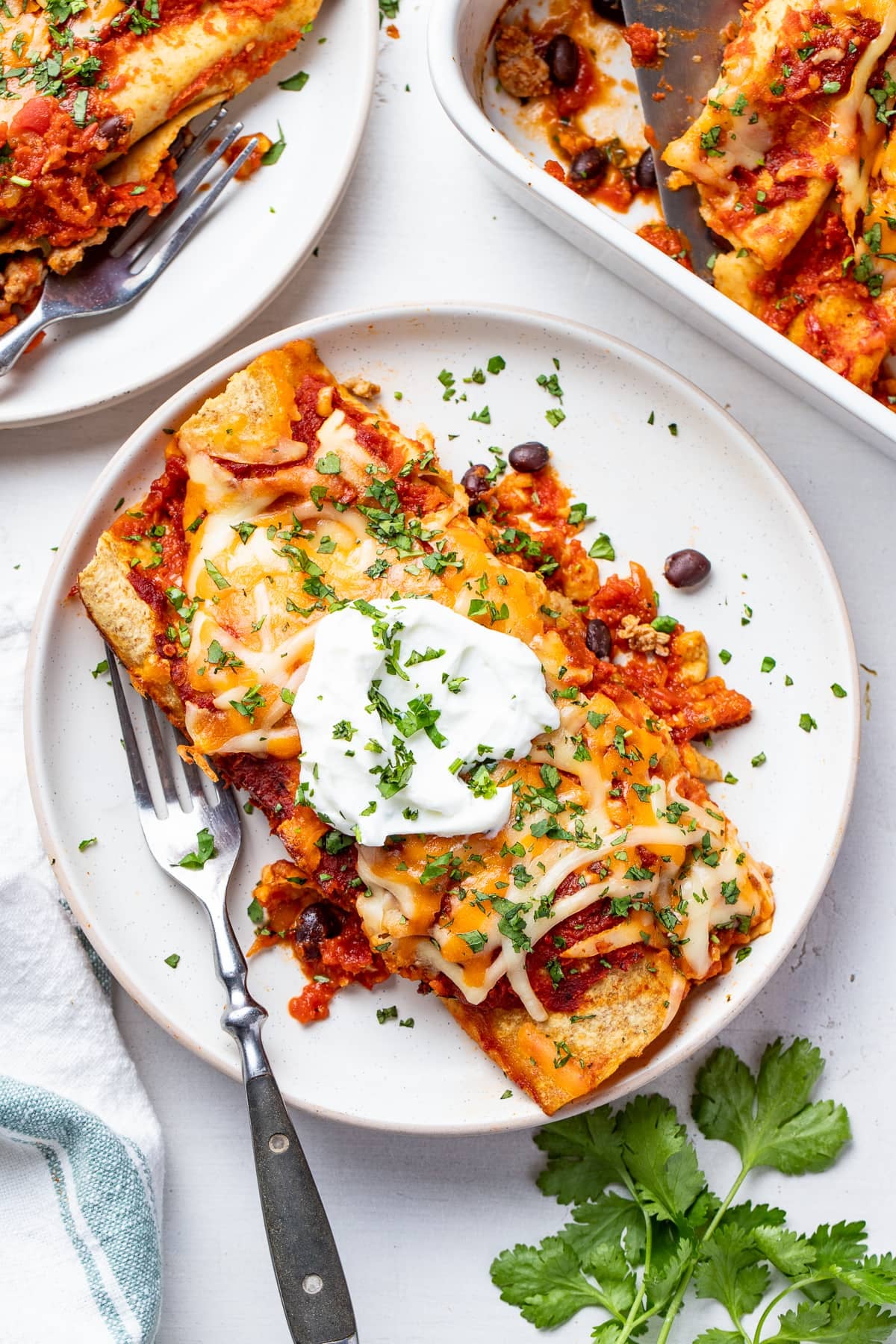
The integration of black beans into the ground turkey mixture serves a dual purpose. Beyond the fiber content, black beans provide complex carbohydrates that facilitate a slower release of energy, contrasting with refined carbohydrate sources. The lean nature of ground turkey provides approximately 27 grams of protein per serving, making it an efficient choice for individuals monitoring their saturated fat intake compared to traditional beef-based enchiladas. This combination of nutrients supports metabolic stability and satiety, which are critical factors in long-term dietary management.
Historical Context and Evolution of the Dish
While the roots of the enchilada trace back to ancient Mexican civilizations, where corn tortillas were dipped in chili sauce and wrapped around small fish, the modern iteration has evolved significantly. The incorporation of ground turkey and black beans is a relatively recent development in the home-cooking landscape, gaining momentum as consumers in the early 2010s began seeking healthier modifications to traditional Latin American dishes.
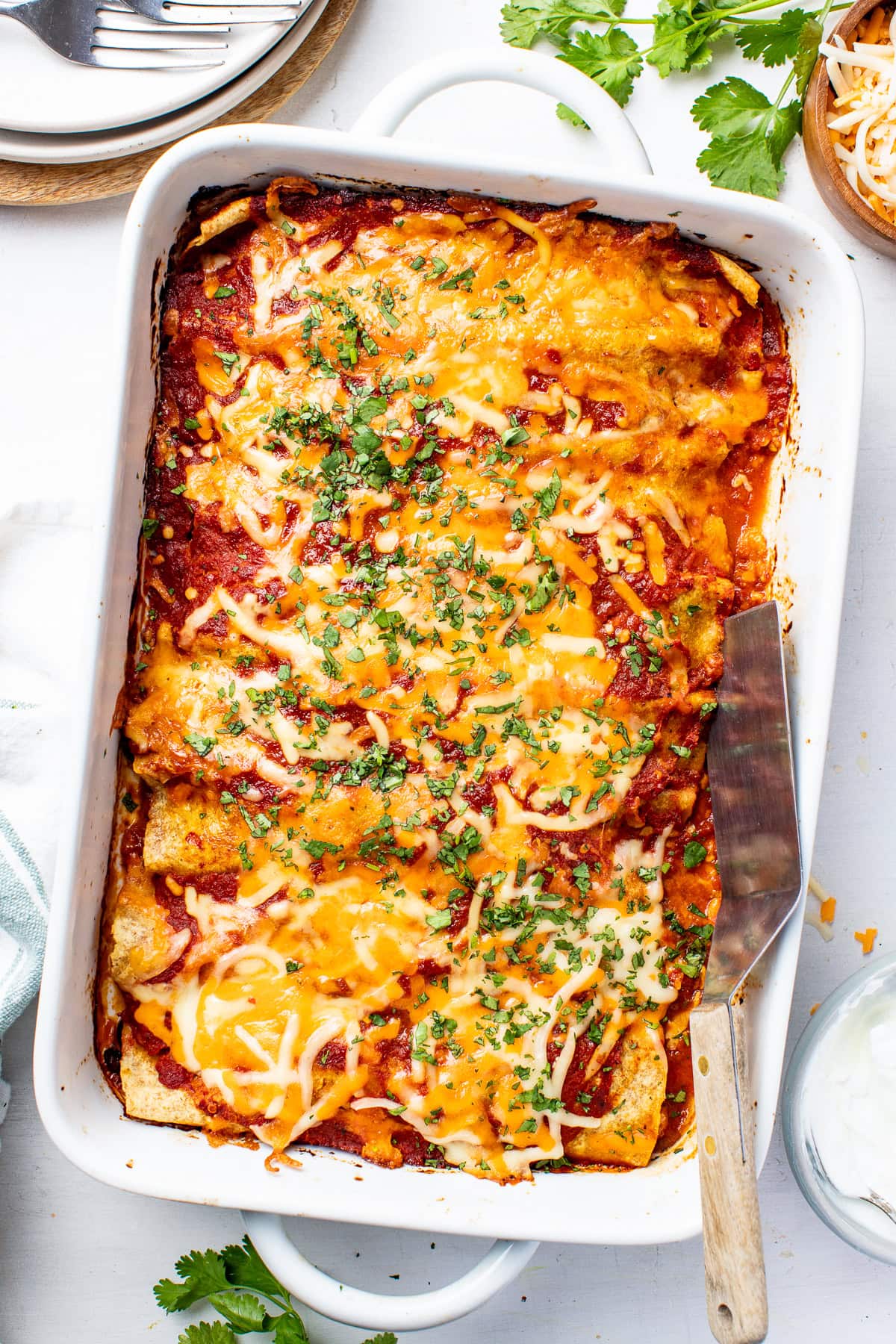
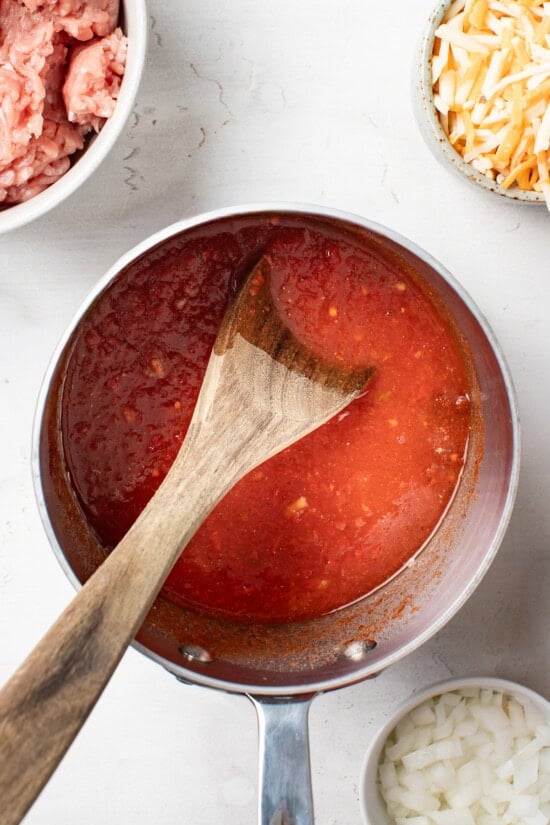
The shift toward homemade sauces over store-bought alternatives reflects a broader trend in culinary transparency and ingredient control. By preparing an enchilada sauce from scratch, cooks can manage sodium levels and eliminate preservatives, such as monosodium glutamate or artificial thickeners, often found in mass-produced canned varieties. This transition represents a shift in domestic priorities: moving from convenience-first meal preparation to value-added cooking, where the process is viewed as a health-conscious endeavor.
Preparation Methodology and Culinary Best Practices
The preparation of Turkey and Black Bean Enchiladas involves a multi-stage process that prioritizes flavor development and structural integrity. Culinary experts often emphasize the importance of the initial browning of the ground turkey to achieve a Maillard reaction, which adds depth of flavor before the integration of beans and spices.

A common technical error in the preparation of this dish is the improper handling of tortillas. If the tortillas are not lightly toasted or warmed before rolling, they are prone to tearing, which compromises the presentation and the distribution of the sauce. Furthermore, the selection of the sauce is paramount. The use of chipotle peppers in adobo sauce provides a smoky, complex profile that elevates the lean turkey, which can otherwise be perceived as mild. For those looking to store the dish, culinary professionals recommend batch-prepping the filling and sauce separately to ensure that the tortillas do not become overly saturated, or "soggy," during the refrigeration process.
Economic and Logistical Efficiency
The economic appeal of this recipe lies in the accessibility of its ingredients. Ground turkey, particularly when purchased in larger quantities, remains one of the most budget-friendly proteins available in the United States grocery market. Black beans, whether canned or dried, are similarly inexpensive and offer a long shelf life, making this dish an ideal candidate for meal prep during periods of economic inflation or supply chain volatility.

From a logistics perspective, the recipe is highly scalable. Large-format baking allows for the creation of multiple servings simultaneously, which serves the needs of busy households or individuals practicing weekly meal planning. This scalability has contributed to the longevity of the recipe’s popularity; it remains a consistent favorite for families looking to minimize their time in the kitchen without sacrificing the quality of their evening meal.
Broader Culinary Impact
The success of high-fiber, turkey-based adaptations of traditional dishes highlights a significant shift in consumer demand within the food and beverage industry. As public health organizations continue to emphasize the importance of fiber in preventing chronic conditions such as cardiovascular disease and type 2 diabetes, recipes that hide nutritional density within familiar "comfort foods" are becoming increasingly relevant.
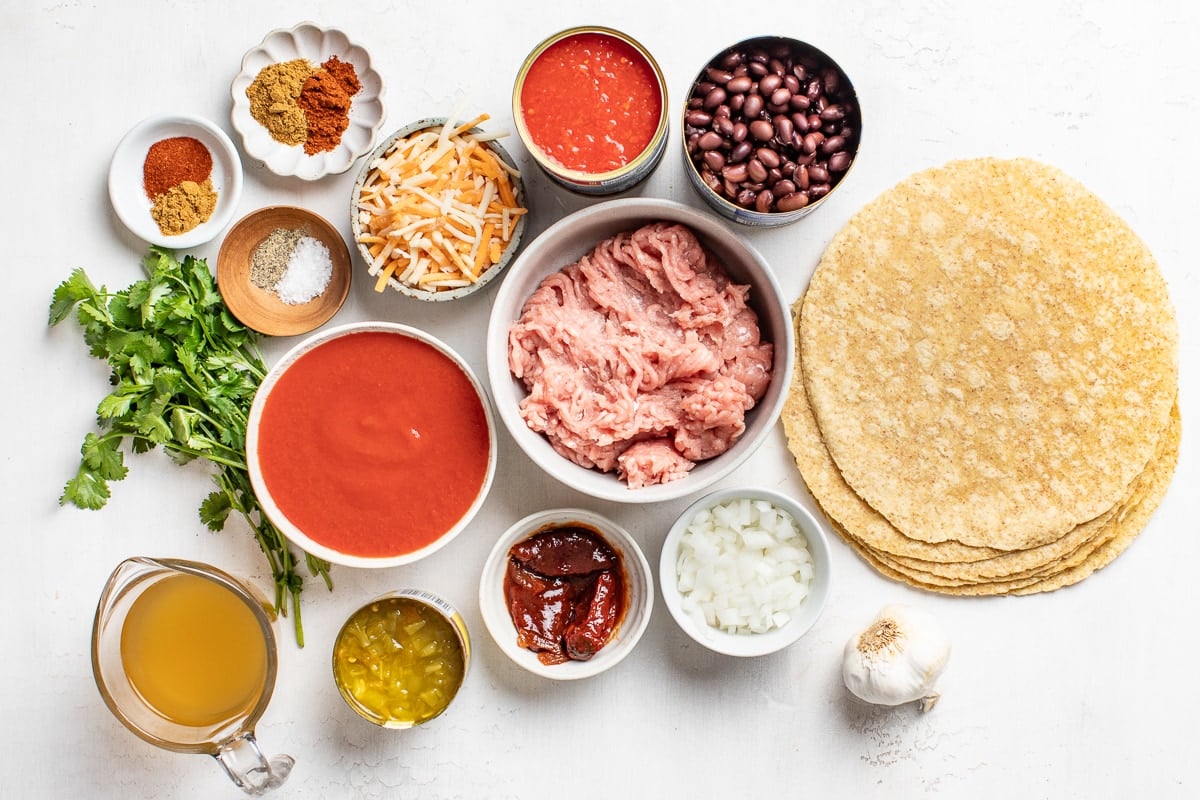
This specific recipe for Turkey and Black Bean Enchiladas has been refined over more than a decade, proving that health-conscious modifications do not necessarily require the sacrifice of cultural authenticity or taste. By providing a template that allows for variations—such as the inclusion of diced bell peppers, onions, or different varieties of cheese—it encourages cooks to experiment while adhering to a fundamental, healthy framework.
Storage and Safety Recommendations
Proper storage is essential to maintaining the quality of the dish over several days. If the enchiladas are to be stored for later consumption, they should be kept in an airtight container in the refrigerator for no more than three to four days. For long-term storage, the enchiladas can be frozen; however, it is recommended to freeze them before the final baking stage to ensure the texture of the tortilla remains palatable upon reheating.
When reheating, oven temperatures should be kept moderate to prevent the cheese from drying out before the center of the enchilada is heated through. The inclusion of fresh garnishes, such as cilantro, scallions, or lime juice, is highly encouraged at the point of service. These additions not only provide a contrast in temperature and texture but also introduce a layer of acidity that balances the richness of the cheese and the savory notes of the turkey and bean filling.
Conclusion: The Future of Home-Style Nutritious Cooking
As modern households continue to navigate the demands of busy schedules and the rising cost of living, the value of the Turkey and Black Bean Enchilada as a culinary tool cannot be understated. It bridges the gap between traditional comfort food and modern nutritional standards. The dish stands as a testament to the fact that simple, ingredient-forward cooking can satisfy the requirements of a balanced diet while remaining accessible to the average home cook. Whether served as a standalone meal or accompanied by a side of brown rice or a fresh green salad, it remains a reliable, nutrient-dense, and cost-effective staple in the contemporary kitchen. Through the combination of readily available ingredients and straightforward preparation techniques, this dish demonstrates how classic culinary concepts can be adapted to serve the evolving health priorities of the 21st century.
