
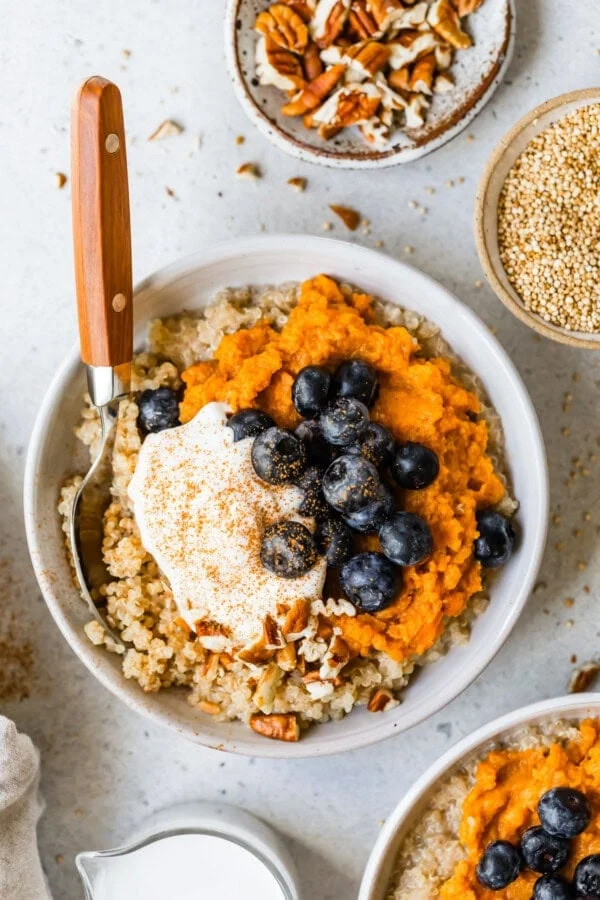
The modern culinary landscape has seen a significant shift toward the integration of superfoods into traditional breakfast menus, driven by a growing consumer demand for plant-based, fiber-rich, and energy-sustaining meals. Among the latest developments in this sector is the rise of the Sweet Potato Quinoa Breakfast Bowl, a dish that bridges the gap between dessert-like palatability and high-performance nutrition. By combining the complex carbohydrates of roasted sweet potatoes with the complete protein profile of quinoa, this dish has emerged as a staple for health-conscious consumers seeking to move beyond traditional grain-based morning meals like standard oatmeal or sugary cereals.
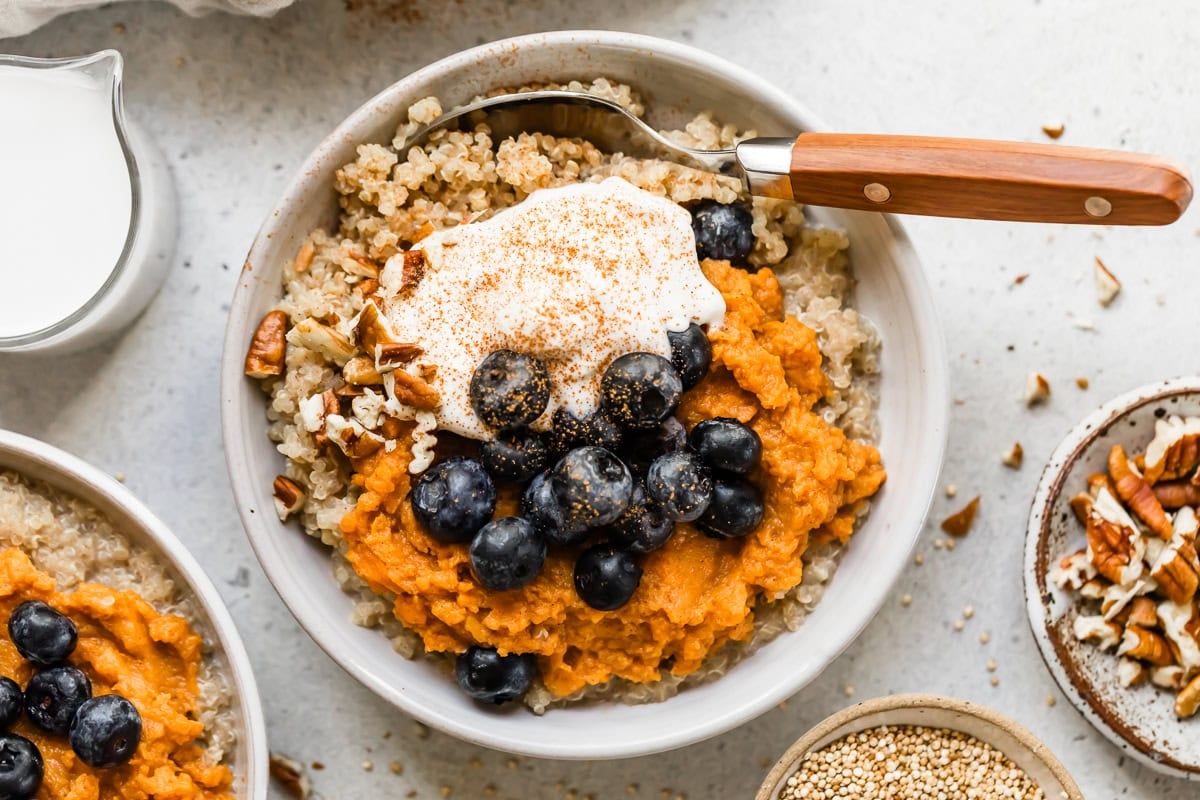
The Nutritional Profile of Quinoa and Sweet Potato
Quinoa, a pseudo-cereal native to the Andean region of South America, has long been recognized by global health organizations, including the Food and Agriculture Organization (FAO) of the United Nations, for its exceptional nutritional composition. Unlike many plant-based staples, quinoa contains all nine essential amino acids, making it a complete protein source. When paired with sweet potatoes—a staple crop known for high levels of beta-carotene, vitamin C, and potassium—the resulting breakfast bowl provides a sustained release of glucose into the bloodstream, preventing the rapid energy spikes and crashes often associated with high-glycemic morning meals.
Recent nutritional analysis indicates that a standard portion of this breakfast bowl offers approximately 9 grams of protein and 9 grams of dietary fiber. This combination is particularly effective in promoting satiety, which studies suggest may reduce the likelihood of mid-morning snacking and caloric overconsumption. The addition of coconut milk—often utilized in this preparation—introduces medium-chain triglycerides (MCTs), which are increasingly studied for their role in metabolic health and cognitive function.
Historical Context and Evolution of the Breakfast Bowl
The evolution of the breakfast bowl can be traced back to the mid-2010s, with the popularization of "superfood bowls" in urban centers across North America and Europe. Initially dominated by acai and smoothie-based concepts, the market eventually pivoted toward warm, savory, and grain-based alternatives as consumers sought year-round options that matched changing seasonal climates.
The Sweet Potato Quinoa bowl represents the maturation of this trend. While sweet potato pie has been a traditional North American comfort food, its deconstruction into a breakfast format reflects a broader food industry trend of "functional indulgence." Manufacturers and culinary experts are increasingly reformulating classic comfort flavors into nutrient-dense formats, acknowledging that consumers are unwilling to sacrifice flavor for health. This specific recipe, inspired by international travel, highlights how global culinary fusion—the blending of Latin American grains with Southeast Asian coconut influences—is defining contemporary domestic cooking.

Preparation and Chronology of the Dish
The preparation of the Sweet Potato Quinoa bowl is structured around efficiency and batch cooking, catering to the busy lifestyles of modern professionals. The process typically follows a three-stage chronology:
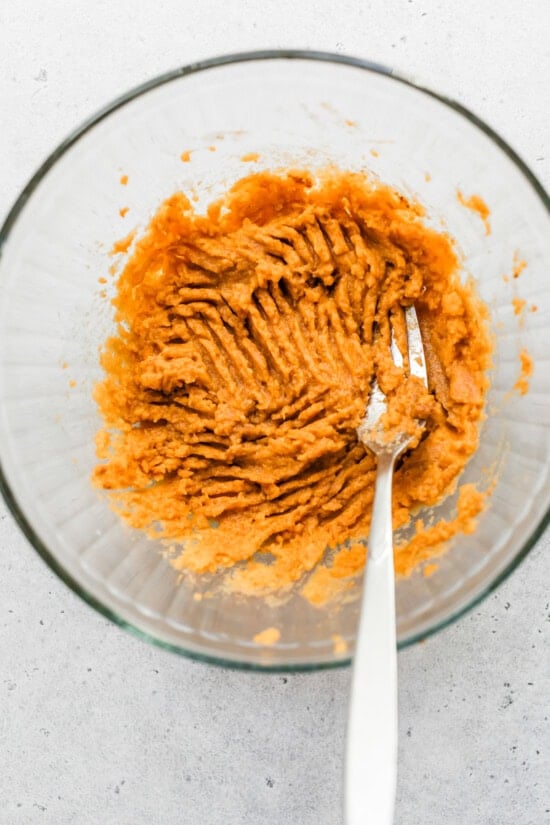
- Roasting Phase (0–30 minutes): Raw sweet potatoes are cubed and roasted, a process that caramelizes the natural sugars and enhances the vegetable’s texture. This step is essential for developing the deep, earthy flavor profile required to contrast with the nuttiness of the quinoa.
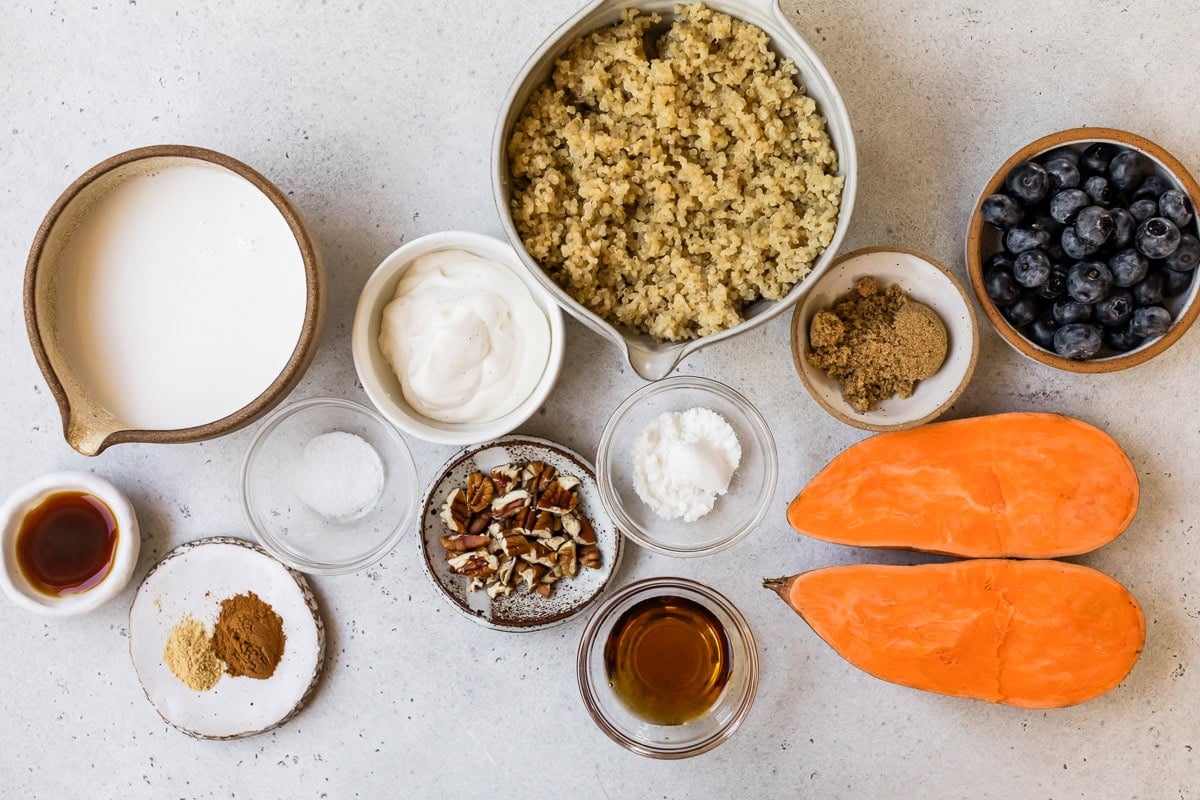
- Grain Infusion (15–20 minutes): The quinoa is simmered in a mixture of coconut milk, vanilla extract, and cinnamon. This stage serves to hydrate the grain while simultaneously infusing it with aromatic compounds that mask the grain’s natural saponins, ensuring a smooth, porridge-like consistency.
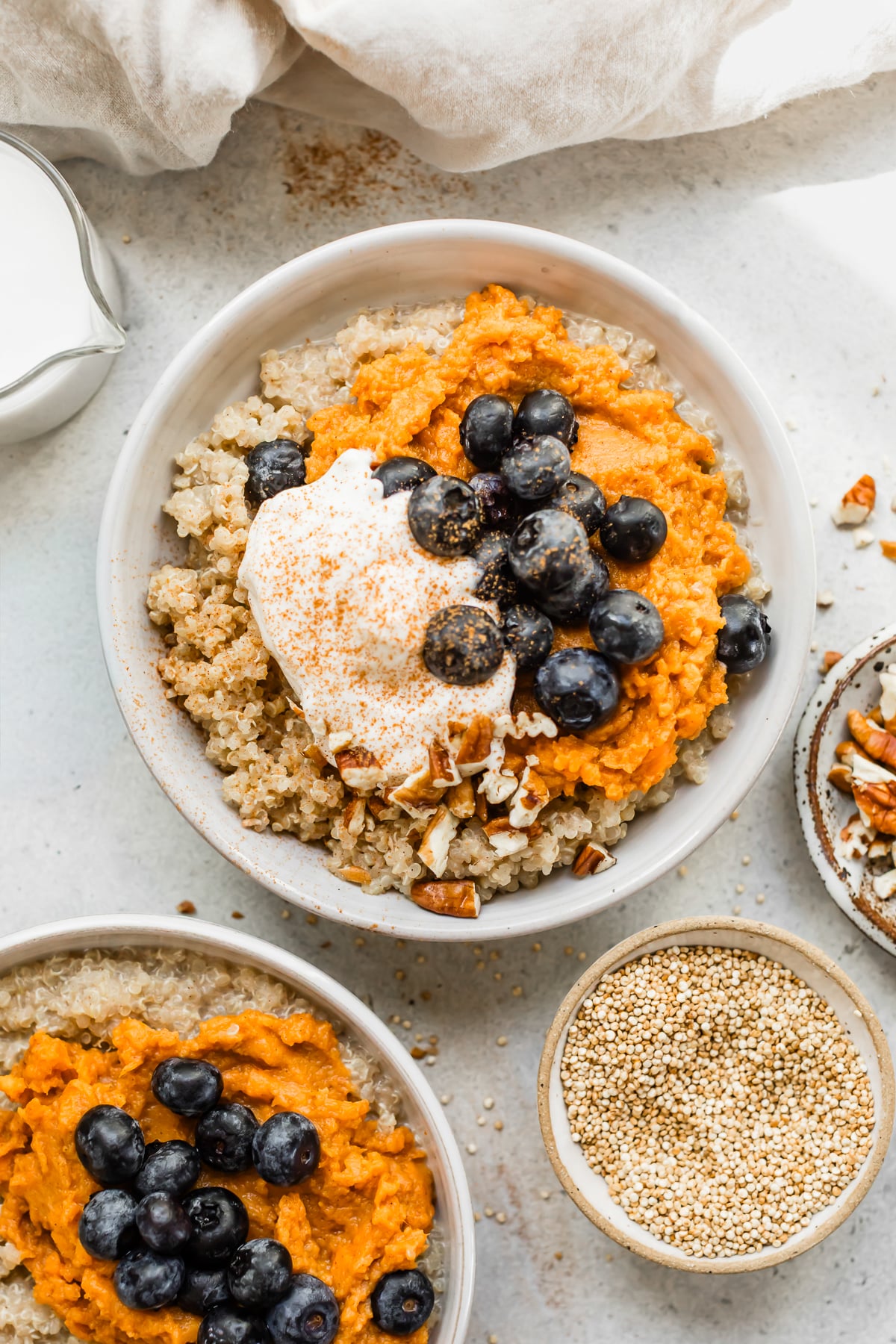
- Assembly and Garnish: The final stage involves the integration of fresh berries, pecans, and coconut-based toppings. This final step adds a necessary textural contrast—the "crunch" factor—which sensory analysis experts note is critical for perceived satisfaction in meal consumption.
Broader Economic and Health Implications
The emergence of such recipes has tangible implications for the retail grocery sector. Data from the health food industry shows a sustained 12% year-over-year increase in the sales of ancient grains like quinoa and nutrient-dense root vegetables. This shift in purchasing behavior has forced retailers to reconsider their breakfast aisles, moving away from high-sugar, highly processed options toward whole-food, versatile ingredients that can be prepared in various configurations.

Furthermore, the "make-ahead" potential of the Sweet Potato Quinoa bowl aligns with the growing "meal prep" movement. By allowing for up to four days of refrigeration, this dish addresses the primary barrier to healthy eating: time constraints. The ability to prepare a week’s worth of breakfasts in one session has been cited by health coaches and nutritionists as a primary driver for long-term adherence to balanced dietary habits.
Expert Perspectives on Dietary Integration
Nutritionists and dietitians have noted that the versatility of the quinoa bowl makes it an ideal vehicle for dietary customization. For individuals following vegan, gluten-free, or dairy-free protocols, the dish provides a robust framework that requires minimal modification.
"The beauty of this combination lies in its structural integrity," says Dr. Elena Vance, a food scientist specializing in plant-based nutrition. "By using the sweet potato as a base, you are inherently stabilizing the blood sugar response of the grain. When you add healthy fats like pecans or coconut, you are creating a trifecta of macronutrients—carbohydrates, proteins, and fats—that is the gold standard for a morning meal."
Moreover, the use of alternatives such as coconut milk powder—which reduces fat content while maintaining the creamy mouthfeel—demonstrates a sophisticated understanding of ingredient substitution. This allows for a lower caloric density without sacrificing the luxury of the dining experience, a key objective in current culinary product development.

Sustainability and Future Outlook
From a sustainability standpoint, the Sweet Potato Quinoa bowl is highly efficient. Both quinoa and sweet potatoes are resilient crops that require less water and fewer inputs than many animal-based protein sources. As global water scarcity becomes a more pressing concern for agricultural policy, the shift toward crops that provide high nutritional yields per liter of water is expected to continue.
Looking forward, the popularity of such bowls is likely to influence institutional food services, including corporate cafeterias and university dining halls, which are under pressure to provide healthier, plant-forward options. The scalability of the recipe—from a single home kitchen to mass-production facilities—suggests that this dish is not merely a passing trend but a reflection of a permanent shift in how society defines a functional, satisfying breakfast.
Conclusion: A Synthesis of Flavor and Function
The Sweet Potato Quinoa Breakfast Bowl stands as a testament to the power of culinary innovation in promoting public health. By synthesizing the convenience of modern meal prep with the nutritional density of ancestral staples, it offers a sustainable solution to the "breakfast dilemma." As consumers continue to prioritize health-span and metabolic wellness, the integration of these versatile, nutrient-dense ingredients will likely remain a hallmark of modern nutritional science and home gastronomy. Whether consumed for its flavor profile, its convenience, or its health benefits, the dish represents a balanced approach to modern living, proving that health-conscious choices can indeed be both indulgent and satisfying.
