
The Evolution of the Kentucky Hot Brown
The origins of the Kentucky Hot Brown date back to 1926, when it was created by Fred K. Schmidt at the Brown Hotel in Louisville, Kentucky. Initially conceived as a late-night alternative to the traditional ham and egg dishes served at the time, the original Hot Brown consisted of a slice of white bread topped with turkey, bacon, and a decadent Mornay sauce, all broiled until bubbly and golden. Over the past century, the sandwich has transitioned from a localized Louisville delicacy into a symbol of Southern hospitality and Kentucky Derby culture.
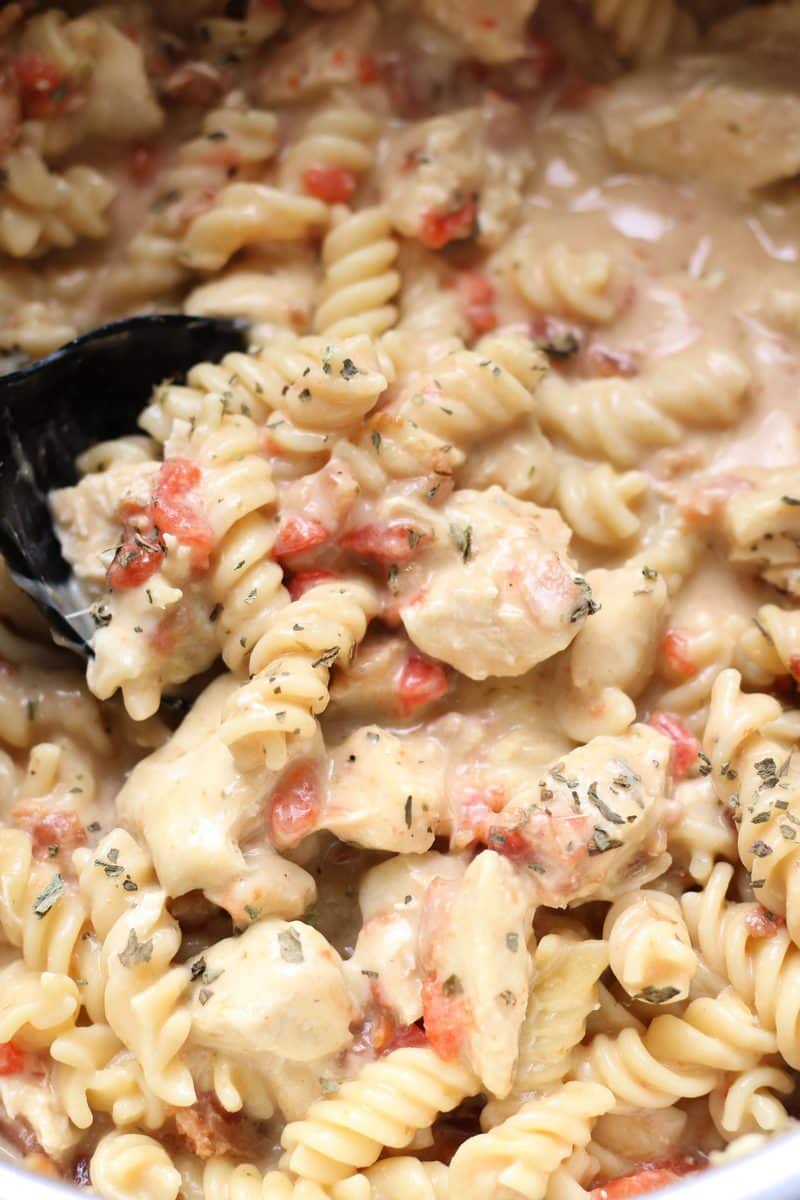
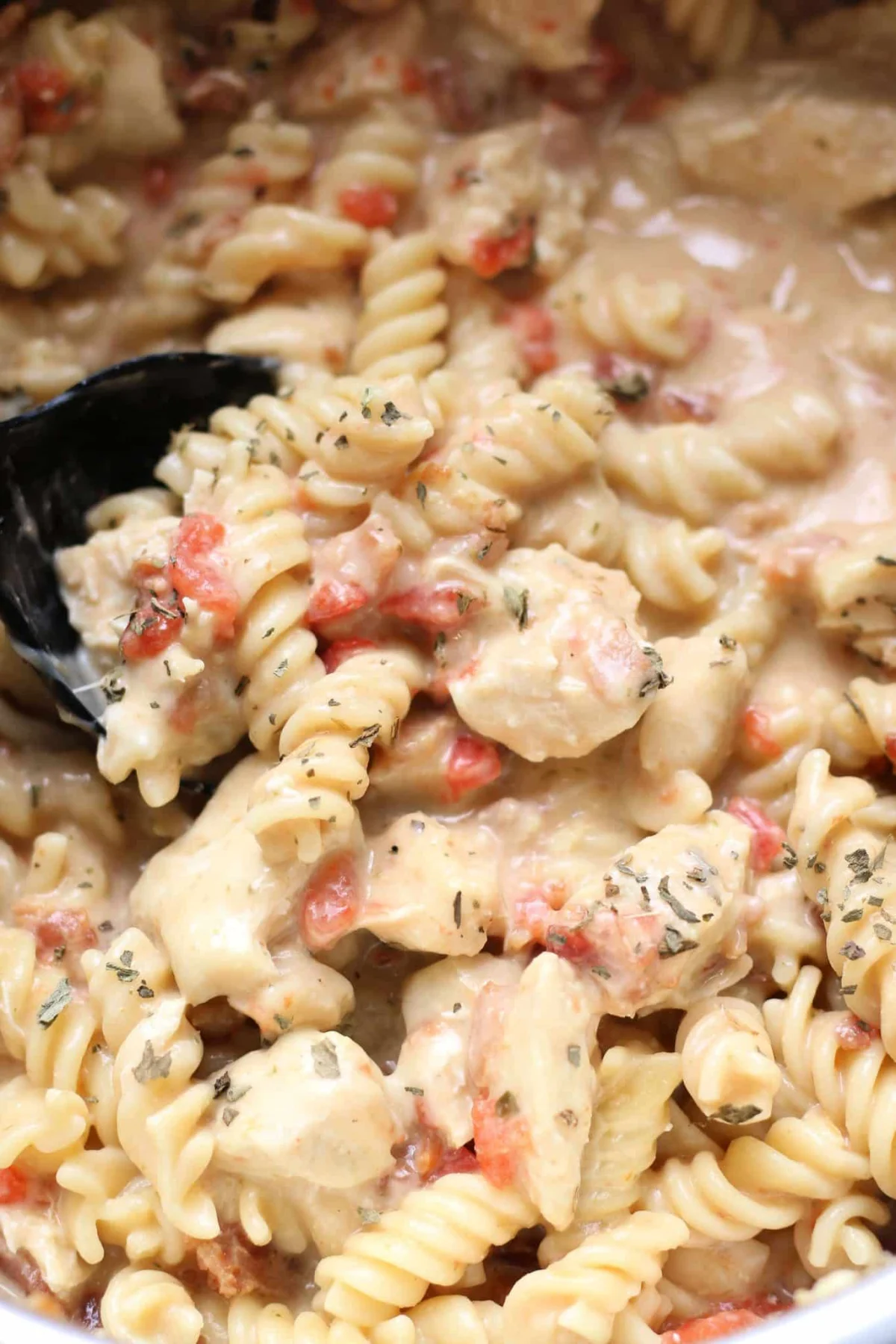
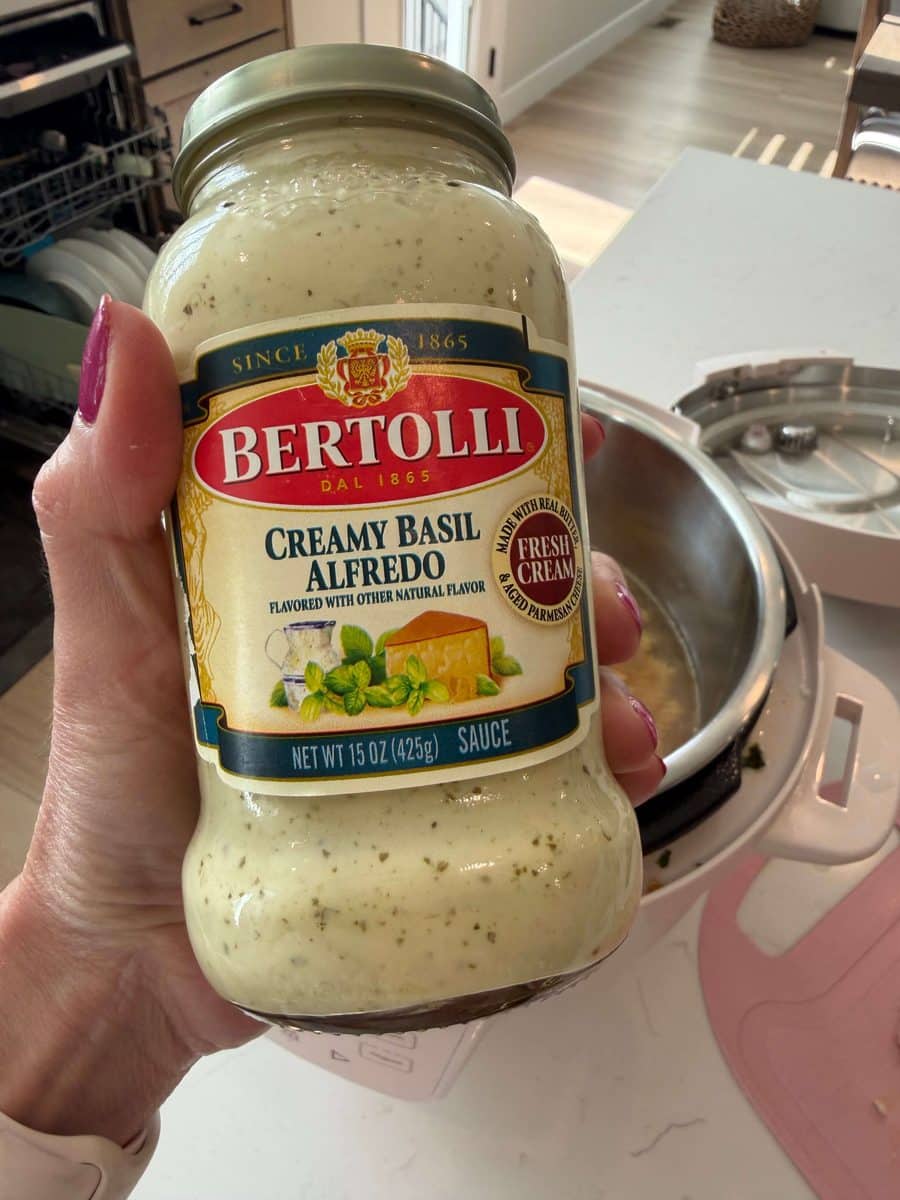
The "Dump and Bake" adaptation represents a significant departure from the laborious preparation of a classic Mornay sauce—a derivative of Béchamel that requires constant attention. By substituting store-bought or high-quality commercial Alfredo sauce, home cooks can achieve a similar mouthfeel and flavor profile with significantly reduced labor. The transformation into a casserole format allows for the incorporation of pasta, which serves as a vessel for the rich, cream-based sauce, effectively turning a sandwich into a hearty, one-pot dinner suitable for large groups.
Nutritional and Culinary Composition
The composition of this casserole centers on the balance between high-protein components and a carbohydrate base. The inclusion of rotini pasta provides a structured base that holds heavy sauces well due to its corkscrew shape. The addition of chicken, or traditionally turkey, introduces essential amino acids, while the inclusion of crispy bacon adds a necessary textural contrast and a salt-forward flavor profile that cuts through the richness of the Alfredo sauce.
From a nutritional standpoint, this dish is classified as a "comfort food," characterized by higher caloric density and significant fat content derived from the cream-based sauce and cured meats. However, its versatility allows for dietary modifications. Nutritional experts often suggest that home cooks can increase the micronutrient density of such dishes by adding sautéed vegetables, such as mushrooms, spinach, or peas, which complement the garlic-heavy profile of the Alfredo base. Furthermore, the substitution of lean white-meat poultry for higher-fat proteins can adjust the overall lipid profile of the meal without sacrificing the integrity of the dish’s flavor.
Methodology: Instant Pot vs. Traditional Baking
The technological integration of the Instant Pot (a multi-cooker) into this recipe has changed the preparation timeline significantly. Traditional oven-baked casseroles often require 45 to 60 minutes of cook time to ensure the pasta is tender and the flavors have melded. In contrast, the pressure-cooking method reduces the active cook time to approximately three minutes, followed by a necessary pressure-release interval.

The chronology of the preparation is as follows:
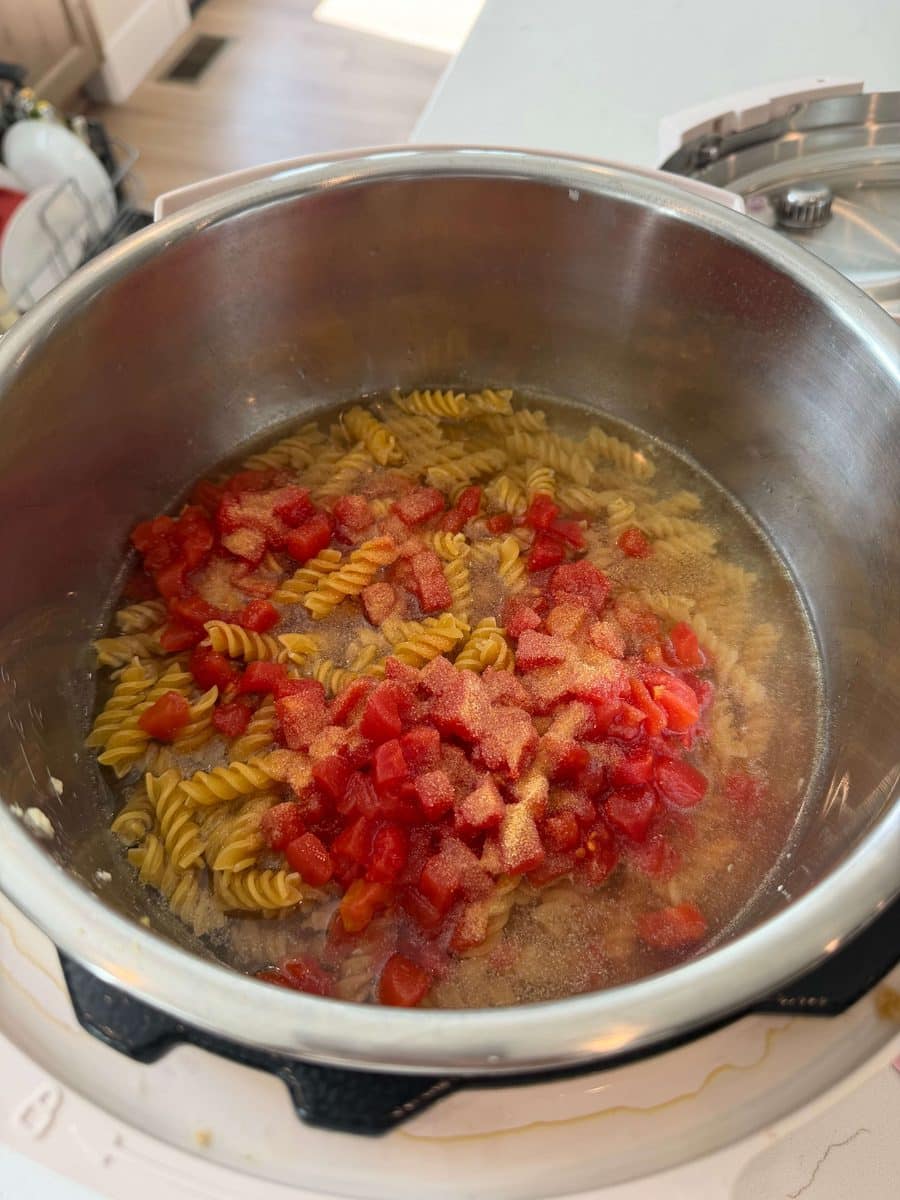
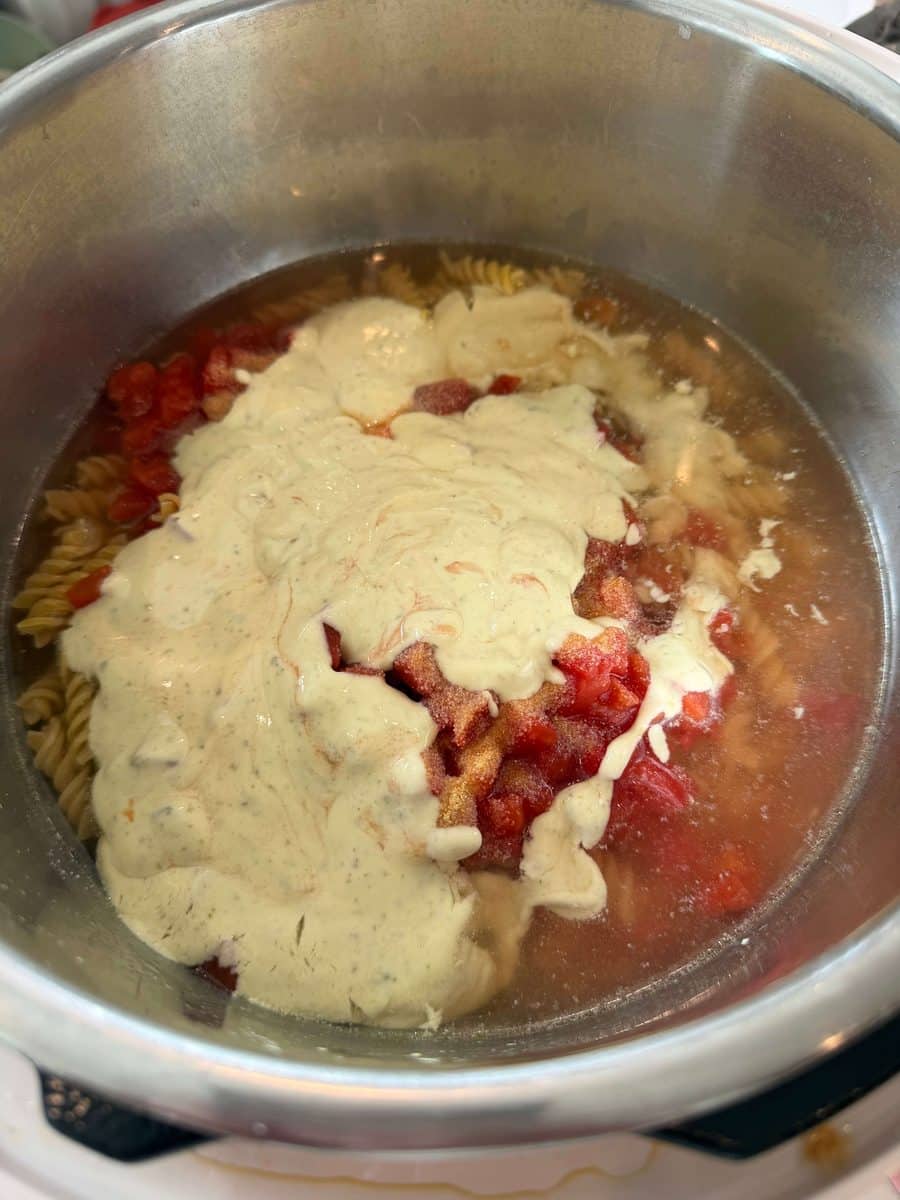
- Preparation and Layering: The cook begins by placing broth into the vessel, followed by the dry rotini and garlic powder. This is a critical step, as the liquid-to-pasta ratio is the primary determinant of the final consistency.
- The "Dump" Phase: The tomatoes and Alfredo sauce are added without stirring. This technique, often referred to as "layering," prevents the sauce from scorching at the bottom of the vessel during the initial pressure-building phase.
- Pressure Cycling: After securing the lid and setting the device to a three-minute high-pressure cycle, the dish undergoes rapid hydration. A five-minute natural release is recommended to ensure the pasta reaches an "al dente" texture without becoming overly soft.
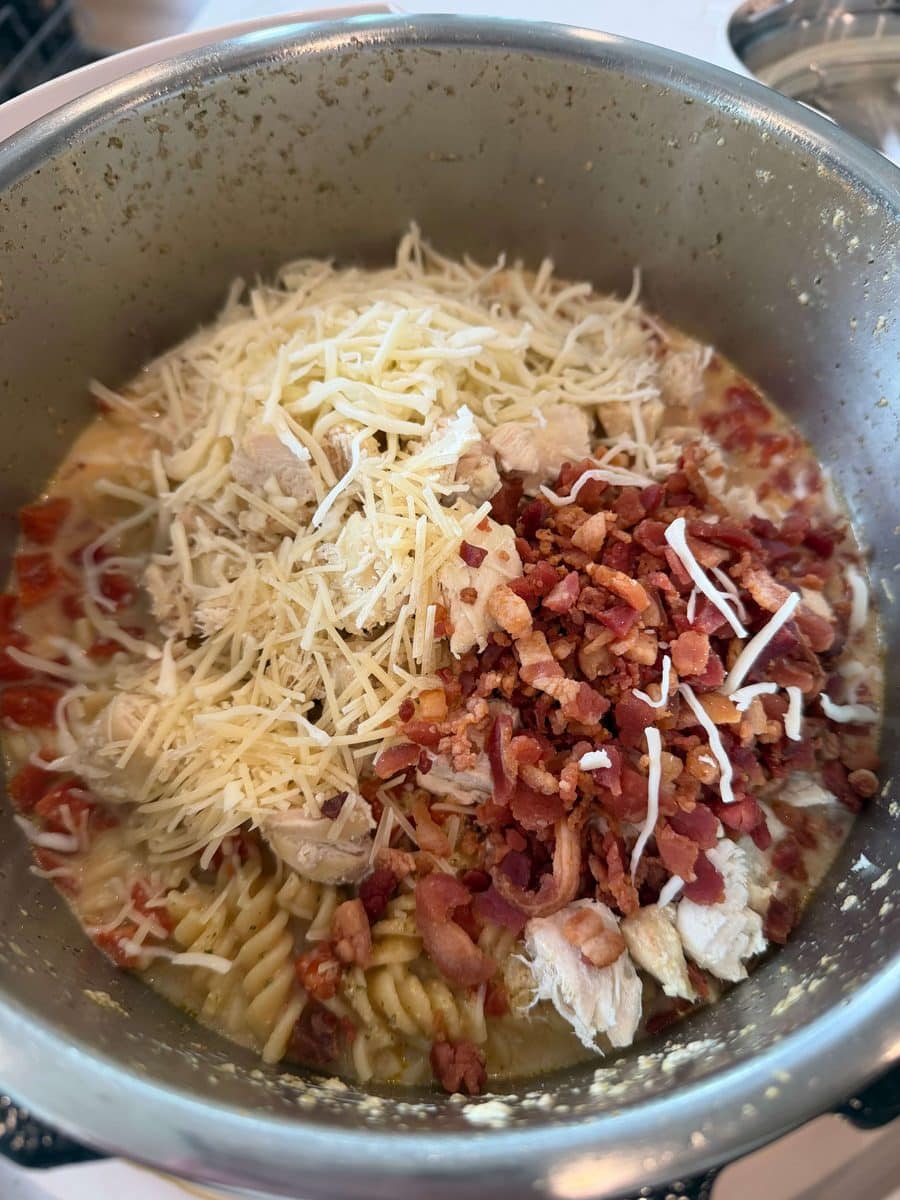
- Integration: The final stage involves folding in the pre-cooked chicken, bacon, and cheeses (parmesan and mozzarella). This preserves the integrity of the proteins, which would otherwise become stringy or rubbery if subjected to high-pressure heat for an extended duration.
Broader Culinary Implications
The rise of the "Dump and Bake" genre in home cooking reflects a broader socio-economic trend toward efficiency. As dual-income households and busy schedules become the norm, the demand for recipes that minimize prep time and cleanup has surged. The Kentucky Hot Brown Casserole serves as a case study for this trend: it takes a complex, multi-step historical dish and distills it into a format that fits the "instant" culture of the 21st-century kitchen.
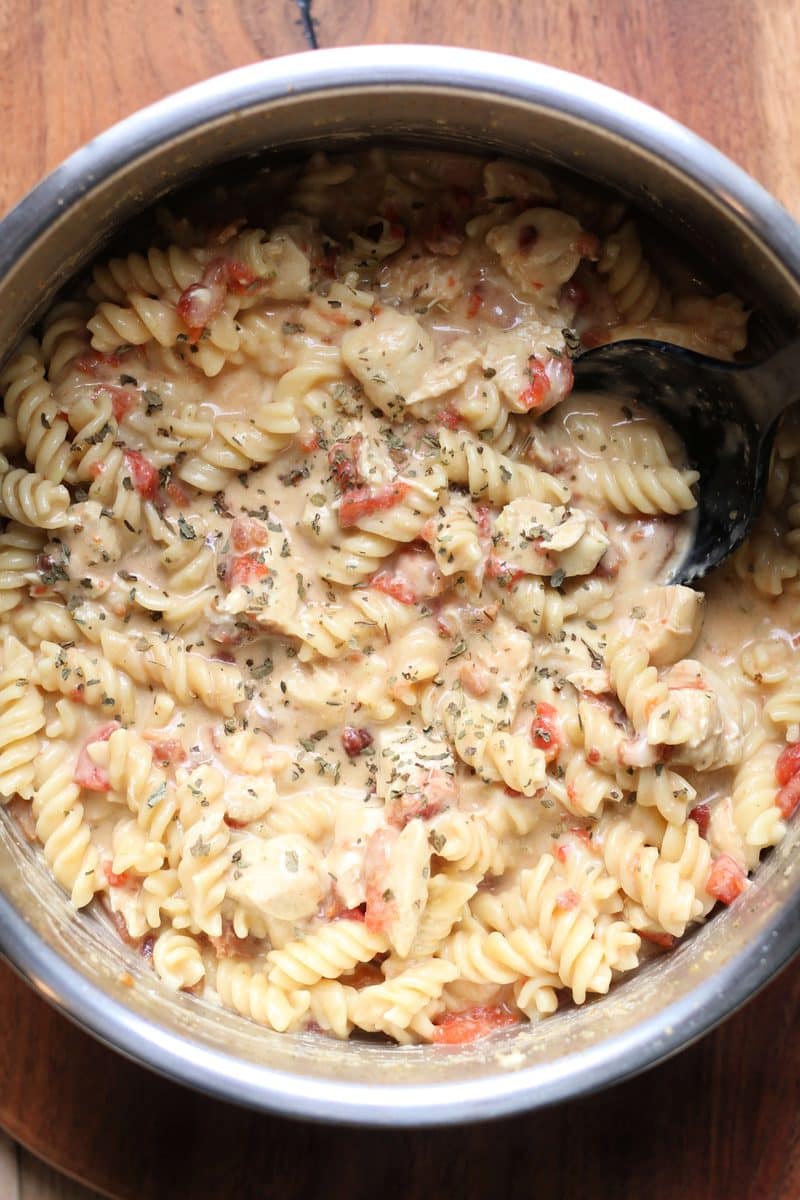
Culinary historians note that while this adaptation may lack the "broiled-to-perfection" crust of the original hotel-style sandwich, it succeeds in democratizing the recipe. By simplifying the ingredients, the dish becomes accessible to novice cooks and those with limited time, ensuring that the legacy of the Kentucky Hot Brown continues to evolve rather than stagnating in formal dining rooms.
Future Adaptations and Variations
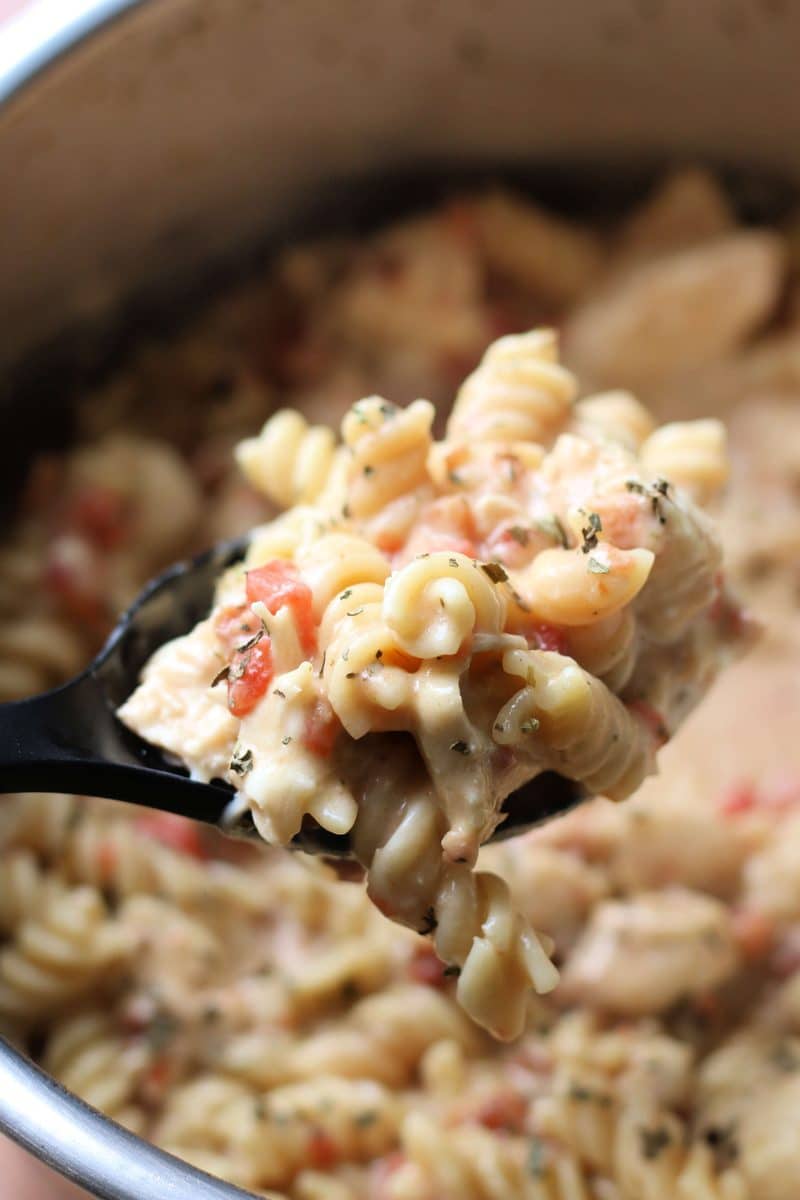
Analysis of current food blogging trends suggests that the future of this dish lies in personalization. Because the recipe acts as a blank canvas, many cooks are experimenting with regional twists. For instance, some variations incorporate sun-dried tomatoes to provide a tangy acidity that contrasts with the heavy cream, while others replace the traditional bacon with pancetta or smoked turkey to alter the smokiness of the dish.
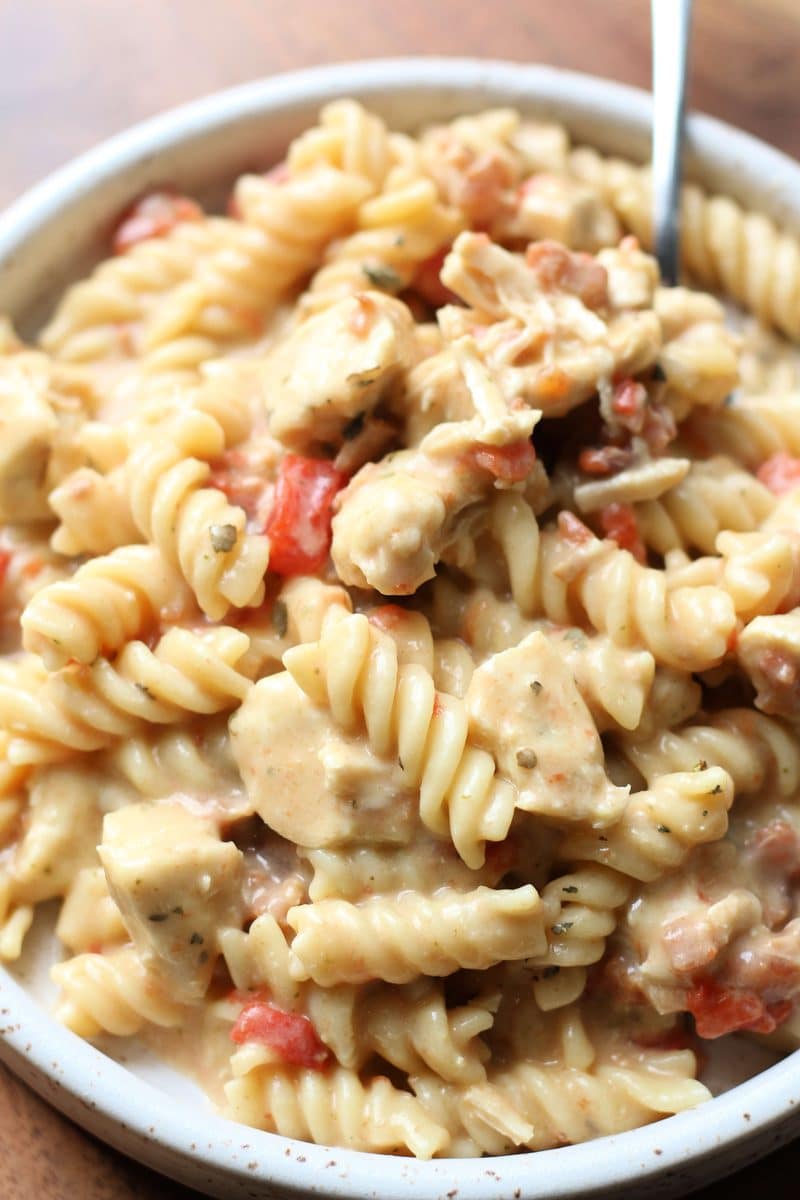
Furthermore, the integration of fresh herbs—specifically basil or parsley—has become a standard recommendation to brighten the palate. As consumers become more conscious of ingredient sourcing, there is a visible shift toward using artisanal Alfredo sauces or homemade alternatives that avoid the preservatives found in some mass-market options.

Conclusion
The Kentucky Hot Brown Casserole, whether prepared in an Instant Pot or a traditional oven, stands as a testament to the adaptability of classic American cuisine. By merging the historical significance of a Kentucky staple with the efficiency of modern technology, it provides a functional, reliable solution for the modern family. While it may differ in presentation from the original 1926 creation, it successfully captures the spirit of the dish—providing a rich, comforting, and quintessentially Southern dining experience that can be replicated in any home kitchen. As culinary technology continues to advance, the methods for preparing such dishes will likely become even more streamlined, ensuring that these classic flavor profiles remain a permanent fixture in the American diet.
