
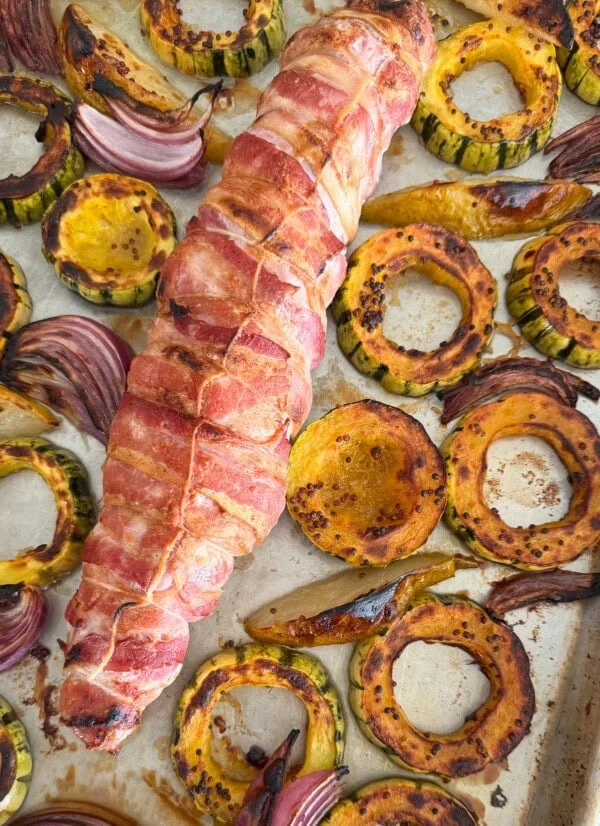
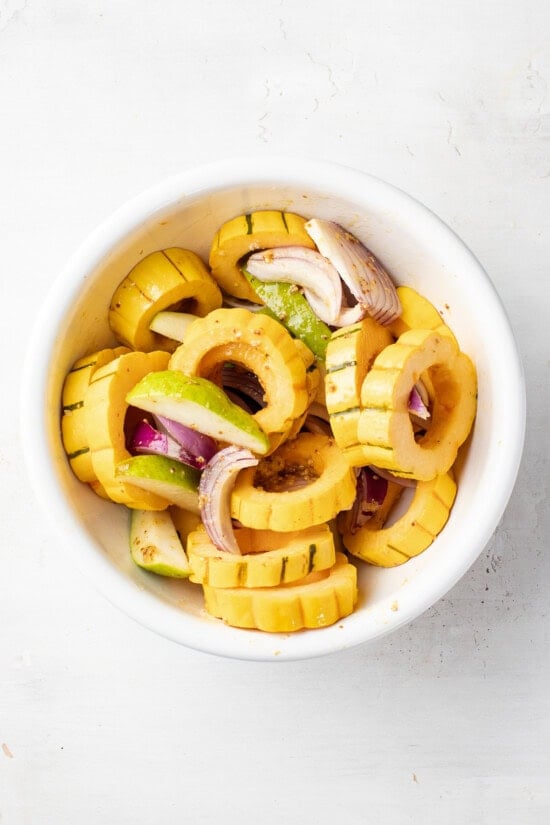
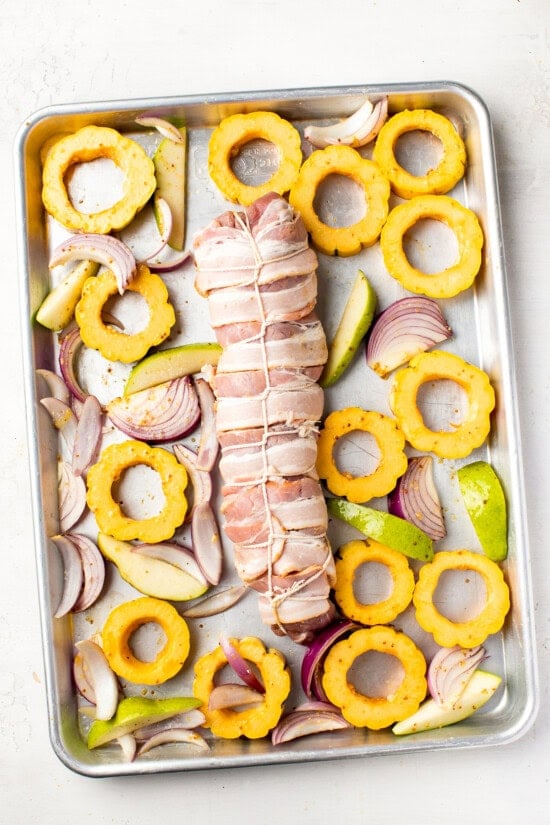
The culinary methodology behind this dish relies on the principle of controlled moisture retention. By wrapping the pork tenderloin in bacon, the cook creates a self-basting mechanism. As the bacon renders, its fat infiltrates the lean pork muscle, which typically lacks internal marbling. This process prevents the tenderloin from reaching the dry, fibrous state often associated with lean cuts of meat when exposed to dry oven heat. Simultaneously, the inclusion of delicata squash and pears on the same tray facilitates a communal roasting process where the rendered bacon fat coats the vegetables, enhancing their natural caramelization through the Maillard reaction.
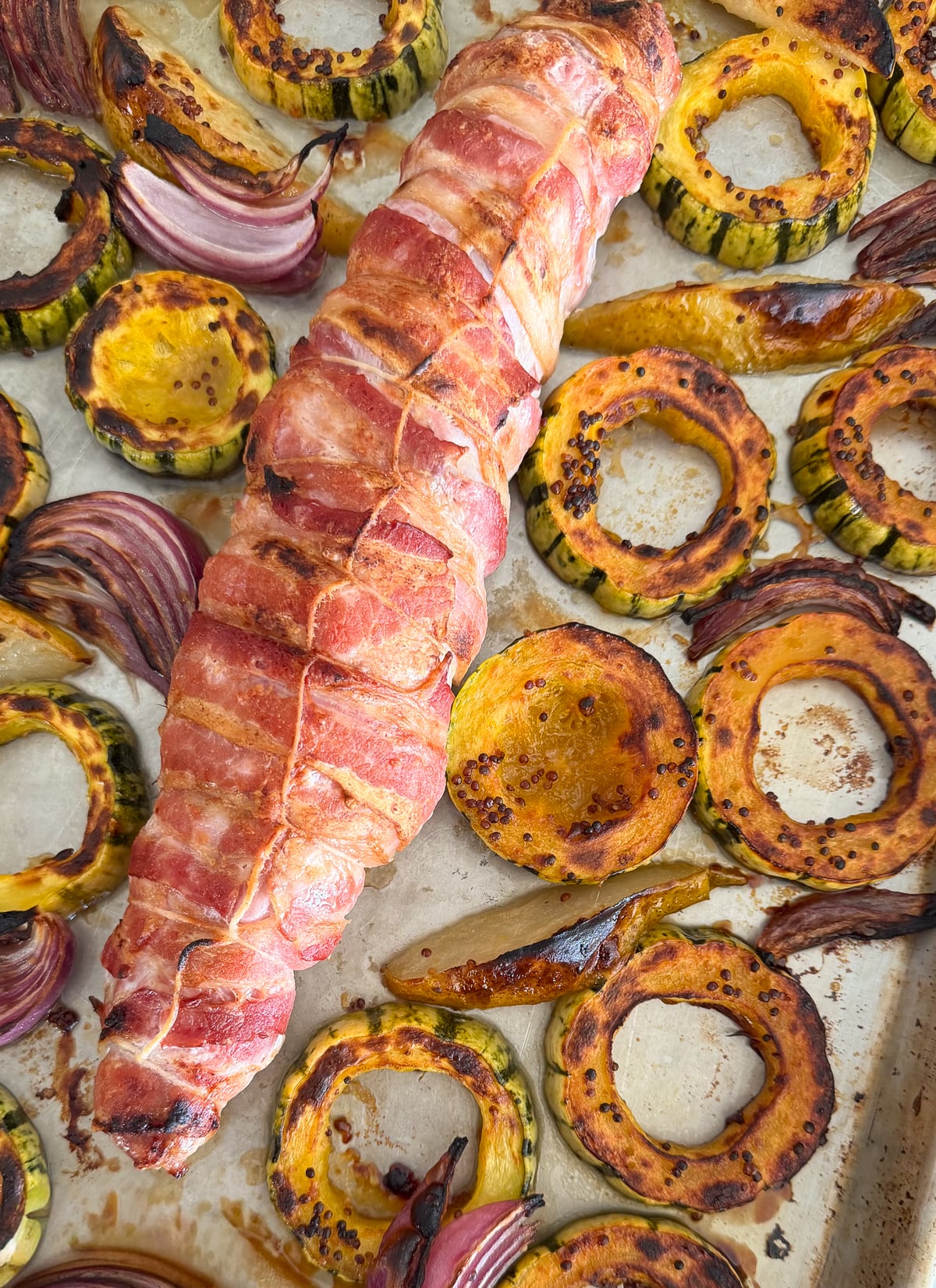
Chronological Development of Sheet-Pan Cuisine
The rise of the sheet-pan dinner format can be traced back to the early 2010s, emerging as a response to the increasing time constraints faced by working professionals and families. Culinary historians and food analysts suggest that this trend gained significant momentum during the mid-2010s as home cooking influencers—such as those behind platforms like Skinnytaste—began optimizing traditional recipes to fit onto a single standard 13-by-18-inch baking sheet.
Historically, the pork tenderloin was considered a "special occasion" cut due to its delicate texture and high cost-to-weight ratio. However, as supply chain efficiencies in the agricultural sector lowered the cost of premium pork cuts, the tenderloin became more accessible. The transition from complex braising or roasting techniques to the simplified sheet-pan model reflects a broader shift in consumer behavior: the prioritization of nutrient density and cleanup efficiency without sacrificing the aesthetic or gustatory quality of the meal.

Nutritional Profile and Dietary Implications
A standard serving of this dish—calculated at approximately 384 calories—provides a significant protein-to-fat ratio that appeals to those following balanced, macronutrient-focused diets. With 34 grams of protein per serving, the dish serves as an effective muscle-maintenance meal. The inclusion of delicata squash is particularly noteworthy from a nutritional standpoint. Unlike many other winter squashes that require peeling, the skin of the delicata is thin and edible, contributing to a fiber content of 5.5 grams per serving.
From a biochemical perspective, the combination of whole-grain mustard and maple syrup creates a glaze that serves both a culinary and a functional purpose. The acetic acid in the mustard acts as a tenderizer for the pork, while the sugars in the maple syrup provide the necessary compounds for the caramelization of the onions and pears. This interplay of acidity and sweetness is a cornerstone of modern fusion cooking, ensuring the palate remains engaged throughout the meal.

Analysis of Ingredient Synergy
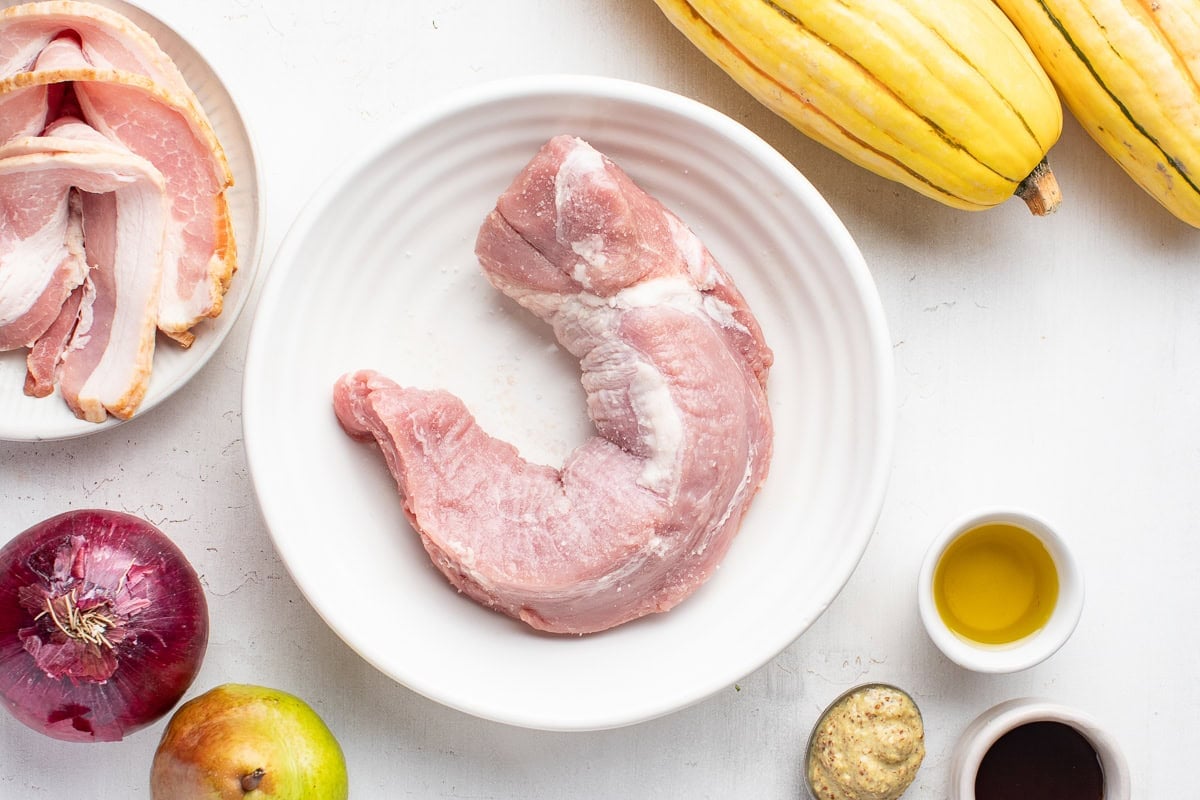
The selection of ingredients in this recipe is not arbitrary but follows a specific logic of complementary flavor profiles:
- Pork Tenderloin: The base protein, selected for its mild flavor and lean composition.
- Bacon: Acts as a fat-delivery system, ensuring the tenderloin remains succulent.
- Delicata Squash: Chosen for its rapid cooking time compared to harder squashes like butternut or acorn, making it ideal for a 25-minute oven cycle.
- Pears: Provide a high water content and natural fructose, which deglazes the pan as they roast, creating a natural reduction sauce.
- Whole-Grain Mustard: Provides the textural contrast and sharp, piquant notes required to cut through the richness of the bacon.
Food scientists emphasize that the order of ingredient placement is critical. Because the tenderloin requires a higher internal temperature than the produce to be considered safe for consumption (usually 145°F or 63°C), the vegetables are often arranged in a way that allows them to receive even heat distribution without burning, while the meat sits centrally to benefit from the direct convection of the oven.
Practical Implementation and Culinary Best Practices
For the home cook, the transition to sheet-pan cooking requires a rudimentary understanding of thermal dynamics. Overcrowding the pan is the most common failure point, as it causes the ingredients to steam rather than roast, preventing the necessary caramelization. By ensuring adequate spacing, the air circulation within the oven can effectively crisp the bacon while softening the squash.
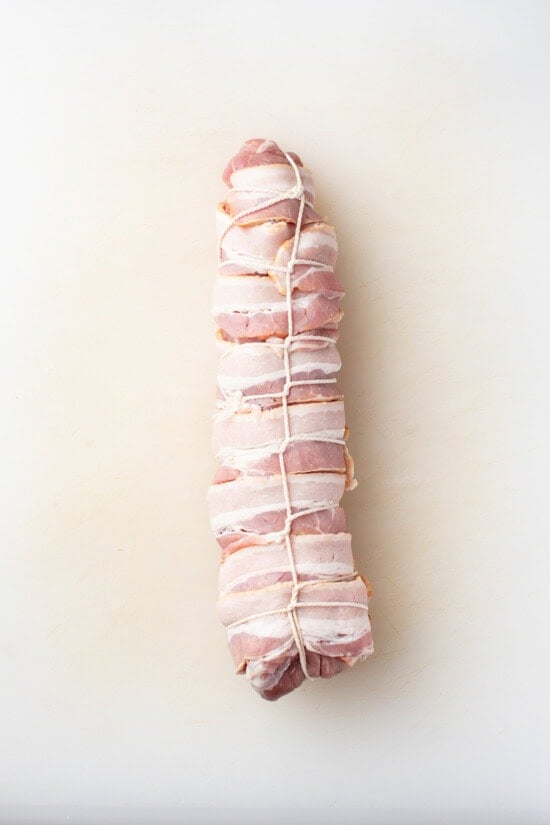
The use of kitchen twine to secure the bacon is a recommended technique for structural integrity. In a professional setting, the bacon is often cross-hatched or tightly wound to ensure that the exterior provides a uniform crust. If twine is unavailable, the application of toothpicks serves as an effective, if less aesthetic, alternative. This attention to mechanical detail ensures that the dish remains intact during the roasting process, maintaining the integrity of the bacon-to-pork ratio.
Broader Impact on Home Cooking Trends
The popularization of recipes like the Bacon-Wrapped Pork Tenderloin signals a move toward "low-friction" cooking. As data from recent culinary surveys indicate, consumers are increasingly seeking recipes that require fewer than 20 minutes of active prep time. This dish fits that criterion perfectly, with an average prep time of 15 minutes.
Furthermore, the recipe’s versatility allows for a degree of "kitchen improvisation" that resonates with modern food culture. Variations—such as swapping the maple syrup for honey, or replacing pears with apples or parsnips—allow the dish to remain a staple throughout the autumn and winter seasons. This flexibility is a key driver in the longevity of such recipes; they are not static instructions but modular templates that can be adjusted based on local market availability.
Challenges and Considerations
While the dish is widely accessible, there are specific considerations regarding food safety and preparation. The primary challenge remains the temperature variance between the pork and the produce. If the tenderloin is particularly thick, the exterior bacon may char before the interior reaches the desired temperature. Chefs often recommend allowing the meat to reach room temperature for 15 to 20 minutes before placing it in the oven, a process that encourages more uniform cooking.
Additionally, for those managing sodium intake, the inclusion of bacon—a cured product—can lead to a higher-than-average sodium content. As noted in the nutritional breakdown, the current iteration contains approximately 795 mg of sodium per serving. Health advocates suggest that individuals with specific dietary restrictions might substitute turkey bacon or reduce the amount of cured pork to mitigate this, though it is acknowledged that such changes would alter the fat-rendering process and, consequently, the final flavor profile.
Conclusion
The Bacon-Wrapped Pork Tenderloin with Delicata Squash and Pears stands as a quintessential example of contemporary domestic gastronomy. It effectively bridges the gap between high-flavor dining and the logistical realities of the modern household. By leveraging seasonal produce and traditional roasting techniques, it provides a high-protein, nutritionally dense meal that minimizes waste and maximizes flavor. As the culinary landscape continues to favor efficient, sustainable, and wholesome preparation methods, it is likely that this sheet-pan approach will remain a foundational element of the home cook’s repertoire for the foreseeable future. The integration of technology—specifically the ability to share and iterate upon these recipes through digital platforms—ensures that such dishes remain dynamic, evolving alongside the tastes and requirements of the public.
