
The Rise of Slow-Cooker Efficiency in Modern Cuisine
In the contemporary culinary environment, the slow cooker—or crockpot—has evolved from a niche kitchen appliance into a central tool for meal planning. Data from kitchen appliance industry reports indicates that interest in set-it-and-forget-it cooking methods has surged by approximately 15% annually over the last five years. This shift is largely attributed to the increasing demands on dual-income households and the growing consumer preference for home-cooked meals that do not require extensive active monitoring or labor-intensive techniques like stovetop browning or constant stirring.
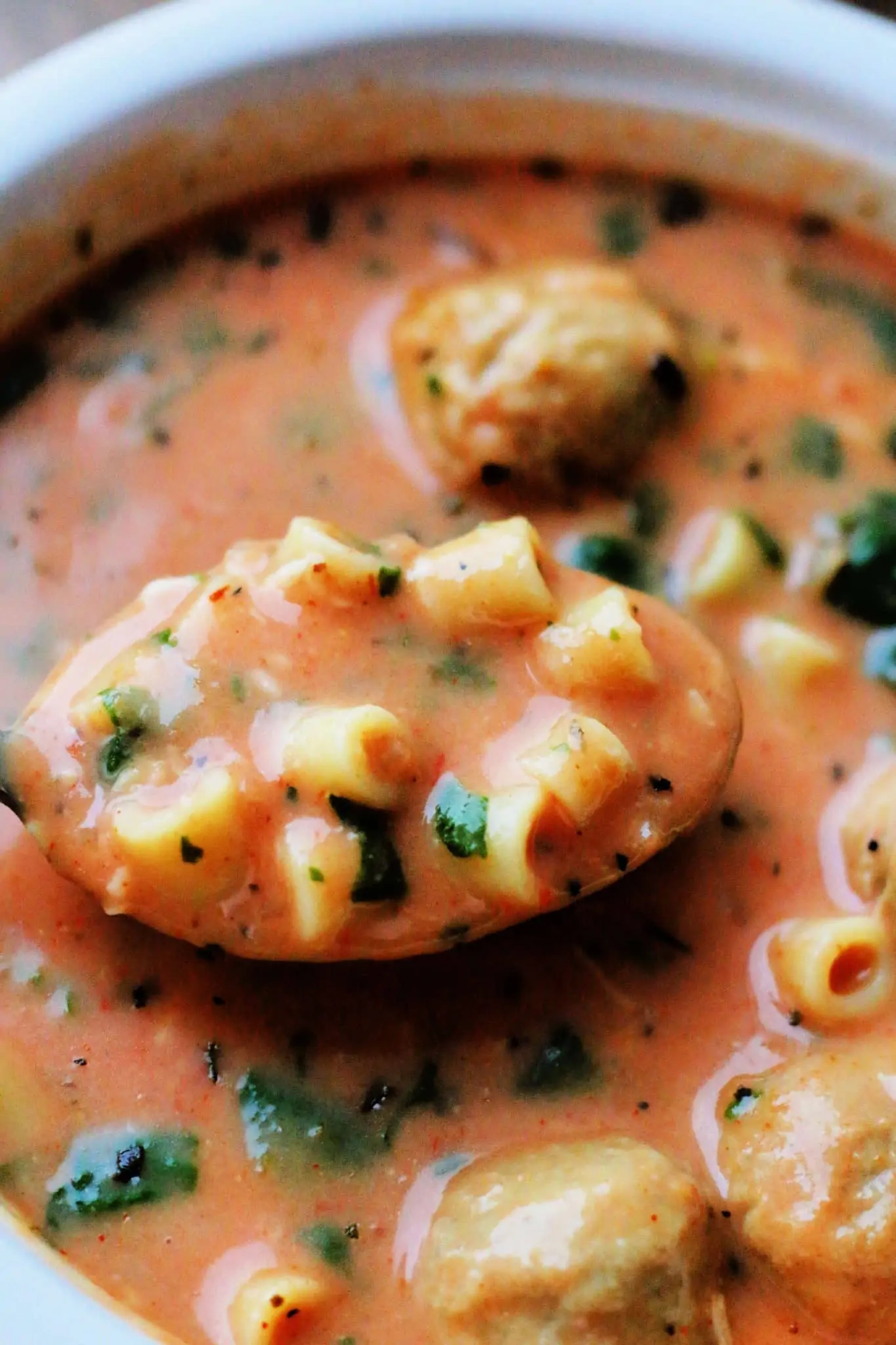
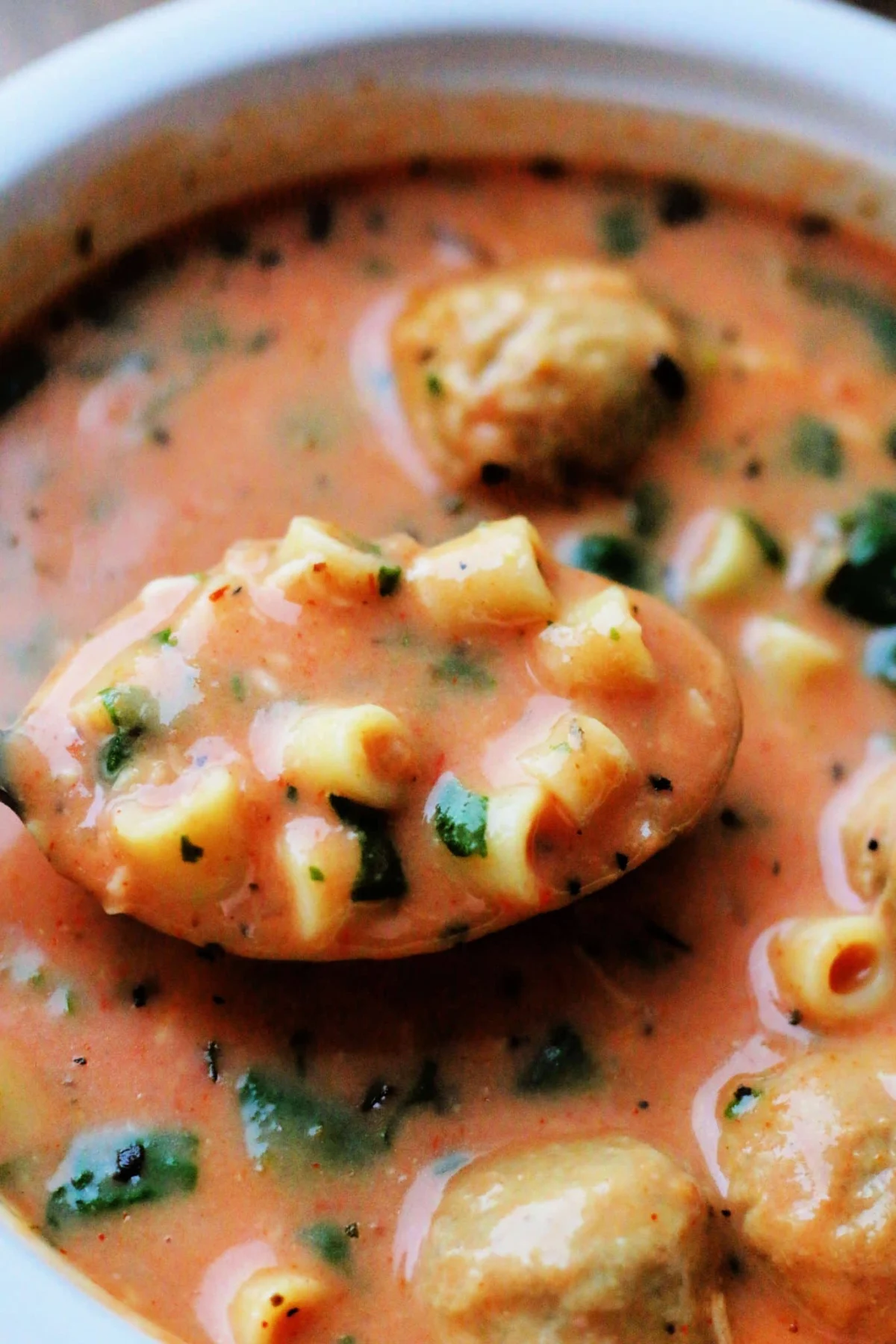
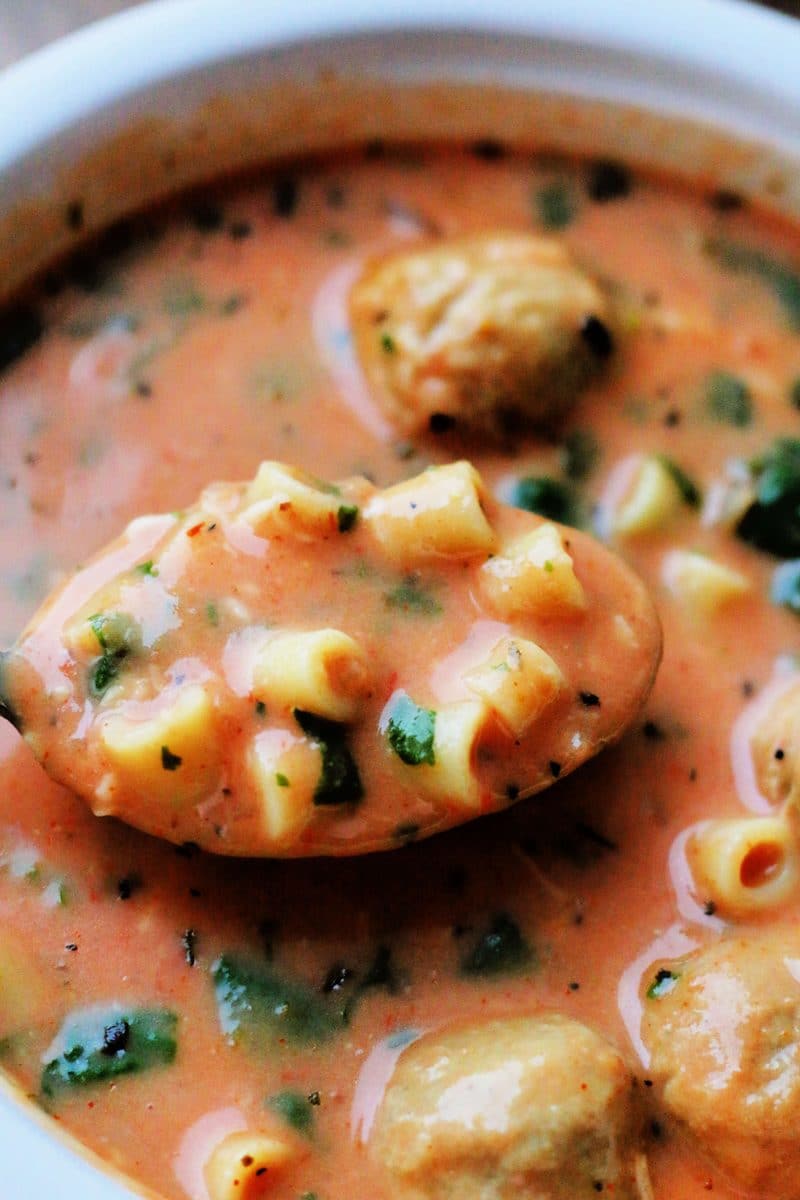
The Slow Cooker Cheesy Meatball Soup exemplifies this trend by eliminating traditional prep steps. By utilizing pre-prepared, frozen Italian meatballs, the recipe bypasses the need for high-heat searing, a process typically required to develop flavor and texture in meat. This reliance on frozen proteins as a base ingredient represents a broader movement in the food industry toward "semi-scratch" cooking, where convenience products are combined with fresh aromatics and herbs to create a cohesive, restaurant-quality result without the traditional time commitment.
Chronological Preparation Methodology
The preparation process is designed to maximize flavor extraction while minimizing user interaction. The following timeline outlines the standard preparation cycle for this dish:
Phase 1: Initial Integration (Minutes 0–5)
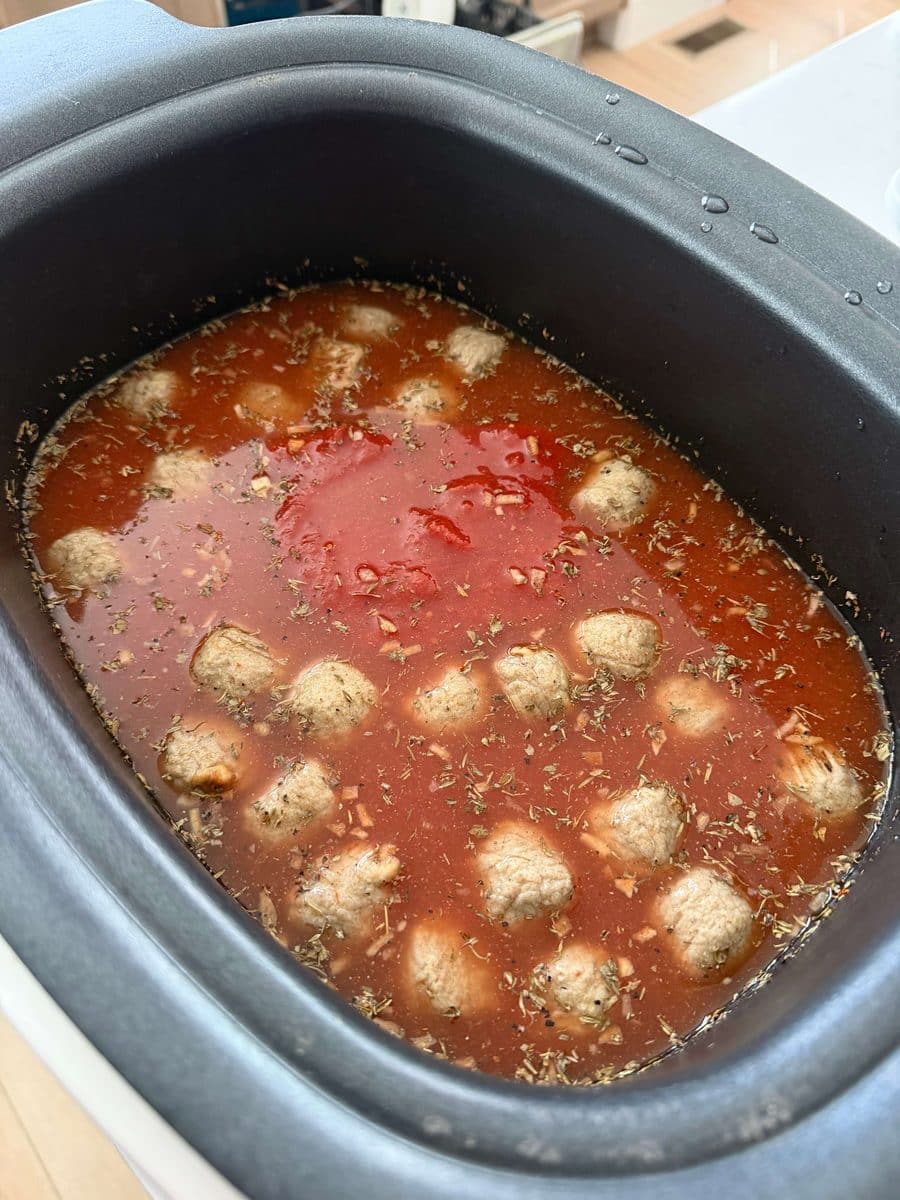
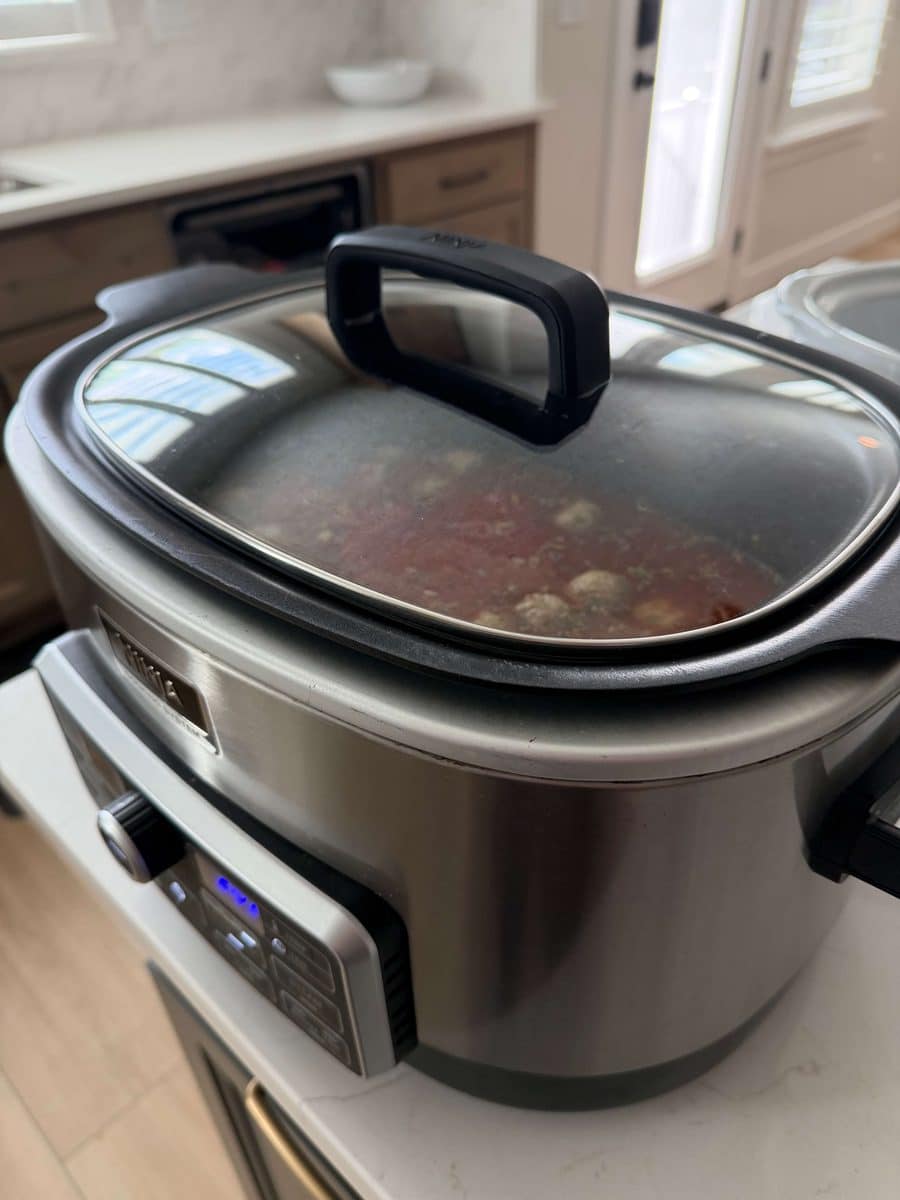
The process begins with the base assembly. A slow cooker vessel is populated with a combination of broth (typically beef or vegetable), crushed tomatoes, and a precise blend of seasonings, including garlic powder, onion powder, dried thyme, basil, black pepper, and paprika. The inclusion of tomato paste serves as a thickening agent, providing the necessary body for the broth. The frozen meatballs are added at this stage, allowing them to thaw and absorb the liquid’s aromatic profile during the initial heating cycle.
Phase 2: The Thermal Infusion (Hours 0–2)
The device is set to its high-heat setting. During this 90-to-120-minute window, the heat facilitates the slow breakdown of connective tissues in the meatballs and the infusion of herbs into the tomato-based liquid. Unlike traditional stovetop boiling, the gentle, consistent heat of the slow cooker ensures that the meatballs retain their structural integrity while releasing their fats and spices into the broth.
Phase 3: Texture and Pasta Integration (Minutes 120–135)
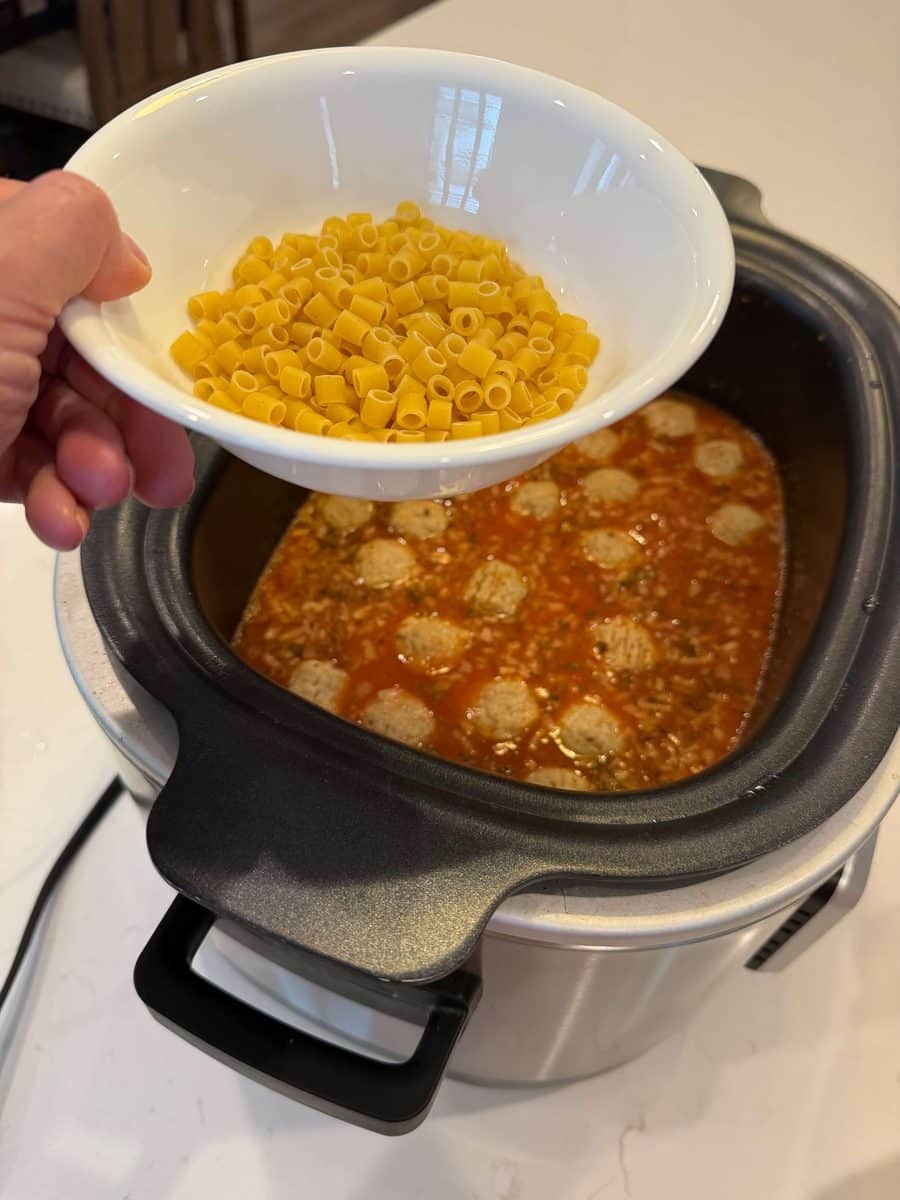
Once the initial phase is complete, ditalini pasta—a small, tubular Italian noodle—is added directly into the liquid. The selection of ditalini is intentional; its compact size allows for consistent distribution throughout the soup, ensuring that every spoonful contains a balanced ratio of pasta to meat. This step requires approximately 15 minutes of active cooking to reach an al dente state.
Phase 4: Tempering and Finishing (Minutes 135–150)
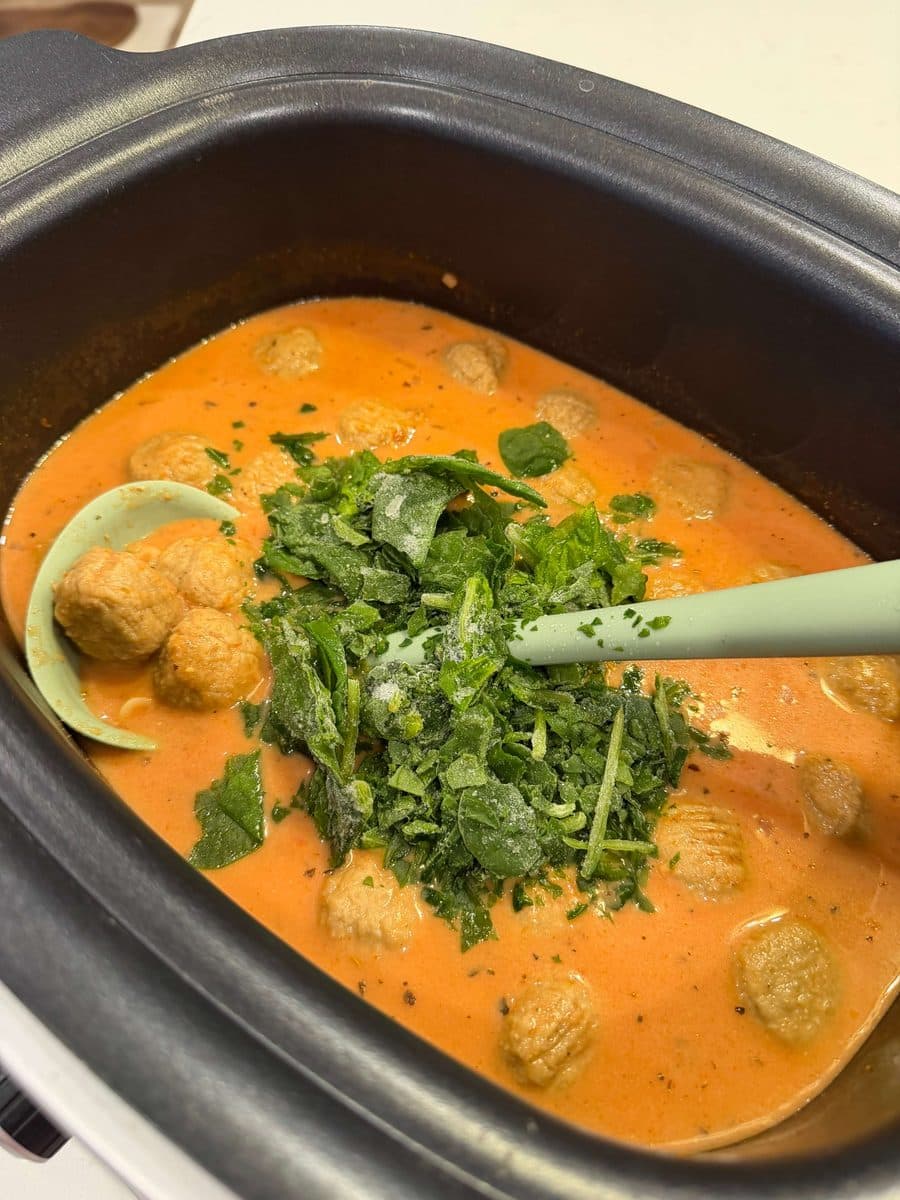
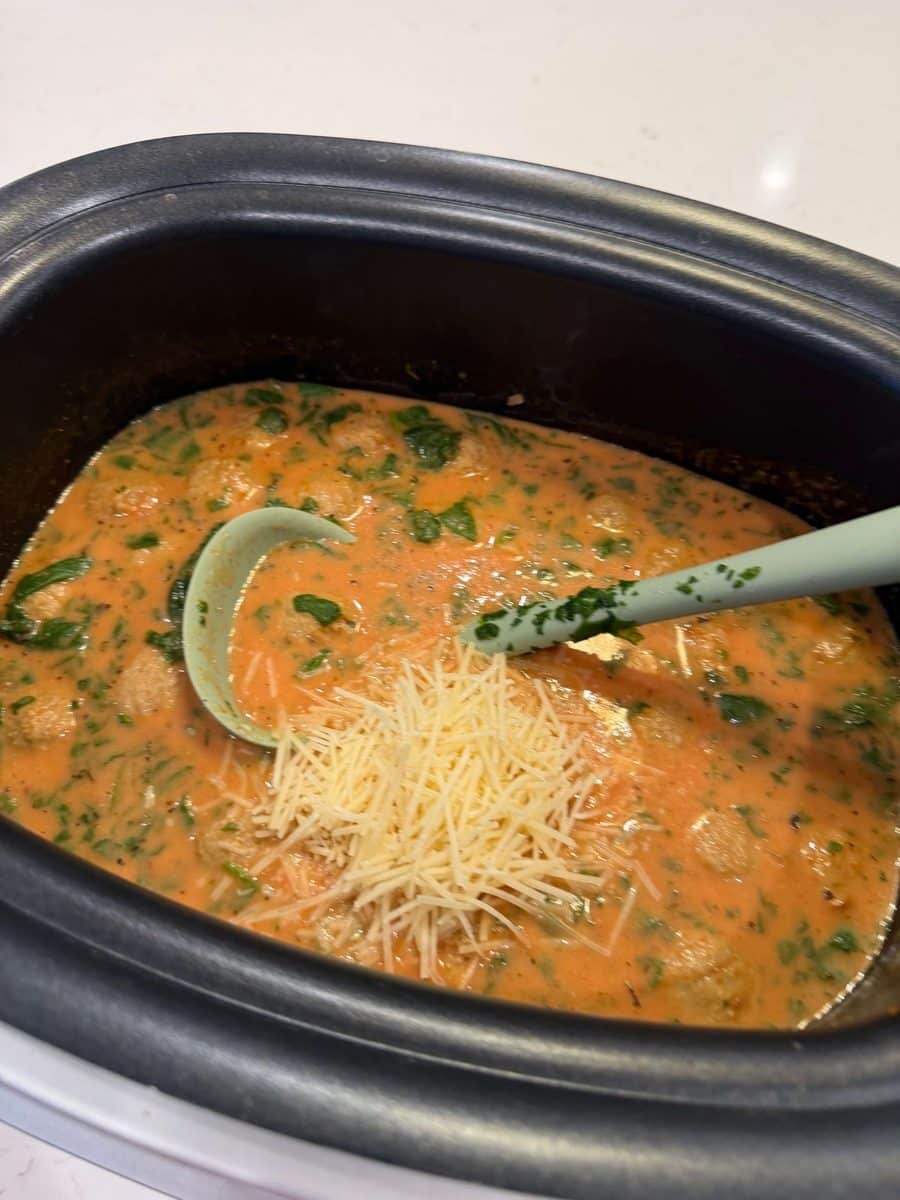
The final, and perhaps most critical, technical step involves the integration of dairy. Adding cold cream directly to a high-heat, acidic tomato base can cause the proteins in the dairy to denature and curdle. To prevent this, the cook must perform a "tempering" process: removing a portion of the hot broth and whisking it into the cream to equalize the temperature before introducing the mixture back into the main vessel. Finally, fresh spinach and grated Parmesan are folded in, providing a nutritional boost and a savory, umami-rich finish.
Nutritional Context and Ingredient Selection
The selection of ingredients in this dish reflects a balance between caloric density and ease of access. The use of Italian-style meatballs provides a significant source of protein, while the addition of spinach introduces essential micronutrients such as Vitamin K, Vitamin A, and folate.
Dietitians often note that soup-based meals are effective tools for portion control and hydration. By incorporating a high volume of liquid relative to solid ingredients, such dishes can promote satiety. Furthermore, the ability to customize this soup—such as substituting ditalini for orzo or incorporating additional fibrous vegetables—allows the recipe to be adapted for various dietary needs, including those seeking higher fiber intake or lower carbohydrate profiles.
Broader Implications for Domestic Labor
The popularity of such recipes highlights a shift in the sociology of the kitchen. For decades, the "slow food" movement emphasized the labor-intensive preparation of meals from scratch. However, the modern iteration of this philosophy, often labeled as "functional cooking," prioritizes the end goal—a nutritious, warm meal—over the performative aspects of cooking.
The proliferation of online recipe databases and community-sharing platforms, such as Pinterest, has facilitated this shift. These platforms allow for the rapid dissemination of "dump-and-go" techniques, turning complex cooking tasks into accessible, repeatable processes. This accessibility has lowered the barrier to entry for home cooking, potentially reducing reliance on ultra-processed takeout options.
Analysis of Culinary Adaptability
One of the most notable features of the Slow Cooker Cheesy Meatball Soup is its modularity. The base recipe acts as a framework, which can be modified based on regional availability or personal preference:
- Protein Variations: While beef or pork-based Italian meatballs are traditional, the use of turkey or plant-based protein alternatives has seen a marked increase in search volume among health-conscious consumers.
- Dairy Substitutions: For those with lactose sensitivities, the use of coconut milk or cashew-based creams can provide a similar mouthfeel, though the flavor profile will shift toward a lighter, nuttier note.
- Starch Alternatives: While ditalini and orzo are the standard choices due to their structural durability under heat, gluten-free pasta varieties are increasingly common. However, users are advised to monitor gluten-free pasta closely, as it often has a shorter window between being undercooked and turning into a starch-heavy paste.
Consumer Response and Industry Impact
Consumer feedback on this specific style of soup consistently emphasizes three key metrics: ease of cleanup, ingredient availability, and flavor payoff. In an era where "decision fatigue" is a recognized psychological phenomenon—the exhaustion caused by the myriad of daily choices, including what to cook for dinner—the simplicity of this recipe is its greatest selling point.
Retailers have responded to this trend by bundling the necessary components in grocery stores. It is now common to find pre-portioned containers of soup aromatics or specialized "slow cooker kits" that mirror the ingredient lists of recipes like this one. This reflects a synergistic relationship between digital recipe creators and brick-and-mortar grocery chains, where the recipe acts as a marketing vehicle for the products themselves.
Conclusion
The Slow Cooker Cheesy Meatball Soup is more than a simple recipe; it is a manifestation of how technology, culinary knowledge, and the desire for efficiency converge in the modern home. By utilizing consistent thermal energy and strategic ingredient tempering, the home cook can achieve a complex, comforting result with minimal intervention. As the landscape of domestic food preparation continues to evolve, the emphasis will likely remain on these types of "set-and-forget" methodologies, which provide a reliable, scalable, and nutritionally adaptable solution for the challenges of 21st-century life. Whether served as a standalone meal with crusty bread or as part of a larger dining experience, the dish remains a staple of modern comfort food, illustrating that sophistication in the kitchen does not always require hours of active labor.
