
The Evolution of Modern Home Cooking and Appliance Utility
The integration of programmable pressure cookers and slow cookers into the domestic kitchen has fundamentally altered how households approach mid-week meal preparation. According to market research on small kitchen appliances, sales for multi-cookers have seen a consistent upward trajectory over the last decade, primarily due to the time-saving benefits they offer to busy professionals and families. This specific soup recipe capitalizes on this shift by offering a dual-method approach: the rapid, high-pressure environment of the Instant Pot for those on a tight schedule, and the low-and-slow intensity of the slow cooker for those prioritizing deeper flavor development.

The core of this dish relies on the versatility of kielbasa, a staple in many culinary traditions. Unlike ground beef or chicken, which often require extensive seasoning, the pre-smoked nature of kielbasa imparts an immediate savory, garlicky, and slightly salty foundation to the broth. When combined with the high starch content of red potatoes, the soup achieves a natural body that, when finished with a dairy-based thickening agent and cheese, provides a restaurant-quality consistency.
Chronological Preparation Methodology
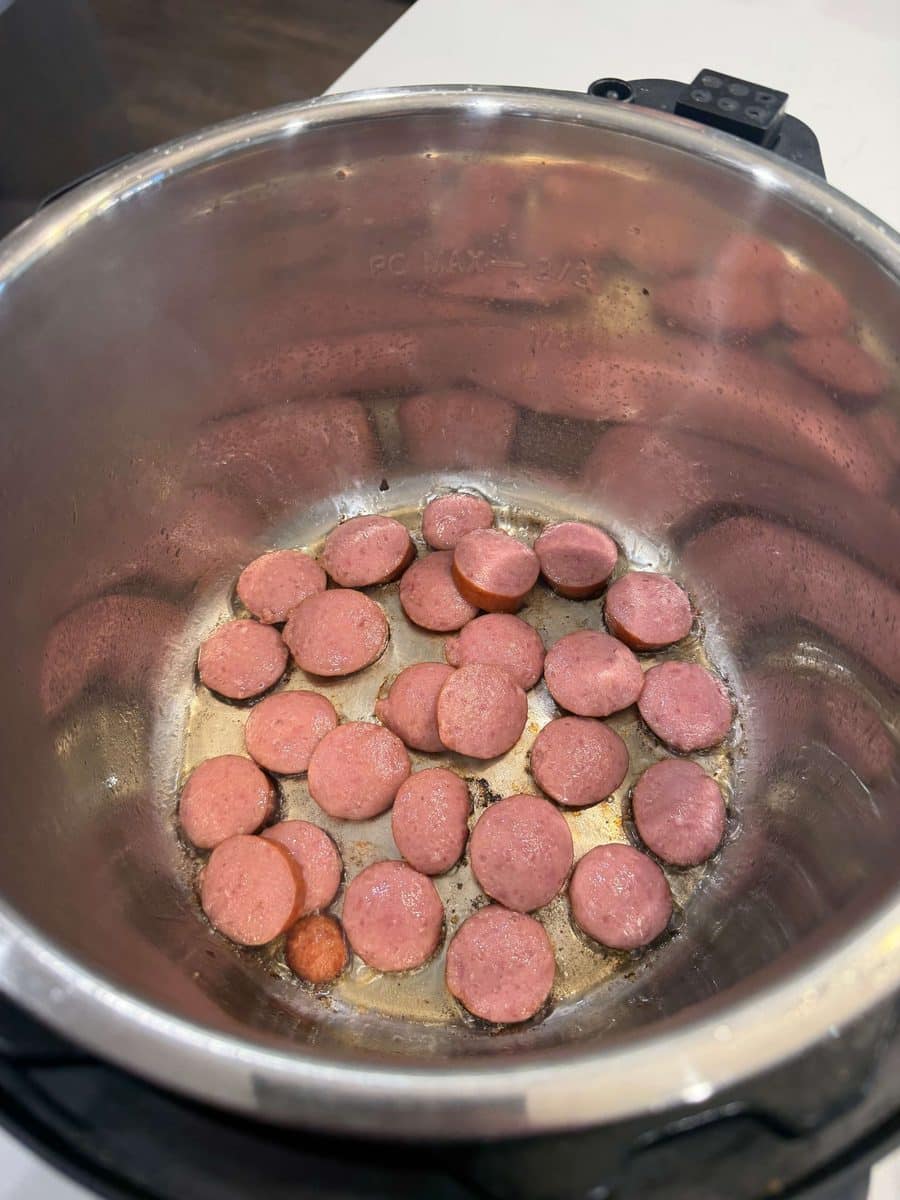
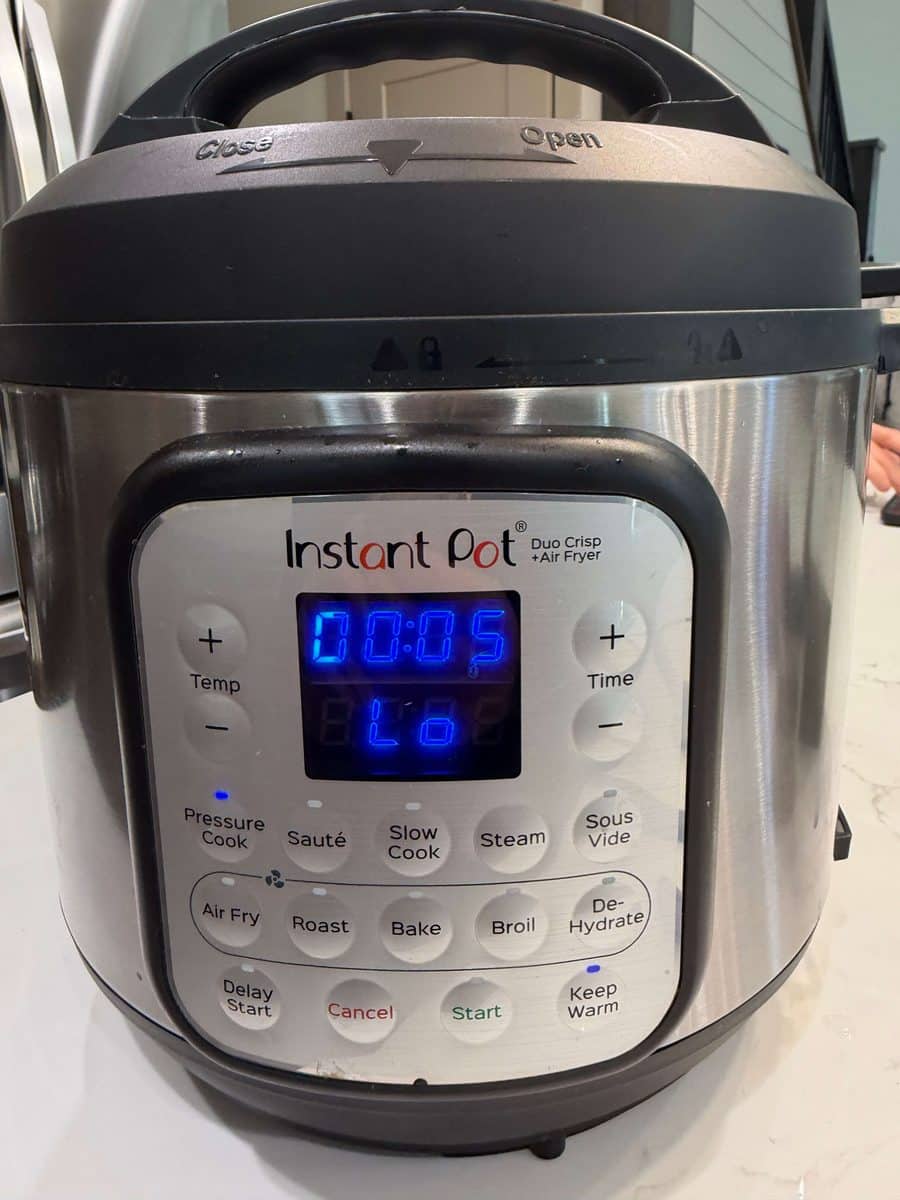
The assembly of this dish follows a precise sequence designed to maximize flavor extraction. The process begins with the "saute" function on an electronic pressure cooker. By browning the sliced sausage and onions in a small amount of fat—either butter or oil—the cook initiates the Maillard reaction, a chemical process that enhances the aromatic properties of the ingredients.
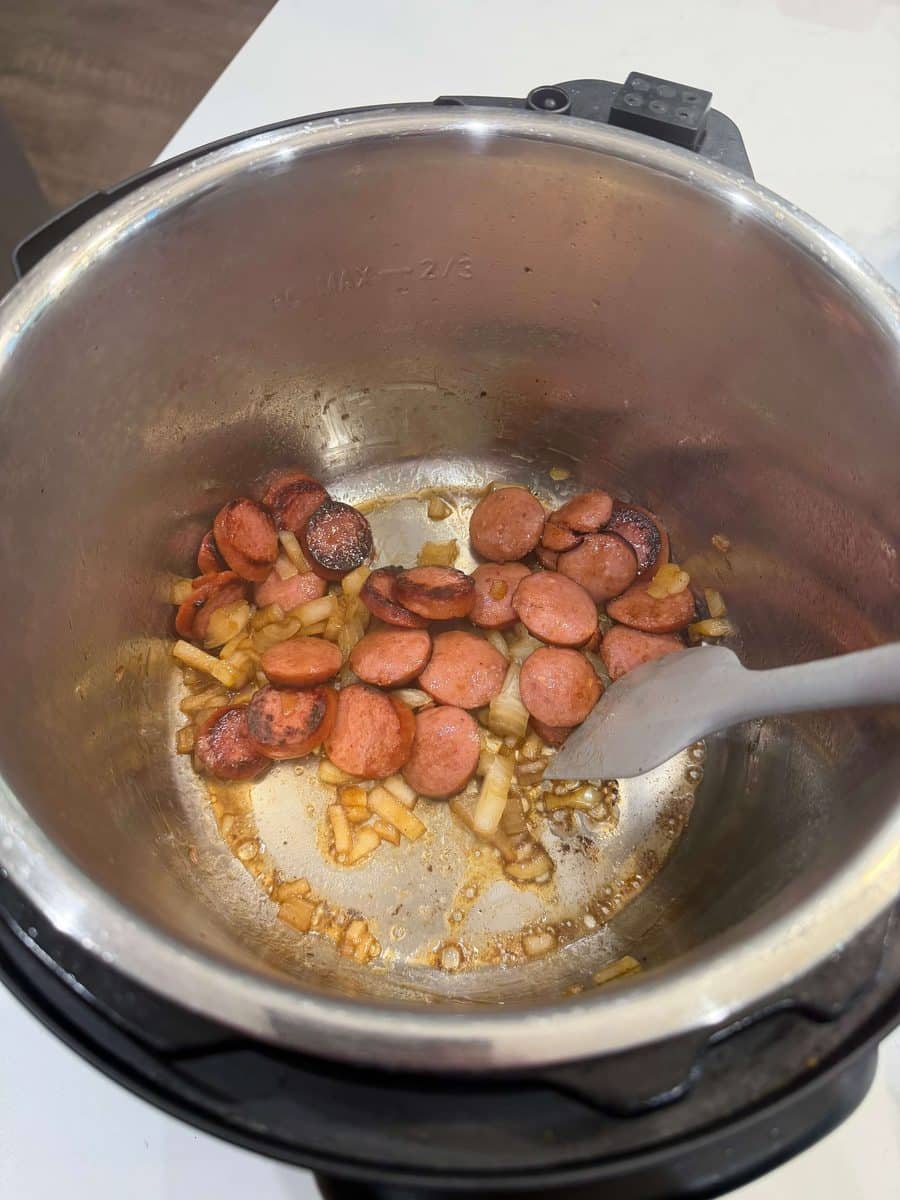
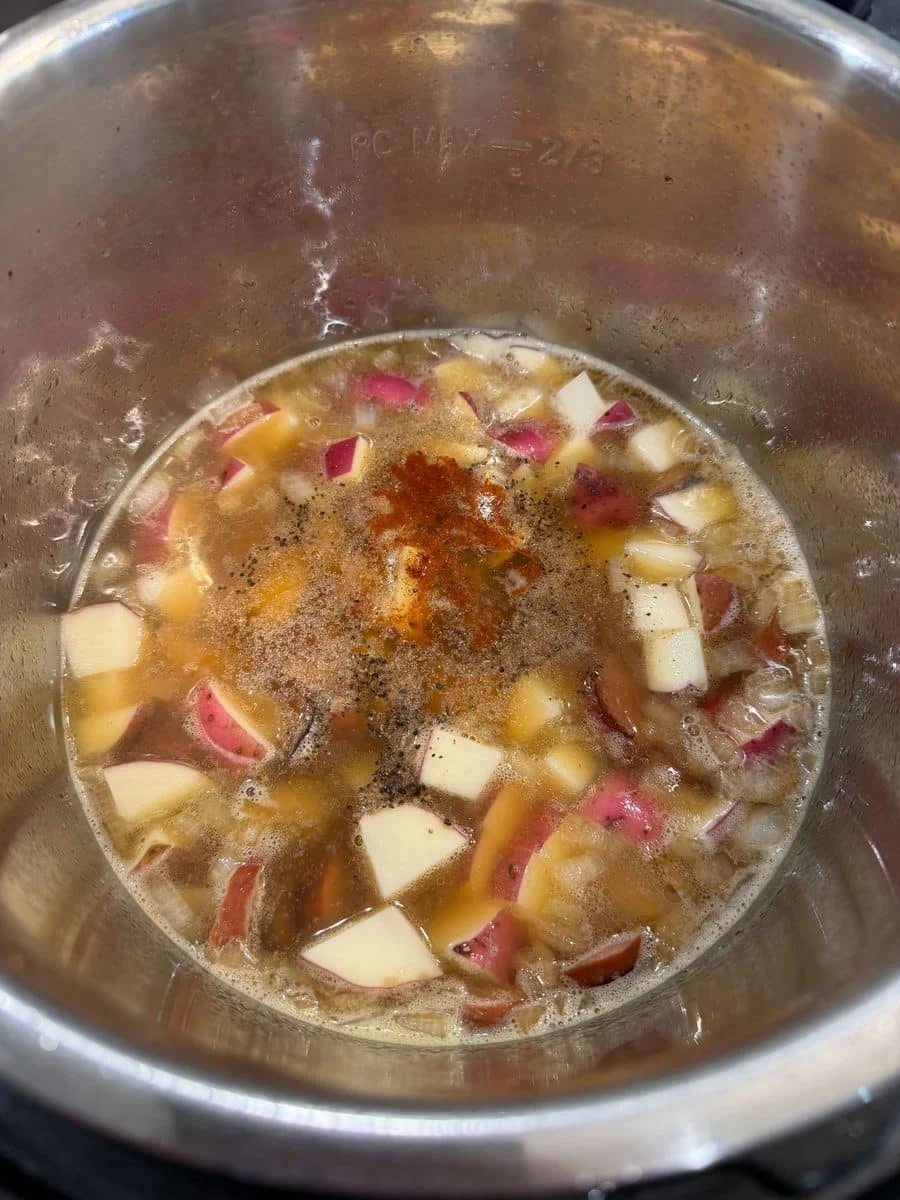
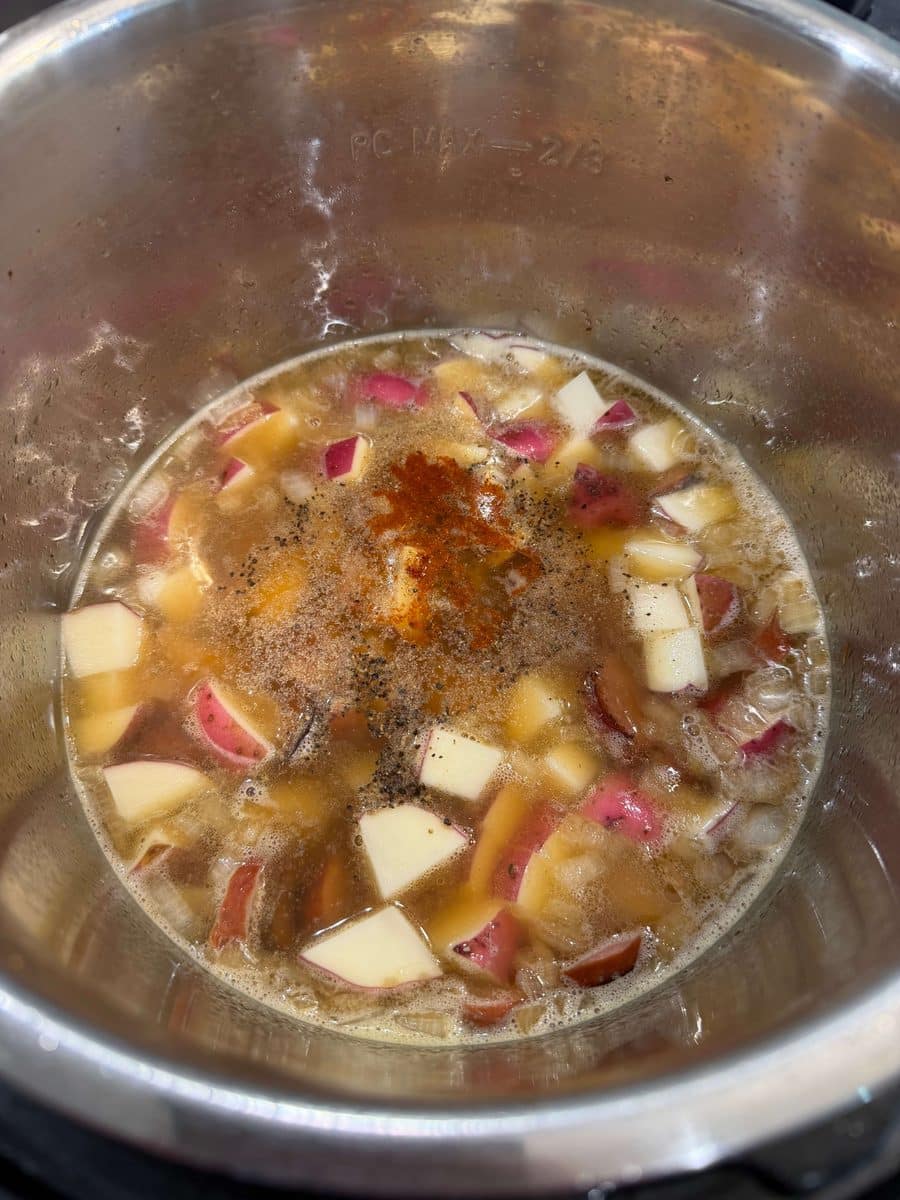
Once the aromatics are softened, the addition of broth acts as a deglazing agent, lifting the fond (browned bits) from the bottom of the vessel to ensure depth of flavor. The inclusion of red potatoes is a strategic choice; their thin, waxy skin remains intact and their flesh resists breaking down under pressure, providing a necessary textural contrast to the cream-based broth.
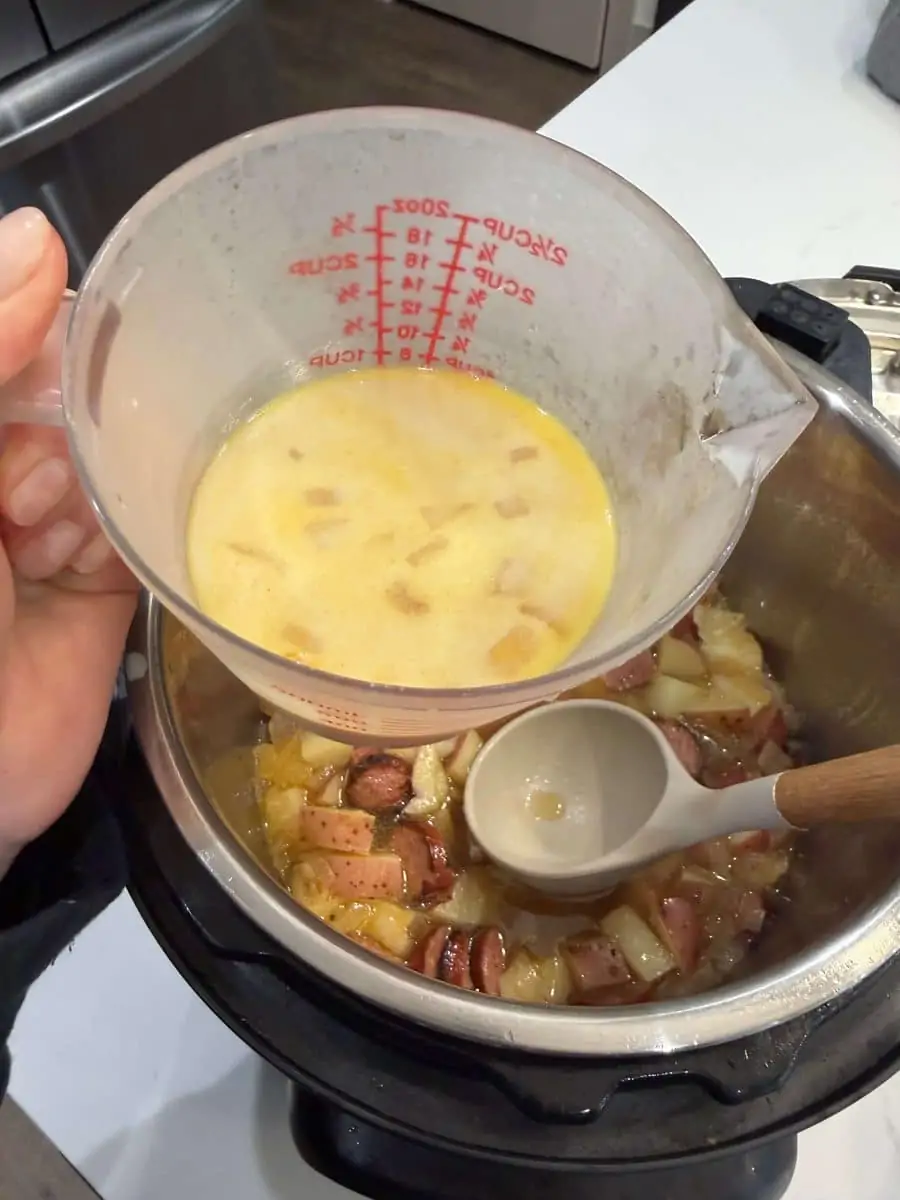
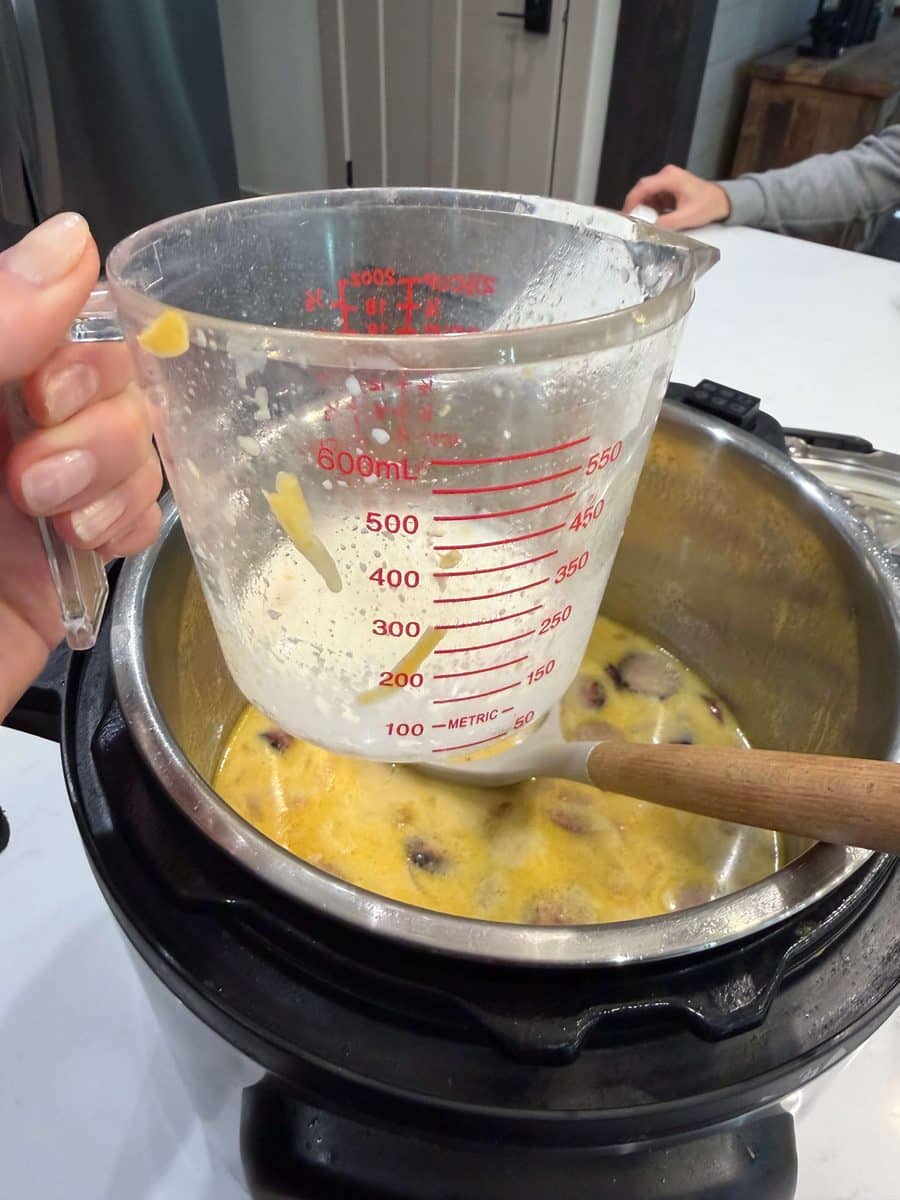
Following the pressure-cooking phase, the tempering of the dairy is a critical technical step. By introducing a small amount of the hot cooking liquid to the half-and-half before adding it to the main pot, the cook prevents the dairy from curdling due to thermal shock. Finally, the introduction of a cornstarch slurry serves to adjust the viscosity of the soup, creating a cohesive, velvety mouthfeel before the final addition of sharp cheddar cheese, which is folded in at the end to ensure it melts uniformly without separating.
Nutritional and Economic Implications
From a macroeconomic perspective, the rise of "sausage and potato" soup recipes reflects a broader trend toward budget-conscious home cooking. With rising food costs, consumers are increasingly prioritizing ingredients that offer high caloric density and longevity. Potatoes remain one of the most affordable and shelf-stable produce items, while smoked sausage provides a long-lasting protein source that can be frozen and utilized as needed.
Nutritionally, this dish serves as a dense, high-energy meal. The combination of potassium-rich potatoes, protein from the sausage, and calcium from the cheese creates a balanced macro-nutrient profile. However, nutritionists often suggest that such dishes are best served with a side of steamed greens—such as broccoli, spinach, or kale—to introduce necessary fiber and micronutrients, a modification easily incorporated during the final stages of the cooking process.
Expert Insights on Culinary Adaptability
Culinary experts frequently cite "soup as a platform" as a primary method for reducing food waste. This specific kielbasa recipe serves as a template that can be modified based on the availability of surplus produce. The addition of carrots, celery, or even cruciferous vegetables like broccoli and cauliflower allows home cooks to clear out their refrigerators while adding nutritional value.
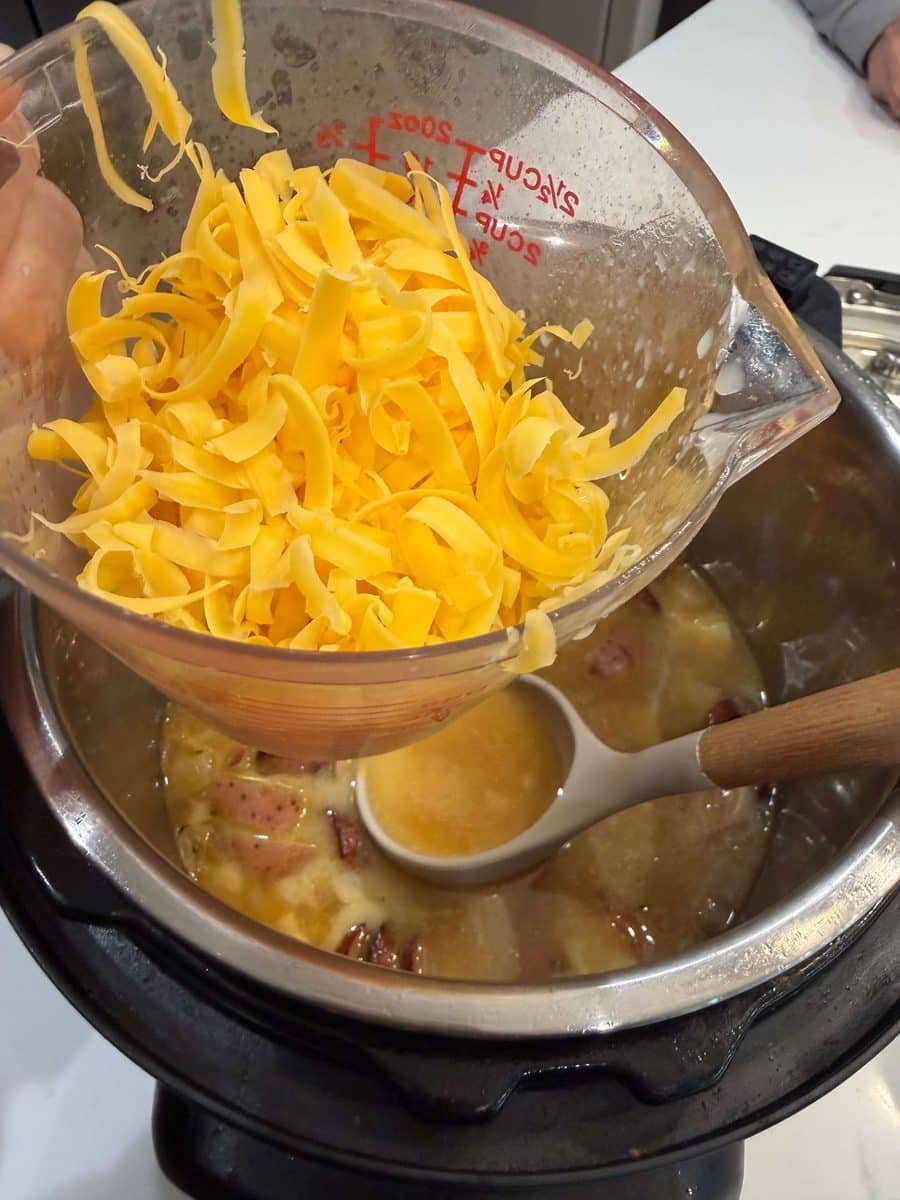
Furthermore, the choice of cheese is a significant variable. While sharp cheddar is the standard, variations using smoked gouda or gruyère can alter the profile of the soup entirely, shifting it from a traditional comfort dish to a more sophisticated, nuanced meal. This level of customization is what experts believe keeps interest in such recipes high, as it allows for individual creativity within a reliable, fail-safe framework.

The Role of Technology in Culinary Trends
The increasing popularity of these recipes is also tied to the digital transformation of the kitchen. Websites that offer searchable databases, allowing users to filter by "meat type," "cooking method," or "dietary restrictions," have become essential tools for modern meal planning. The ability for a user to pivot between an Instant Pot and a slow cooker, while maintaining the same flavor profile, reduces the barrier to entry for novice cooks who may be intimidated by complex techniques.

Data indicates that when users are provided with both high-pressure and low-pressure methods, their engagement with the recipe increases significantly. The democratization of high-end cooking techniques, made simple through programmable appliances, has effectively reduced the time required for "slow-cooked" style meals from six to eight hours down to less than thirty minutes.

Broader Implications and Future Outlook
As the culinary landscape continues to move toward convenience-focused yet high-quality meals, recipes that bridge the gap between traditional "scratch" cooking and modern appliance efficiency will remain dominant. The kielbasa and potato soup stands as a testament to this shift. It provides the psychological comfort of a long-simmered, traditional dinner while acknowledging the constraints of the 21st-century lifestyle.
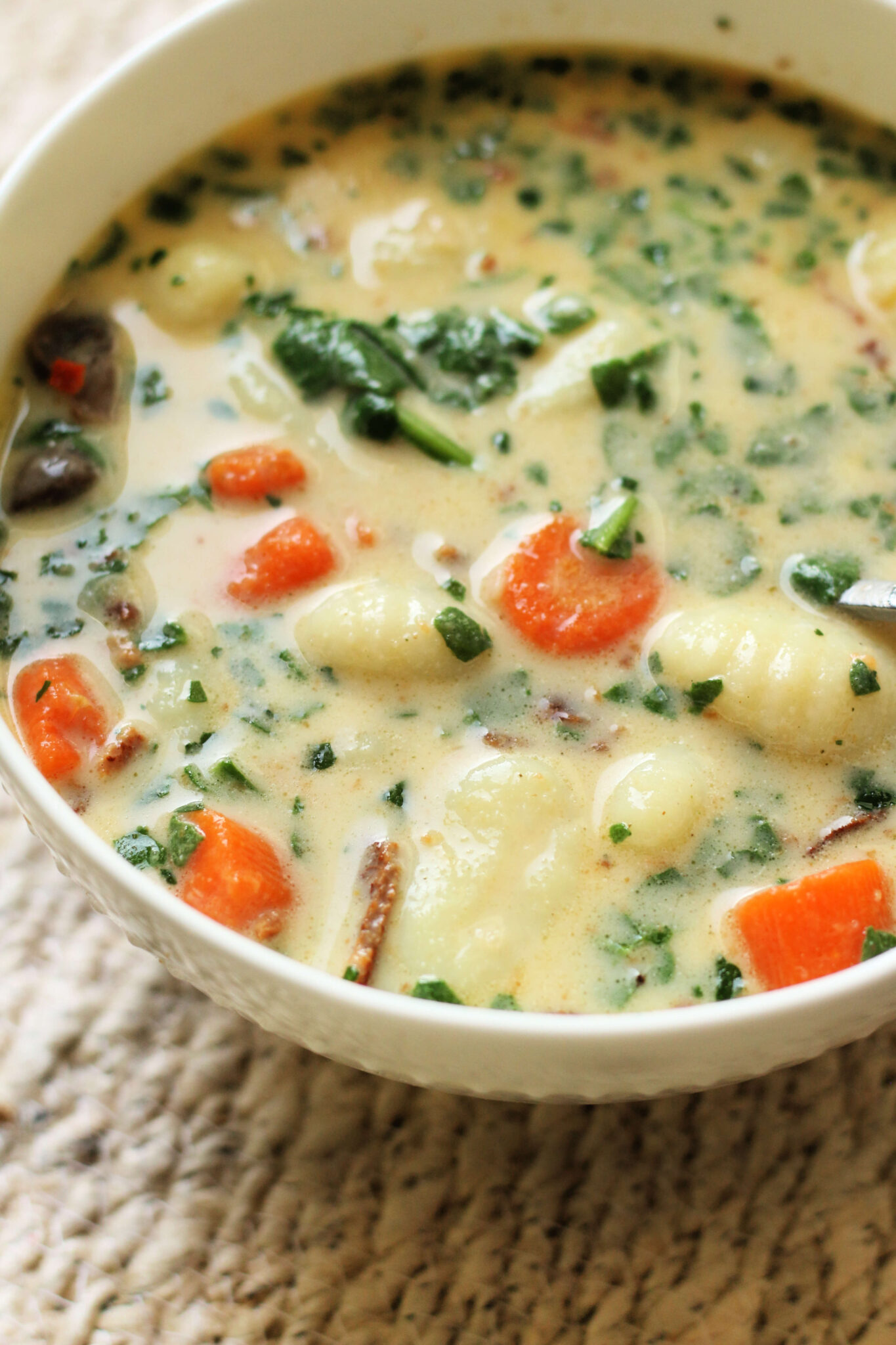
The cultural significance of such dishes—often referred to as "comfort food"—should not be underestimated. During colder months or times of economic uncertainty, there is a measurable increase in search traffic for recipes that evoke feelings of warmth, stability, and domesticity. By providing a reliable method for creating a hearty, filling, and cost-effective meal, this recipe addresses both the practical and emotional needs of the contemporary home cook.

In conclusion, the combination of smoky, cured meats with hearty starches and rich dairy is a classic pairing that has stood the test of time. Through the modern application of pressure and slow-cooking technology, this dish has been refined into a streamlined process that maintains the integrity of the ingredients while maximizing efficiency. Whether prepared in the rapid-fire environment of an Instant Pot or the steady, gentle heat of a slow cooker, this creamy and cheesy kielbasa soup represents the ideal synthesis of tradition and technology in the modern kitchen.
