
The Rise of Pressure-Cooked Casseroles
The integration of the Instant Pot into the modern American kitchen has fundamentally altered the preparation timeline for traditional "comfort foods." Historically, a chicken and rice casserole required a multi-stage process: searing the protein, sautéing aromatics, and baking the assembly for 45 to 60 minutes. The current iteration of the Queso Chicken Casserole utilizes the "sauté" and "pressure cook" functions to consolidate these steps into a singular, high-pressure environment.
Nutritional data suggests that pressure cooking preserves a higher concentration of water-soluble vitamins compared to long-duration boiling, as the sealed environment limits evaporation and nutrient leaching. Furthermore, the efficiency of this method addresses a significant pain point for time-constrained households, providing a hot, nutritionally dense dinner in roughly 20 to 30 minutes of active and passive cooking time.
Culinary Composition and Ingredient Sourcing
The foundational success of this casserole relies on the strategic layering of ingredients. The use of ground chicken—a lean, high-protein alternative to traditional ground beef or pork—has been identified as a significant trend in grocery retail. According to market analysis from major distributors, the demand for versatile, ground poultry has increased as consumers seek lower-fat options that still offer the texture and mouthfeel of red meat.
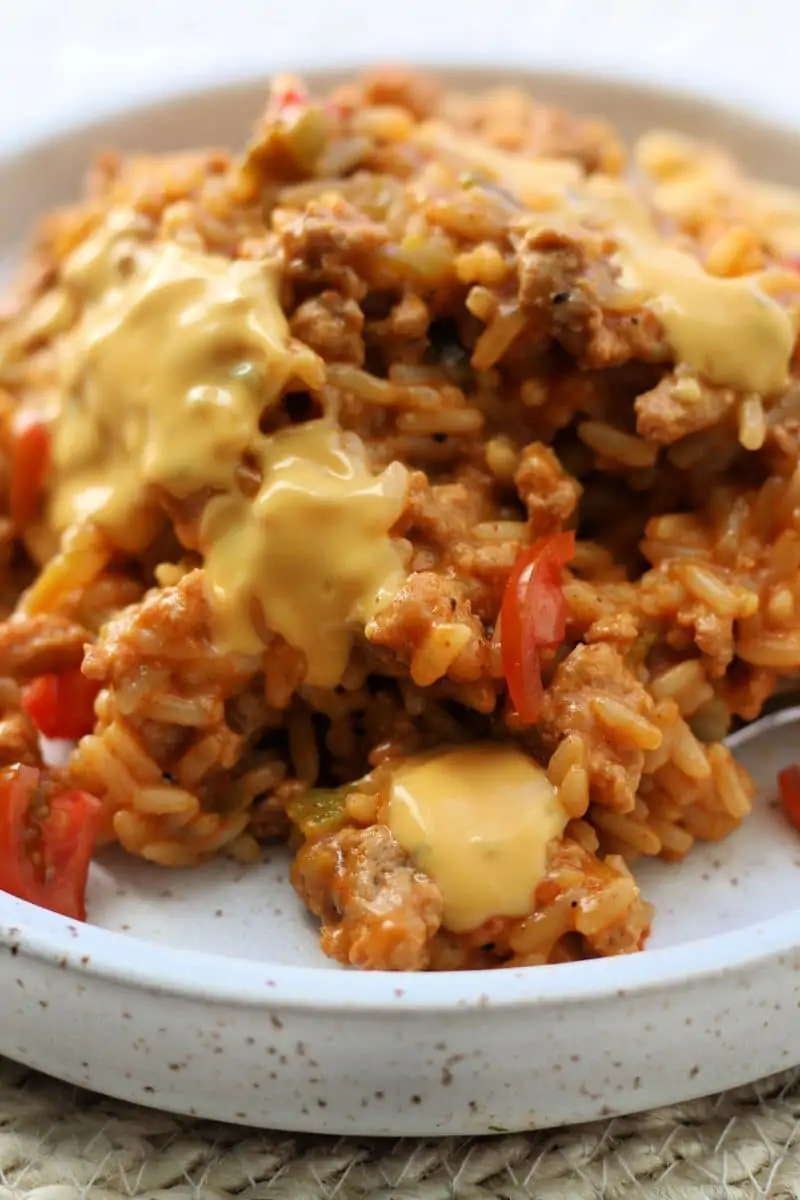
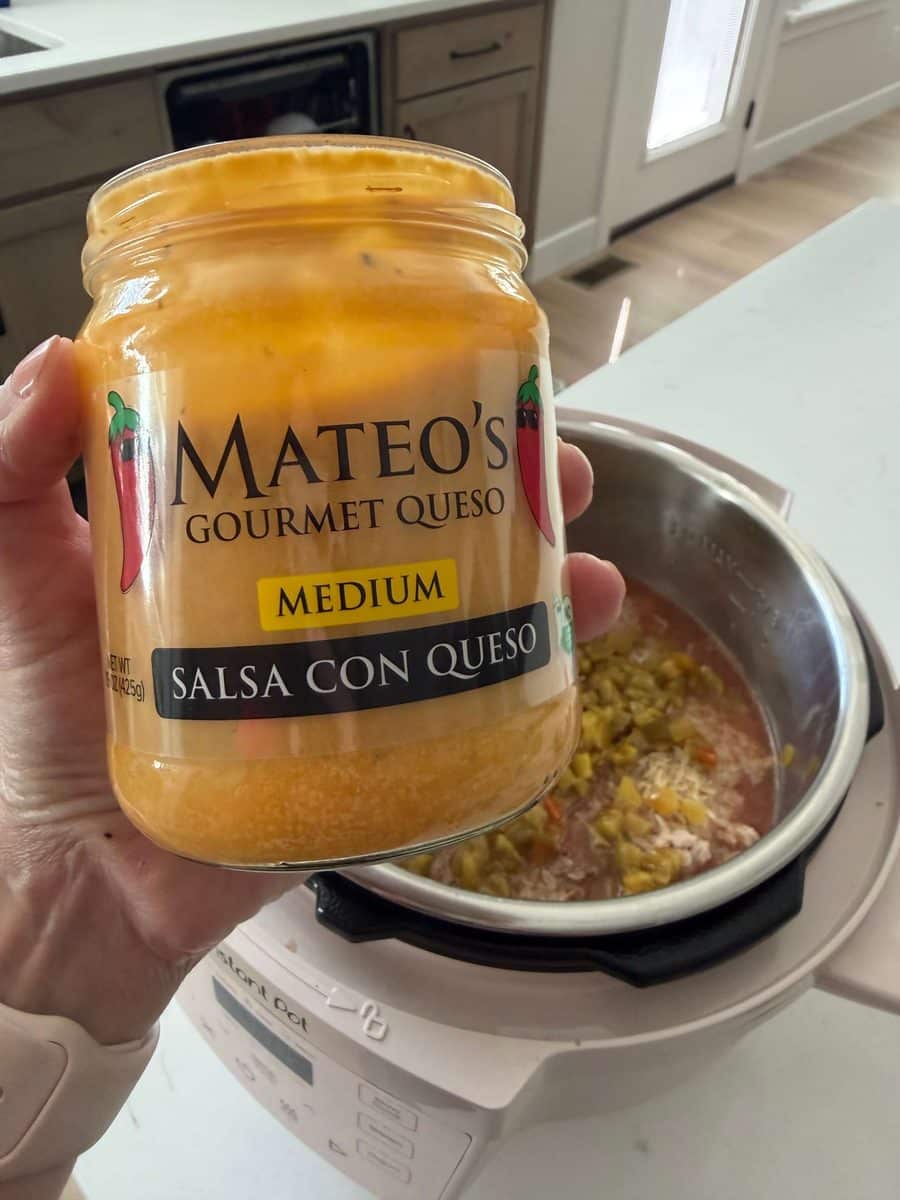
The flavor profile is anchored by "salsa con queso," a processed cheese product that serves as the emulsifying agent for the rice. Unlike traditional béchamel or roux-based sauces, which require precise temperature control to prevent breaking, the shelf-stable queso provides immediate viscosity and a stable flavor profile when subjected to high pressure. The inclusion of diced green chiles adds a layer of acidity, balancing the richness of the cheese, while the spice blend—typically consisting of chili powder, cumin, garlic powder, and onion powder—provides the necessary aromatic complexity characteristic of Tex-Mex cuisine.
Step-by-Step Methodology
The technical execution of the recipe follows a precise chronological order designed to prevent the common error of "burn warnings" in electronic pressure cookers.
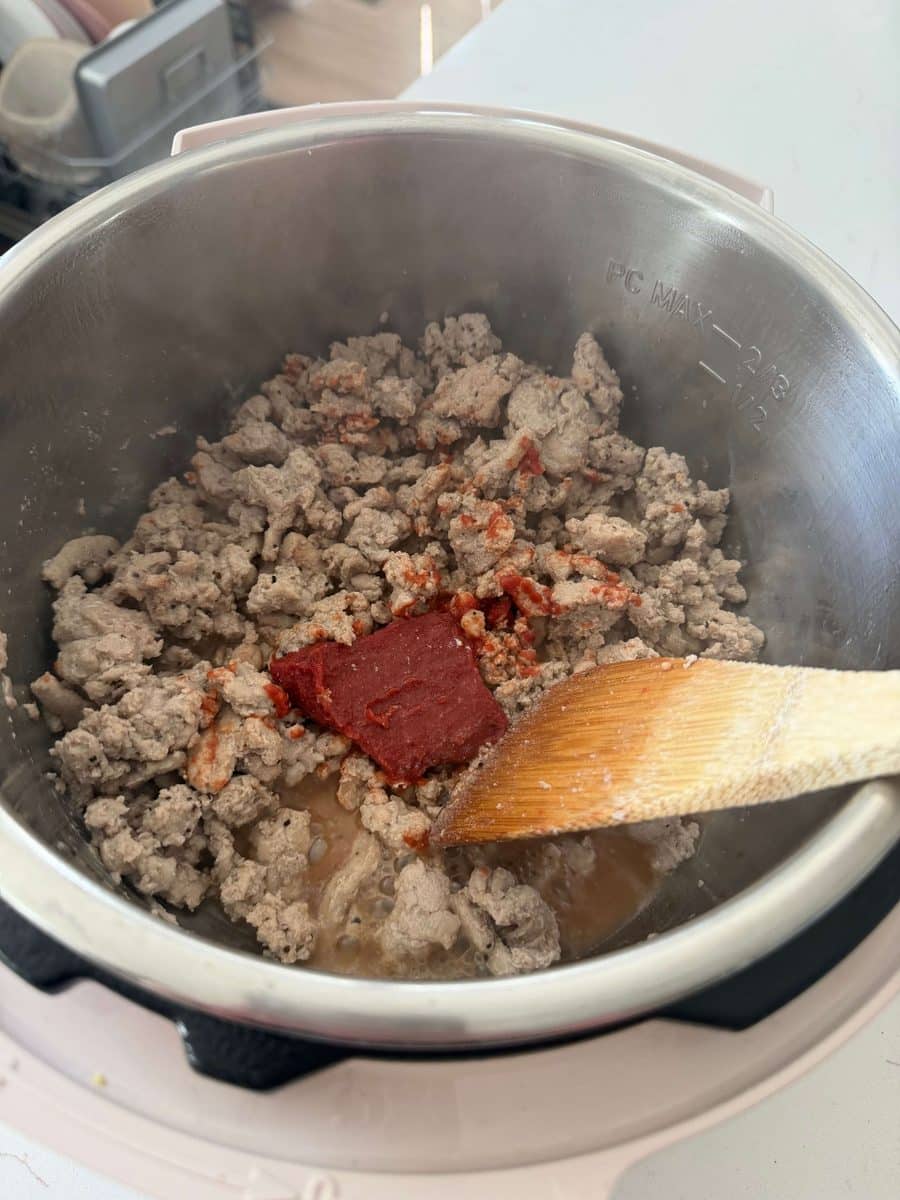
- The Sauté Phase: The process begins by heating a neutral oil to the "Hot" setting. The ground chicken is browned for approximately five minutes, a critical step to trigger the Maillard reaction, which adds savory depth to the final dish.
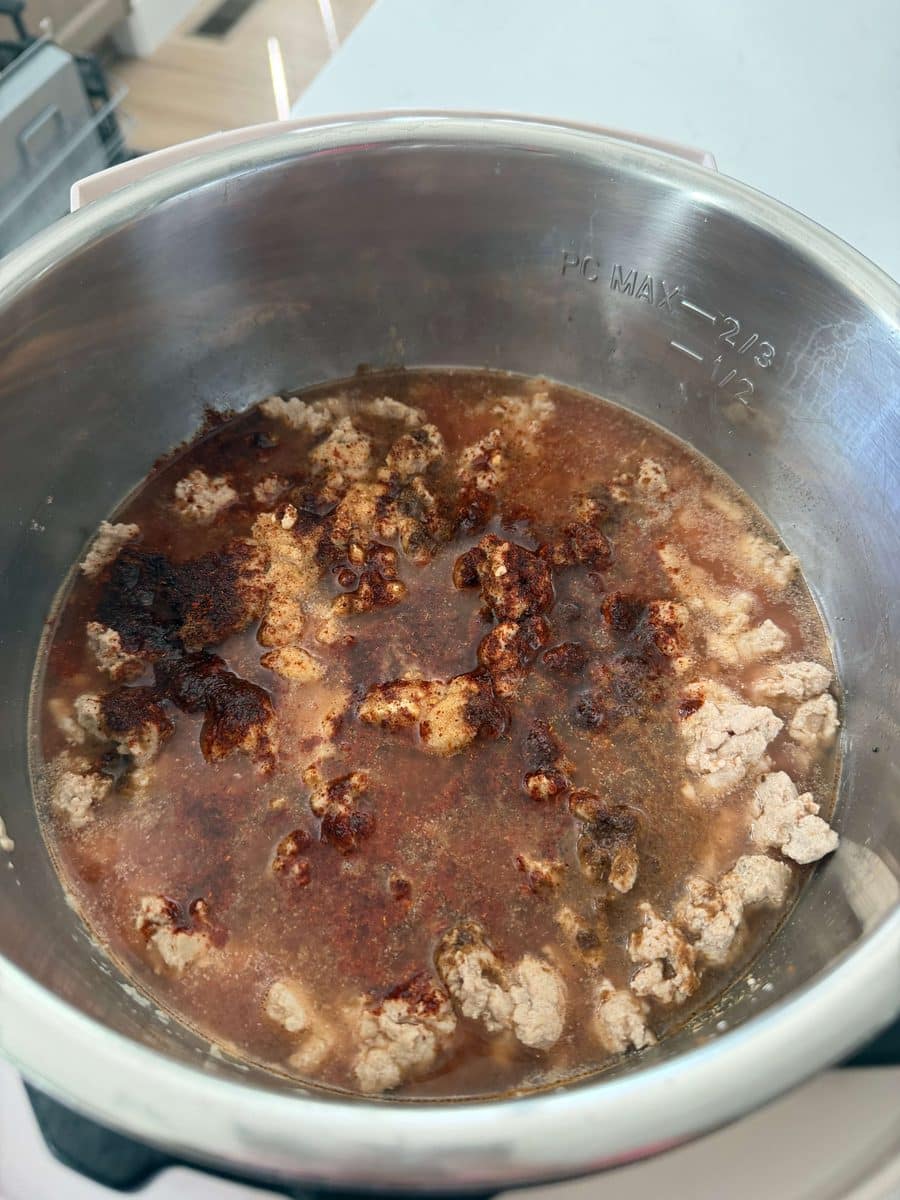
- Deglazing: Once the chicken is cooked, the addition of broth serves a secondary purpose: it allows the cook to scrape the bottom of the stainless steel inner pot. This is essential, as any residual starch or protein stuck to the bottom can lead to the "burn" sensor triggering during the pressure phase.
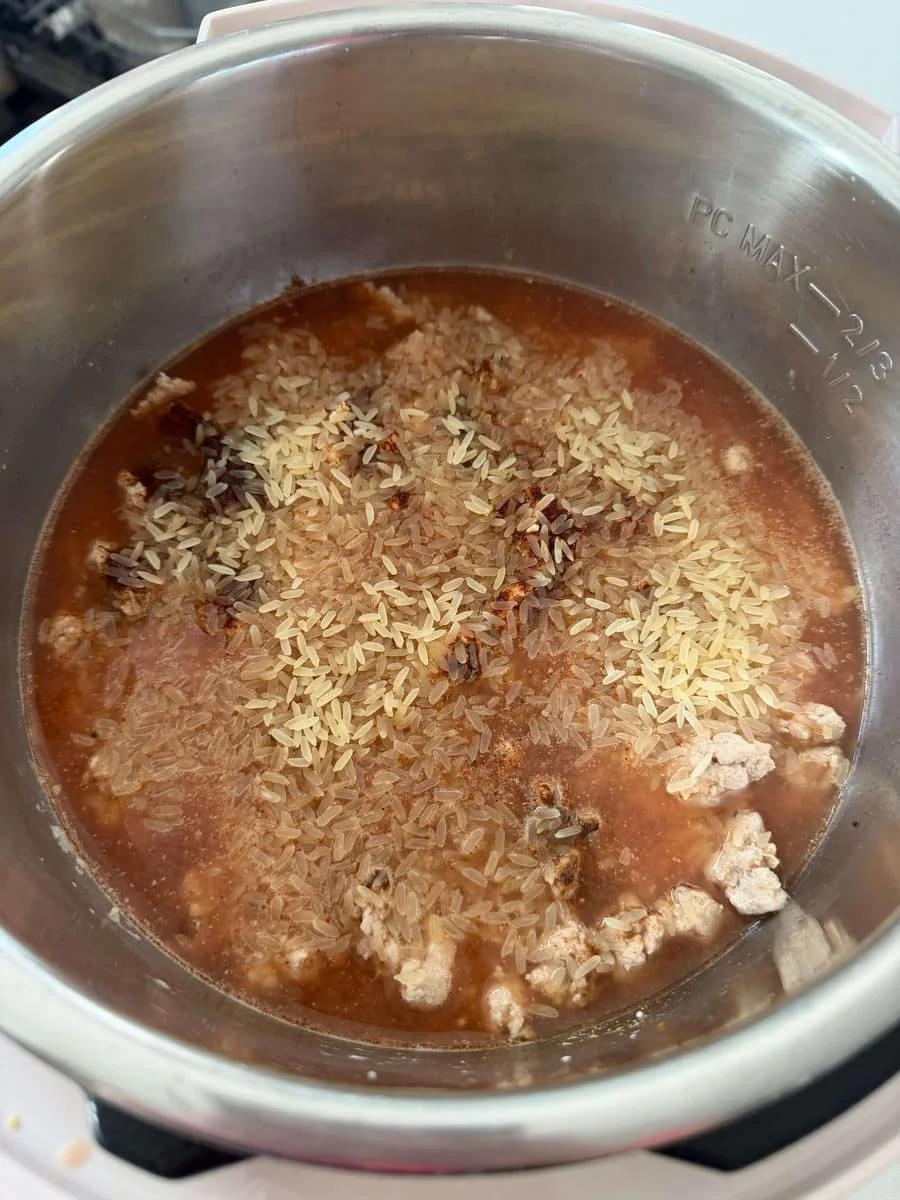
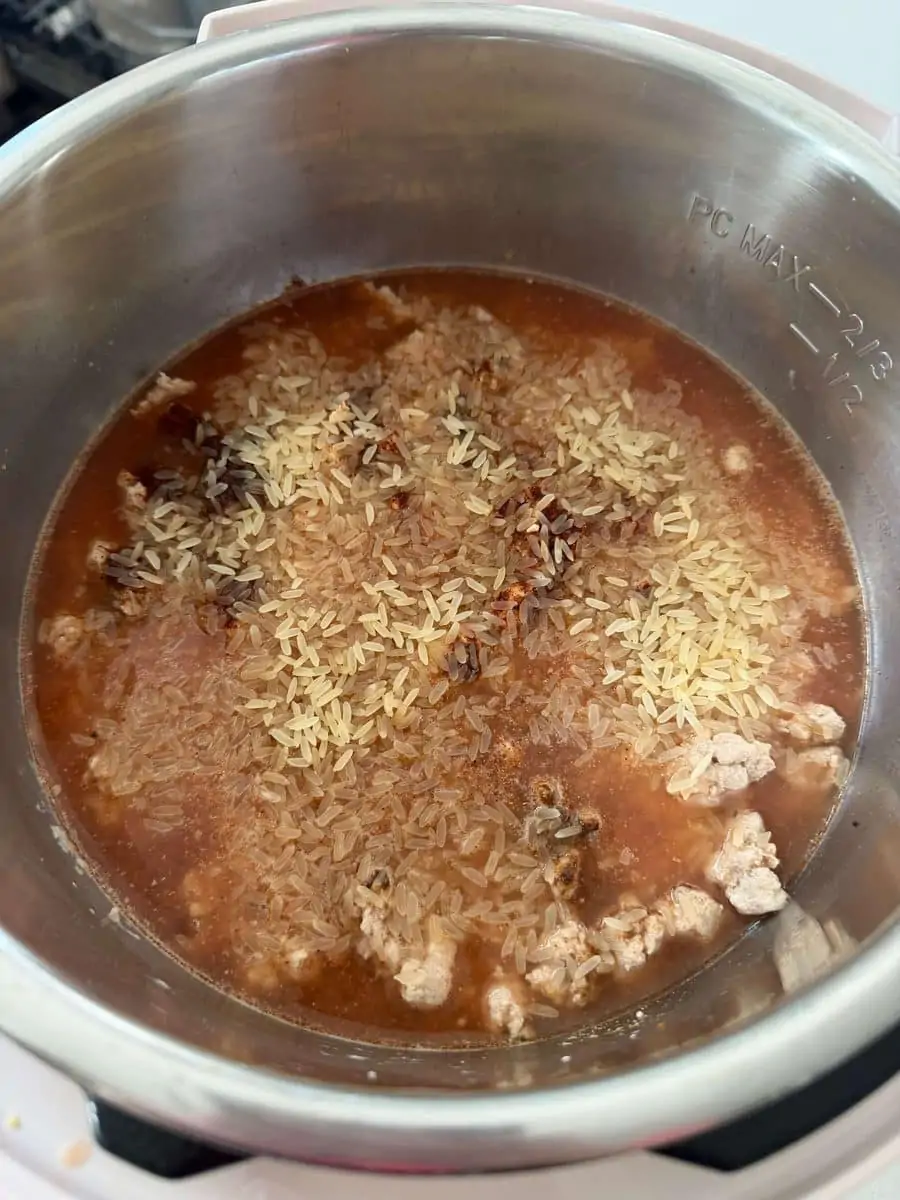
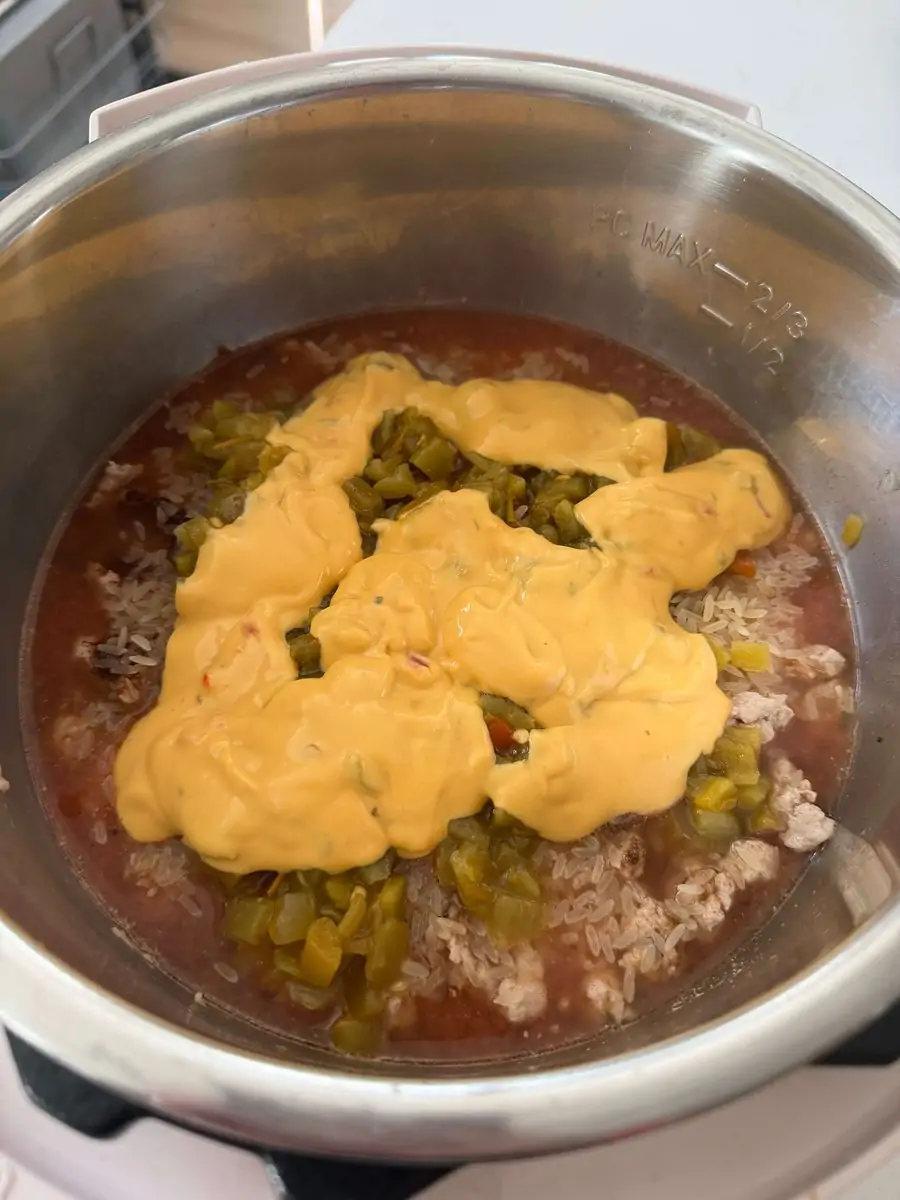
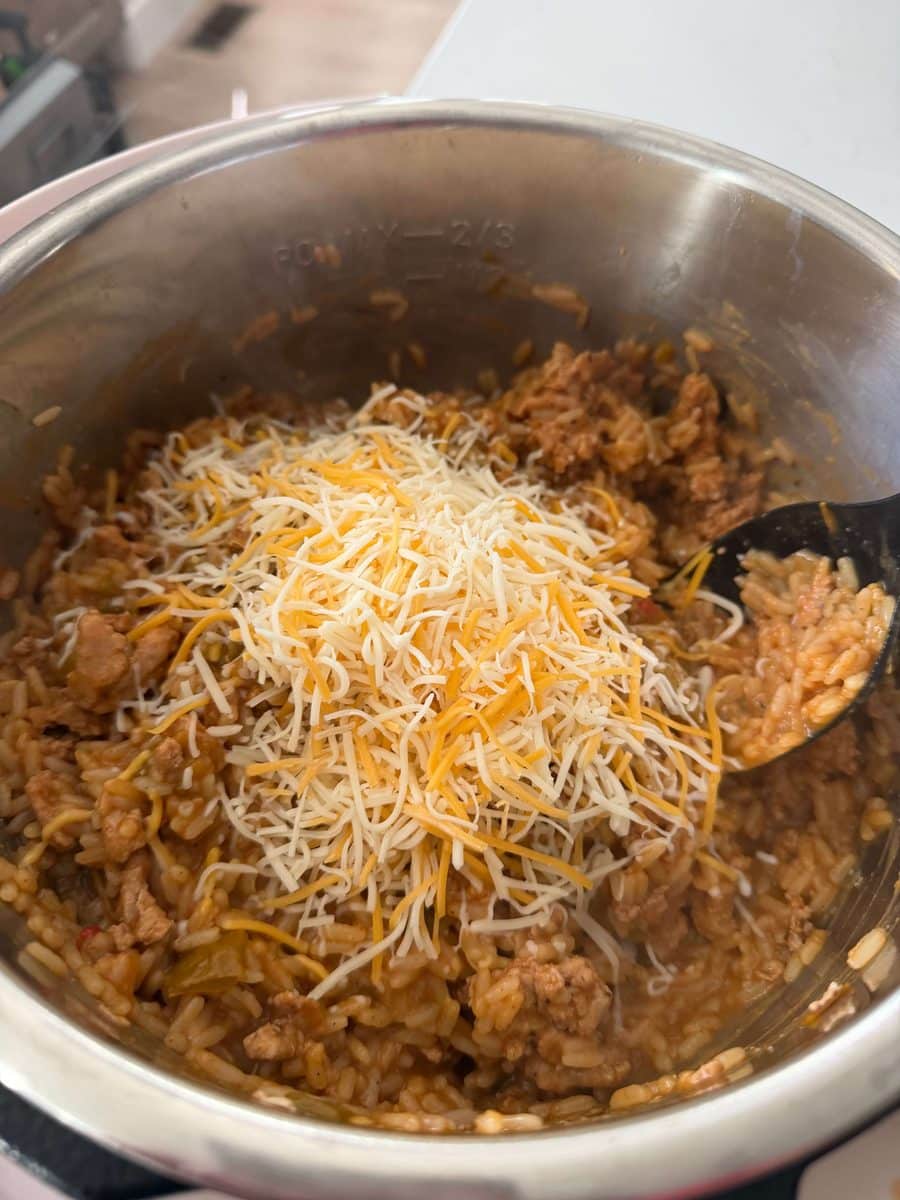
- Layering: The rice is added, followed by the dry seasonings. Crucially, the green chiles and the initial portion of the queso are added to the top of the pile rather than stirred in. This "no-stir" rule is a standard practice in pressure cooking to ensure the rice is submerged in enough liquid to steam properly without the heavy cheese sauce settling at the bottom, which would impede the transfer of heat.
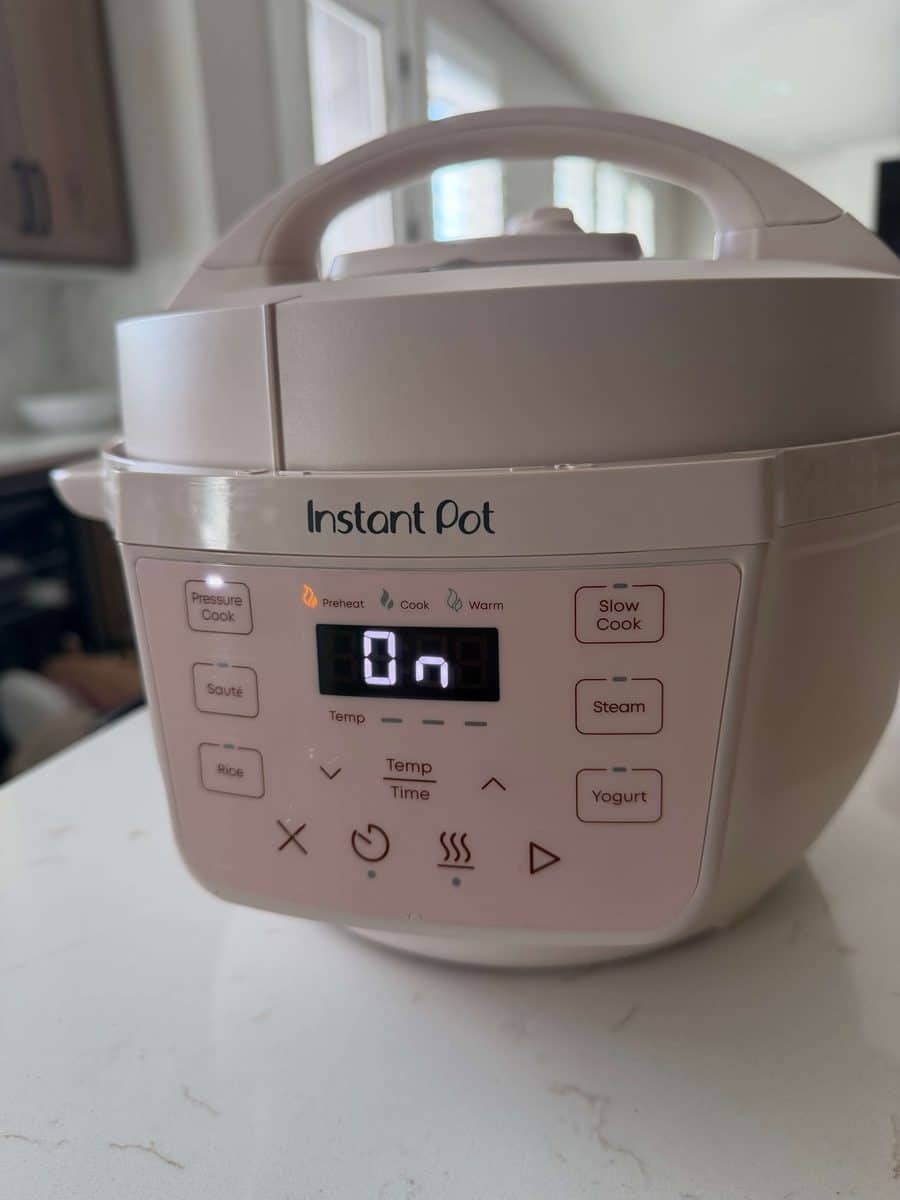
- Pressurization and Release: The vessel is sealed and pressurized for five minutes. A 10-minute "natural release" follows, allowing the residual pressure to dissipate slowly. This period is vital, as it allows the rice to finish absorbing the moisture and ensures the internal temperature of the chicken reaches food-safety standards.
Market Context and Consumer Impact
The popularity of this specific recipe format is reflective of a broader "dump-and-go" movement in home cooking. As grocery prices continue to fluctuate, recipes that prioritize cost-effective ingredients—such as rice, canned chiles, and bulk-purchased ground chicken—have seen a surge in popularity on digital platforms.
"We are seeing a marked increase in search volume for one-pot, high-efficiency meals," says Sarah Jenkins, a food systems analyst. "Consumers are not just looking for flavor; they are looking for recipes that minimize cleanup and maximize time. The Queso Chicken Casserole fits perfectly into this paradigm because it bridges the gap between ‘fast food’ and ‘home cooking’ without sacrificing the sensory experience of a warm, cheesy meal."
Nutritional and Storage Implications
From a meal-planning perspective, this casserole is notable for its durability. The starch content in the rice and the protein content in the chicken make it an ideal candidate for freezing. When reheated, the presence of the cheese sauce acts as a barrier against moisture loss, a common issue with reheated rice dishes. Experts recommend portioning the leftovers into airtight, microwave-safe containers, where the dish can maintain its quality for up to three months when frozen properly.
Broader Implications for Home Cooking
The success of the Best Ever Queso Chicken Casserole underscores a shift in how modern households view convenience. It is no longer enough for a meal to be easy; it must also be adaptable. The ability to substitute ground turkey, beef, or even pork allows the dish to remain relevant regardless of supply chain fluctuations or personal dietary preferences.
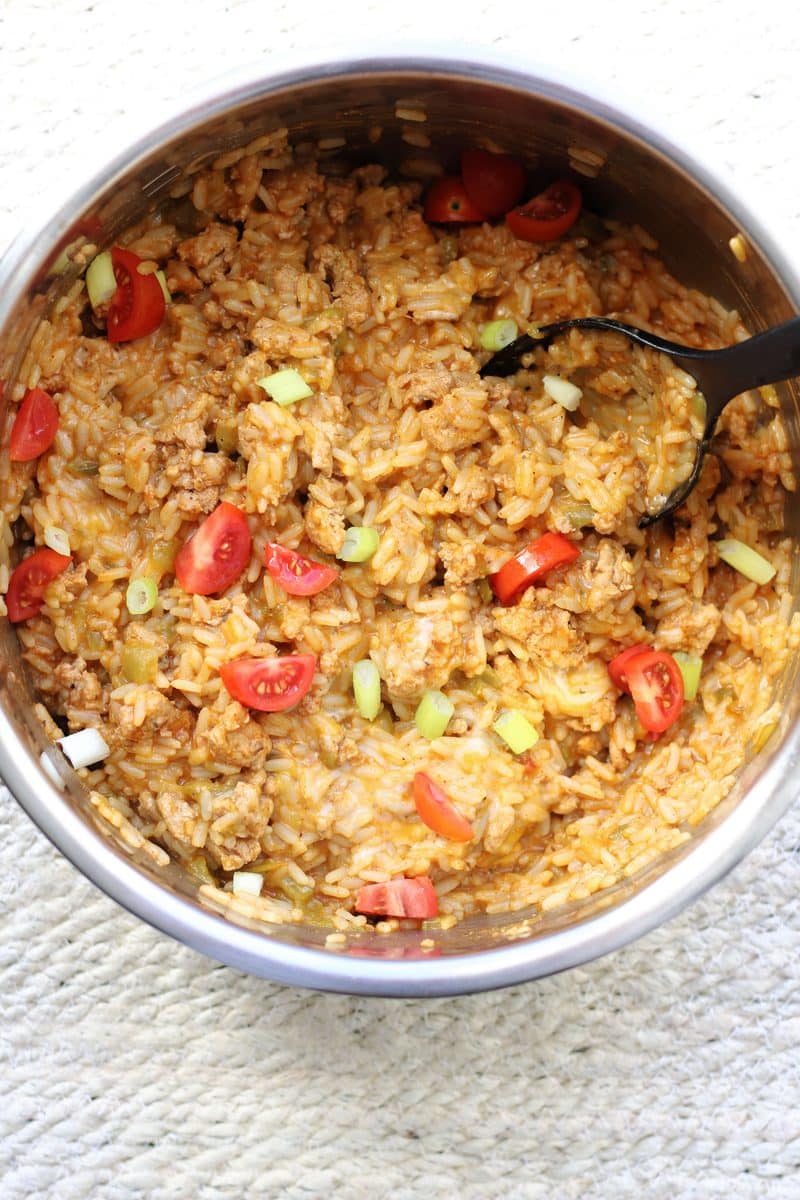
As digital recipe archives continue to grow, the role of the home cook has transitioned from one of manual labor to one of systems management. By utilizing the specific capabilities of modern appliances, the home cook can replicate flavors that once required specialized training or long hours of labor. This evolution in culinary technology represents a significant democratization of complex, multi-textured meals, bringing them into the daily rotation of the average household.
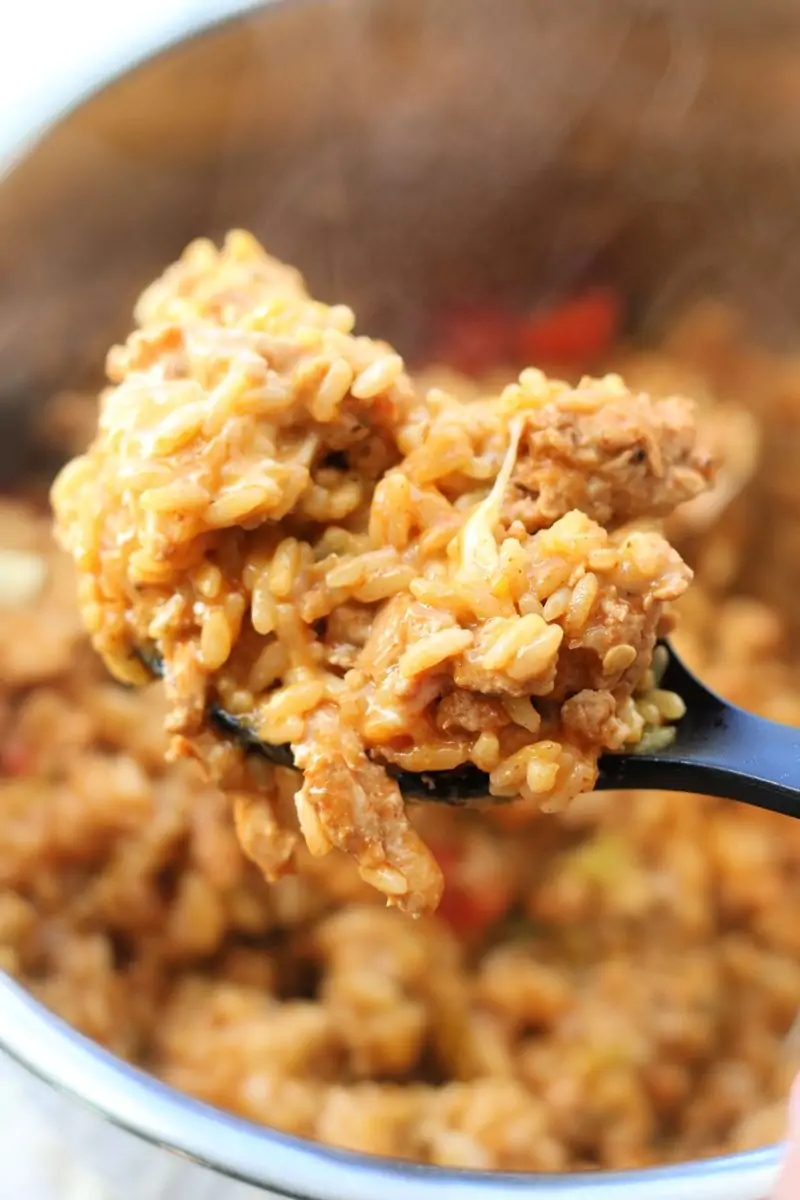
In summary, the transition of the classic casserole into the Instant Pot represents more than just a change in cooking vessel; it is a manifestation of contemporary efficiency. By prioritizing high-flavor, low-effort ingredients and leveraging precise pressure-cooking techniques, the dish provides a reliable solution to the daily requirement of meal preparation, ensuring that even on the busiest days, a balanced, comfort-centric dinner remains accessible.
