
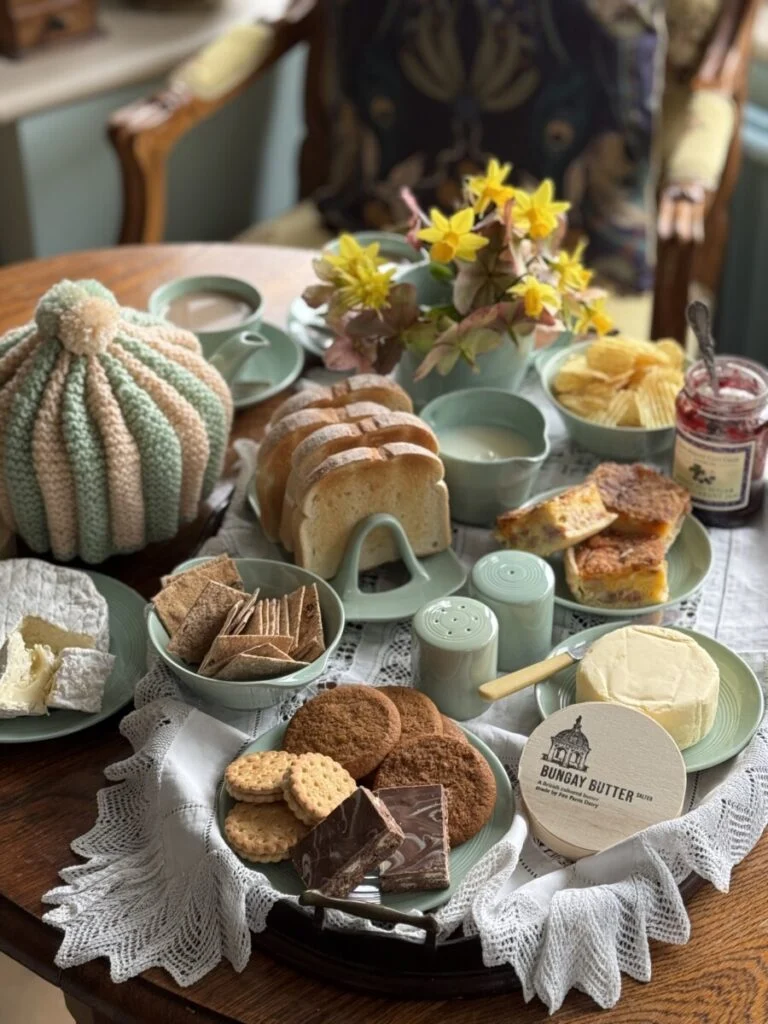
The distinction between Afternoon Tea and High Tea remains one of the most persistent subjects of confusion in the global culinary lexicon. While often used interchangeably in casual conversation—particularly in North America and Australia—the two terms refer to entirely separate social customs, historical origins, and dining experiences within British culture. Misunderstanding these definitions often leads to significant discrepancies in expectations, as the two traditions were designed for different classes, times of day, and purposes.

Historical Context and Evolution
To understand the divergence, one must look to the 18th and 19th-century British class structure. Afternoon Tea, often referred to as "Low Tea," emerged during the 1840s. Its popularization is widely attributed to Anna Maria Russell, the Duchess of Bedford. Historical records suggest the Duchess, finding the gap between lunch and dinner uncomfortably long, requested a private afternoon meal of tea, bread, and butter in her drawing room. This practice quickly evolved into a fashionable social event among the British aristocracy, who enjoyed these refreshments while seated in low-slung armchairs or on sofas—hence the moniker "Low Tea."

Conversely, High Tea has its roots in the Industrial Revolution. It was not an aristocratic pursuit but a working-class necessity. Taken at the end of the workday, typically between 5:00 PM and 7:00 PM, it served as the main evening meal for laborers. The term "High" denotes the height of the dining furniture; unlike the low parlor tables used by the gentry, this meal was consumed at a "high" kitchen or dining table, signifying a more substantial, utilitarian repast designed to provide calories after a grueling day of physical labor.

Chronology of Consumption
The timing of these services remains a key point of distinction. Afternoon Tea is traditionally served between 3:00 PM and 5:00 PM. It is a light, transitional meal meant to sustain the appetite until a late evening dinner. In contrast, High Tea is a robust, savory event. Historically, a household might serve High Tea as a substitute for dinner entirely.

The social implication is equally distinct. Afternoon Tea became a venue for high-society networking, characterized by delicate porcelain, tiered stands, and a refined atmosphere. High Tea was a family-centric event, reflecting the domestic realities of the working class. While a modern observer might view the aesthetic of a hotel-served "High Tea" as upscale, the historical reality is that the terminology was meant to describe a working-class dinner.

Composition of the Meal
The menus associated with these two traditions differ significantly in both content and purpose.

A traditional Afternoon Tea focuses on "dainty" items:

- Finger Sandwiches: Crustless, thinly sliced bread with light fillings like cucumber, cream cheese, or smoked salmon.
- Scones: Served warm with clotted cream and jam.
- Patisserie: Small, intricate cakes, macarons, or tarts.
- Tea: Premium loose-leaf varieties, such as Earl Grey, Darjeeling, or Assam, served in fine bone china.
High Tea, by contrast, is defined by its heartiness. It functions as a substantial meal, often including:

- Meat Dishes: Cold cuts, sausages, or meat pies (such as steak and kidney).
- Bread and Cheese: Thick, "doorstop" slices of bread, often accompanied by strong cheeses.
- Savory Pies: Traditional regional staples such as pork pies, homity pies, or quiches.
- Substantial Desserts: Fruit loaves, seed cakes, or large, filling fruit-based pies that provide dense energy.
Data and Regional Linguistic Shifts
The confusion surrounding these terms is largely a byproduct of 20th-century globalization. In the United States and Australia, the phrase "High Tea" was frequently adopted by hospitality venues to brand an upscale, premium service, effectively hijacking the term to represent the very thing it was not—a light, luxurious snack.

Recent linguistic data suggests that over 65% of Americans equate "High Tea" with the formal, high-end hotel experience. This semantic drift has created a cultural disconnect. While the British tradition remains anchored in historical class divisions, the international perception has become detached from those roots. This has led to friction, particularly in online discourse, where traditionalists from the UK frequently clash with international hospitality providers over the accuracy of their menus.

Implications for the Hospitality Industry
The impact of this confusion is not merely academic; it has real-world implications for the hospitality industry. Hotels and tea rooms that market a "High Tea" often face criticism from purists if the menu does not include the heavy, savory items historically associated with the term. Conversely, if a venue hosts a "High Tea" that is actually an "Afternoon Tea," they risk misleading customers who are expecting a substantial, hot dinner.

Industry analysts suggest that establishments are increasingly moving toward using the term "Afternoon Tea" to describe the popular tiered-stand experience to avoid confusion. However, the term "High Tea" retains a powerful marketing cachet, leading to a continued, albeit inaccurate, usage in luxury advertising.

Cultural Significance and Preservation
Despite the linguistic blending, the preservation of the distinction is important for culinary historians. These meals represent distinct facets of British history: one representing the leisure time of the landed gentry, and the other representing the sustenance of the working class.

The "Cream Tea," a smaller subset of this tradition often confused with both, consists exclusively of scones, clotted cream, jam, and a pot of tea. It is a regional specialty, most notably associated with the counties of Devon and Cornwall. Unlike the broader categories of Afternoon and High Tea, the Cream Tea is a specific, limited service that does not pretend to be a full meal.

Summary of Differences
For those seeking clarity, the following guide provides a concise summary:

-
Afternoon Tea (Low Tea):

- Time: 3:00 PM – 5:00 PM.
- Furniture: Low tables.
- Food: Light finger sandwiches, scones, and sweets.
- Class Origin: Upper-class social ritual.
-
High Tea:

- Time: 5:00 PM – 7:00 PM.
- Furniture: High dining tables.
- Food: Hearty, savory, and substantial meals (meat, pies, bread).
- Class Origin: Working-class dinner.
Conclusion
Understanding the difference between these two traditions is more than just a matter of pedantry; it is an appreciation of the social history of the United Kingdom. While the modern world may have blurred these lines for the sake of marketing and convenience, the historical record remains clear. Afternoon Tea is an expression of leisure and social grace, while High Tea is a testament to the necessity of a substantial evening meal. As the global popularity of tea culture continues to grow, maintaining these definitions ensures that the legacy of these unique traditions remains intact for future generations. Recognizing the distinction allows for a more authentic engagement with British culinary heritage, acknowledging the vast social differences that once defined the daily lives of those who partook in them.
