
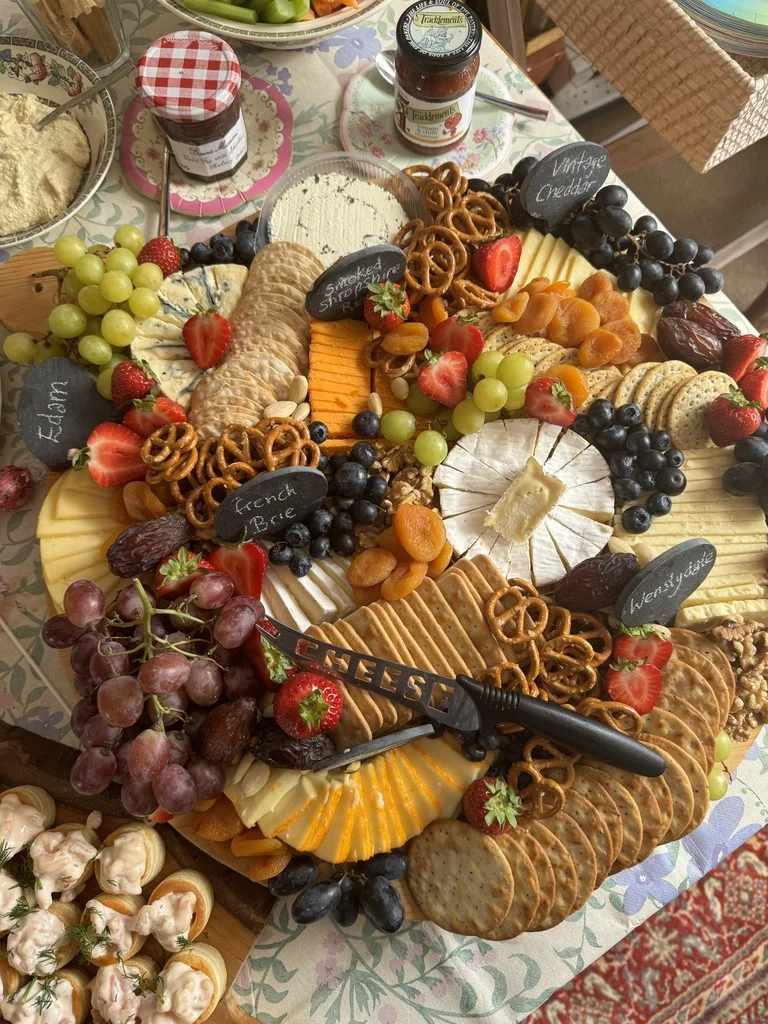
The brunch phenomenon has evolved from a leisurely weekend indulgence into a cornerstone of modern social hosting, bridging the gap between breakfast and lunch to serve as a versatile solution for milestone celebrations. Whether commemorating an anniversary, a birthday, or a corporate milestone, the late-morning format offers a unique intersection of culinary creativity and social accessibility. As consumer trends shift toward more intimate, cost-effective, and flexible gatherings, the art of brunch hosting has become a focal point for event planners and home hosts alike.

The Evolution and Economic Context of Brunch
Historically rooted in the late 19th century, brunch has transcended its origins as a meal for the wealthy to become a democratic social institution. Market analysis indicates that the "brunch economy" remains resilient, with a significant increase in consumer preference for day-time social gatherings over late-night dining. Industry experts note that brunch provides a higher return on investment for hosts compared to dinner parties, as breakfast-inspired ingredients—such as eggs, seasonal produce, and grains—generally carry a lower price point than formal dinner proteins. Furthermore, the timing of brunch, typically occurring between 10:00 a.m. and 2:00 p.m., aligns with evolving lifestyle preferences that favor daytime socialization and extended afternoon leisure.
Strategic Decision-Making: Venue Selection
Choosing between a residential setting and a commercial venue is the primary logistical decision in the planning process. Hosting at home grants the organizer total creative control over the atmosphere and budget, allowing for a personalized narrative that reflects the guest of honor. However, this option requires significant labor in terms of procurement, preparation, and post-event cleanup.

Conversely, the professional hospitality sector has responded to the demand for celebratory brunching by offering specialized packages. Many high-end establishments now offer "bottomless" or prix-fixe brunch services, which provide a predictable cost structure for organizers. According to industry feedback from hospitality managers, group bookings for brunch have seen a 15% year-over-year increase, as guests seek the convenience of professional service without the burden of household management. For large-scale events, such as engagement parties or reunions, restaurants provide the infrastructure to handle high volumes of guests that might otherwise overwhelm a private home.
Culinary Architecture: Developing a Balanced Menu
A successful brunch menu relies on the principle of variety, balancing sweet and savory profiles while incorporating diverse textures. Culinary consultants emphasize the importance of a "menu hierarchy," which includes a primary, substantial dish supported by smaller, secondary offerings.

- The Primary Anchor: A central dish, such as a crustless quiche, a vegetable-forward frittata, or a substantial grain salad, provides the nutritional foundation.
- The Sweet Counterpoint: Incorporating a sweet element—such as seasonal fruit compotes, yogurt parfaits, or light pastry—offsets the intensity of savory main courses.
- The Communal Element: A curated platter, such as a cold-smoked salmon arrangement with capers and artisanal breads, encourages interaction among guests.
To maximize efficiency, hosts are encouraged to adopt the "buffet-style" service model. This reduces the pressure on the host to manage individual plating and allows for a more relaxed, continuous flow of conversation. Nutritionists also suggest ensuring that at least 30% of the menu consists of fresh, unprocessed produce to maintain a light and energetic tone throughout the event.
Chronological Planning for Operational Success
Efficiency in event planning is directly correlated to the adherence to a structured timeline. Professional caterers recommend a 48-hour lead time for optimal execution:

- T-Minus 48 Hours: Finalize the guest list and dietary requirements. Procure non-perishable goods and beverages to avoid last-minute shortages.
- T-Minus 24 Hours: Execute "mise en place." Chop vegetables, prepare dressings, and pre-assemble components that can be refrigerated. Set the dining area to ensure aesthetic cohesion.
- T-Minus 4 Hours: Begin active cooking. Focus on dishes that require oven time, such as casseroles or bakes.
- T-Minus 1 Hour: Finalize cold dishes and arrange the beverage station.
- Arrival: The host should be fully transitioned from the kitchen to the social space to greet guests, which is only possible if the majority of the work is completed in advance.
Beverage Management and Social Dynamics
The inclusion of a well-curated beverage station is essential to the modern brunch experience. Beyond standard coffee and tea, the rise of "DIY" drink stations has become a hallmark of contemporary hosting. Offering a selection of juices, sparkling wine, and fresh garnishes—such as berries, cucumber slices, or fresh mint—allows guests to customize their beverages according to their preferences.
From a public health and social responsibility perspective, the provision of high-quality non-alcoholic alternatives is a growing expectation. Infused sparkling waters and house-made iced teas are no longer considered "afterthoughts" but are integral components of a sophisticated beverage menu. Providing these options ensures inclusivity for all guests, regardless of their drinking preferences, and maintains the overall quality of the event.

Aesthetic Considerations and Environmental Impact
The physical environment of a brunch serves as a backdrop for the social interaction. While excessive decoration can clutter the space and inflate the budget, subtle additions—such as monochromatic table linens, seasonal floral arrangements, or a low-decibel, instrumental playlist—can elevate the atmosphere.
Analysis of social event trends suggests that guests are increasingly appreciative of "intentional hosting," where small, personalized touches are prioritized over grand, expensive displays. For instance, the use of hand-written place cards or a printed menu at each seat provides a sense of formality and thoughtfulness that elevates the experience from a casual breakfast to a meaningful celebration.

Broader Implications for Social Cohesion
Hosting a brunch is more than a culinary exercise; it is an act of social maintenance. In an era where digital communication often replaces physical presence, the effort required to host a gathering facilitates deeper interpersonal connections. Sociologists have noted that the "late-morning" timing of brunch serves as a less intimidating and more relaxed social window compared to the evening, which is often associated with higher pressure and stricter expectations.
Furthermore, the environmental impact of hosting a brunch can be minimized by selecting seasonal, locally sourced ingredients and minimizing single-use plastics. By focusing on quality over quantity and planning menus that account for specific guest counts, hosts can reduce food waste—a critical consideration in modern event planning.

Conclusion: The Future of the Celebratory Brunch
As we look toward the future of social hosting, the emphasis remains on balance—the balance between the effort of the host and the enjoyment of the guest, and the balance between culinary ambition and practical reality. Whether through a home-prepared feast or a curated experience at a local restaurant, the goal of a perfect brunch remains consistent: to provide a comfortable, high-quality space for friends and family to connect.
By leveraging organized timelines, thoughtful menu design, and a welcoming environment, the modern host can navigate the complexities of event planning with confidence. Ultimately, the success of a celebration is measured not by the complexity of the menu, but by the quality of the interactions it fosters. As brunch continues to adapt to new cultural norms, it remains a timeless, essential, and highly effective framework for marking life’s most important, and most casual, celebrations.
