
Historical Context and Maritime Origins
The name of the cake is derived from the "coble," a traditional flat-bottomed fishing boat characterized by a high, sweeping bow. Historically, these vessels were designed to navigate the notoriously rough and unpredictable waters of the North Sea, which borders the Yorkshire coast. The design of the coble allowed fishermen to launch from shallow beaches and navigate surf with relative stability.

In the 19th and early 20th centuries, as the fishing industry defined the economic and cultural landscape of the region, local bakers sought to create sustenance that was both portable and calorie-dense for those working at sea or in the bustling harbors. While the precise origins of the Coble Cake remain undocumented in formal archives, culinary historians suggest it emerged as an adaptation of the Victorian sponge—a base recipe that was accessible and versatile. By incorporating warm spices like ginger, cinnamon, and nutmeg, local bakers infused a sense of comfort and preservation, as these spices were historically associated with longevity and warmth during the damp, cold months characteristic of Northern England.

Culinary Evolution: The Two Varieties of Coble
A significant point of confusion often arises between the "Coble Cake" and the "Cobble Cake." Research into regional vintage recipes indicates that there are two distinct variations. The first, often referred to as a "Cobble Cake," is an individual biscuit-style bake. These are traditionally characterized by a denser crumb, often featuring almonds, candied citrus peel, and a heavy hand of mixed spices, finished with a bright lemon and vanilla icing.

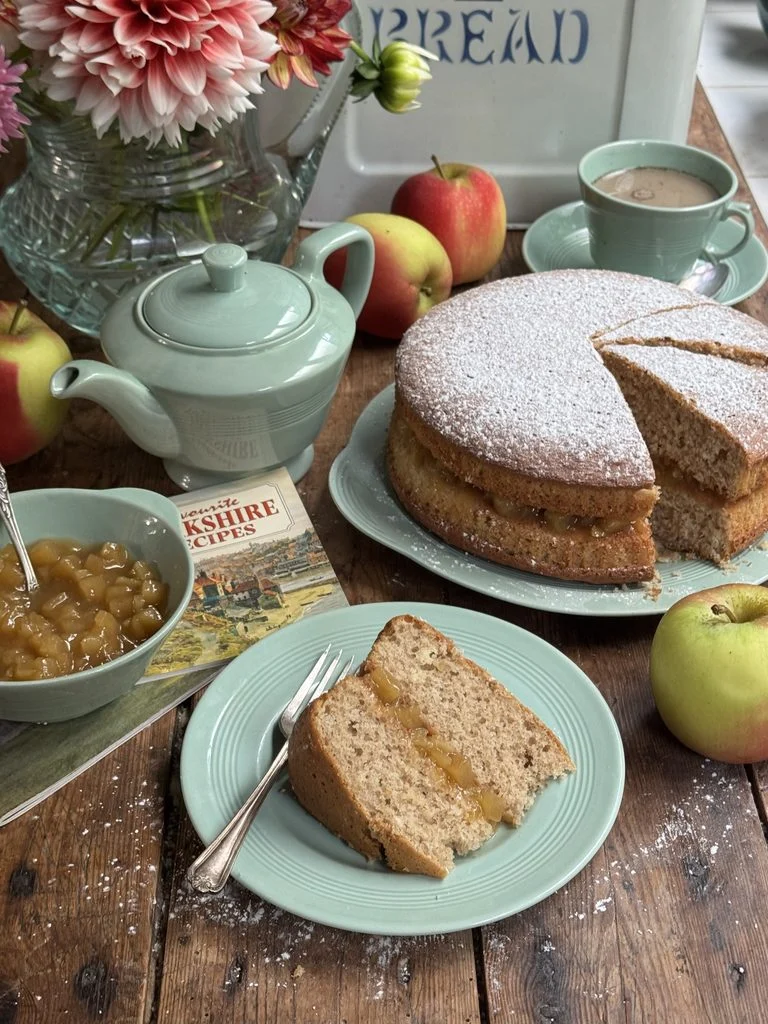
The second variation—the focus of contemporary regional interest—is the classic Yorkshire Coble Cake. This is essentially a spiced Victoria-style sponge. Unlike the individual biscuit, this is a layered cake that acts as a canvas for seasonal produce, most notably Bramley apples. The inclusion of apple compote or sauce reflects the historical reliance on orchard fruits that thrived in the North Yorkshire climate. The cake represents a classic "pudding-style" bake, favored for its ability to remain moist even when served several days after baking.

The Role of Bramley Apples in Northern Baking
The use of the Bramley apple is not incidental. The Bramley, which originated in Southwell, Nottinghamshire, in the early 19th century, became the standard for British culinary applications due to its high acidity and its tendency to froth and break down into a smooth, thick consistency when cooked.

In the preparation of a traditional Yorkshire Coble Cake, the apple component is central to the structural integrity and flavor profile of the dessert. Culinary experts note that the contrast between the warming, pungent spices—cinnamon, ginger, and nutmeg—and the sharp, acidic bite of the Bramley apple creates a balanced flavor profile that is distinctively Northern. While modern commercial production often utilizes refined, store-bought apple sauces, traditionalists argue that a homemade compote, cooked slowly with minimal water, is essential to maintaining the authentic texture that differentiates a true Coble Cake from a standard apple sponge.

Socio-Economic Impact on Regional Tourism
In recent decades, the preservation of traditional recipes like the Coble Cake has become intertwined with the economic revitalization of North Yorkshire’s coastal towns. Following the decline of the traditional white-fish industry in the late 20th century, towns such as Whitby and Staithes pivoted toward tourism, relying heavily on the promotion of local heritage.

The "tearoom culture" of North Yorkshire serves as an informal museum for these culinary traditions. According to local tourism data, visitor engagement with "heritage foods" is a significant driver for regional travel. By serving traditional items like the Coble Cake, independent tearooms provide an authentic sensory experience that connects tourists to the maritime history of the area. This has created a small but stable niche economy for local bakers who specialize in traditional, non-industrialized methods of production.

Scientific and Nutritional Profile
From a nutritional perspective, the Yorkshire Coble Cake is a high-energy food, which aligns with its historical purpose as a source of sustenance for working-class populations. A standard serving contains approximately 357 calories, with a notable fat content of 20 grams, primarily derived from butter, and 42 grams of carbohydrates.

While these figures reflect the indulgent nature of the cake, the presence of fruit fiber from the apple filling and the use of aromatic spices—which possess mild anti-inflammatory properties—place it within the spectrum of traditional, wholesome, yet calorie-dense British desserts. It is typically served with double cream or clotted cream, adding to its status as a "pudding-style" cake, a term often used in British English to denote a dessert served warm rather than a formal, tiered celebration cake.

Preparation and Contemporary Methodology
Modernizing the preparation of the Coble Cake requires adherence to specific technical standards to ensure the correct "sponge" texture. The process involves a standard creaming method—beating butter and sugar until aerated, followed by the gradual integration of eggs and the careful folding of flour and spices.

The critical step lies in the assembly. The cake must be cooled completely in its tins to ensure the crumb sets, preventing the structure from collapsing under the weight of the apple filling. The application of the apple compote between the two sponge layers is a technique that mirrors the Victoria Sandwich, but the infusion of spices in the batter differentiates it. Experts suggest that for optimal results, the cake should be served slightly warm, allowing the aromatic compounds of the spices to be released. A light dusting of icing sugar is the traditional finish, avoiding the use of heavy frostings that might mask the delicate, fruity profile of the sponge.

Future Outlook and Cultural Preservation
The ongoing interest in the Yorkshire Coble Cake is part of a broader trend of "gastronomic regionalism" in the United Kingdom. As consumers become increasingly wary of ultra-processed, mass-produced confectionery, there has been a resurgence in demand for recipes that possess a clear geographic and historical provenance.

Food historians and heritage organizations are currently working to digitize and preserve these oral histories and handwritten recipes, ensuring that the techniques involved in making a traditional Coble Cake are not lost to time. By documenting the nuances of spice ratios and the specific apple varieties preferred by local bakers, these organizations hope to maintain the integrity of the recipe against the encroachment of standardized, globalized baking trends.

The Yorkshire Coble Cake remains more than just a recipe; it is a cultural artifact. Whether served in a bustling harbor-side tearoom or a home kitchen, it serves as a testament to the resilience of North Yorkshire’s maritime community and the enduring appeal of simple, high-quality ingredients transformed by tradition. As long as the coastal towns of Whitby and Staithes continue to value their heritage, the Coble Cake will likely remain a fixture on the menus of Northern England, offering a taste of history in every slice.
