
The Competition and Culinary Standards
The Lincolnshire Day event, an annual celebration of the county’s history, agriculture, and cultural identity, serves as a significant platform for local producers and artisans. The plum bread category, which has become a focal point of the festivities, requires entrants to demonstrate mastery over a recipe that dates back centuries. While the term "plum" in the title is historically misleading—referencing the archaic use of the word to describe various dried fruits rather than the stone fruit itself—the expectations for the loaf are rigorous. Judges evaluated entries based on crumb structure, the balance of spice, the quality of dried fruit, and the overall depth of flavor.

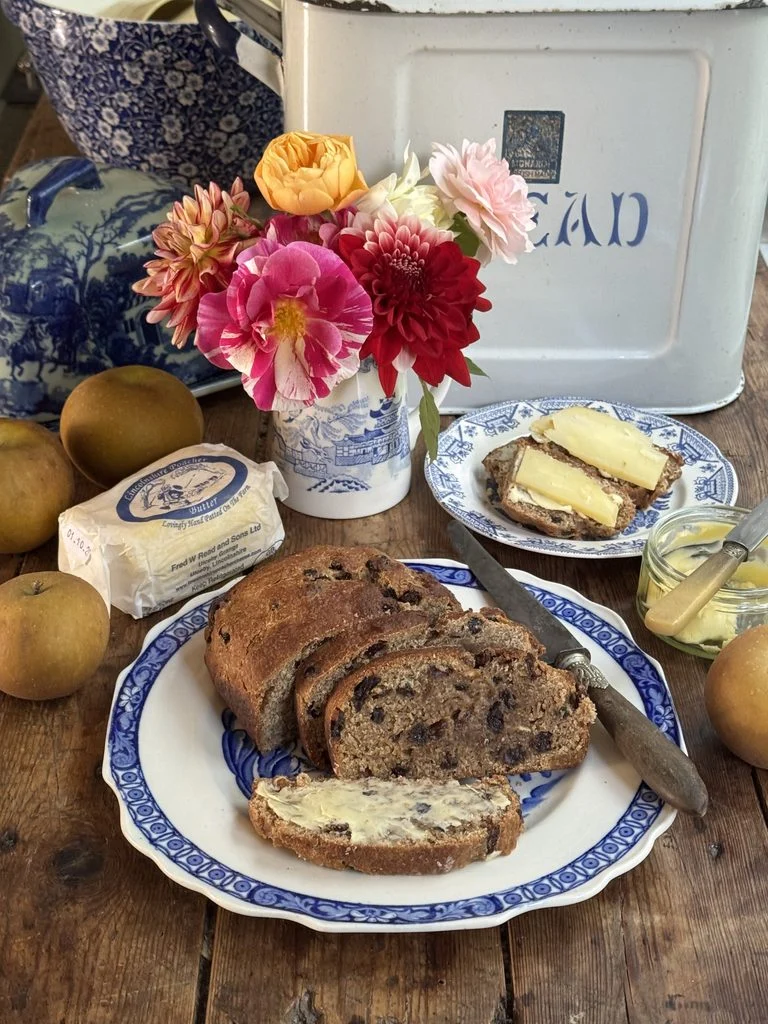
The winning loaf was crafted using wholemeal flour sourced from the South Ormsby Estate, a notable producer that mills its own grain on-site. By incorporating locally sourced, free-range eggs and high-quality dairy—specifically the renowned Lincolnshire Poacher butter and cheese—the entry underscored the importance of regional provenance in traditional baking. The decision to present the bread both plain and as an accompaniment to artisanal cheese served to demonstrate the product’s versatility, reinforcing its historical status as a staple for both sweet and savory consumption.

A Historical Perspective on the Yule Loaf
The origins of Lincolnshire Plum Bread are deeply rooted in the agrarian history of the East Midlands. Often referred to historically as a "yule loaf," the bread was a traditional fixture during the winter solstice and Christmas season. Its dense, fruit-heavy composition was designed to sustain laborers and families throughout the colder months.

Throughout the mid-20th century, the recipe remained a well-guarded secret in many local households. The version presented at this year’s competition draws from an authentic family archive, originally recorded in the early 1960s. While the original recipe was intended to produce a large-scale batch of four loaves, the updated version has been precision-engineered for modern domestic kitchens, yielding two loaves while maintaining the integrity of the original crumb and texture. This adaptation was previously recognized by noted food writers such as Felicity Cloake, who highlighted the recipe’s cultural significance in national media, cementing its status as an exemplar of traditional British baking.

The Shift Toward Regional Artisanal Baking
The resurgence of interest in authentic, slow-fermented plum bread mirrors a broader trend within the United Kingdom’s culinary landscape. As consumer preferences shift away from ultra-processed, mass-produced baked goods, independent bakeries and home bakers are revisiting heritage recipes that prioritize fermentation time and high-quality raw ingredients.

In Lincolnshire, this movement is particularly visible. Local institutions, such as Myers Bakery, have maintained a year-round presence for the loaf, preventing the product from becoming merely a seasonal novelty. The success of the yeast-raised entry in this year’s competition provides empirical evidence that, despite the prevalence of convenient, non-yeasted alternatives, there remains a strong consumer and judge preference for the complexity of flavor provided by traditional leavening.

Nutritional Profile and Culinary Utility
From a nutritional standpoint, traditional plum bread occupies a unique space. With approximately 168 calories per serving, it offers a dense source of energy derived from its complex carbohydrate profile and fiber content, provided primarily by the inclusion of currants, raisins, and sultanas. Unlike modern cakes, which often rely on high concentrations of refined sugar, the traditional plum bread utilizes the natural fructose present in the dried fruit to provide sweetness.

Culinary experts frequently advise that the bread is best consumed either toasted or served slightly warm, accompanied by a sharp, mature cheese. This pairing highlights the contrast between the spiced, fruit-forward crumb and the savory, umami-rich notes of regional cheeses like the Lincolnshire Poacher. This duality—serving as both a breakfast item and an accompaniment to a savory cheese board—is perhaps the defining characteristic that has allowed the loaf to persist as a regional specialty for centuries.

Broader Implications for Heritage Preservation
The recognition of this specific recipe at the Lincolnshire Day event acts as more than a mere accolade; it functions as a form of cultural preservation. By documenting the exact methodology of the yeast-raised loaf, the competition ensures that the technical skills required to produce it are passed to a new generation of bakers.

Furthermore, the emphasis on local supply chains—such as the reliance on the South Ormsby Estate’s flour—illustrates the symbiotic relationship between regional agriculture and traditional cuisine. As local estates and independent mills continue to supply high-quality grains, the feasibility of maintaining these "slow food" traditions becomes increasingly viable.

Looking forward, the success of this traditional approach suggests a potential for further regional branding. As Lincolnshire continues to market itself as a culinary destination, the standardization and promotion of authentic regional recipes like the Plum Bread provide a tangible connection to the past. The data from the competition, including the high volume of entries and the clear preference for the yeast-based method, indicates that regional identity is being increasingly expressed through the preservation of such culinary artifacts.

Conclusion: The Future of the Loaf
The preservation of the Lincolnshire Plum Bread is a testament to the resilience of local food traditions. By balancing historical fidelity with necessary modern adaptations—such as batch size reduction—the current iteration of the recipe ensures its continued relevance in the contemporary kitchen. Whether enjoyed as part of a festive celebration or as a daily staple in a local bakery, the bread serves as a reminder of the value of patience in the baking process. The success of this traditional, competition-winning recipe serves as a clear signal that, in the world of heritage baking, the old methods are not only still relevant but are, in many cases, superior to their modern counterparts. As the county looks to future celebrations, the Plum Bread will undoubtedly remain a symbol of both local pride and the enduring quality of time-honored craftsmanship.
