
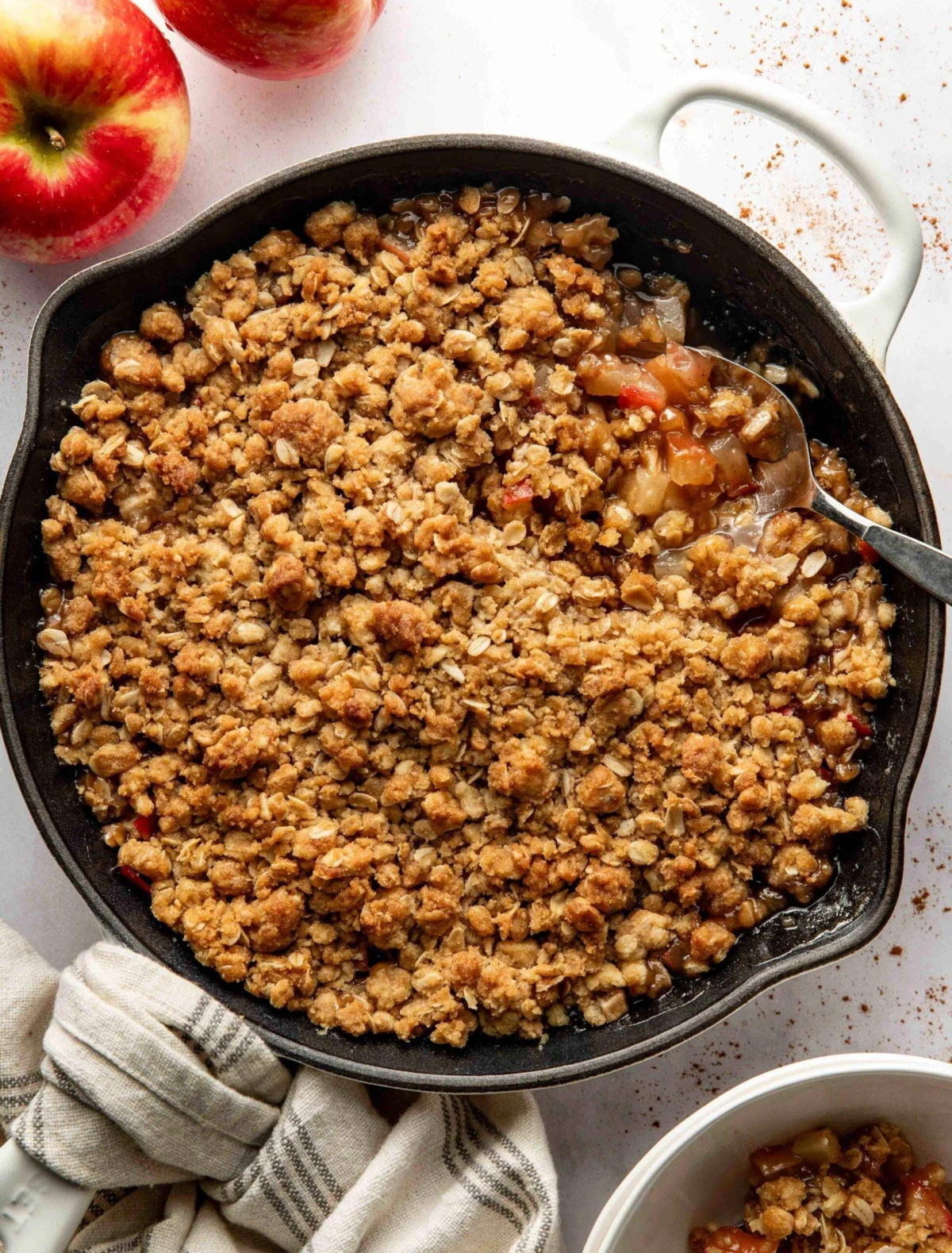
The tradition of the apple crisp, a quintessential North American dessert, has undergone a significant resurgence in contemporary home cooking, positioning it as a staple of autumn culinary culture. While recipes for baked fruit desserts date back to the early 20th century—frequently cited in cookbooks as a simpler alternative to the labor-intensive apple pie—the modern iteration has evolved to prioritize texture, speed, and the integration of seasonal harvests.
Historical Context and Culinary Evolution
The apple crisp, or "apple crumble," traces its roots to the British Isles and the post-World War II era in the United States. During periods of food rationing, the ability to create a high-calorific dessert using limited pantry staples—specifically flour, sugar, and fat—became a necessity. The "crisp" variation, distinguished from the "crumble" by the inclusion of oats in the topping, gained popularity in the 1950s as a domestic solution for utilizing the massive surplus of autumn apple crops.
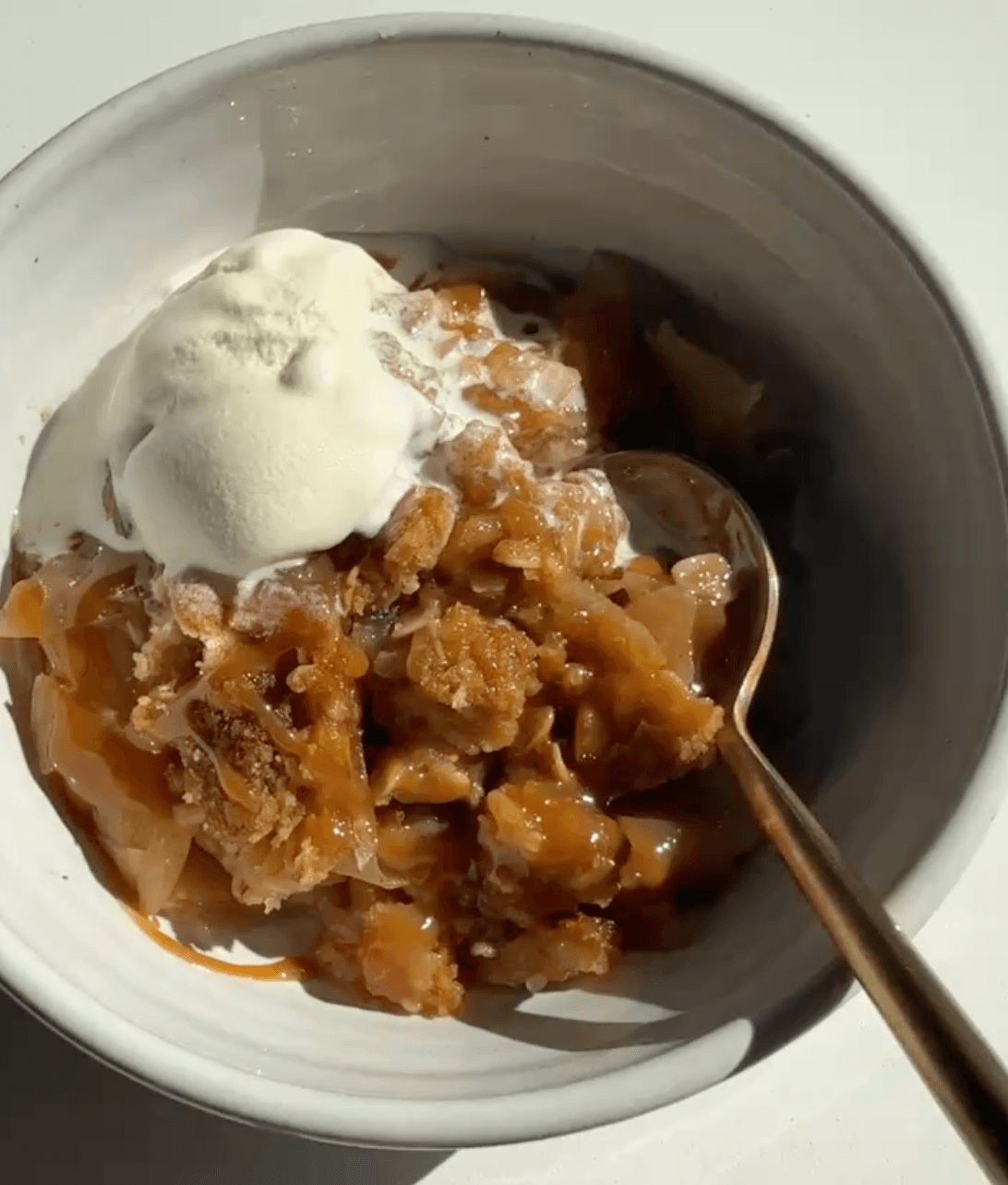
In recent years, the dish has transitioned from a utilitarian leftover-management tool to a centerpiece of seasonal dining. Culinary historians note that the appeal lies in the "jammy" consistency achieved by the high pectin content in apples, which, when macerated with sugar and spices, creates a syrup that binds the fruit, providing a stark textural contrast to the structural integrity of the oat-based topping.

Anatomy of the Dish: A Technical Breakdown
The success of an apple crisp relies heavily on the selection of fruit. While varieties such as Granny Smith are favored for their tartness and ability to hold shape under heat, many modern home chefs have pivoted toward Honeycrisp apples. Developed by the University of Minnesota and released in 1991, the Honeycrisp offers a balance of acidity and sweetness that requires less added sugar, making it the preferred choice for a cleaner, fruit-forward flavor profile.
From a culinary chemistry perspective, the interaction between the fruit layer and the topping layer is governed by the Maillard reaction. As the butter, brown sugar, and oats are subjected to oven temperatures between 350°F and 375°F, the sugars undergo caramelization, creating a crisp, golden-brown crust. Simultaneously, the heat triggers the breakdown of cellulose in the apples, releasing juices that thicken into a compote-like consistency when mixed with the small amount of flour typically added to the fruit base.
Chronology of Preparation
The assembly of a high-quality apple crisp follows a standardized sequence designed to optimize texture:
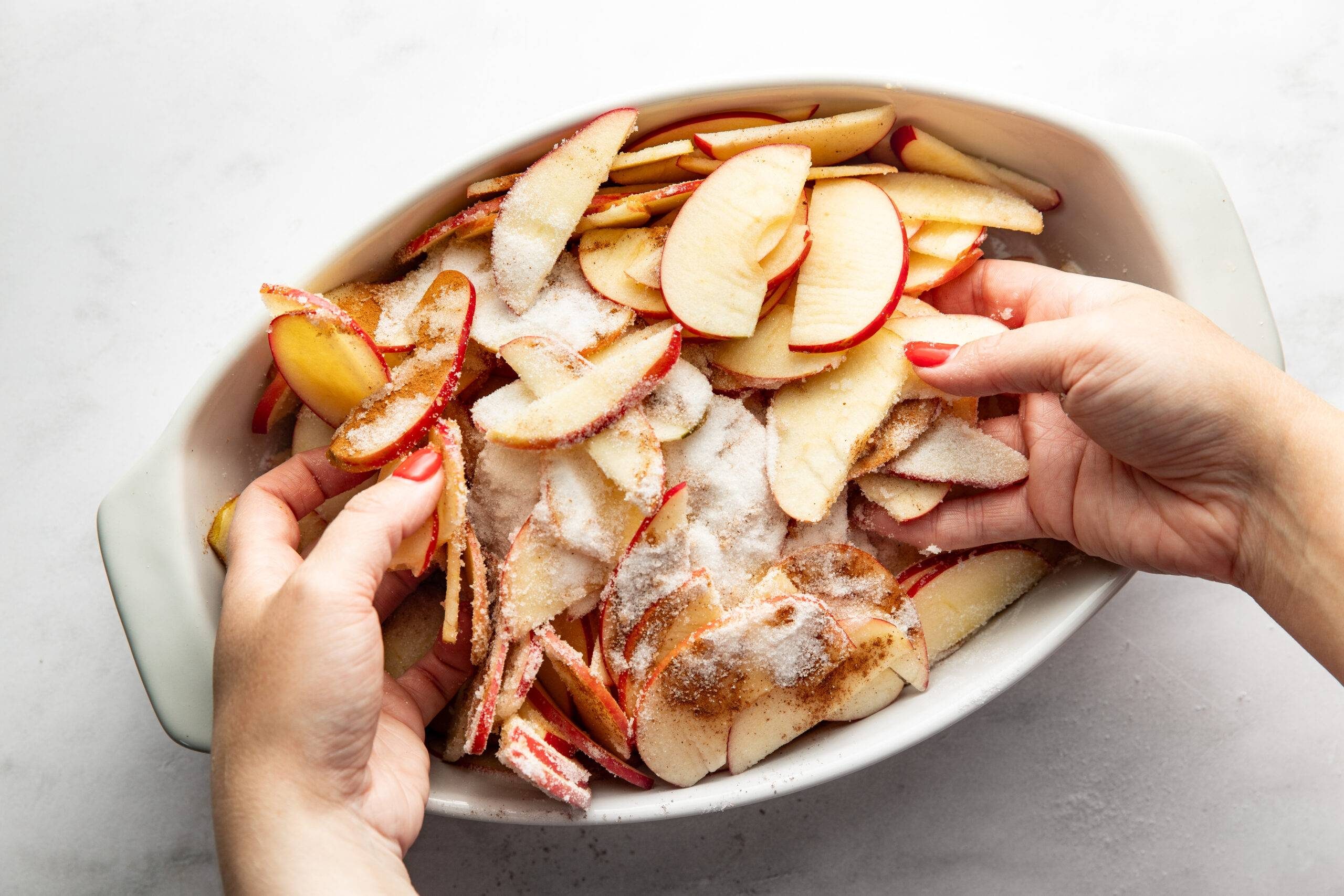
- Fruit Preparation: The process begins with the slicing of the apples. While manual dicing is traditional, modern techniques often utilize a mandoline to ensure uniform thickness. Uniformity is critical; inconsistent slices lead to uneven cooking, where some pieces may turn to mush while others remain raw.
- Maceration: Tossing the apples with sugar, cinnamon, and a binding agent (usually flour or cornstarch) is essential. This stage allows for osmosis, where the sugar draws moisture out of the apple cells, pre-preparing the fruit for the jammy texture.
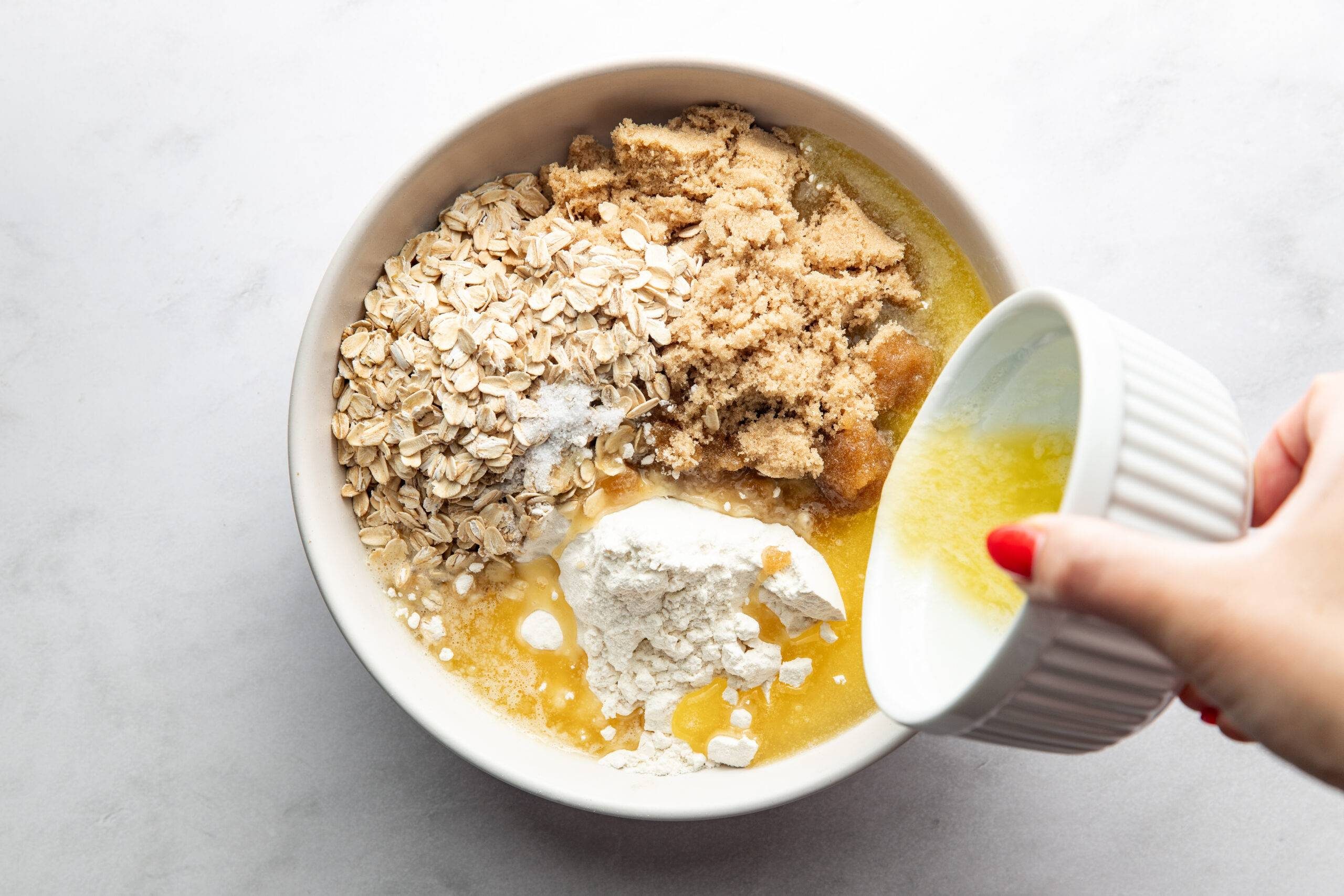
- Topping Construction: The dry ingredients—typically oats, brown sugar, flour, and butter—must be combined until the mixture reaches a coarse, crumbly texture. The use of cold butter is frequently recommended to ensure that the topping maintains structure during the baking process rather than melting into a singular, dense layer.
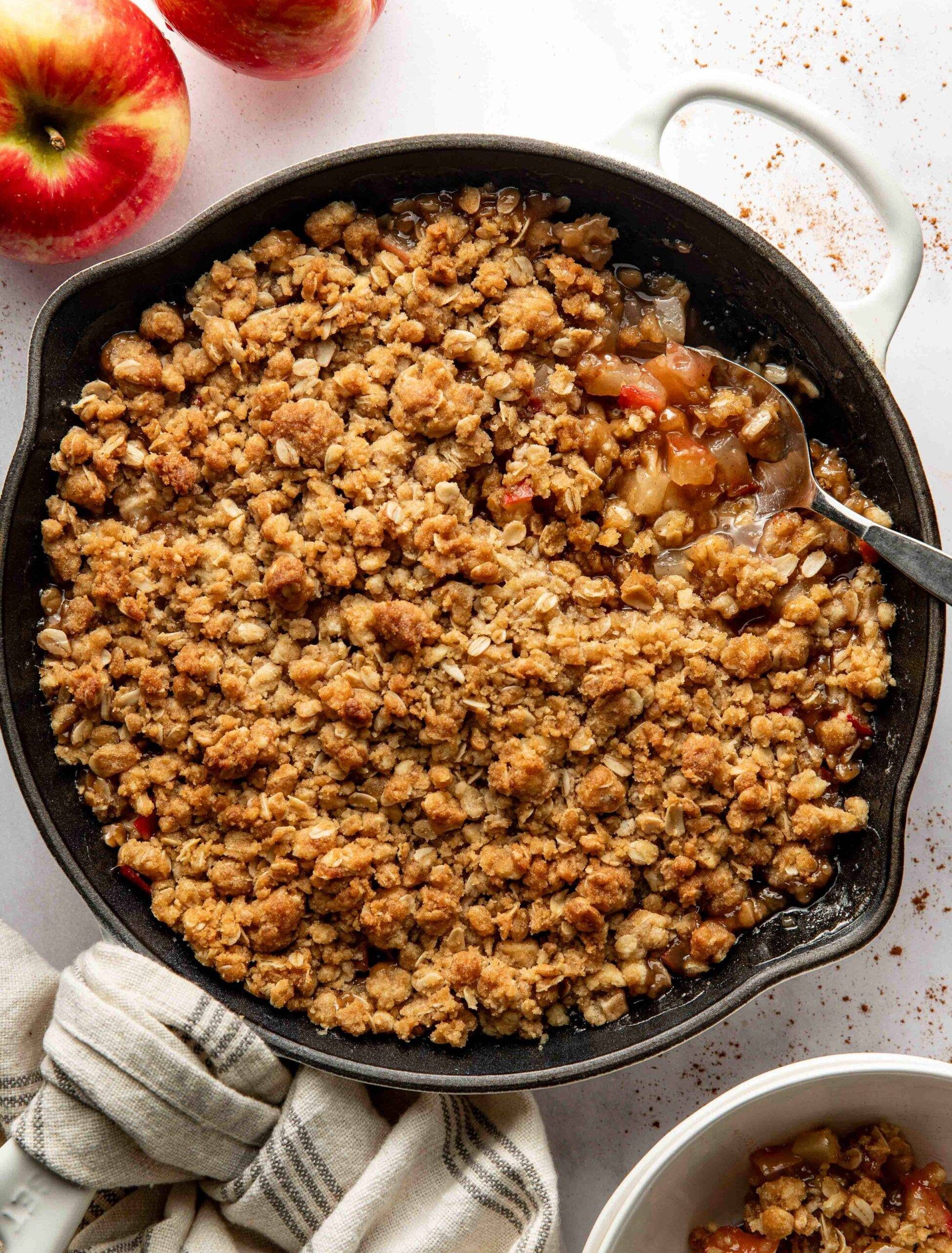
- Baking: The final stage involves high-heat exposure in a vessel—preferably cast iron. Cast iron is particularly valued for its thermal mass, which retains heat and provides a consistent, conductive cook that promotes a crisp base even if the juices bubble up around the edges.
Market Trends and Consumer Behavior
According to retail data from the autumn months, sales of baking supplies—specifically rolled oats, cinnamon, and brown sugar—consistently spike by 20% to 30% between late September and November. This surge correlates with the harvest window for major apple-producing states such as Washington, New York, and Michigan.

Sociologists observing food trends suggest that the popularity of the apple crisp is driven by a broader movement toward "slow living" and "cozy" aesthetics. The domestic practice of baking a warm dessert is increasingly viewed as an antidote to the digitalization of leisure time. In an era dominated by high-speed convenience, the deliberate, multi-step process of preparing a rustic dessert provides a sensory experience that aligns with seasonal shifts in consumer behavior.
Nutritional and Dietary Considerations
While apple crisp is a comfort food, it offers a nutritional profile distinct from deep-fried or heavily processed desserts. Apples provide a source of dietary fiber and vitamin C, and the inclusion of oats adds complex carbohydrates. However, the caloric density remains high due to the butter and refined sugars. Recent shifts in the industry have seen a move toward modifying the traditional recipe, with some chefs substituting coconut oil for butter or using maple syrup instead of refined brown sugar to cater to health-conscious demographics.
The Role of Domestic Culinary Media
The dissemination of apple crisp recipes via digital platforms has altered how traditional recipes are passed down. Whereas previous generations relied on handwritten index cards or community cookbooks, contemporary preparation is often guided by digital archives and social media tutorials.
Professional chefs and food bloggers have noted that the "recipe notes" format—where the creator provides personal anecdotes alongside technical instructions—serves to build a community of practice. By documenting the "how-to" in photographic steps, creators remove the ambiguity of terminology like "fold" or "crumble," effectively lowering the barrier to entry for novice bakers.
Economic and Environmental Impact
The environmental impact of this tradition is largely positive, as it encourages the use of local, seasonal produce. By choosing locally grown apples, consumers reduce the carbon footprint associated with long-distance food transportation. Furthermore, the practice of using unpeeled apples—a method increasingly championed by modern cooks—reduces food waste. The peel, which contains a significant portion of the apple’s fiber and nutrients, becomes soft during the baking process, rendering the peeling step redundant from a culinary standpoint.
Conclusion and Future Outlook
As we move further into the 21st century, the apple crisp remains a resilient fixture of the culinary landscape. It represents a synthesis of historical necessity and modern preference, surviving because of its simplicity and the inherent satisfaction of the flavor combination. Whether prepared in a state-of-the-art kitchen or a rustic cast iron skillet, the dish serves as a testament to the enduring nature of seasonal comfort.
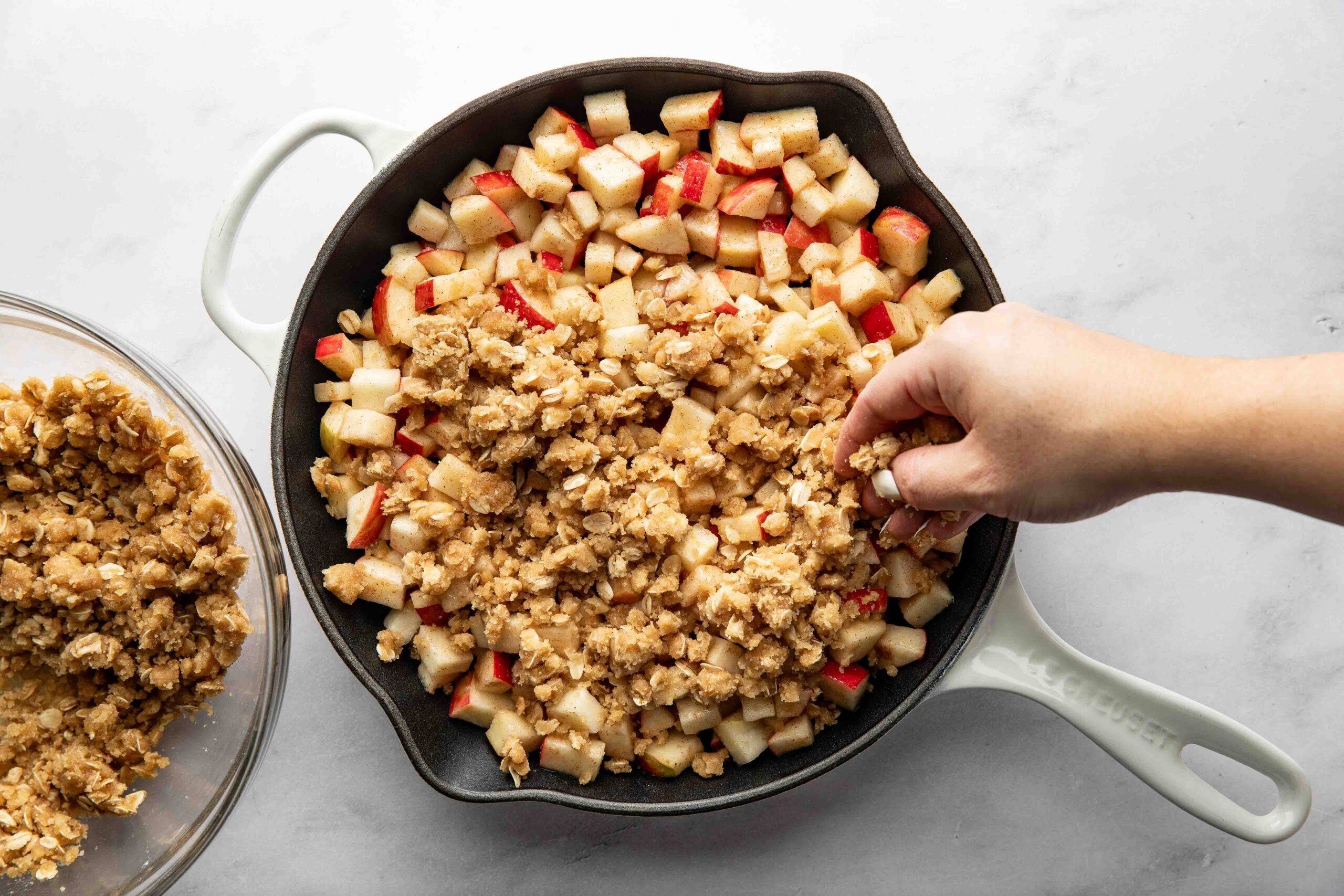
Future developments in the preparation of this dessert will likely continue to emphasize efficiency and ingredient quality. As home cooking continues to prioritize both speed and the use of whole foods, the apple crisp is expected to retain its status as an essential autumn ritual. For those looking to replicate the classic experience, the key remains in the balance: the tart, jammy integrity of the fruit matched by the buttery, textured crunch of the topping, creating a culinary experience that defines the essence of the harvest season.
