
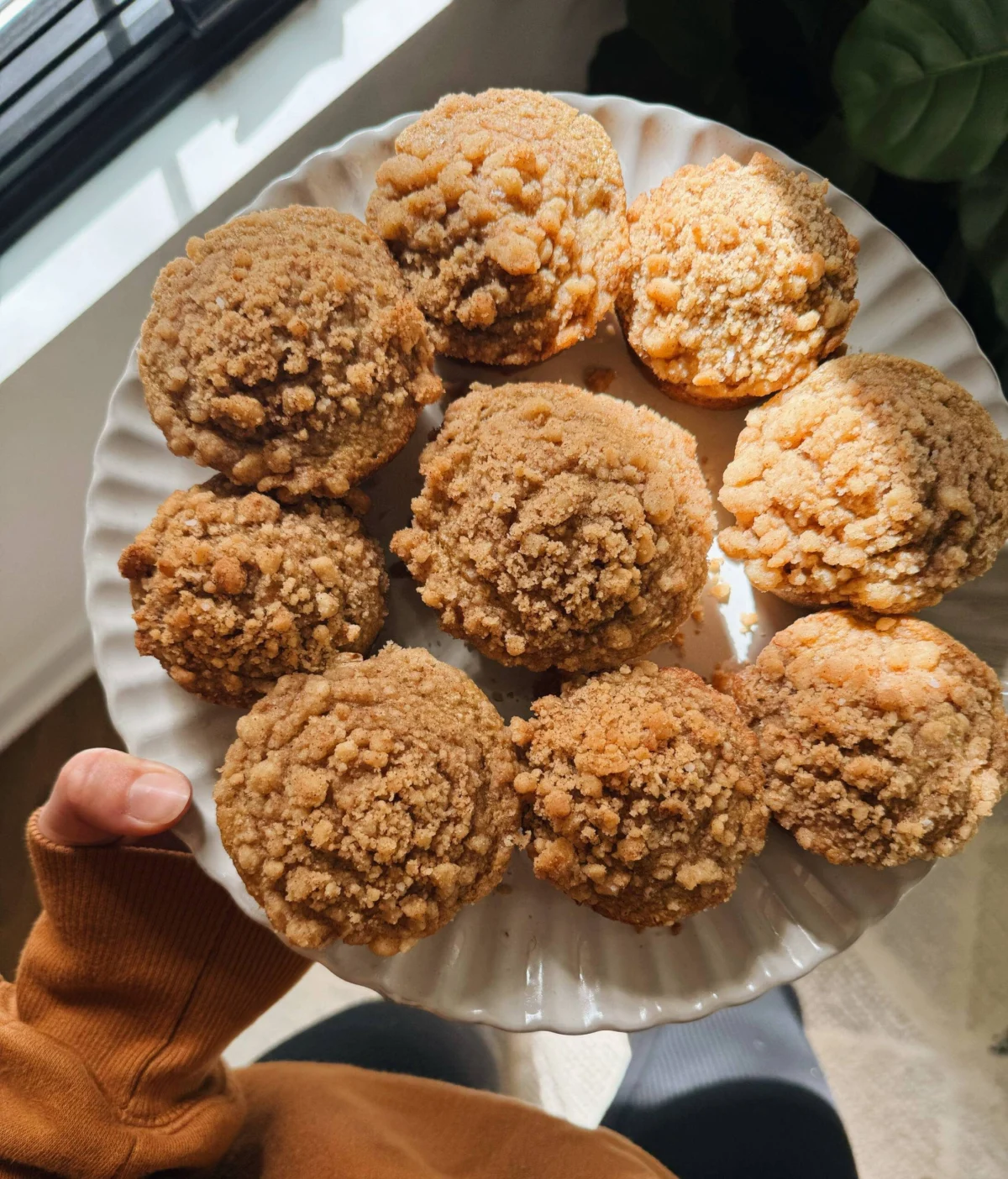
The intersection of seasonal culinary trends and the rise of "meal prep" culture has shifted how modern households approach breakfast. As autumn arrives, the demand for portable, nutrient-dense, and time-efficient morning meals has spiked, leading to the resurgence of home-baked goods that emphasize wholesome ingredients. Among the most popular iterations of this trend are apple streusel muffins, which have become a staple for families seeking to balance nutrition with the traditional comfort of seasonal flavors.
The Evolution of the Breakfast Muffin
Historically, the muffin was a modest accompaniment to tea or coffee. However, the contemporary breakfast landscape, influenced by busy professional schedules and the need for convenient school lunches, has transformed the muffin into a meal replacement. Recent food industry data suggests that "grab-and-go" breakfast items have seen a 12% increase in home preparation frequency over the last three years.
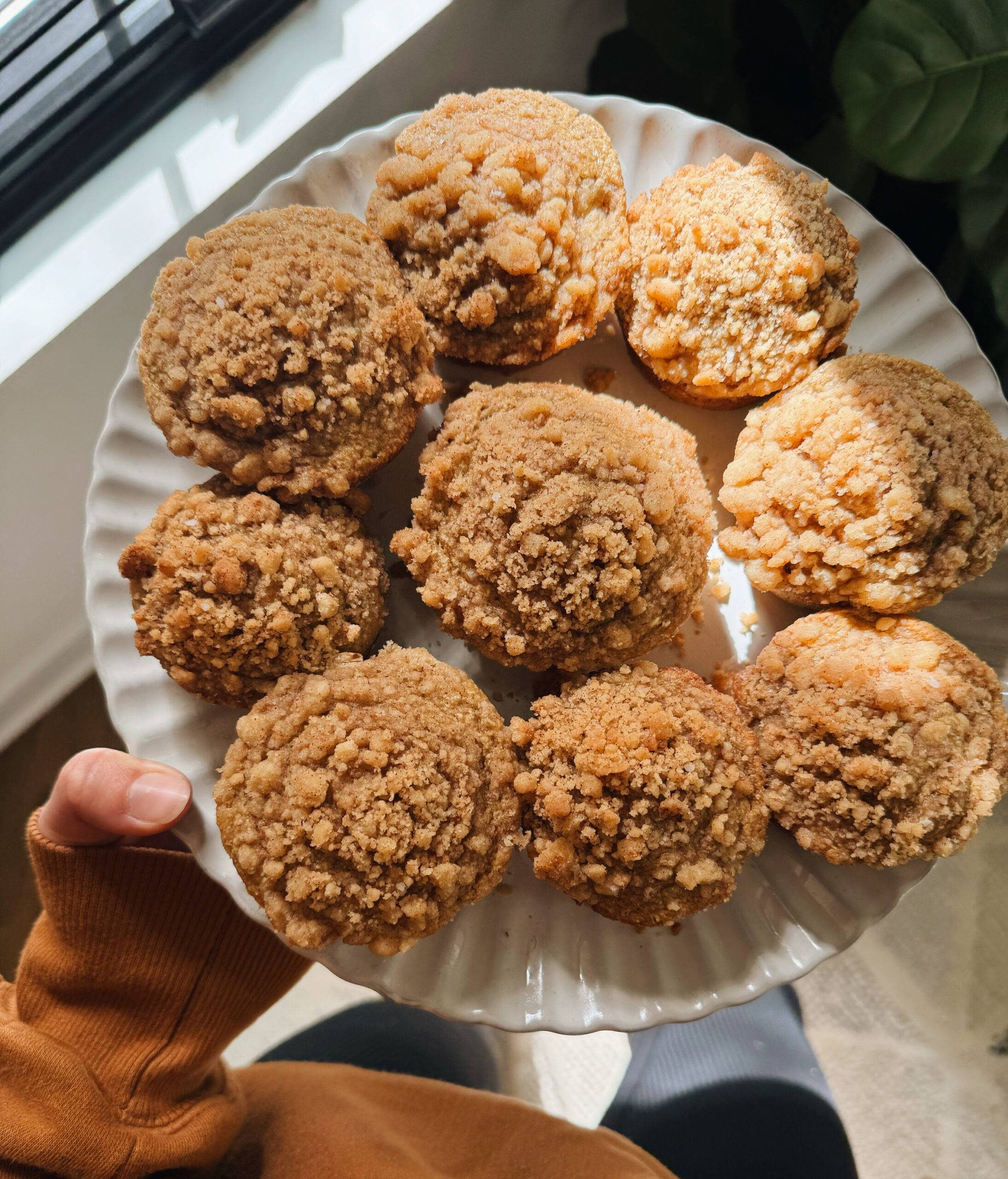
The apple streusel muffin, specifically, captures this shift. By utilizing seasonal produce—namely apples—and incorporating fiber-rich components, these muffins provide a sustained energy release compared to the high-sugar, refined-flour alternatives found in commercial pastry aisles. The inclusion of a brown sugar streusel topping serves as a psychological bridge between health-conscious eating and the indulgence associated with traditional fall baking.
Chronology of the Meal Prep Movement
The "meal prep" movement, which gained significant traction during the global supply chain shifts of 2020, has fundamentally changed domestic kitchen management.
- 2018–2019: Meal prepping was primarily associated with fitness enthusiasts focusing on macronutrient tracking.
- 2020–2021: The home-cooking boom necessitated more efficient strategies. Batch-baking became a standard procedure for parents balancing remote work and education.
- 2022–Present: The focus has shifted toward "wholesome convenience." Consumers are moving away from overly processed convenience foods in favor of homemade, nutrient-dense items that can be frozen and thawed, such as apple, pumpkin, or zucchini muffins.
This timeline reflects a broader socioeconomic shift: the domestic environment is increasingly adopting industrial efficiency standards, such as batch production and inventory management, to mitigate the rising costs of pre-packaged, single-serve snacks.

Nutritional Profile and Ingredient Analysis
The appeal of the apple streusel muffin lies in the versatility of its base ingredients. Nutritionists often point to the benefits of incorporating whole grains and fresh fruit into morning routines. Apples, for instance, provide pectin, a soluble fiber that aids in digestion and blood sugar regulation.
When these muffins are prepared with wholesome alternatives—such as substituting white flour for oat flour or almond meal, and utilizing natural sweeteners like honey or maple syrup—the nutritional profile shifts significantly. A standard store-bought muffin can contain upwards of 40 grams of sugar; a refined, home-prepped version often reduces this by nearly 50%, while increasing protein and fiber content. The streusel topping, while caloric, is increasingly being modified to include rolled oats, nuts, and seeds, adding texture and healthy fats to what would otherwise be a carbohydrate-heavy topping.
Socioeconomic Implications of Home Baking
The decision to engage in regular meal prep, such as baking a weekly supply of muffins, carries implications beyond simple nutrition. It represents a form of "domestic labor optimization." By dedicating a specific block of time—usually during the weekend—to produce a week’s worth of food, households effectively insulate themselves from the price volatility of the grocery sector.
"There is a distinct economic advantage to baking in bulk," says market analyst Julian Thorne. "When you source ingredients like flour, apples, and fats in larger quantities, the cost per unit drops significantly compared to purchasing individual snacks for lunchboxes. Moreover, the health outcomes of consistent, controlled ingredient consumption contribute to long-term wellness savings."
Impact on Family Consumption Patterns
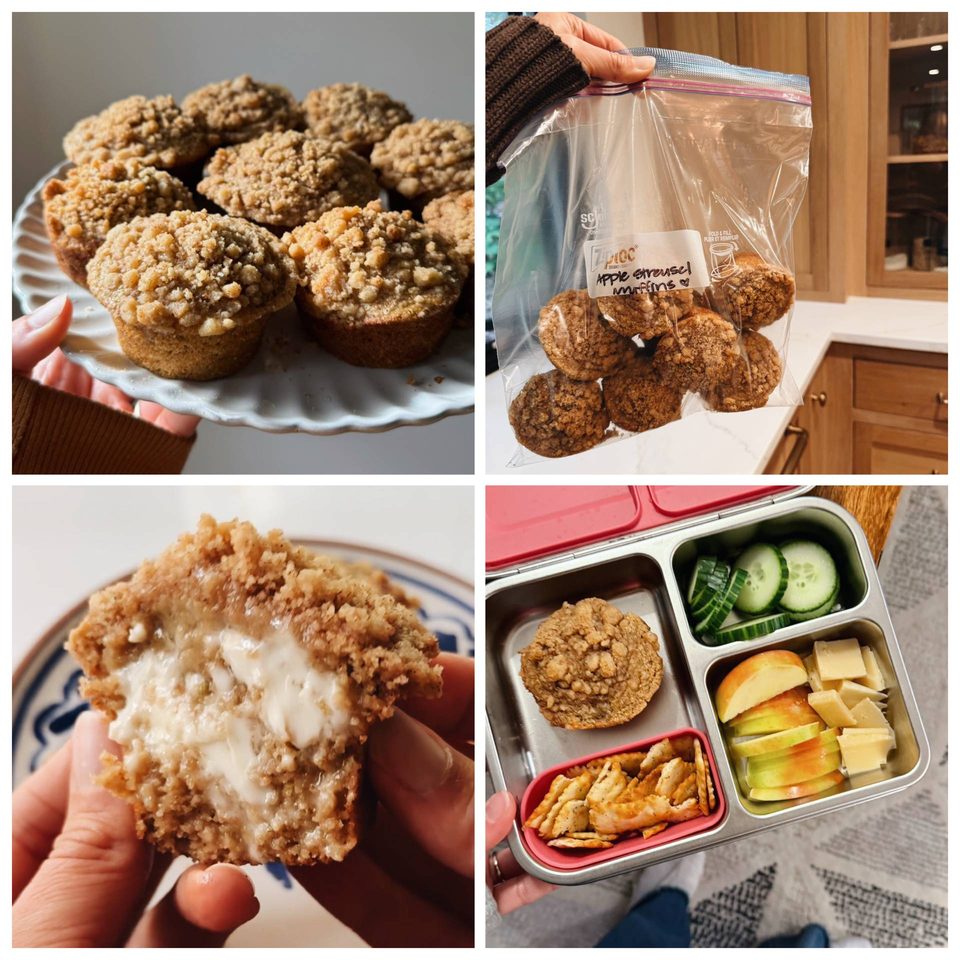
For families, the transition toward homemade snacks has a cascading effect on children’s dietary habits. By integrating nutrient-dense options like apple or zucchini muffins into lunchboxes, parents are normalizing the consumption of fruits and vegetables in formats that are palatable to children.
Educational experts note that school-aged children are more likely to consume produce if it is presented in a familiar, non-intimidating format. The "muffin-as-snack" strategy is a recognized pedagogical tool for improving nutritional intake during the school day. Furthermore, the practice of including these items in lunchboxes reduces reliance on school-provided processed snacks, which often contain higher levels of sodium and artificial preservatives.

Future Trends in Breakfast Preparation
As we look toward the remainder of the autumn season, the trend of "seasonal rotation" is likely to continue. Just as apple muffins dominate the early fall, they will likely be replaced by pumpkin-based recipes as the season progresses, followed by heartier, spice-heavy options as winter approaches.
The technological aspect of this trend should not be overlooked. The prevalence of digital recipe databases and air-fryer technology has lowered the barrier to entry for novice bakers. The ability to quickly air-fry or reheat a frozen muffin in seconds makes it a viable competitor to the cereal bowl or the breakfast bar.
Conclusion
The rise of the apple streusel meal prep muffin is not merely a transient food trend, but a reflection of a broader lifestyle shift. It encapsulates the modern desire for efficiency, health, and comfort. As households continue to navigate the demands of contemporary life, the reliance on high-quality, pre-prepared homemade goods will likely remain a foundational element of the domestic morning routine. By blending the tradition of the home kitchen with the functional requirements of the modern family, these recipes provide a sustainable solution for long-term health and convenience.
