
Historical Context and Brand Influence
The Cinnabon brand, founded by Rich Komen in Seattle, Washington, changed the landscape of mall-based food retail. By introducing a proprietary blend of Makara cinnamon—sourced from the mountains of West Sumatra—the company established a distinct flavor profile that differentiated its product from traditional sticky buns or Danish pastries. The cultural ubiquity of the product has led to a sustained demand for "copycat" or "at-home" versions, as consumers seek to replicate the sensory experience of a freshly baked, warm roll without the necessity of visiting a specialized retail location.
Culinary analysts note that the popularity of these recipes is rooted in the "nostalgia factor" of holiday baking. For many families, the preparation of intricate yeast-based breads is a communal activity associated with Christmas, Thanksgiving, and other significant calendar events. The ability to prepare the dough in advance—a process known as "retarding the dough"—has made these recipes highly practical for hosts who wish to serve fresh breakfast items without the labor of early-morning preparation.
Technical Specifications of the Copycat Method
Achieving the texture of a commercial-grade cinnamon roll at home requires an understanding of dough science. The industry standard for this style of roll involves a "sweet dough," which contains higher levels of sugar, fat (typically butter), and eggs than a standard loaf of bread. This composition creates a tender, brioche-like crumb that remains soft even after cooling.
Data from independent culinary labs suggest that the success of the copycat recipe hinges on three critical phases:
- Proofing and Fermentation: Professional bakers emphasize that the initial rise must be carefully monitored. Over-proofing leads to a collapse in the oven, while under-proofing results in a dense, tough texture.
- The Cinnamon-Sugar Ratio: The hallmark of the Cinnabon experience is the volume of cinnamon used. While standard home recipes might call for one tablespoon, commercial-style replicas often utilize up to 2.5 tablespoons of ground cinnamon. This density of spice requires a higher sugar-to-fat ratio in the filling to ensure that the cinnamon does not become overly bitter or astringent.
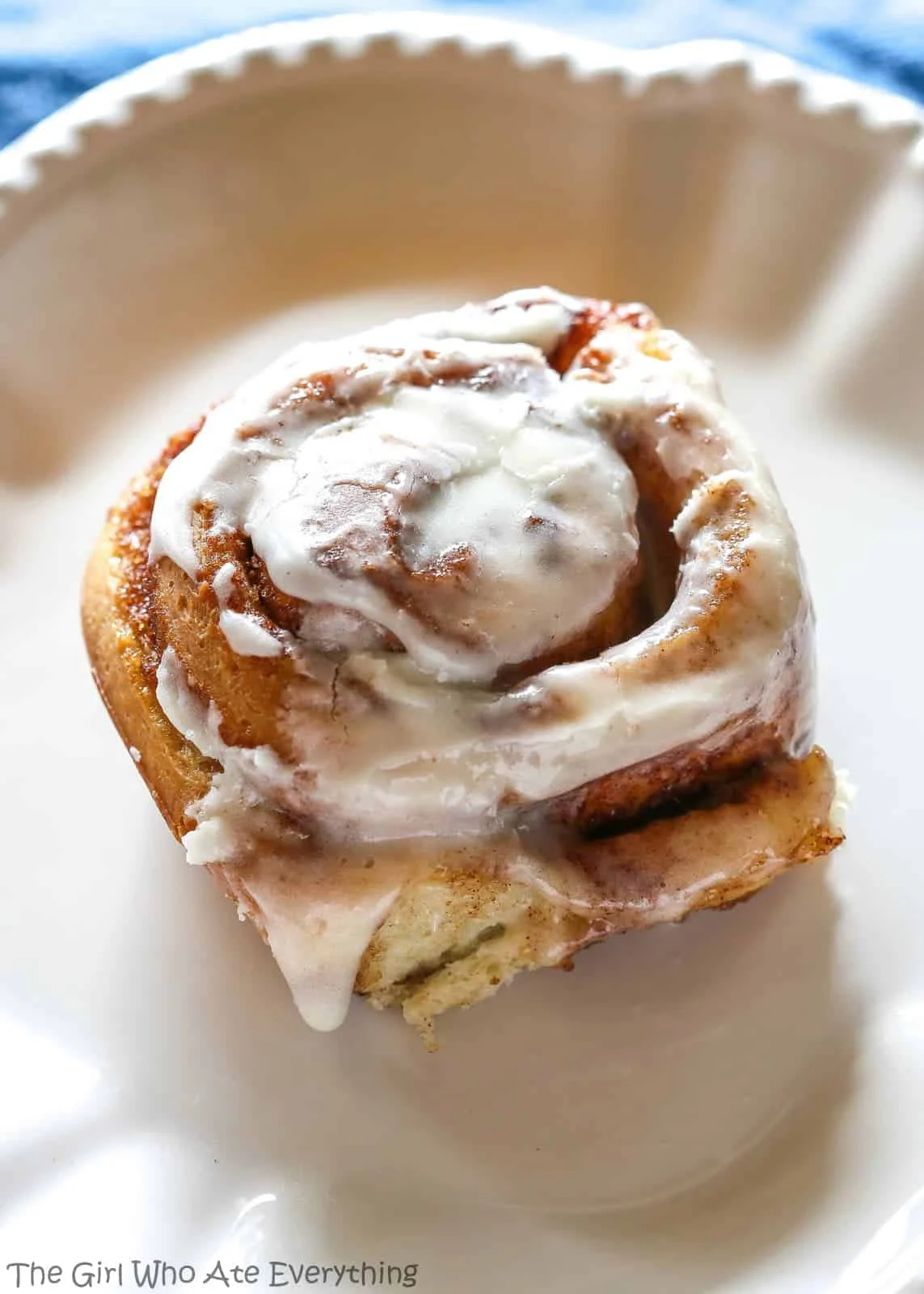
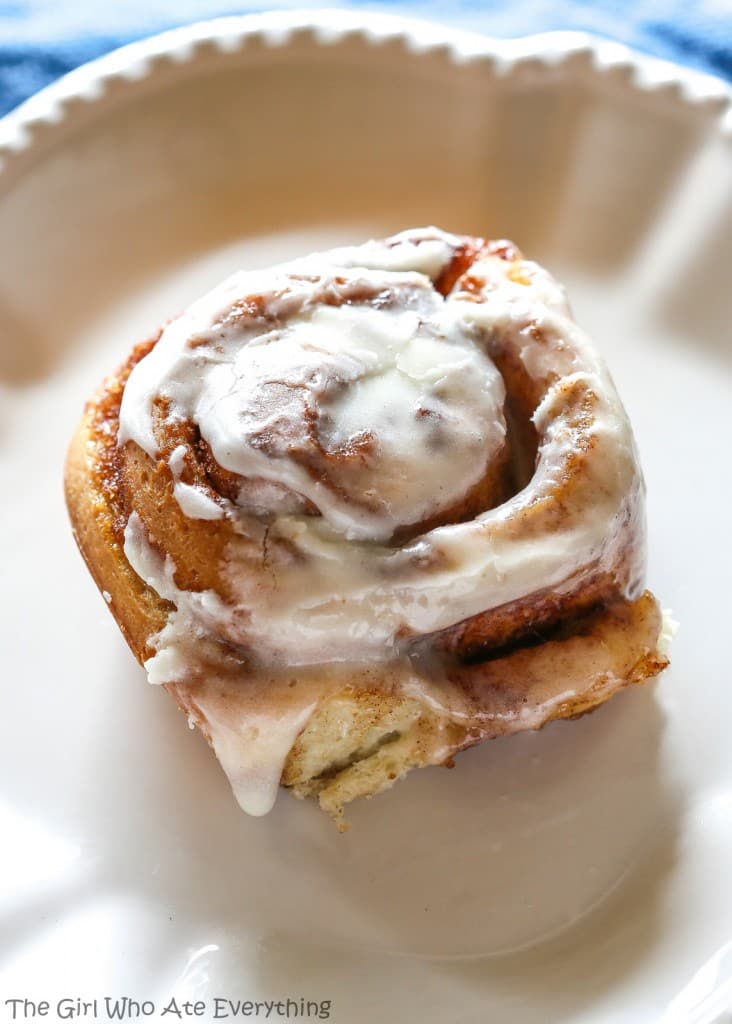
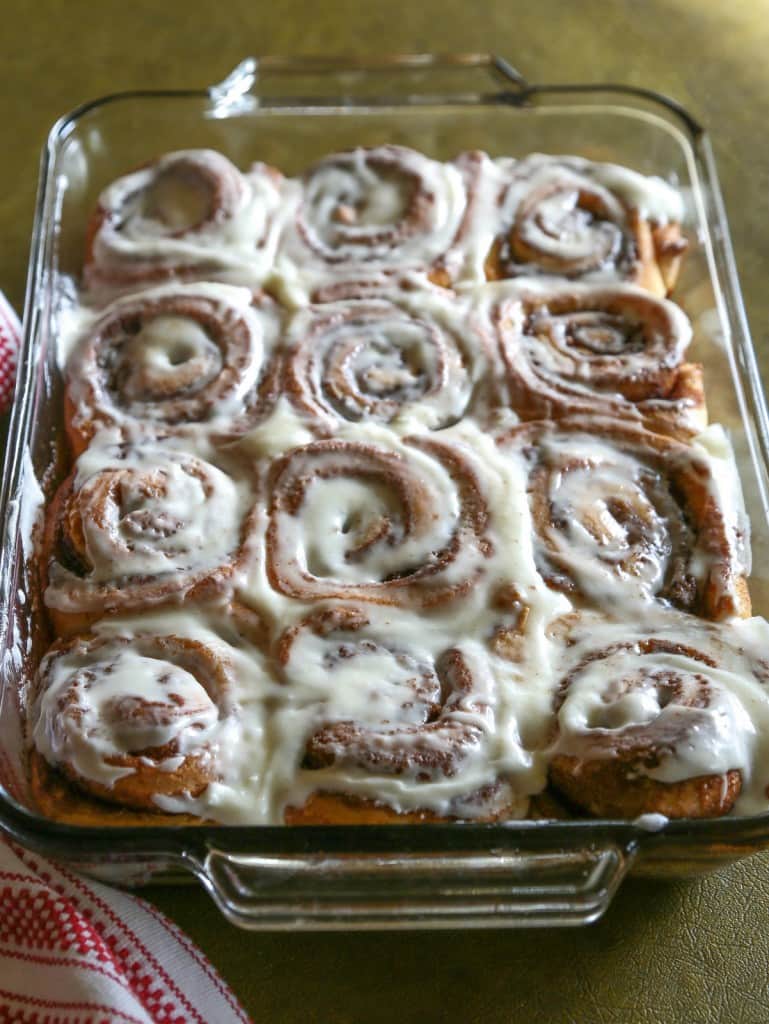
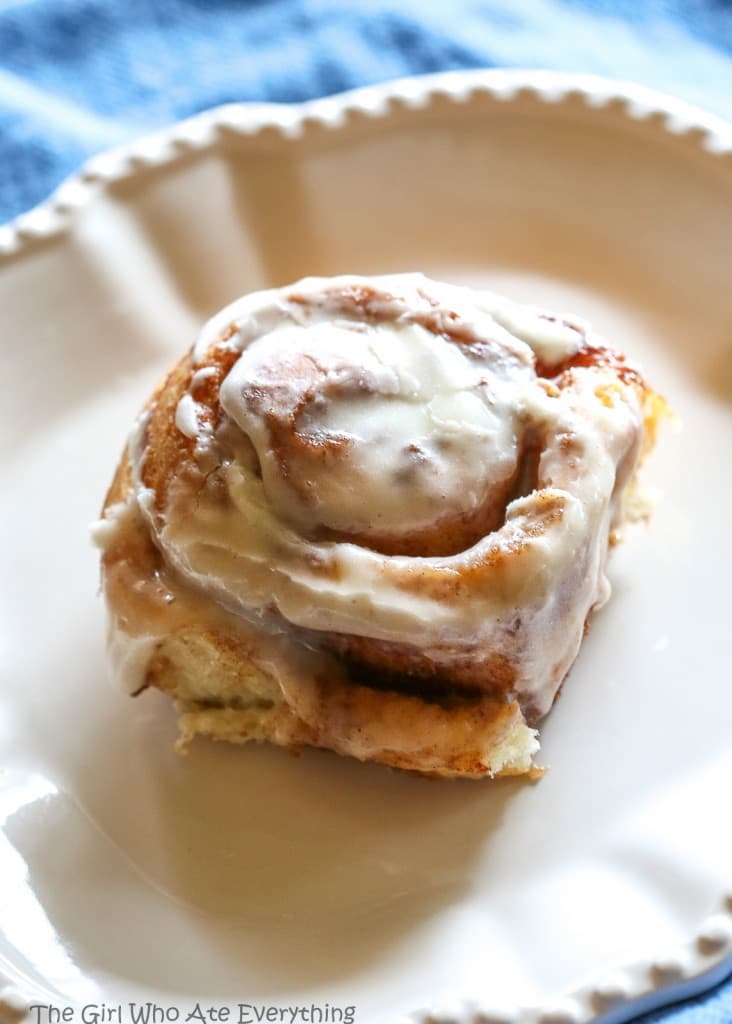
- The Glazing Protocol: The "ooze factor" described by enthusiasts is a result of a two-stage frosting application. By applying the first half of the cream cheese icing while the rolls are still piping hot, the frosting liquefies and infiltrates the internal layers of the spiral. The second application, performed once the rolls have cooled slightly, creates the opaque, thick layer of icing that characterizes the finished product.
Chronology of Preparation
For those utilizing the overnight method, the process typically follows a structured timeline:
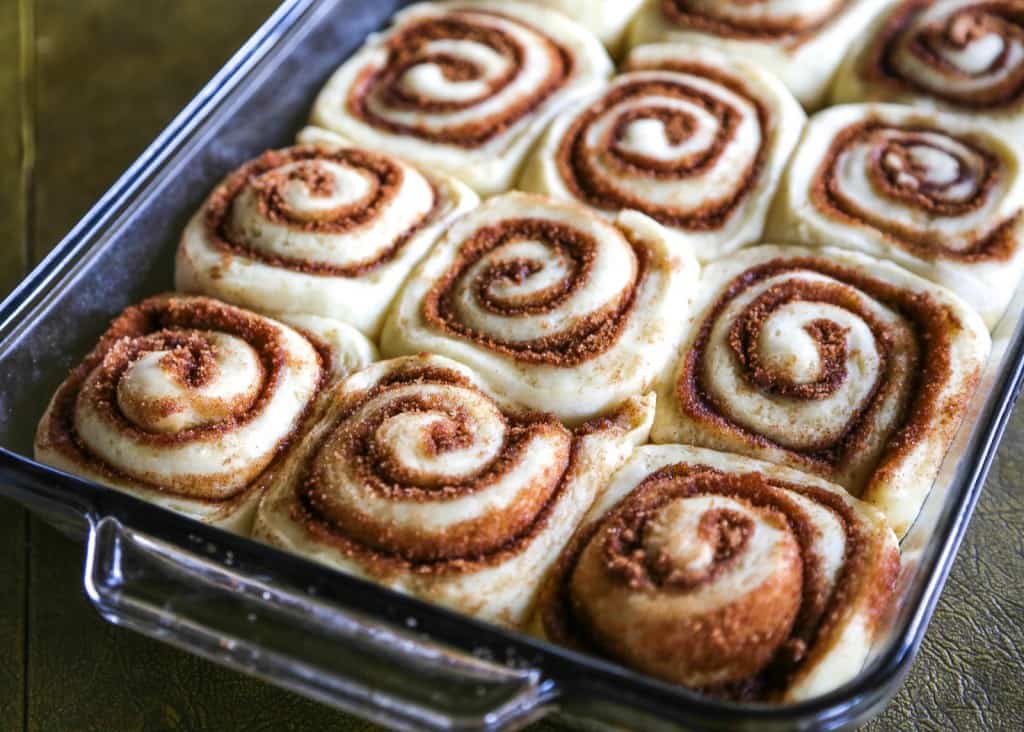
- Day 1 (Evening): Dough preparation and initial kneading. The dough is allowed to bulk ferment before being rolled out, buttered, and coated with the cinnamon-sugar mixture. After cutting, the rolls are placed in a baking pan.
- The Retardation Phase: The rolls are placed in the refrigerator or a cool area. This cold fermentation slows the yeast activity, which bakers argue deepens the flavor of the dough and provides a more complex crumb structure.
- Day 2 (Morning): The rolls are brought to room temperature. This final proofing stage is vital for restoring the volume lost during the cold cycle.
- Baking and Finishing: The rolls are baked until the internal temperature reaches approximately 190°F (88°C). The cooling period between the two stages of frosting application is essential to maintain the integrity of the icing texture.
Nutritional Profile and Dietary Implications
A standard serving of a commercial-style cinnamon roll is energy-dense, reflecting its high sugar and fat content. Nutritional analysis of these recipes generally indicates an average of 500 to 550 calories per unit. Carbohydrate levels are elevated, typically falling between 80 and 85 grams per serving, with fat content ranging from 15 to 20 grams.
Health advocates often point out that such items are classified as "occasional treats." While these recipes are not intended for daily consumption, the home-baking aspect allows for ingredient control. Bakers can choose to use organic dairy, high-quality spices, or adjust the sugar content to suit personal dietary preferences—a level of customization not available with mass-produced, pre-packaged alternatives.
Economic and Cultural Impact
The proliferation of copycat recipes online has created a secondary economy of baking blogs, YouTube tutorials, and kitchen appliance reviews. The ability to recreate a "restaurant-quality" product at home is a significant driver of consumer behavior in the small appliance market, specifically regarding stand mixers and precision ovens.
From a cultural perspective, the transition of the cinnamon roll from a "mall treat" to a "homemade tradition" reflects a broader trend in domestic life. As modern schedules become increasingly fragmented, the ritual of the overnight roll serves as a anchor for domestic stability. Whether it is for a holiday gathering or a weekend breakfast, the sensory experience of baking—the aroma of cinnamon and yeast filling a home—is often cited by amateur bakers as the primary incentive for selecting complex, time-intensive recipes over pre-mixed alternatives.
Expert Analysis and Best Practices
Culinary experts suggest that the most common failure point for home bakers is the quality of the yeast. Yeast is a living organism, and its viability determines the success of the rise. For those looking to achieve consistent results, using a digital thermometer to ensure the milk or water added to the yeast is between 105°F and 115°F is recommended. Temperatures above 120°F risk killing the yeast, while temperatures below 90°F may result in sluggish or non-existent fermentation.
Furthermore, storage data suggests that the shelf-life of these rolls is limited due to their high moisture content. While they can be stored at room temperature for up to three days in an airtight container, they are best consumed within 24 hours. For longer-term storage, the rolls should be frozen before the final glazing step. Once thawed and reheated, they can be frosted to mimic the "freshly baked" state.

In conclusion, the pursuit of the perfect copycat cinnamon roll is more than a simple kitchen task; it is an exercise in applied chemistry and culinary tradition. By adhering to precise ratios, managing fermentation times, and utilizing a multi-stage frosting technique, home bakers can achieve a product that rivals the commercial versions that inspired the phenomenon. As these recipes continue to circulate through digital platforms, they remain a testament to the enduring appeal of traditional, comfort-oriented baking in the 21st century.
