
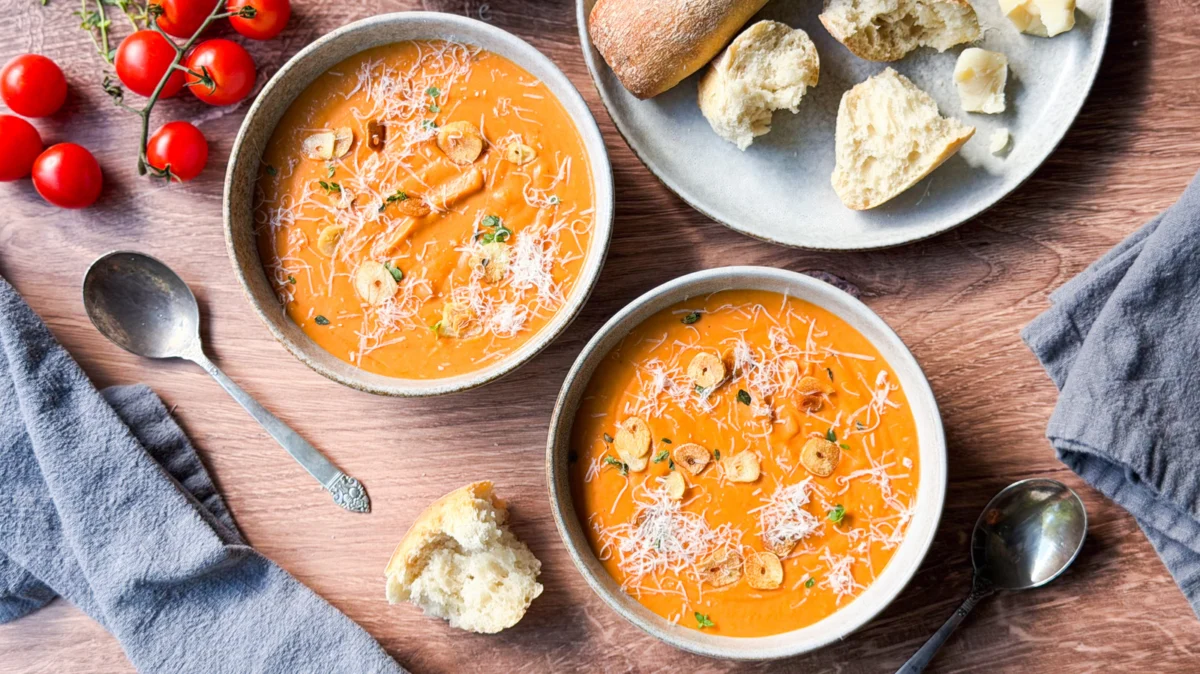
The intersection of culinary comfort and nutritional density has long been a pursuit for home cooks and professional chefs alike. Among the most enduring staples of the Western diet is tomato soup, a dish traditionally characterized by its acidic profile and reliance on dairy-based enrichment. However, recent trends in home cooking have moved toward the incorporation of plant-based proteins and legume-derived thickeners to achieve a luxurious texture without the heavy saturated fat content associated with traditional cream-heavy recipes. This shift is exemplified by the emergence of the white bean and tomato soup, a dish that leverages the emulsifying properties of pureed cannellini beans to create a velvety consistency while significantly bolstering the protein and fiber content of the meal.
Nutritional Architecture and Culinary Evolution
The standard bowl of tomato soup has evolved significantly over the last decade. Historically, the addition of heavy cream or butter was the primary method for balancing the natural acidity of tomatoes. Modern adaptations, however, prioritize the use of pulses—specifically white beans such as cannellini, navy, or Great Northern varieties. From a nutritional standpoint, this substitution is transformative. According to data provided by culinary nutritionists, incorporating 1.5 cups of white beans into a standard soup recipe adds approximately 25 to 30 grams of plant-based protein and roughly 15 grams of dietary fiber. This combination provides a sustained glycemic response, contrasting with the quick energy spike associated with high-sugar, cream-based soups.
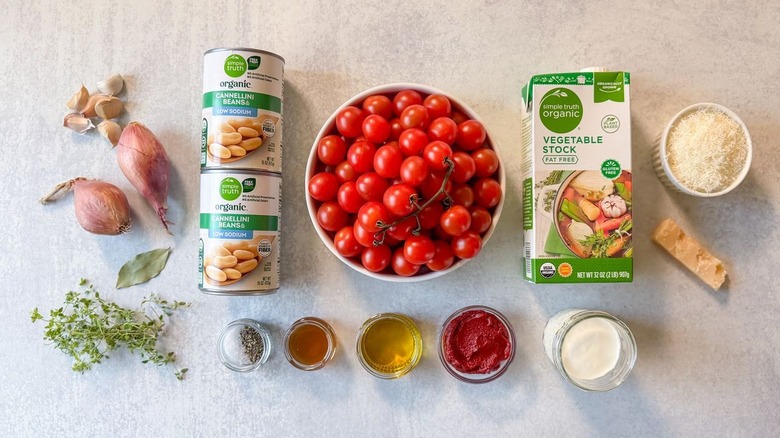
The integration of legumes into soup bases is not merely a modern health trend but a revival of Mediterranean peasant cooking traditions, where beans served as the primary source of satiety. By using canned beans, modern cooks have reduced the preparation time from several hours to under two hours, making a nutrient-dense, high-protein meal accessible for a standard weeknight dinner.
Chronology of Preparation and Technical Methodology
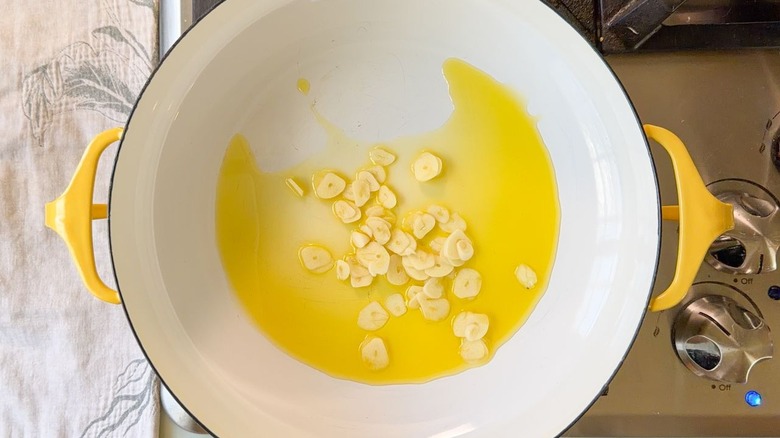
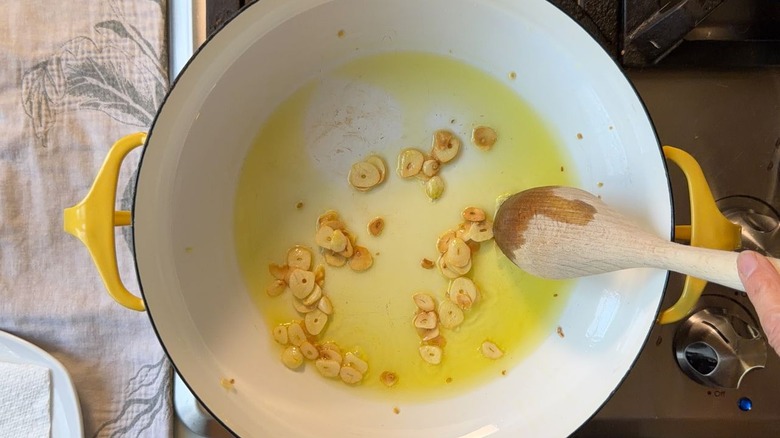
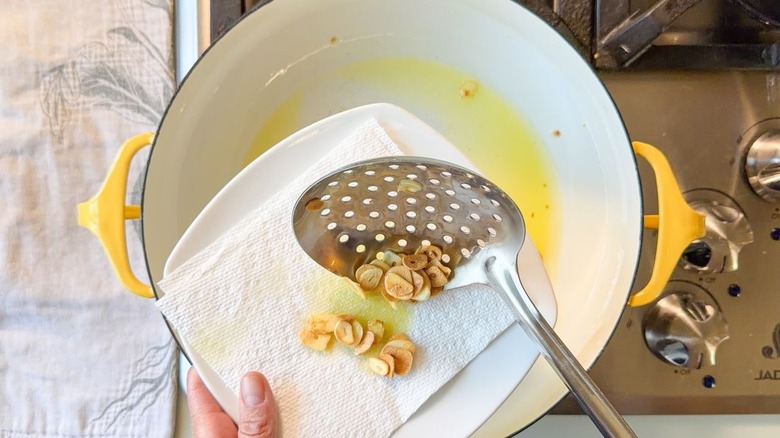
The creation of an ultra-creamy white bean tomato soup requires a specific sequence of operations designed to maximize the Maillard reaction and flavor extraction. The process begins with the infusion of olive oil with thinly sliced garlic cloves. The goal is to reach a precise state of golden crispness; this is a critical step, as the garlic serves dual purposes: the infused oil acts as the flavor base for the soup, while the resulting garlic chips serve as a textural contrast during the plating process.
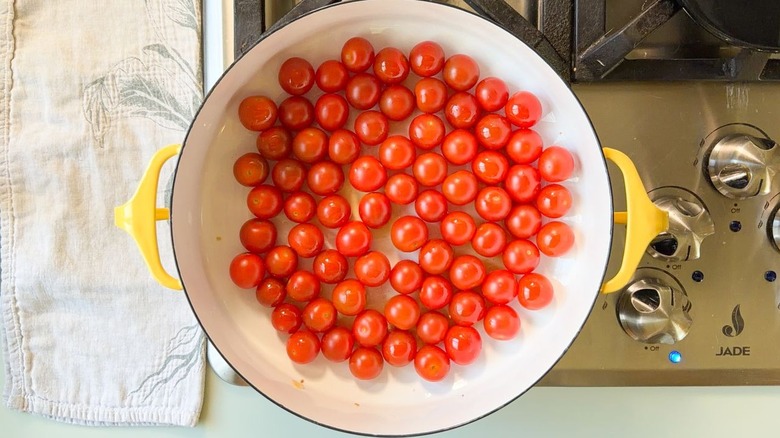
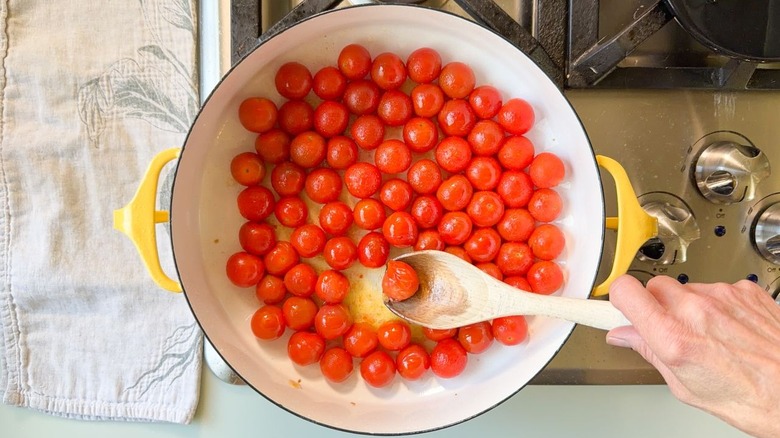
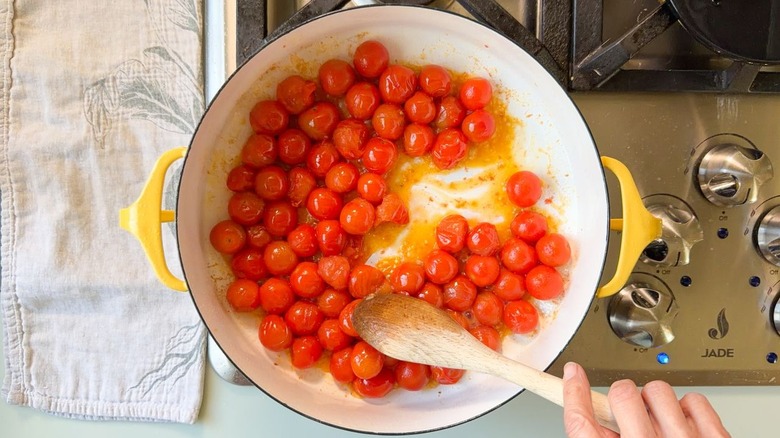
Following the preparation of the aromatics, the recipe calls for the blistering of two pounds of ripe, fresh cherry tomatoes. This stage is technically significant because it allows for the concentration of natural sugars through moisture evaporation. By allowing the tomatoes to sit undisturbed in the Dutch oven for an initial five-minute period, the chef encourages the skin to blister, which facilitates the release of juices and the subsequent breakdown of the fruit’s structure.
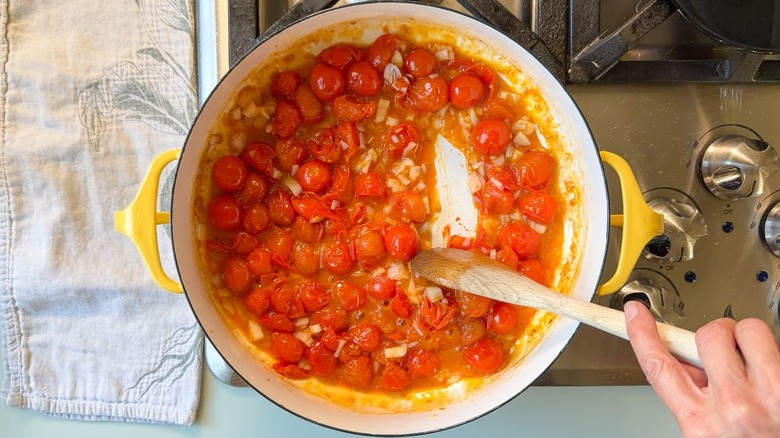
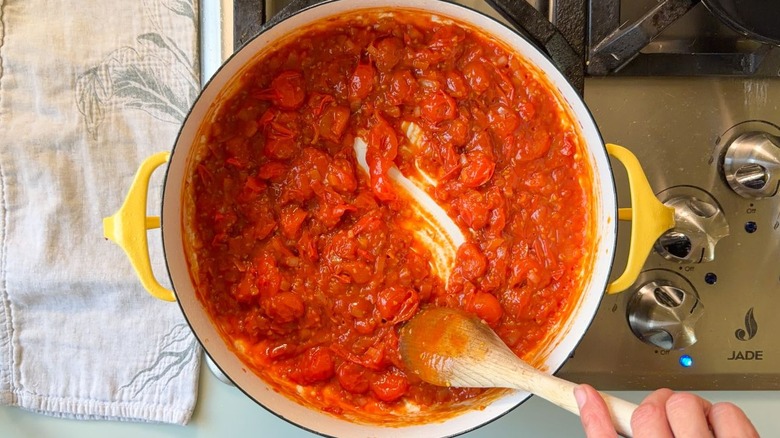
The introduction of tomato paste follows the sautéing of shallots. The paste must be cooked until it reaches a deep, caramelized color—a state that indicates the reduction of acidity and the development of savory umami notes. The subsequent addition of vegetable stock allows for the deglazing of the pot, ensuring that all fond (the browned bits at the bottom of the pan) is incorporated into the liquid base.
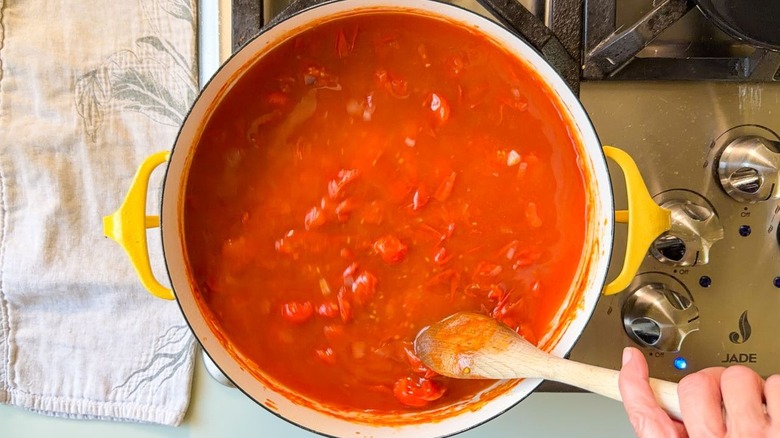
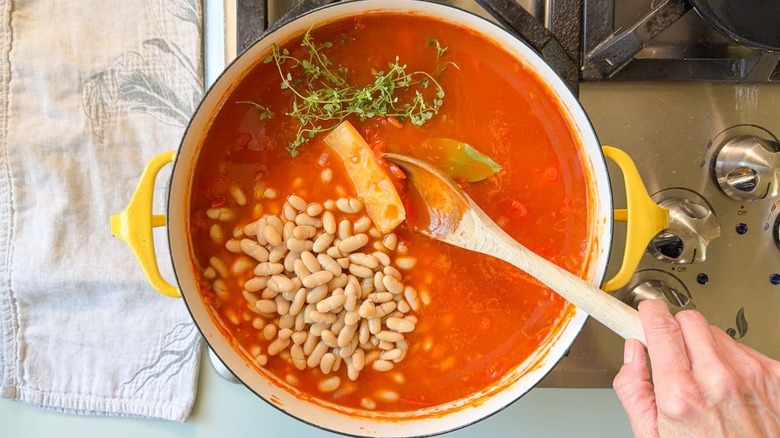
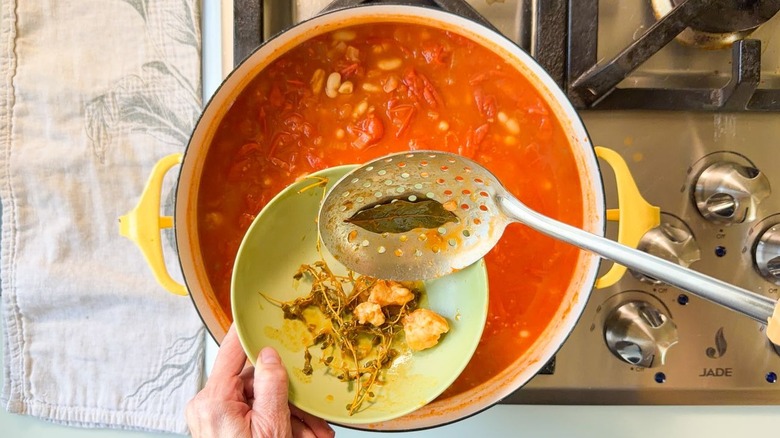
The incorporation of the Parmesan rind is perhaps the most significant flavor-enhancing technique in this methodology. When simmered with the stock, herbs, and beans, the rind releases glutamates, which function as a natural flavor enhancer, providing a salty, savory depth that bridges the gap between the acidity of the tomatoes and the earthiness of the beans. After a 20-minute simmer, the removal of the rind, thyme stems, and bay leaf signals the transition from a rustic stew to a refined, blended soup.
Technical Analysis of Texture and Emulsification
The final texture of the soup is achieved through high-speed blending. The white beans, when processed with the tomato-vegetable liquid, act as a thickening agent. Unlike flour-based roux, which can sometimes result in a grainy or gummy texture, the starch and fiber content of the beans creates a smooth, suspension-like quality.
The finishing process—whisking in heavy cream, freshly grated Parmesan, and a splash of sherry vinegar—is the final balancing act. The sherry vinegar is a critical component, serving as a bright, acidic counterpoint to the richness of the beans and cream. This acidity is necessary to "lift" the flavors, preventing the soup from tasting flat or one-dimensional.
Storage, Preservation, and Food Safety Implications
A distinct advantage of this specific soup formulation is its viability for long-term storage. Dairy-based soups often suffer from syneresis (the separation of liquids) and structural breakdown during the freezing and thawing process. However, the presence of legume starches in this recipe provides a stabilizing effect, allowing the soup to maintain its integrity after being frozen and subsequently reheated.
Food safety protocols dictate that leftovers should be stored in airtight containers and consumed within five days when refrigerated. For freezing, it is recommended that the soup be portioned into containers, leaving adequate headspace for expansion. Thawing should occur slowly in the refrigerator over a 24-hour period. Reheating must be conducted on the stovetop rather than in a microwave to allow for consistent heat distribution and to prevent the scorching of the dairy components. Re-heating the soup more than once is strictly discouraged, as repeated temperature cycling promotes microbial growth and compromises the delicate balance of the flavor profile.
Ingredient Selection and Broader Culinary Impact
The choice of tomatoes remains the most pivotal factor in determining the outcome of the soup. While cherry tomatoes offer a consistent sweetness due to their high sugar-to-water ratio, the use of vine-ripened specimens is preferred. Vine-ripening ensures the fruit has reached its peak metabolic maturity, which directly correlates to the intensity of its flavor.
The industry preference for San Marzano tomatoes—often utilized in their canned form—highlights the importance of variety. San Marzano tomatoes, characterized by their thick flesh, low seed count, and low acidity, are the gold standard for high-end tomato-based dishes. While fresh versions are seasonal and difficult to source globally, the availability of high-quality canned San Marzanos has democratized the ability for home cooks to produce professional-grade soups year-round.

Implications for Modern Home Dining
The rise of recipes such as this ultra-creamy white bean tomato soup reflects a broader shift in consumer behavior toward "functional comfort food." As consumers become increasingly aware of the health implications of their dietary choices, there is a mounting demand for recipes that offer the sensory experience of indulgence—specifically, the texture and satiety of a cream-based soup—without the associated health drawbacks of high-fat dairy consumption.
By effectively replacing or supplementing traditional heavy ingredients with legumes, home cooks are not only improving the nutritional profile of their meals but also reducing food waste by utilizing pantry staples like canned beans. This intersection of efficiency, nutrition, and classic culinary technique provides a blueprint for sustainable, high-quality home cooking. Whether served as a simple weeknight meal or as a sophisticated first course for a dinner party, the dish serves as a testament to the versatility of simple, seasonal ingredients when paired with the right scientific approach to texture and flavor balancing.
