
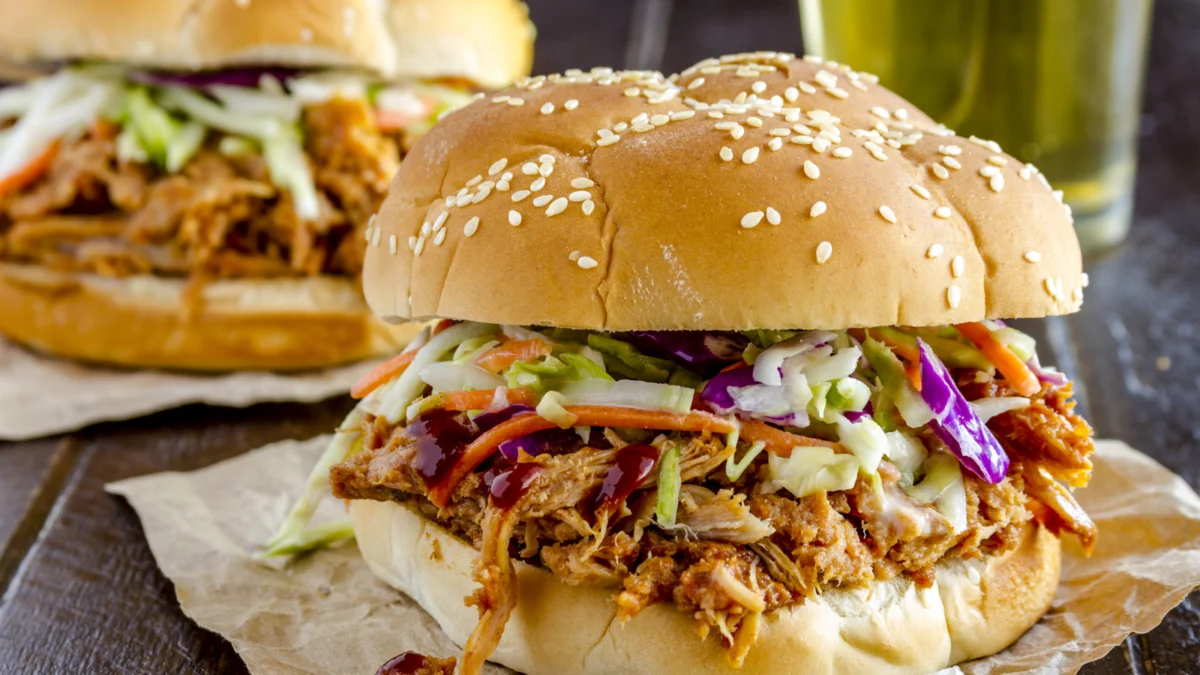
The slow cooker has long served as a cornerstone of modern domestic culinary efficiency, turning tough, collagen-rich cuts of meat like pork shoulder into succulent, fork-tender proteins through the process of low-and-slow braising. Traditionally, home cooks have relied on labor-intensive methods to build flavor bases for these meals—sautéing onions, deglazing pans, and simmering aromatic stocks for hours. However, a growing trend in home meal preparation utilizes pantry staples to achieve comparable flavor profiles with significantly reduced preparation time. Specifically, the integration of canned French onion soup into a pork shoulder braise offers a shortcut that replicates the complex, umami-rich notes of long-caramelized onions without the requisite hours of stovetop labor.
The Science of the Slow Cooker Braise
Pork shoulder, frequently referred to as "Boston butt" or "pork butt," is a primal cut derived from the upper portion of the shoulder. It is characterized by high levels of intramuscular fat and connective tissue. When subjected to high-heat cooking, these tissues remain tough; however, when maintained at a low temperature—typically between 190 and 205 degrees Fahrenheit—over a period of six to ten hours, the collagen breaks down into gelatin. This conversion is the fundamental requirement for authentic pulled pork, resulting in a texture that is moist, tender, and easily shredded.
The addition of French onion soup during this process provides two critical elements: moisture and depth of flavor. The soup, composed of beef broth, caramelized onions, and often a splash of sherry or balsamic vinegar, acts as a ready-made braising liquid. The natural sugars in the onions provide a subtle sweetness that complements the inherent richness of the pork, a culinary pairing that mirrors traditional preparations like tacos al pastor or molasses-based barbecue.
Historical Context and Culinary Evolution
The practice of using condensed soups as "cooking helpers" gained national prominence in the mid-20th century, spurred by the marketing efforts of companies like Campbell’s. During the post-World War II era, as more women entered the workforce, there was an increased demand for convenience foods that did not sacrifice quality. Cookbooks from the 1950s and 1960s began featuring recipes that utilized canned soups as bases for casseroles, stews, and roasts.
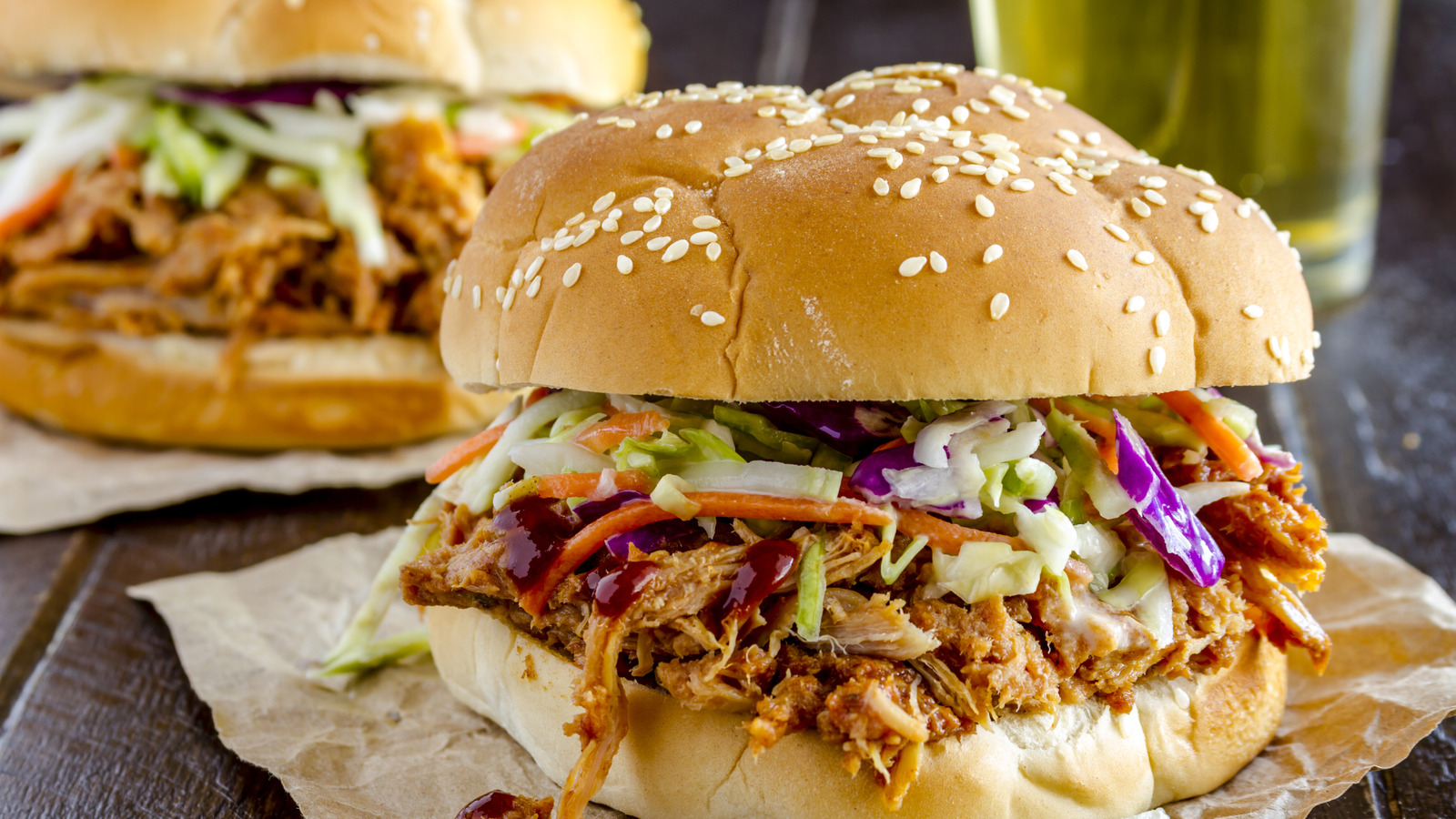
In the contemporary landscape, this practice has evolved to suit the modern preference for "set-it-and-forget-it" meal prep. The use of canned French onion soup represents a bridge between mid-century convenience and the gourmet aspirations of the modern home cook. By leveraging the Maillard reaction that occurs during the commercial canning process, home cooks can skip the time-consuming step of browning and caramelizing onions from scratch.
Chronology of Preparation and Best Practices
For those seeking to maximize the output of this technique, a structured approach is recommended. While the slow cooker handles the bulk of the work, experts suggest a "prep-then-rest" chronology to ensure optimal flavor development:
- Initial Searing (Optional but Recommended): While the slow cooker can handle the raw meat, searing the pork shoulder in a hot skillet for 3 to 5 minutes per side until a deep brown crust forms initiates the Maillard reaction. This adds a layer of depth that is difficult to replicate through braising alone.
- The Braise: Place the pork in the slow cooker. Pour the contents of one can of French onion soup over the meat. Avoid adding excessive water; the meat will release its own juices, and the soup is formulated to have the correct consistency.
- Flavor Balancing: After the meat has reached the desired level of tenderness, the liquid remaining in the slow cooker should be evaluated. Canned soups are notoriously high in sodium, often containing 600 to 900 milligrams of sodium per serving. If the sauce is too salty, a splash of apple cider vinegar or white wine vinegar can serve as an acidic counterpoint, cutting through the richness of the fat and neutralizing excess saltiness.
- Shredding and Finishing: Remove the pork and shred it using two forks. If a thicker sauce is desired, the remaining liquid can be reduced on the stovetop for 10 minutes, or a small amount of cornstarch slurry can be whisked in.
Data and Nutritional Considerations
According to recent food industry reports, the market for shelf-stable soups remains a multi-billion dollar sector. These products are manufactured under strict quality controls, ensuring consistency in flavor—a benefit for home cooks who may struggle with the variability of hand-caramelized onions.
However, nutritionists often highlight the discrepancy between the convenience of these products and their nutritional profile. A standard serving of canned French onion soup contains significant levels of sodium, which can exceed 30% of the recommended daily intake. When using this as a shortcut, home cooks are advised to omit additional salt in the spice rub applied to the pork. By utilizing the soup as the primary seasoning agent, the overall salt content can be managed more effectively than if one were to combine a salty rub with a salty soup base.
Broader Culinary Applications and Pantry Diversification
The success of the French onion soup shortcut has prompted a broader interest in other "pantry-to-pot" techniques. Similar methods are being applied to various proteins to create diverse flavor profiles without the need for extensive grocery lists.
- The Mississippi Roast Model: By substituting beef with pork and incorporating pickled peppers and ranch dressing powder, home cooks are creating variations of the popular Mississippi roast. The acidity of the peppers provides a sharp contrast to the fat of the pork, mirroring the complexity of traditional Southern barbecue.
- The Cream of Mushroom Extension: The addition of canned cream of mushroom soup, alongside carrots and potatoes, shifts the profile of the meal from a barbecue-focused sandwich to a hearty, European-style stew. This versatility demonstrates the utility of a well-stocked pantry.
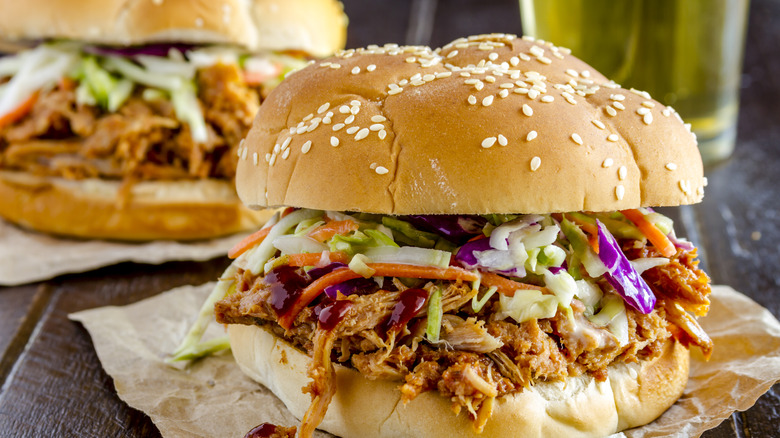
- Regional Barbecue Profiles: Once the base pork is prepared, the choice of sauce dictates the regional identity of the sandwich. Kansas City-style sauces, which typically feature a molasses and tomato base, provide a sweet, sticky finish. In contrast, Carolina-style sauces, defined by mustard and vinegar, offer a pungent, acidic bite that complements the richness of the pork.
Implications for Home Meal Preparation
The rise of these cooking shortcuts suggests a shift in how families approach weeknight dinners. The emphasis is no longer on the "purity" of scratch cooking, but rather on "efficiency-led flavor." By utilizing pre-processed ingredients that have undergone professional preparation, home cooks can achieve results that rival restaurant quality.
Furthermore, the economic impact is significant. A four-pound pork shoulder is one of the most cost-effective proteins available at the grocery store, often retailing for significantly less per pound than chicken or ground beef. When combined with a one-dollar can of soup and served on bulk-purchased rolls, the cost per serving is remarkably low, making this an ideal solution for budget-conscious households or those looking to meal prep for the entire week.
The ability to repurpose this pulled pork—from sandwiches to quesadillas, loaded baked potatoes, or even "barbecue Benedicts"—ensures that the ingredient does not become monotonous. As the culinary industry continues to trend toward high-convenience, high-flavor solutions, the integration of pantry staples like canned soup into slow-cooked meals remains a definitive strategy for balancing the constraints of time with the desire for a high-quality home meal. By understanding the chemical properties of the ingredients and the mechanics of the slow cooker, the modern cook can effectively transform a simple cupboard staple into a centerpiece of the domestic table.
