
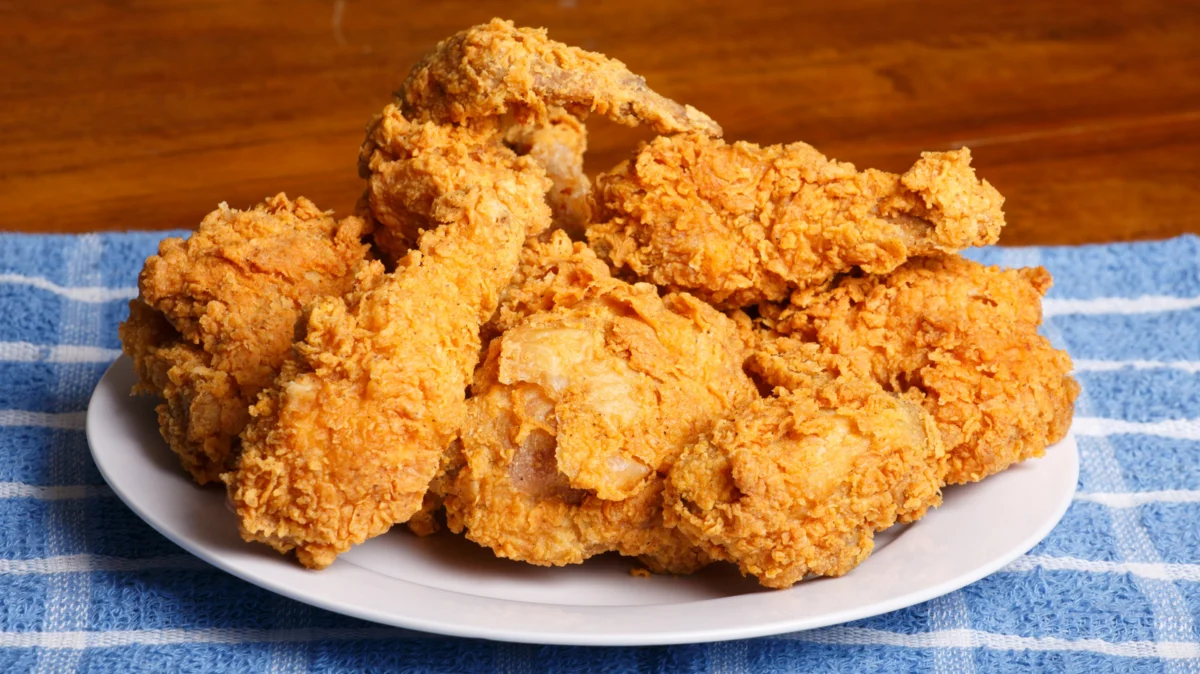
The landscape of American fast food is frequently dominated by massive, publicly traded corporations with thousands of locations and global supply chains. In the specific niche of fried chicken, the Louisiana-born giants Popeyes and Raising Cane’s have come to define the category, representing multi-billion-dollar empires that have exported Southern-style flavor to every corner of the globe. However, long before these corporate juggernauts established their market dominance, a single, family-owned establishment in Baton Rouge, Louisiana, was perfecting the art of Southern frying. Chicken Shack, a local institution with roots stretching back to the mid-1930s, stands as a testament to culinary longevity, regional identity, and the enduring power of family-led entrepreneurship in the face of industrial consolidation.
A Legacy Spanning Nearly a Century
To understand the significance of Chicken Shack, one must look at the timeline of the Louisiana fried chicken industry. Popeyes Louisiana Kitchen was founded in 1972 by Al Copeland in the New Orleans suburb of Arabi. Raising Cane’s, famous for its simplified menu of chicken fingers and signature sauce, was founded by Todd Graves in Baton Rouge in 1996. By comparison, Chicken Shack predates both by decades.
The story begins in 1935, when Thomas "Tommy" H. Delpit invested a modest 35 cents—a sum equivalent to approximately $8.50 in contemporary currency—into a modest sweets shop known as the Suburban Ice Cream Parlor. While the initial focus was on confectionery, the Great Depression-era economy necessitated versatility. In 1937, recognizing the evolving tastes of his clientele, Delpit rebranded the venture as Chicken Shack. This transition was not merely a change in signage; it represented a fundamental pivot toward the soul-food traditions that would eventually define the restaurant’s reputation.
The Evolution of a Culinary Identity
Tommy Delpit’s approach to his menu was informed by his experiences in New Orleans, a city renowned for its complex, multi-layered culinary history. During his time in the Crescent City, Delpit experimented with various Creole techniques, eventually settling on a specific method for preparing poultry that would distinguish Chicken Shack from the breaded-and-fried standard.
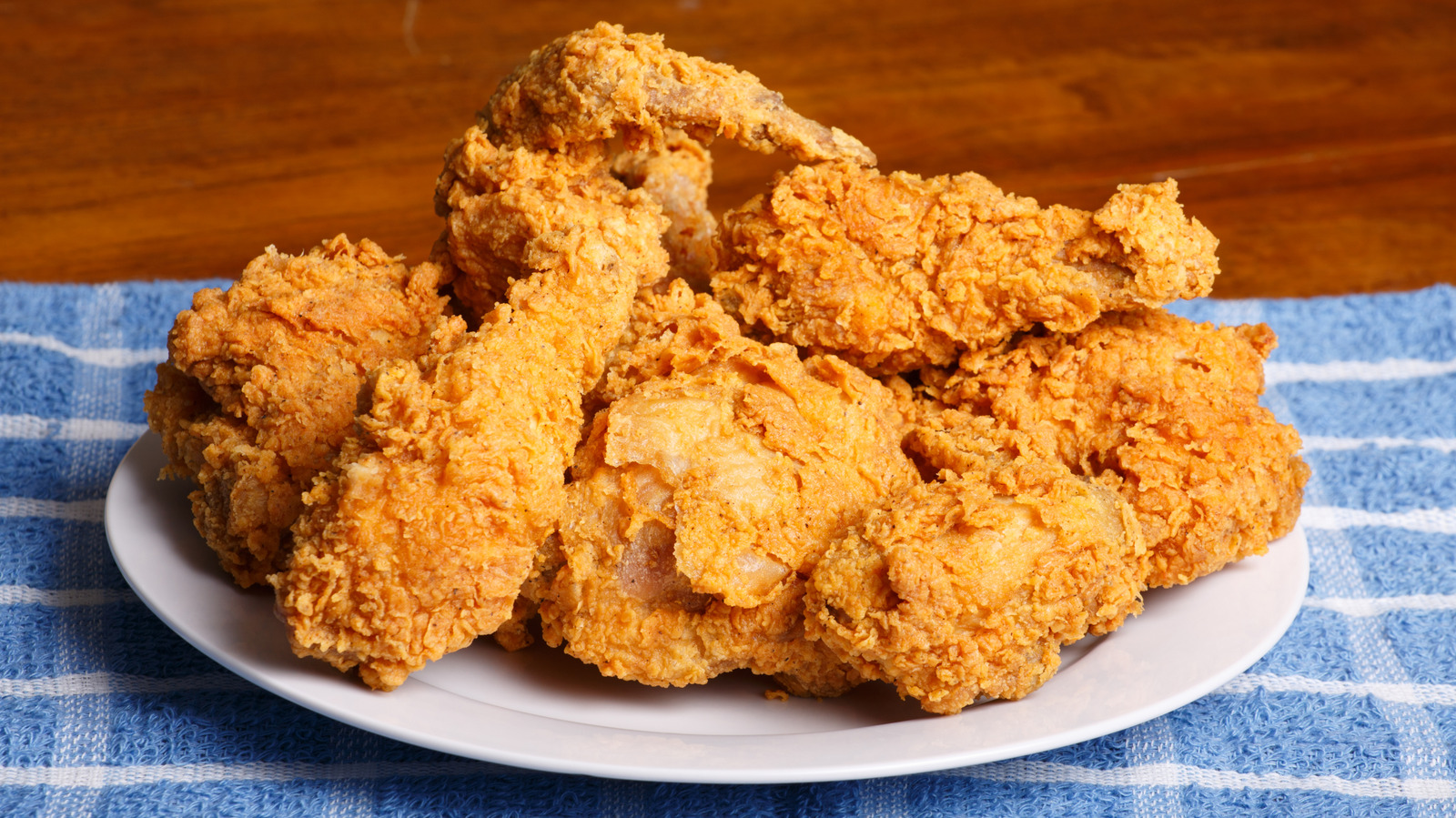
Unlike the heavy, flour-based breading found in many modern quick-service restaurants, Chicken Shack utilizes a signature wet batter. This batter is applied to the poultry before it is submerged in hot oil, a technique that produces a unique, crispy texture distinct from the dry, crusty exterior of traditional fried chicken. This method remains a closely guarded piece of the restaurant’s legacy, representing a departure from the mass-produced, standardized frying processes employed by national competitors.
By the time of his passing in 1959, Tommy Delpit had established a foundation that went far beyond chicken. The menu had evolved to include regional staples such as red beans and rice, po’boy sandwiches, and various seafood offerings. Under the subsequent stewardship of his son, Joe Delpit, and his daughter-in-law, the business transitioned from a local curiosity into a cornerstone of the Baton Rouge community. In 1973, Joe Delpit assumed sole ownership, ensuring that the brand remained firmly within the family lineage.
Menu Diversity and Regional Authenticity
The menu at Chicken Shack functions as an archive of Southern culinary history. While the "knuckle suckin’ good" fried chicken is the primary driver of foot traffic, the restaurant serves a broad spectrum of dishes that reflect the cultural melting pot of Louisiana.
The side dishes are an essential component of the dining experience, emphasizing traditional Southern preparations. These include mustard greens, candied yams, rice dressing, coleslaw, and macaroni and cheese. These items are prepared with a consistency that mirrors home-style cooking rather than industrial food preparation. Furthermore, the inclusion of daily lunch specials—such as oxtails and smothered pigtails—highlights the restaurant’s commitment to providing a sense of place. This menu diversity serves a strategic purpose: it caters to a local customer base that seeks comfort food rooted in history, rather than the standardized, high-sodium offerings typical of international chains.
Operational Philosophy and Community Integration
In an era of automated kiosks and AI-driven ordering, Chicken Shack maintains a remarkably personal operational style. A prime example of this is the role of long-time general manager Troy Carter. Carter’s daily routine includes recording a voicemail message for the restaurant that serves two purposes: providing customers with the day’s specials and offering an inspirational quote. This practice is emblematic of the restaurant’s business model, which prioritizes interpersonal connection and community rapport over the transactional efficiency favored by its larger competitors.
The restaurant currently operates two locations in Baton Rouge: one on Acadian Highway and another on Pawtucket Street. These locations serve as community hubs, maintaining a brand identity that is inextricably linked to the Delpit family name. By resisting the temptation to scale rapidly through franchising, the Delpits have successfully preserved the quality and character of their food, avoiding the "brand dilution" that often accompanies rapid national expansion.
Analysis: The Competitive Landscape
The success of Chicken Shack poses an interesting case study in the restaurant industry. While Popeyes and Raising Cane’s operate on the principles of economies of scale—using massive supply chains to lower costs and ensure uniformity—Chicken Shack operates on the principle of brand equity.
The competitive advantage of a legacy brand lies in its ability to occupy a specific "emotional space" in the minds of consumers. For Baton Rouge locals, Chicken Shack is not just a place to eat; it is a piece of local history. When a customer walks into the restaurant, they are participating in a tradition that spans nearly 90 years. This sense of historical continuity is something that no amount of marketing spend or corporate restructuring can replicate.
Furthermore, the restaurant’s ability to survive for nearly a century indicates a resilient business model. By focusing on a loyal customer base and maintaining a menu that honors Louisiana traditions, Chicken Shack has insulated itself against the volatility of the fast-food market. While national chains often pivot their menus to follow trends—such as the "chicken sandwich wars" of recent years—Chicken Shack remains steady, serving the same core items that have sustained the family business since the 1930s.
Broader Implications for Local Enterprise
The continued existence of Chicken Shack serves as a reminder of the importance of independent, family-owned businesses in preserving regional culture. As urban areas across the United States become increasingly homogenized by the presence of the same national retail and food chains, local institutions like Chicken Shack become vital in maintaining the unique identity of a city.
The culinary landscape of Baton Rouge would be significantly diminished without the presence of such a long-standing establishment. The restaurant proves that a business does not need to achieve global saturation to be successful or significant. Instead, by focusing on quality, consistency, and deep community roots, a family-owned entity can survive and thrive in the shadow of giants.
As the industry moves toward further automation and consolidation, the Delpit family’s continued stewardship of Chicken Shack remains a beacon for those who value authenticity. The "knuckle suckin’" chicken served today is, in essence, the same dish that was refined by Tommy Delpit in the 1930s. In a world of fleeting trends, this commitment to a core product is perhaps the most impressive feat of all. For as long as the Delpit family and their dedicated staff continue to operate on Acadian Highway and Pawtucket Street, the history of Baton Rouge will remain alive, one order of fried chicken at a time.
