
The Historical Significance of the Sandringham Estate
Sandringham House, the private home of four generations of British monarchs, is widely regarded as the most comfortable house in England. Acquired by Queen Alexandra and King Edward VII in 1862, the estate has long been associated with the private lives of the Royal Family. The Courtyard Restaurant, operated by the catering specialists Benugo, occupies a space that reflects the estate’s commitment to balancing its royal heritage with modern visitor accessibility. The decision to host formal afternoon tea within the courtyard aligns with broader efforts by the Royal Collection Trust and estate management to provide immersive experiences that highlight the history and aesthetic standards associated with the Crown.

Culinary Presentation and Aesthetic Standards
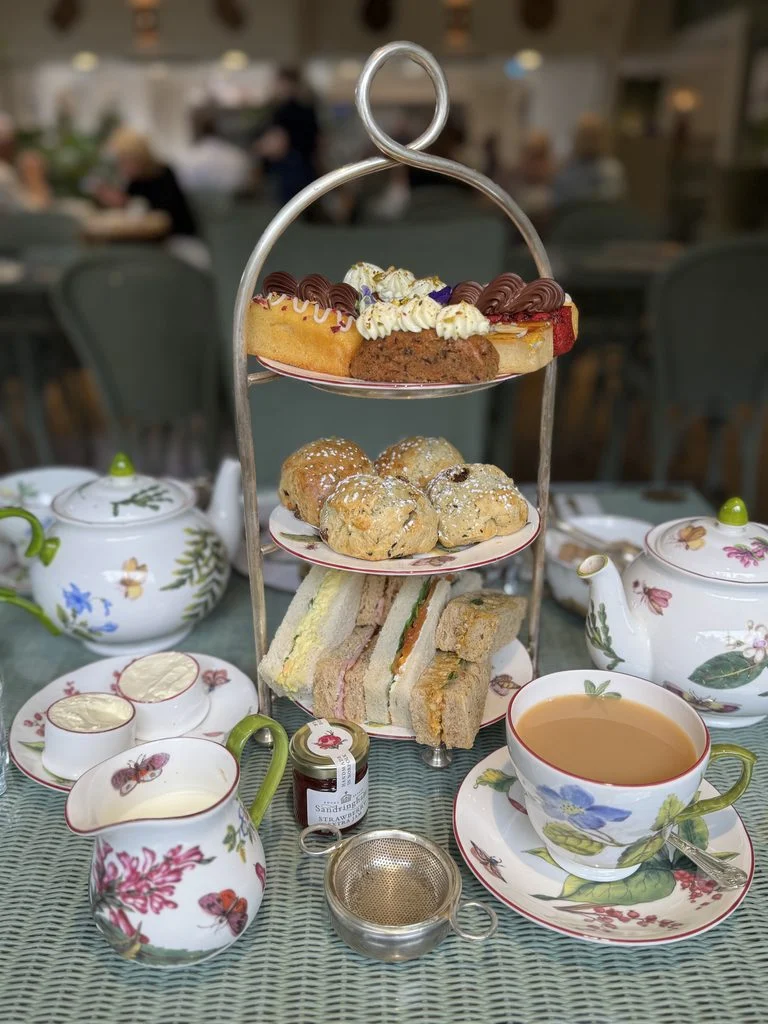
The service at the Sandringham Courtyard Restaurant distinguishes itself through its commitment to visual and material authenticity. The tea is served on fine Chelsea botanical porcelain, a design choice directly inspired by a significant collection previously held by Queen Elizabeth The Queen Mother. This attention to detail serves as a bridge between the visitor experience and the private tastes of the Royal household.
The menu typically features a selection of finger sandwiches, freshly baked scones served with clotted cream and preserves, and a variety of seasonal pastries. The beverage program is centered on a partnership with Birchall Tea, a company known for its sustainable sourcing practices. Specifically, the Great Rift Breakfast blend—a selection of high-grown teas sourced from East Africa—is favored for its bright, full-bodied profile. Data from the estate indicates that this partnership is part of a broader strategy to offer premium, ethically sourced refreshments that satisfy a discerning demographic of international and domestic tourists.

Chronology of the Modern Visitor Experience
The integration of high-end dining into the Sandringham visitor circuit has evolved significantly over the past decade. Historically, the estate focused primarily on house and garden tours. However, following a shift in estate management strategies during the early 2020s, there has been a concerted effort to expand the "Courtyard" area into a multifunctional retail and culinary hub.
The current operational model, which includes the restaurant, an ice cream kiosk, and a takeaway terrace, was established to accommodate the seasonal fluctuations in visitor numbers. During National Afternoon Tea Week—a period observed annually to celebrate the heritage of the custom—the restaurant experiences a marked increase in demand, necessitating advanced reservations. The service provides a necessary respite for visitors following extensive tours of the main house and the surrounding 600-acre parkland.

Operational Data and Management Framework
The restaurant’s operations are facilitated by Benugo, a company that manages catering for several high-profile heritage sites across the United Kingdom. This professional management ensures a standard of service that emphasizes both efficiency and "warm professionalism," as noted in recent visitor feedback.
From an economic perspective, the inclusion of formal tea service creates a multi-layered revenue stream for the estate. By offering a tiered experience—ranging from casual takeaway options to the structured, formal afternoon tea—the Sandringham management can capture a wider segment of the visitor population. Industry analysis suggests that cultural heritage sites that offer high-quality, themed dining experiences see higher levels of visitor retention and increased "per-head" spending.

Broader Impact and Cultural Context
The practice of afternoon tea is not merely a meal; it is a complex social ritual that gained popularity in the 1840s, attributed to Anna Maria Russell, the seventh Duchess of Bedford. By maintaining this tradition at a location as significant as Sandringham, the estate plays an active role in the preservation of British intangible cultural heritage.
The emphasis on the Chelsea botanical design serves as a subtle educational tool, reminding visitors of the Royal Family’s historical patronage of British porcelain manufacturers. Furthermore, the use of locally sourced or high-quality imported ingredients reflects a growing trend in the hospitality sector: the prioritization of provenance and traceability.

Expert Perspectives and Industry Trends
Hospitality experts often point to the "Royal" seal of approval as a key driver for tourism in Norfolk. When a brand or location is associated with the Royal Estate, it carries a unique prestige that attracts both domestic "staycationers" and international visitors. The success of the Sandringham Courtyard Restaurant highlights a successful pivot by historic estates: moving from being static monuments to active, living centers of commerce and culture.
The emphasis on professional service standards, including frequent teapot replenishments and attentive table service, serves as a benchmark for other heritage attractions. In an era where digital engagement often takes precedence, the tactile and sensory experience of a traditional afternoon tea provides a tangible connection to the past.

Sustainability and Future Outlook
As the Sandringham Estate continues to modernize its visitor infrastructure, the role of the Courtyard Restaurant is expected to remain central. Future developments are likely to focus on further reducing the carbon footprint of the dining operations, potentially through increased use of produce grown directly on the estate. The current partnership with suppliers like Birchall reflects a corporate responsibility framework that is becoming standard in the United Kingdom’s premium hospitality sector.
For those planning to visit, the experience serves as a microcosm of the British countryside: tranquil, historic, and refined. The ability to transition from a tour of the royal residence to a formal, curated tea service in the courtyard offers a comprehensive view of how the estate navigates the demands of the 21st-century tourism market while maintaining the dignity and aesthetic traditions associated with the British monarchy.

In conclusion, the afternoon tea service at Sandringham is more than a culinary offering; it is a carefully curated extension of the estate’s identity. Through the combination of historical aesthetic nods, high-quality beverage selection, and professional hospitality management, it provides a substantive and culturally significant experience that honors the legacy of the site while meeting the logistical and quality expectations of the modern visitor. As the estate evolves, the continuity of such traditions remains a vital component of its enduring appeal to the public.
