
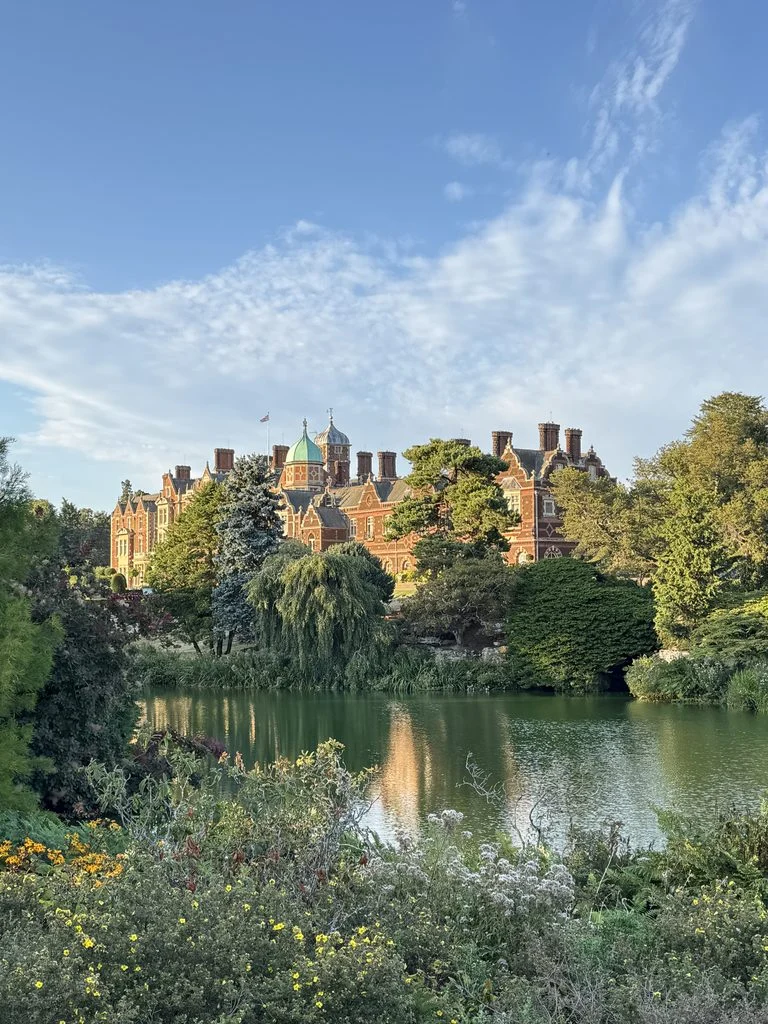
The Historical Significance of Sandringham House
Sandringham House, located in the parish of Sandringham in Norfolk, England, is one of the two private homes owned by the British Royal Family, rather than being part of the Crown Estate. Purchased by the future King Edward VII—then the Prince of Wales—in 1862, the estate has been a staple of royal life for over 160 years.

The house is famously recognized as "the most comfortable house in England," a reputation cemented by its role as the traditional setting for the Royal Family’s Christmas gatherings. Its architectural history is diverse, with its current appearance largely shaped by the extensive renovations undertaken by Edward VII in the late 19th century. The estate spans over 20,000 acres, encompassing not only the main house but also vast gardens, orchards, and agricultural land that contribute to the estate’s self-sustaining model.

Chronology and Evolution of Access
For decades, the interior of Sandringham remained a mystery to the public, reserved solely for the private use of the monarchs. However, in recent years, the Sandringham Estate has adopted a more transparent approach to its heritage, allowing for guided tours that bridge the gap between historical preservation and public education.

The current "Royal Country Retreat" tours represent a significant shift in estate management. By opening areas that were previously off-limits—such as the Billiards Room and the Long Library—the estate provides a more comprehensive narrative of royal history. The Long Library, in particular, carries immense historical weight; it was here that Queen Elizabeth II recorded her first televised Christmas Broadcast in 1957, a watershed moment that transformed the relationship between the monarchy and the public through the medium of television.

A Detailed Look at the Interior Experience
The tour offers a carefully curated journey through the heart of the home. The Saloon remains a focal point of the visit, serving as a testament to the family’s casual lifestyle. The room is often described as having a "lived-in" quality, characterized by wood-paneled walls, personal family photographs, and remnants of leisure activities, such as partially completed jigsaw puzzles. It was in this room that the late Queen Elizabeth II was captured in one of her final public-facing photographs in 2022, adding a layer of contemporary poignancy to the visitor experience.

The Dining Room is presented to reflect the estate’s traditional hospitality, often set with Minton china and crystal, recreating the atmosphere of a New Year’s Eve supper. This meticulous staging allows visitors to understand the aesthetic and social standards maintained by the household.

Furthermore, the tour acknowledges the more somber chapters of the house’s history. Visitors are introduced to the ground-floor bedroom where King George VI passed away in 1952. By including these spaces, the tour provides a balanced historical account, moving beyond the grandeur of the monarchy to address the human experience of the individuals who resided there.

Operational Details and Sustainability
The tours, which typically operate on a limited schedule on Thursdays, Fridays, and Saturdays, are facilitated by highly experienced stewards. These individuals often possess a dual background in historical research and long-term service within the Royal Household. This combination of expertise ensures that visitors receive not only factual information but also anecdotal context regarding the day-to-day operations of the estate.

The estate’s commitment to sustainability is evident in the hospitality provided during the tours. Guests are often offered Sandringham Gin, distilled using botanicals grown directly in the estate’s gardens, or apple juice sourced from the Sandringham orchards. This focus on local production highlights the estate’s integration with the Norfolk economy and its dedication to the "farm-to-table" ethos that has been championed by King Charles III throughout his career.

Fact-Based Analysis of Implications
The decision to open such private spaces to the public has several notable implications:

- Cultural Diplomacy and Tourism: By expanding access to Sandringham, the Royal Estate is boosting regional tourism in Norfolk. The revenue generated from these specialized tours supports the maintenance of the historic building and its surrounding grounds, ensuring the long-term preservation of the site for future generations.
- Modernizing the Monarchy: There is a clear strategic effort to modernize the perception of the Royal Family. By showcasing the "cosy" and "comfortable" aspects of their private lives, the institution appears more accessible and relatable to the public, potentially strengthening its relevance in the 21st century.
- Educational Value: For historians and enthusiasts alike, the inclusion of previously unseen rooms allows for a more rigorous study of royal tastes, interior design trends of the late 19th and 20th centuries, and the evolution of royal broadcasting.
- Preservation of Legacy: As the memories of the late Queen Elizabeth II become part of the historical record, the estate acts as a living archive. The preservation of the rooms exactly as they were used during her reign serves as a memorial, allowing the public to engage with her life on a personal and tangible level.
Official Responses and Public Reception
While the Royal Household rarely issues formal press releases regarding the specific, intimate details of these tours, the initiative is widely viewed as a successful endeavor to balance privacy with public demand. Expert commentary suggests that the move to open the house is consistent with the broader trend of British heritage sites becoming more interactive. The high demand for these tours indicates a sustained public fascination with the private lives of the Windsor family.

Conclusion
Visiting Sandringham House under the "Royal Country Retreat" banner is more than a simple sightseeing excursion; it is an exercise in historical engagement. By stepping through the doors of this Norfolk estate, visitors are invited to contemplate the intersection of personal grief, national duty, and the enduring nature of the British monarchy. As the estate continues to evolve, its role as a bridge between the private lives of the Sovereign and the public’s curiosity remains firmly established. With its unique blend of history, hospitality, and exclusive access, the Signature Tour provides a definitive look at a residence that has, for over a century, remained a quiet, central pillar of royal heritage.
