
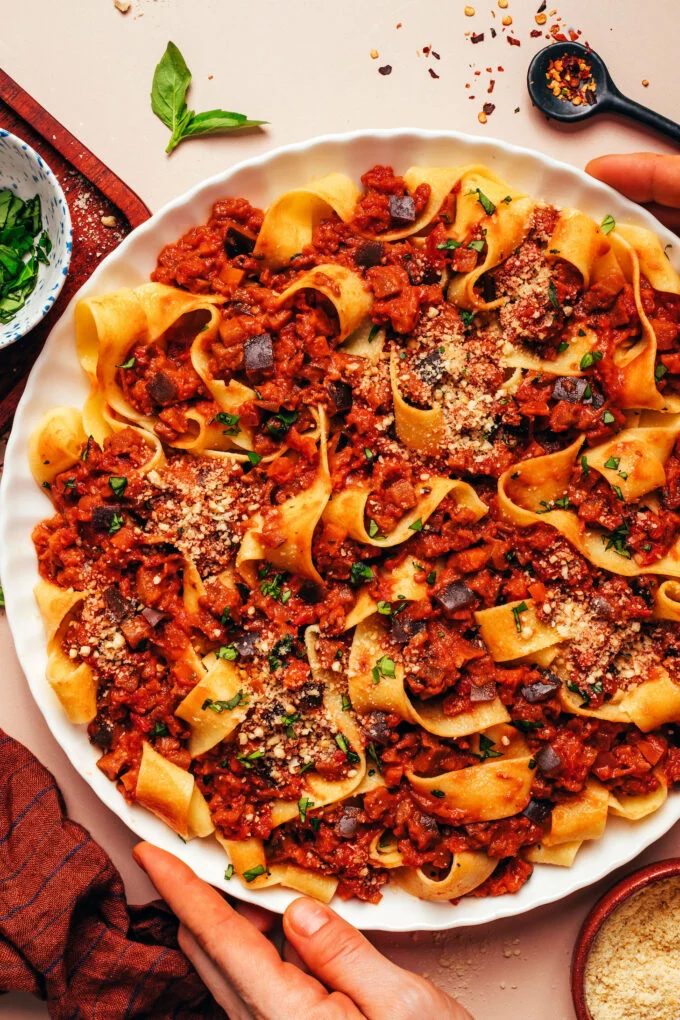
The Evolution of the Bolognese Tradition
The culinary foundation of this dish remains rooted in the historical practices of Bologna, Italy. Traditional Bolognese, or ragù alla bolognese, is characterized by a long-simmering process involving a soffritto—a base of finely diced onions, celery, and carrots—combined with minced meat, wine, and a small amount of milk to soften the acidity of the tomatoes. Historically, this dish was a hallmark of the Emilia-Romagna region, serving as a hearty, labor-intensive meal designed to nourish families.
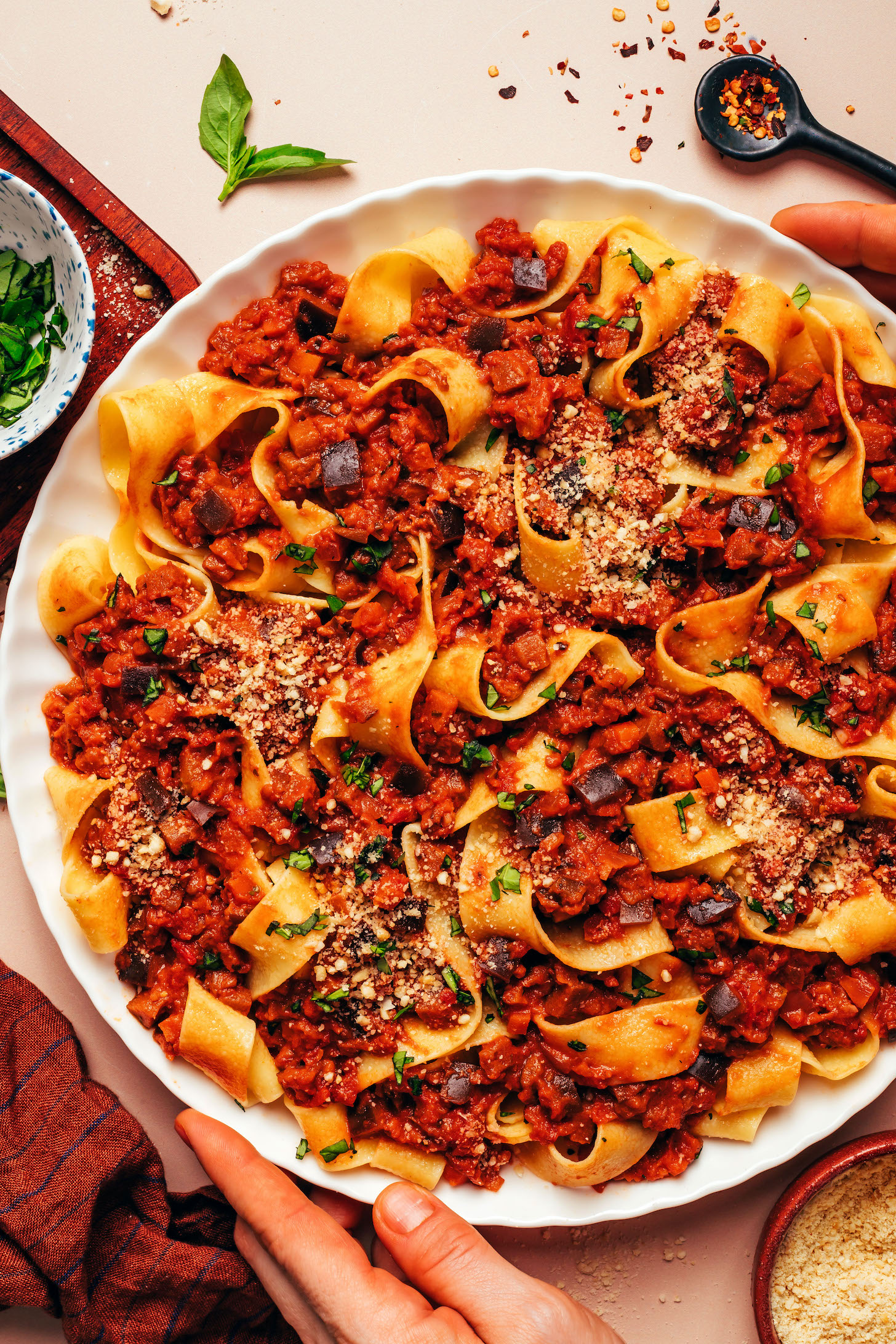
In recent years, the democratization of cooking has led to the "reimagining" of such staples. The shift toward plant-based diets, motivated by environmental concerns and health-conscious consumer preferences, has spurred food creators to replace animal proteins with legumes, mushrooms, and, in this instance, nightshade vegetables like eggplant. The adaptation of this specific recipe into a one-pot format reflects a 21st-century culinary priority: minimizing kitchen labor without sacrificing the depth of flavor traditionally associated with hours of stove-top simmering.
Technical Methodology and Culinary Chemistry
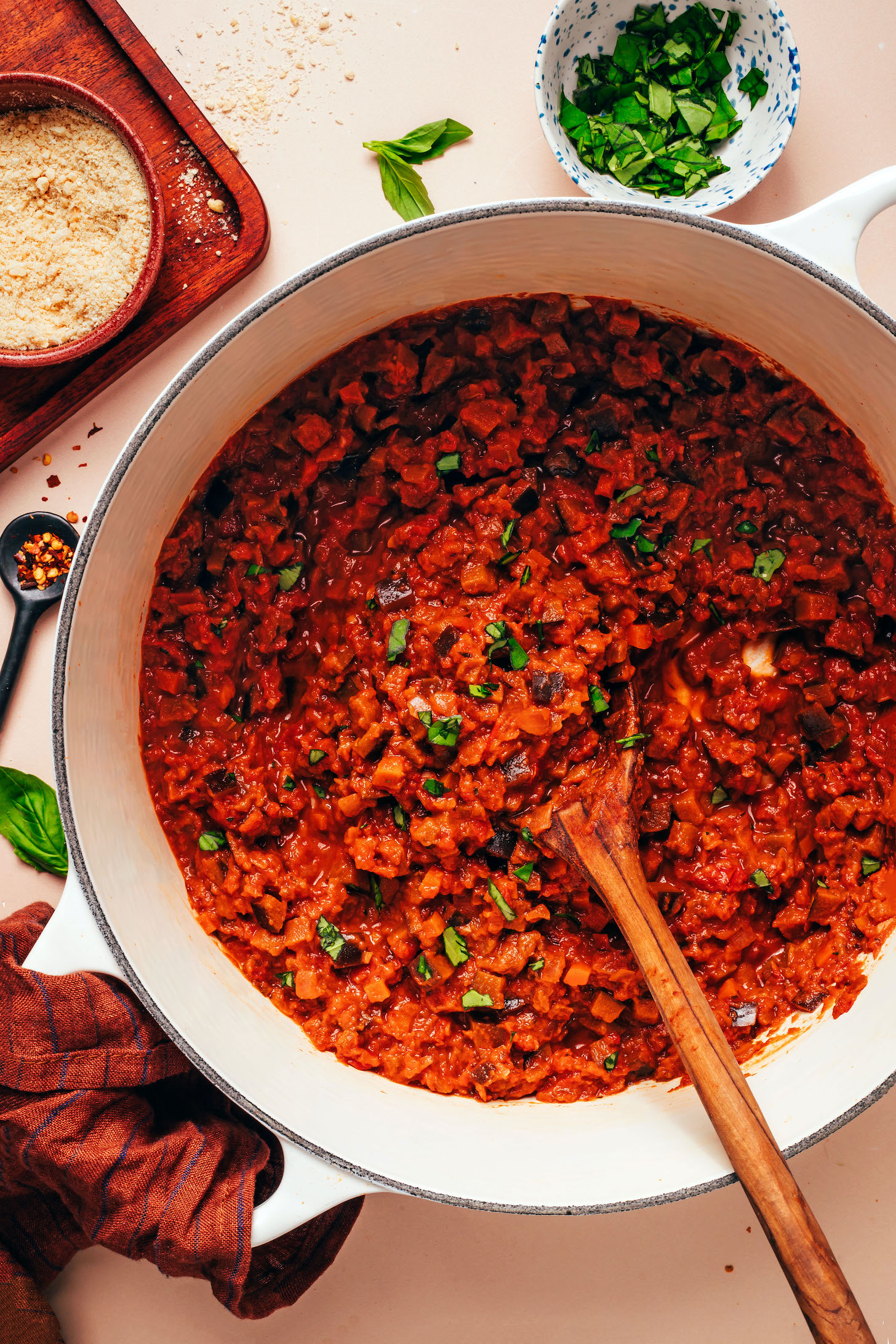
The success of the eggplant-based Bolognese rests on the Maillard reaction—a chemical reaction between amino acids and reducing sugars that gives browned food its distinctive flavor. When eggplant is diced and sautéed until golden brown, it undergoes this transformation, providing a savory, meaty depth that compensates for the absence of animal fat.

The inclusion of red wine serves a functional purpose, acting as a deglazing agent to lift the caramelized bits of vegetable from the bottom of the pot, while the addition of cashew milk provides the essential creaminess typically provided by dairy in a traditional ragù. By introducing this liquid at the end of the cooking process, the recipe achieves a balanced acidity and mouthfeel that mimics the authentic Italian dish. The total preparation time, currently estimated at 45 minutes, offers a significantly reduced timeline compared to the traditional preparation of a meat-based Bolognese, which can often require three or more hours to achieve the desired consistency.
Supporting Data and Nutritional Considerations
From a nutritional standpoint, the transition to an eggplant-based version of this classic dish offers distinct advantages. According to general dietary standards, eggplant is high in fiber, potassium, and antioxidants, particularly nasunin, which is found in the skin.

A single serving of this dish, as prepared in the one-pot method, provides approximately 284 calories, with 8.3 grams of fiber and 6.6 grams of protein. While the protein content is lower than a meat-based iteration, the recipe includes optional modifications—such as the incorporation of red lentils or the addition of plant-based meat substitutes—which can boost the protein density to meet higher dietary requirements. The sodium content is monitored at 689 mg per serving, which remains within the recommended daily intake for most healthy adults, assuming a balanced overall diet.
Chronology of the Recipe’s Development
The development of this recipe followed a structured, multi-step process typical of modern recipe testing:

- Conceptualization (Phase 1): Identification of the "one-pot" constraint as the primary barrier to entry for home cooks.
- Ingredient Sourcing (Phase 2): Selection of eggplant as the primary texturizing agent, chosen for its ability to absorb liquid and seasoning effectively.
- Flavor Balancing (Phase 3): Iterative testing of tomato-to-acid ratios. The addition of maple syrup was finalized to counteract the natural acidity of canned crushed tomatoes, a technique that replicates the subtle sweetness of carrots and onions found in traditional soffritto.
- Finalization (Phase 4): Integration of dairy-free emulsifiers, specifically homemade cashew milk, to achieve the necessary viscosity for the sauce.
Industry Implications and Consumer Response
The shift toward simplified, one-pot vegan meals represents a significant movement in the food industry. Data from industry analysts suggest that consumers are increasingly seeking "low-friction" cooking experiences. The popularity of "one-pot" recipes has grown by an estimated 15% year-over-year in online search volume, as busy households prioritize time management.
Food experts note that dishes like this are particularly effective at bridging the gap between traditionalists and proponents of plant-based eating. By maintaining the familiar structure of a "pasta night" while altering the ingredients, the recipe avoids the alienation that can sometimes accompany drastic dietary changes. Critics in the culinary space have noted that while these recipes may not satisfy those seeking the specific fat profile of animal meat, they offer a viable "gateway" for individuals interested in reducing their environmental footprint.
Comparative Analysis: The "Veggie Skeptic" Perspective
A common challenge in the promotion of plant-based recipes is overcoming the "veggie skeptic" demographic—consumers who equate meatless meals with a lack of satiety. To address this, the current recipe design utilizes several strategic elements:
- Aromatics: High concentrations of garlic, dried basil, and oregano are used to mimic the flavor profile of classic Italian cuisine.
- Textural Contrast: The use of small-diced eggplant, when properly sautéed, prevents the "mushy" texture often associated with poorly prepared vegetables, providing a mouthfeel that holds up against hearty pasta shapes like pappardelle.
- Versatility: The recipe is intentionally designed to be customizable. By allowing for the addition of vegan meatballs or lentil-based proteins, the cook maintains agency over the final caloric and macronutrient density of the meal.
Broader Impact on Home Cooking Trends
The rise of such recipes suggests a shift in how food media defines "Italian-inspired" dining. The focus is no longer on strict adherence to regional authenticity, but rather on the accessibility of the experience of the meal. In a post-pandemic landscape where home cooking has become a permanent habit for many, the demand for recipes that provide a "gourmet" output with minimal cleanup has never been higher.
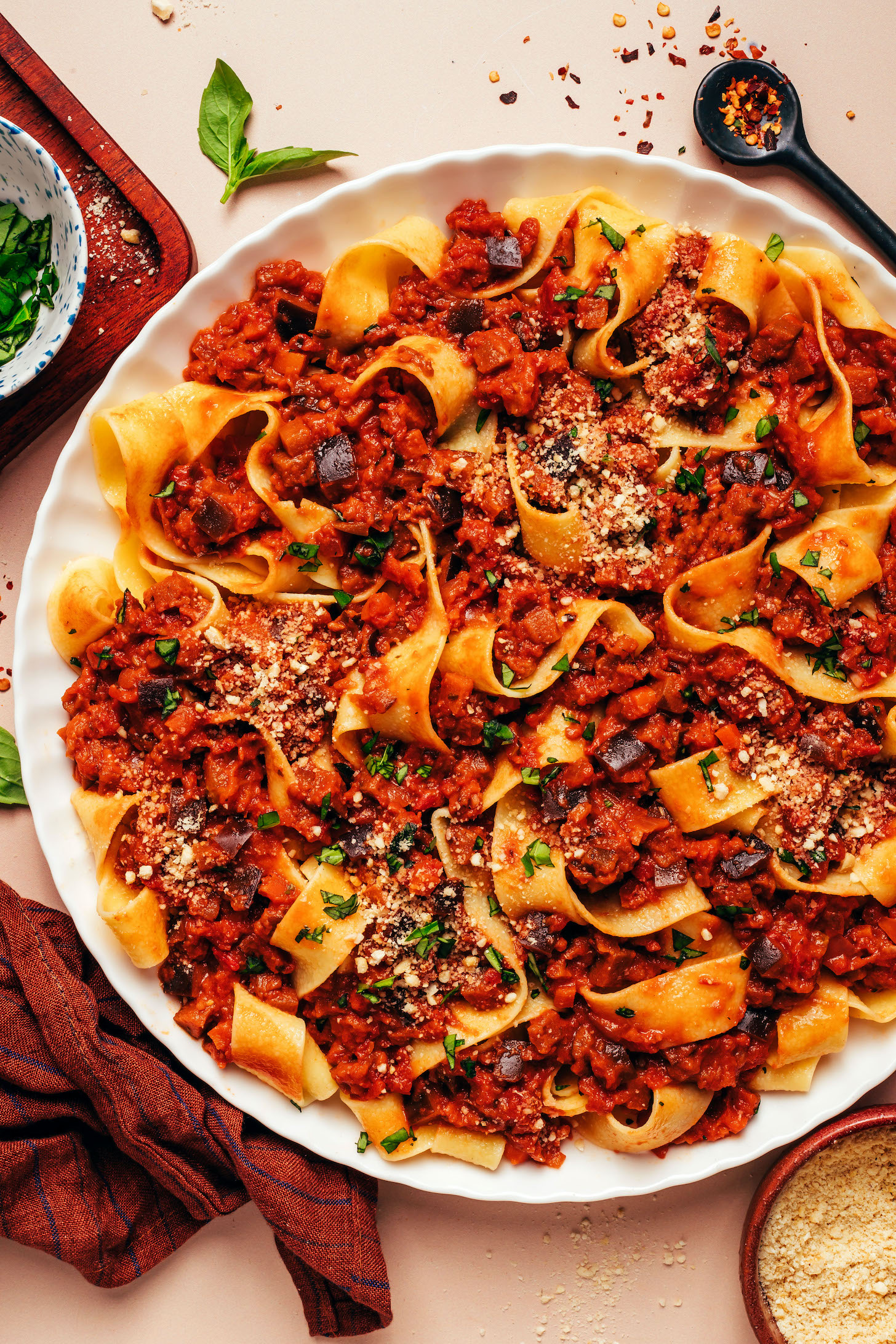
Furthermore, the environmental implications of this shift cannot be ignored. By replacing beef, which carries a high carbon footprint, with eggplant, the dish significantly lowers the water and land usage associated with the meal. As sustainability continues to dominate the discourse in both culinary education and consumer choices, it is highly probable that more traditional recipes will undergo similar "one-pot" or "plant-forward" transformations.
Conclusion and Future Outlook
The Easy Eggplant Bolognese represents a convergence of traditional Italian culinary heritage and modern dietary innovation. By distilling the complex, time-intensive process of ragù production into a single-vessel, vegetable-centric method, the recipe provides a viable blueprint for sustainable, efficient home cooking. Whether served over traditional semolina pasta or gluten-free alternatives, the dish stands as a testament to the versatility of simple, fresh ingredients. As cooking technology and nutritional science continue to evolve, the ability to replicate the comfort and depth of historical dishes using plant-based alternatives will likely remain a central focus for the culinary community at large.
