
The Evolution of the Corn Fritter
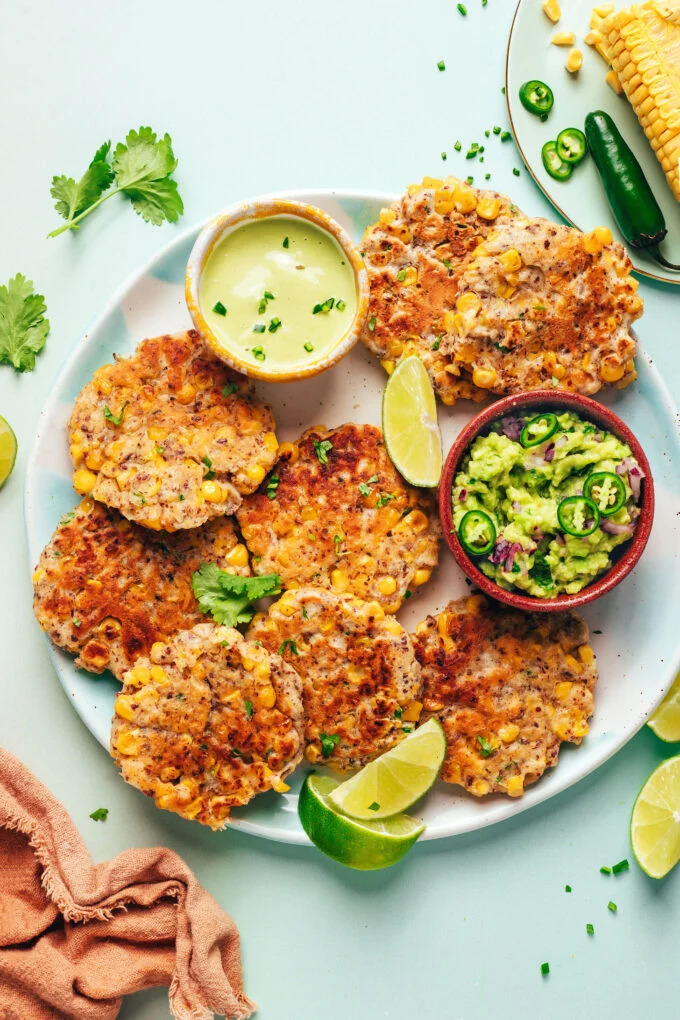
The corn fritter has long been a staple of North American cuisine, particularly in the Southern United States and across the Midwest during the late summer harvest. Historically, these fried cakes were developed as a practical method for utilizing excess sweet corn. Traditional recipes generally relied on a mixture of corn, flour, eggs, and milk, often deep-fried in lard or vegetable shortening.
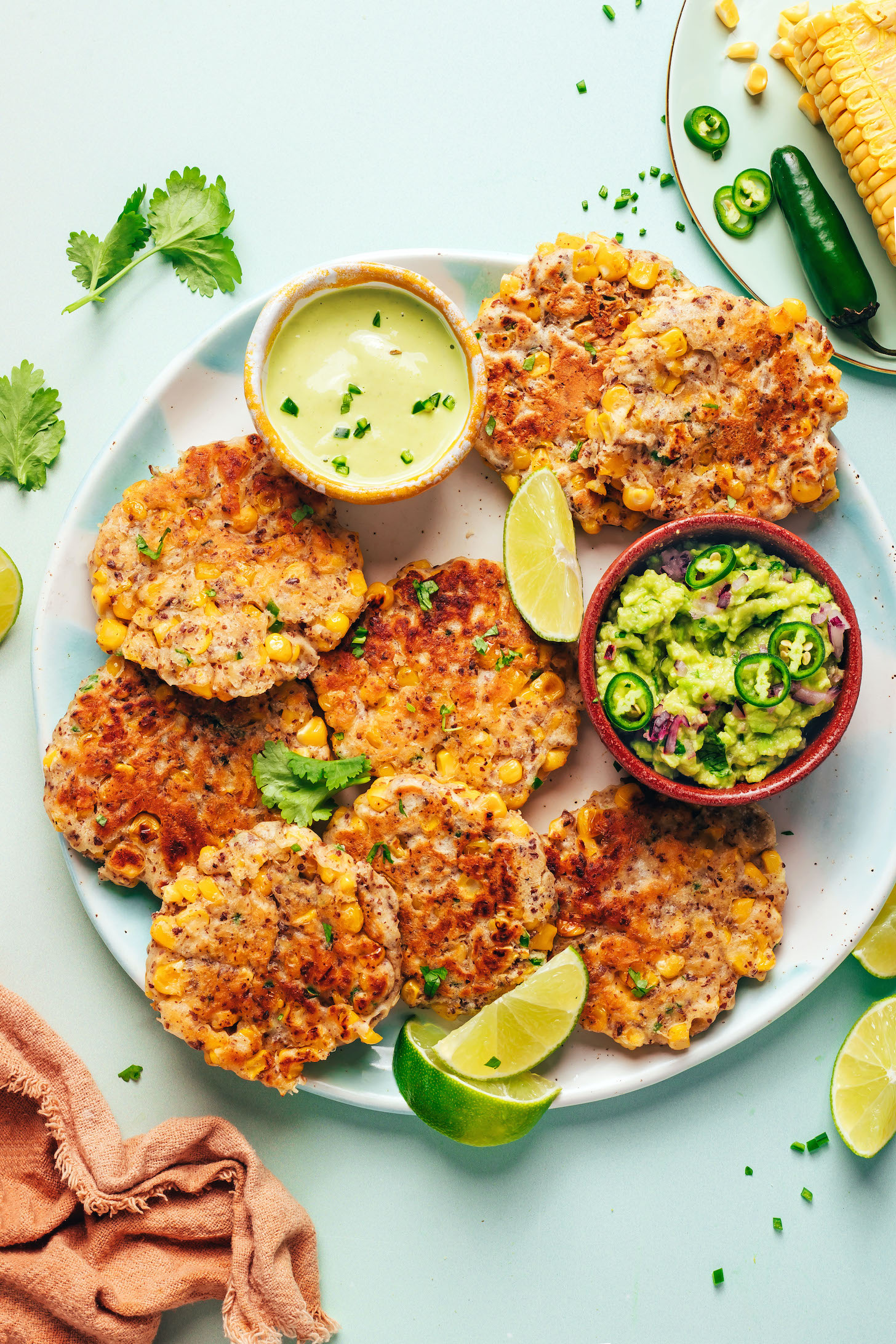
In the contemporary food landscape, however, health-conscious consumers and those adhering to dietary restrictions have sought to modernize these traditional dishes. The rise of plant-based diets—which, according to data from the Plant Based Foods Association, saw retail sales grow significantly over the past five years—has necessitated a rethink of classic appetizers. The current iteration of the jalapeño corn fritter reflects a broader trend: the "veganization" of comfort food, where binders like flax "eggs" and high-quality flour alternatives provide the same structural integrity as their traditional counterparts.
Technical Composition and Preparation Methods
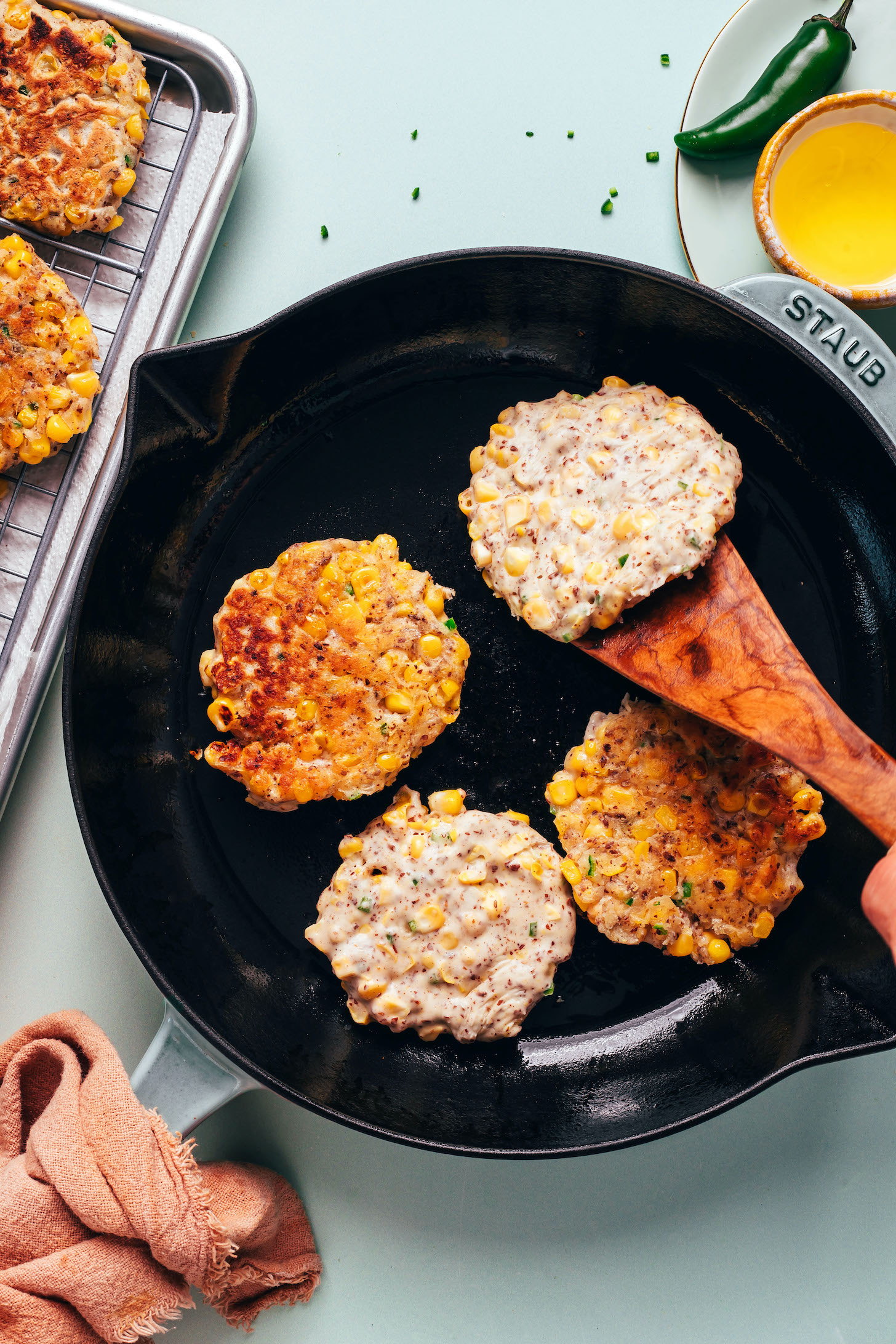
The technical challenge of creating a vegan corn fritter lies in achieving the Maillard reaction—the chemical reaction between amino acids and reducing sugars that gives browned food its distinctive flavor—while maintaining a structural balance that prevents the fritter from falling apart during the cooking process.
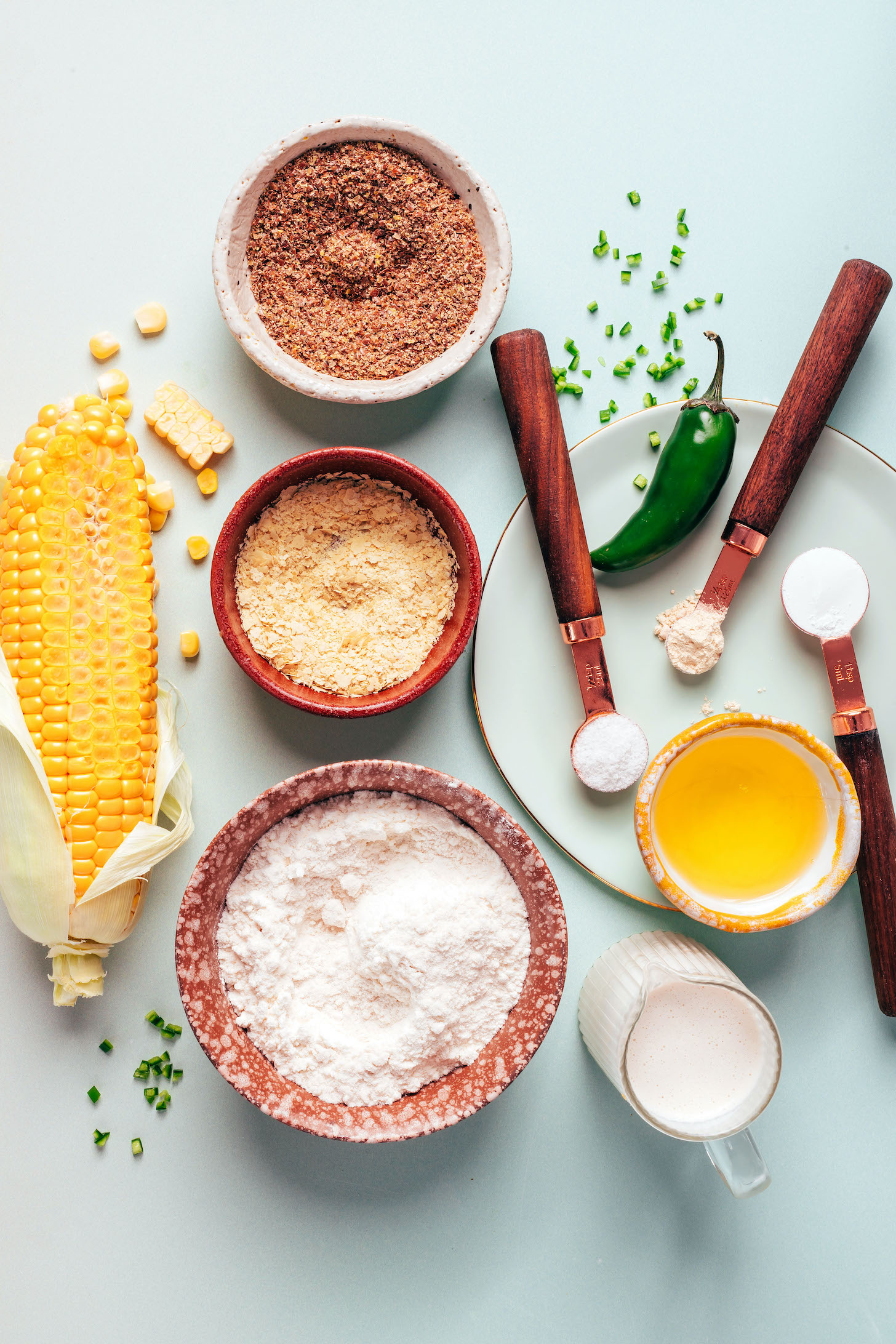
The formulation for this dish centers on ten essential components:
- Flaxseed meal: Acts as the primary emulsifier and binder when hydrated.
- Unsweetened dairy-free milk: Provides the liquid base for the batter.
- Gluten-free flour blend: Replaces wheat-based all-purpose flour to accommodate celiac or gluten-sensitive diets.
- Baking powder: Ensures proper leavening for a light, airy internal texture.
- Nutritional yeast: Adds a savory, umami-rich depth that mimics the profile of dairy.
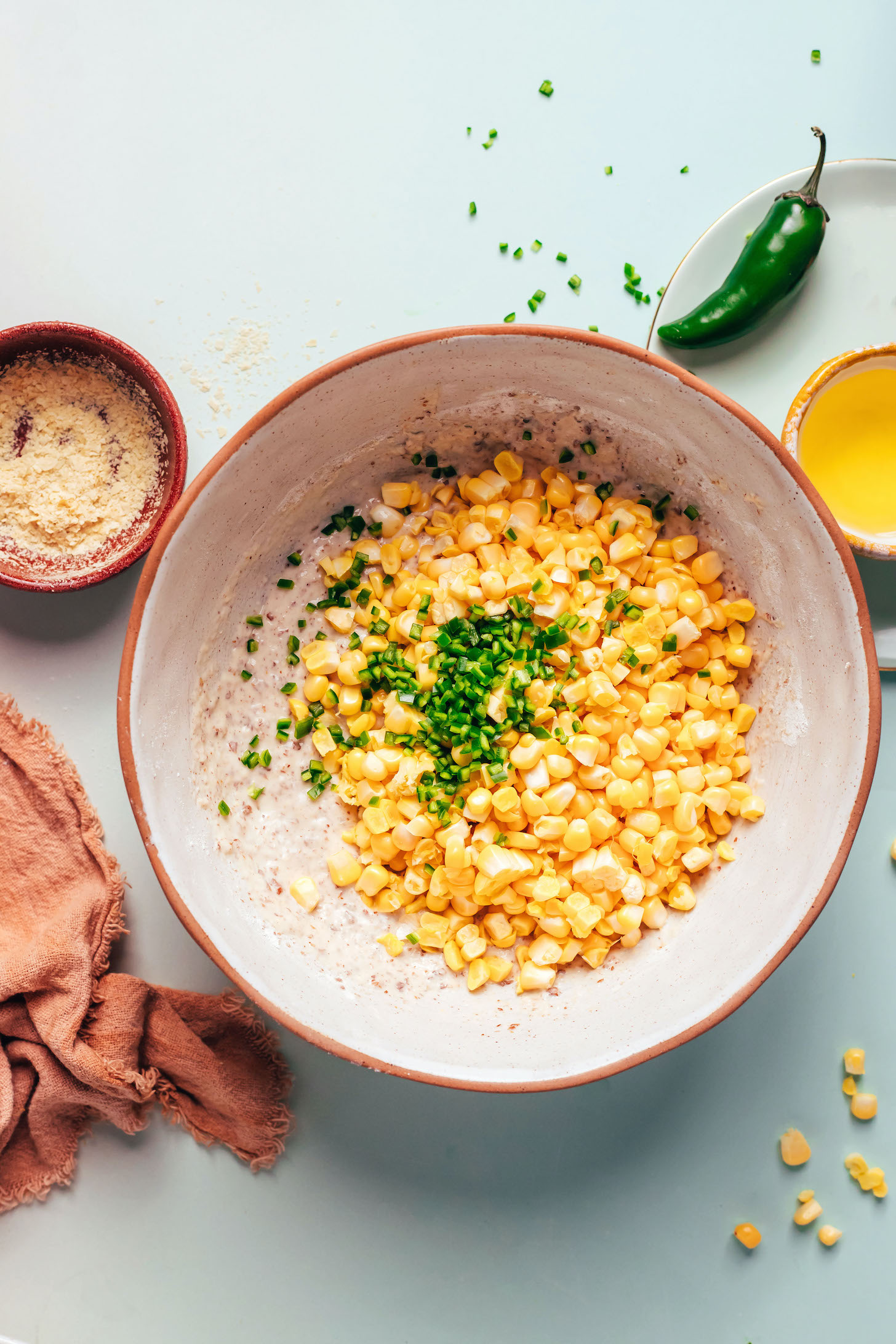
- Fresh or thawed frozen corn: The primary textural element.
- Finely diced jalapeños: Provides heat and acidity.
- Garlic powder and salt: Essential flavor enhancers.
- Avocado oil: Chosen for its high smoke point, which is critical for successful shallow frying.
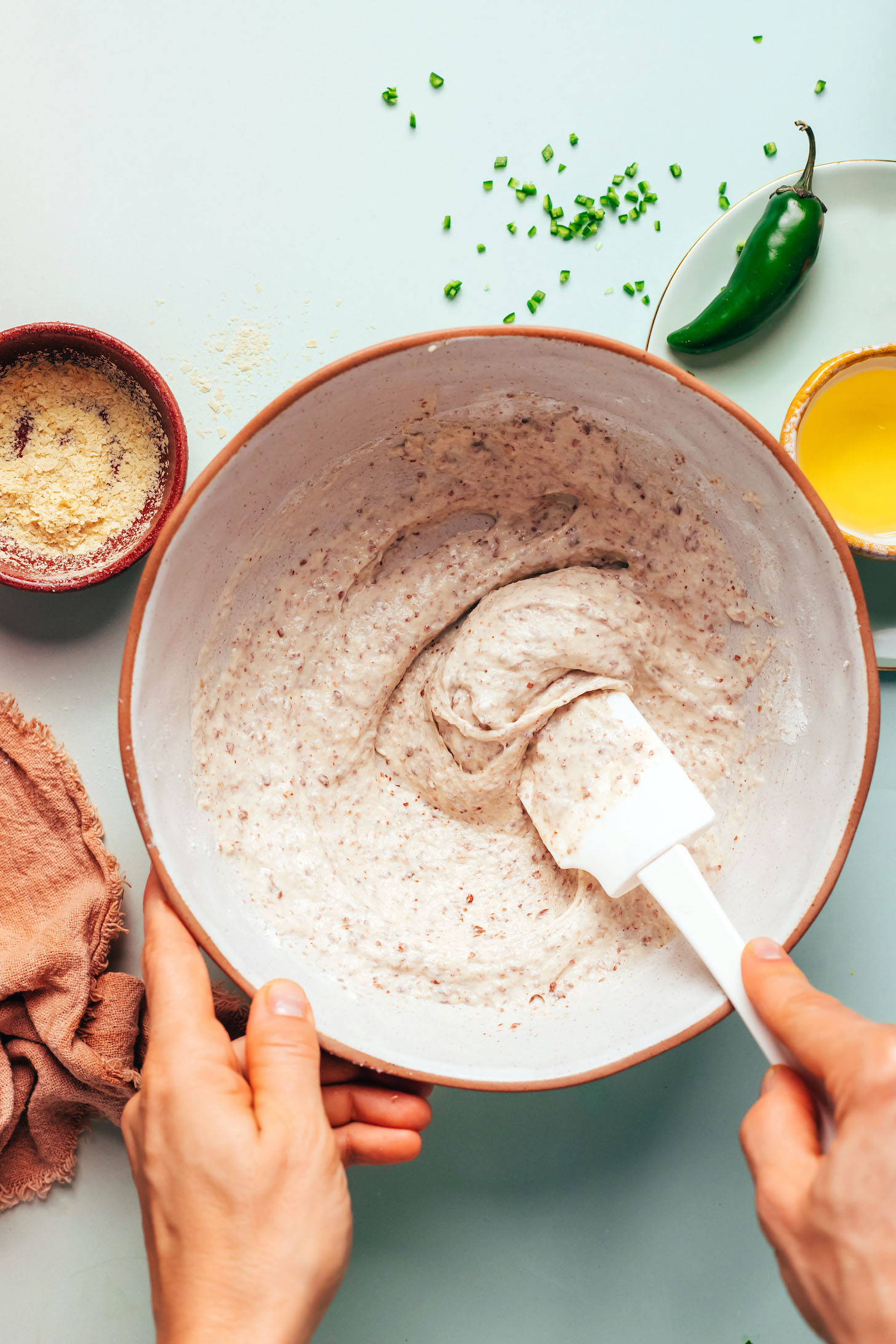
The preparation timeline is optimized for a 30-minute window. A typical sequence involves five minutes for ingredient preparation, ten minutes for batter assembly, and approximately fifteen minutes of active cooking time. By opting for a shallow fry in a cast-iron skillet rather than deep frying, the process minimizes oil absorption and improves the nutritional profile of the finished product, aligning with modern dietary preferences for lower-fat cooking methods.
Nutritional Analysis and Dietary Considerations
From a nutritional standpoint, the transition to a plant-based version of the fritter yields notable changes in the macronutrient profile. A single serving—defined as one fritter—contains approximately 103 calories. The carbohydrate count sits at 16.2 grams, with 1.9 grams of dietary fiber, reflecting the inclusion of whole corn kernels and the absence of processed additives.
The protein content is derived from the corn, the flour blend, and the flaxseed meal, totaling 2.4 grams per serving. Because the dish is cholesterol-free and significantly lower in saturated fat (0.5 grams per serving) compared to traditional butter- or egg-based recipes, it is positioned as a heart-healthy alternative for appetizers. Furthermore, the use of avocado oil introduces monounsaturated fats, which are widely recognized by the American Heart Association as beneficial for cardiovascular health.
Market Trends and Culinary Impact
The increasing popularity of recipes that offer both vegan and gluten-free options is not merely a niche interest; it represents a fundamental shift in how home cooks approach ingredient selection. According to recent market reports on home cooking trends, there is a marked increase in demand for "one-bowl" recipes that reduce cleanup time. The design of this specific fritter recipe—which utilizes a single mixing bowl—addresses the growing consumer demand for time-efficient, low-labor culinary solutions.
Furthermore, the integration of jalapeño into traditional corn fritters signifies an ongoing movement toward "globalized" flavor profiles in home cooking. The combination of sweet corn with the heat of peppers reflects a fusion of classic American Southern staples with elements often found in Southwestern or Mexican-inspired cuisine. This cross-pollination of flavors has become a hallmark of 21st-century culinary development.
Challenges in Scaling and Preparation
While the recipe is designed for ease of use, professional culinary experts note that moisture control remains the most significant variable in achieving the desired texture. Because corn—whether fresh or frozen—contains a high percentage of water, proper drying is essential. Failure to remove excess moisture can lead to a gummy interior and a lack of crispness on the exterior.
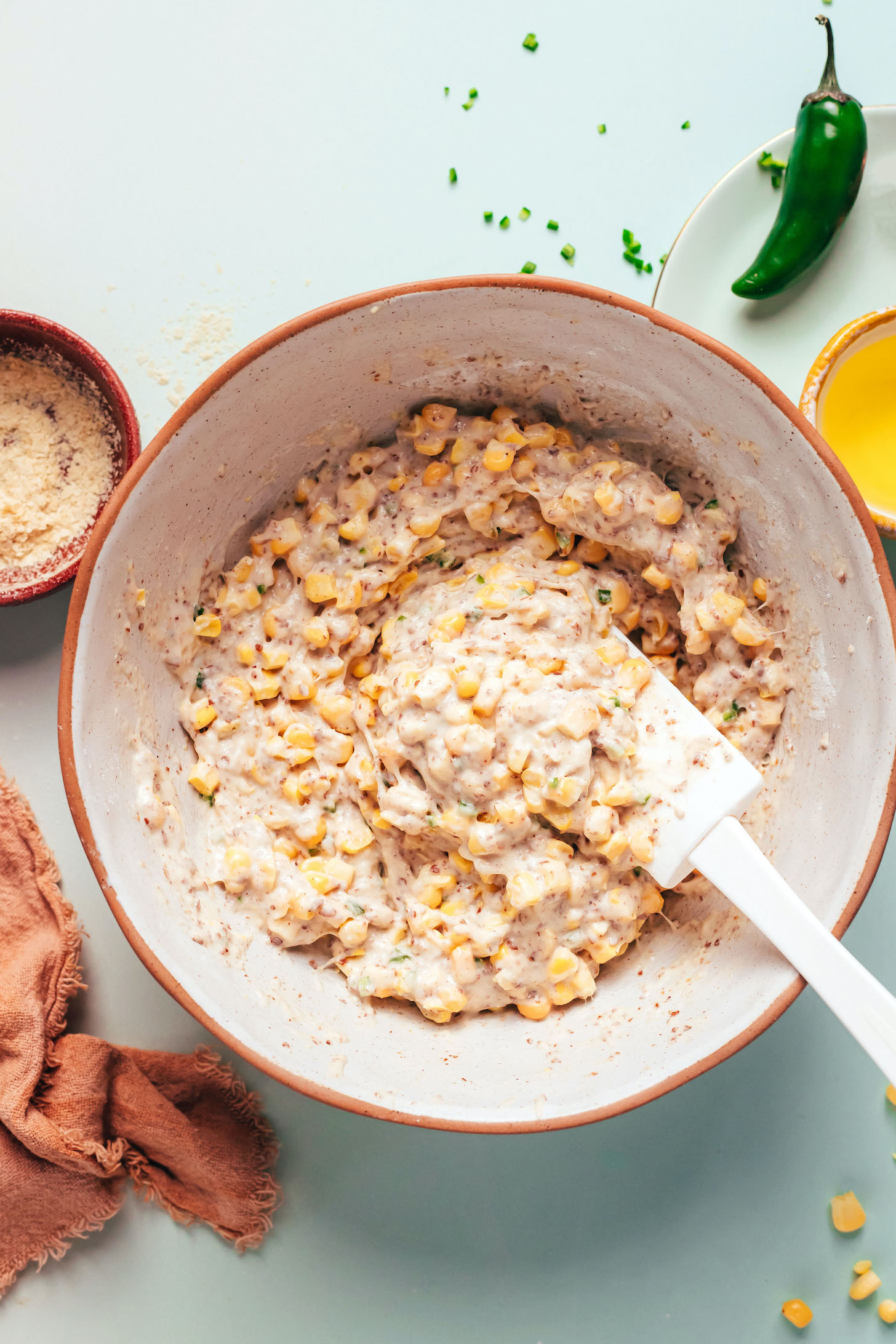
Culinary educators often emphasize that for the best results, the batter must be thick enough to hold its shape when dropped into the hot oil. If the consistency is too thin, the fritter will spread excessively, failing to develop the characteristic "crunch." The recommendation to use a cast-iron skillet is also deliberate; the heat retention properties of cast iron provide a consistent temperature across the cooking surface, which is vital for achieving a uniform golden-brown crust without burning the exterior before the center is cooked through.
Broader Implications for Sustainable Eating
The rise of such recipes has broader implications for sustainable food practices. By relying on corn, a highly efficient crop with a relatively low carbon footprint, and utilizing plant-based binders, this recipe serves as a model for low-impact entertaining. As global food systems continue to face pressure from climate change and resource scarcity, the transition toward plant-centric appetizers and sides is expected to accelerate.
The flexibility of the recipe—specifically the ability to swap fresh corn for frozen—also addresses issues of food seasonality. By allowing for the inclusion of frozen produce, the dish remains accessible year-round, which helps reduce the environmental impact associated with transporting out-of-season fresh produce.
Conclusion: A Staple of Modern Appetizers
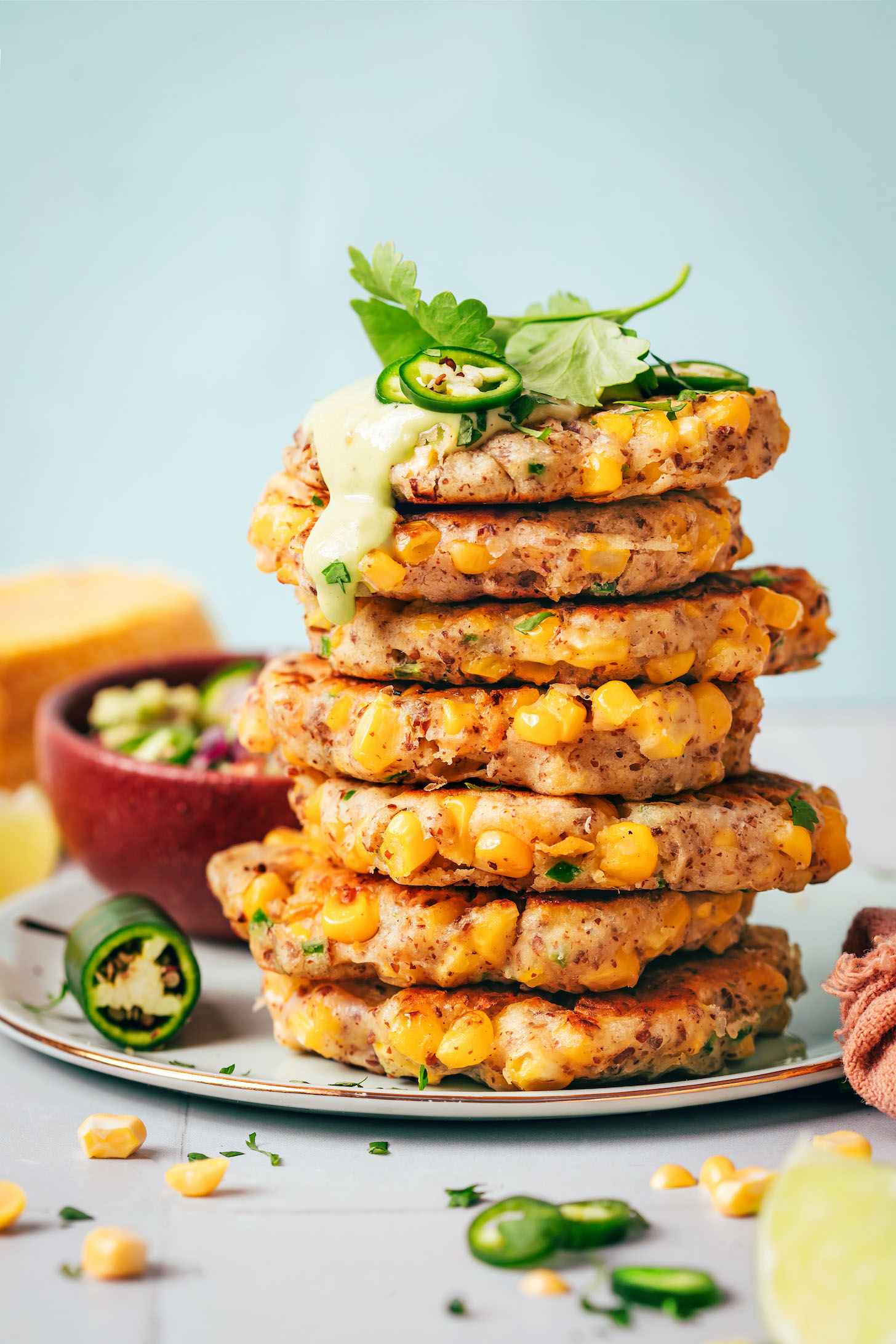
The Jalapeño Corn Fritter has successfully bridged the gap between traditional comfort food and the requirements of modern, health-conscious diets. By utilizing a straightforward, high-efficiency preparation method and focusing on fresh, seasonal ingredients, it provides a template for the future of appetizer design. Whether served with a side of cashew-based jalapeño sauce, traditional guacamole, or a simple vegan ranch, the dish highlights that dietary restrictions do not necessitate a sacrifice in flavor or enjoyment. As home cooking continues to emphasize speed, health, and ethical consumption, such recipes will likely remain a fixture in the culinary repertoire of the modern household.
