
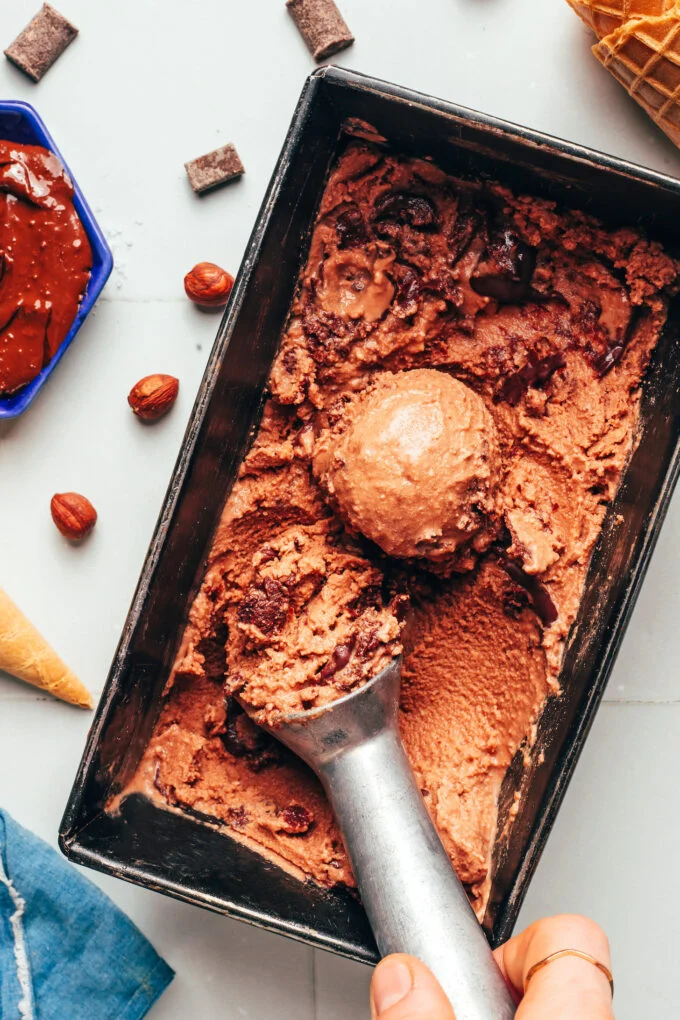
The landscape of modern plant-based culinary innovation has shifted significantly toward simplified, high-impact ingredient profiles. The recent emergence of a six-ingredient vegan chocolate hazelnut ice cream serves as a case study in the accessibility of professional-grade, dairy-free dessert production. By leveraging traditional techniques such as nut roasting and thermal tempering, this recipe demonstrates that home-based food preparation can replicate the sensory experience of artisanal gelato without the use of animal-derived stabilizers or dairy fats.
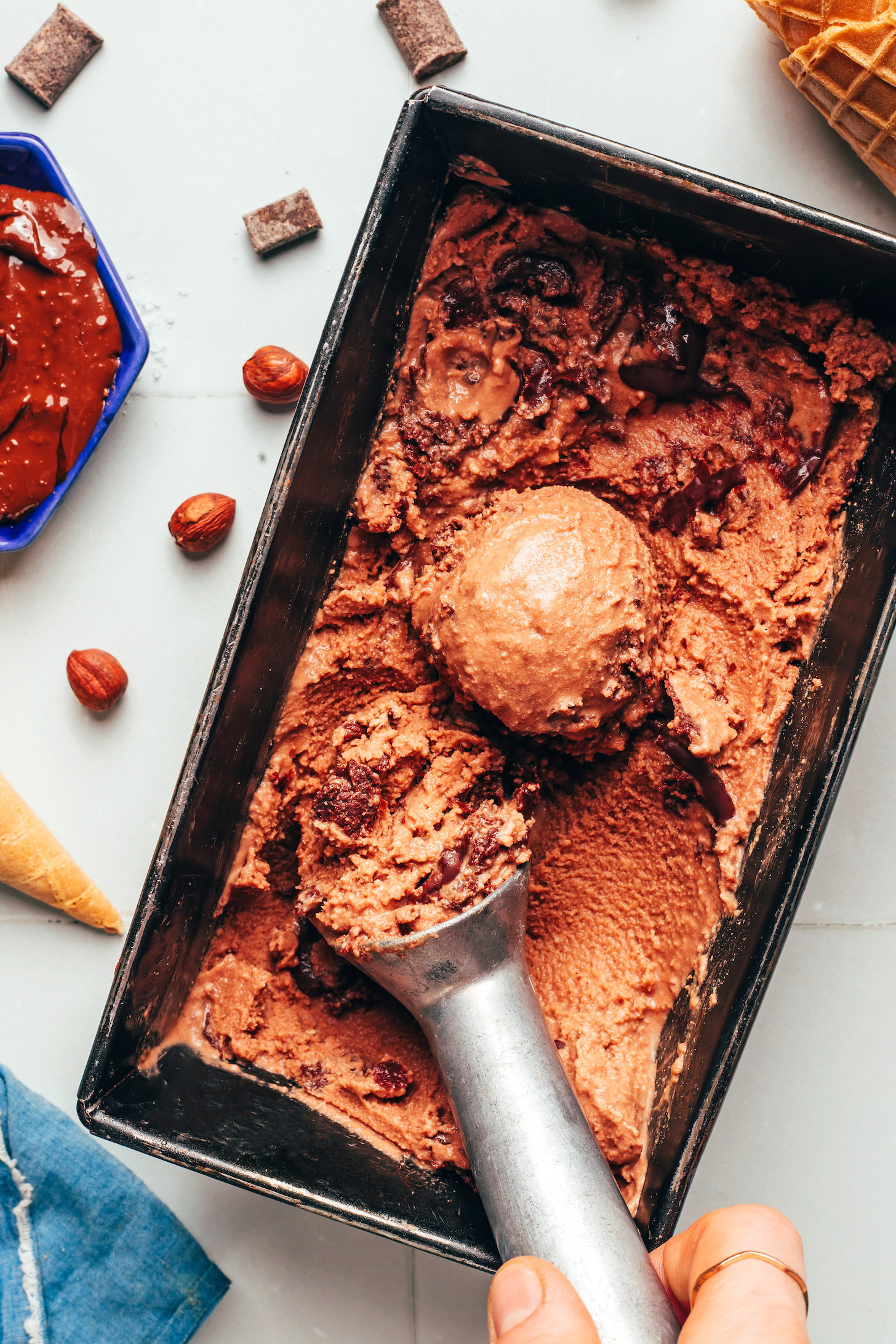
The Evolution of Dairy-Free Dessert Technology
For decades, the primary challenge in vegan ice cream production was the maintenance of a smooth, "fluffy" mouthfeel—a quality historically provided by the protein and fat structures of bovine milk. The adoption of high-fat, plant-based alternatives like canned coconut milk has revolutionized this sector. Coconut milk, particularly when containing natural emulsifiers like guar gum, provides the necessary viscosity to prevent the formation of large ice crystals during the freezing process.
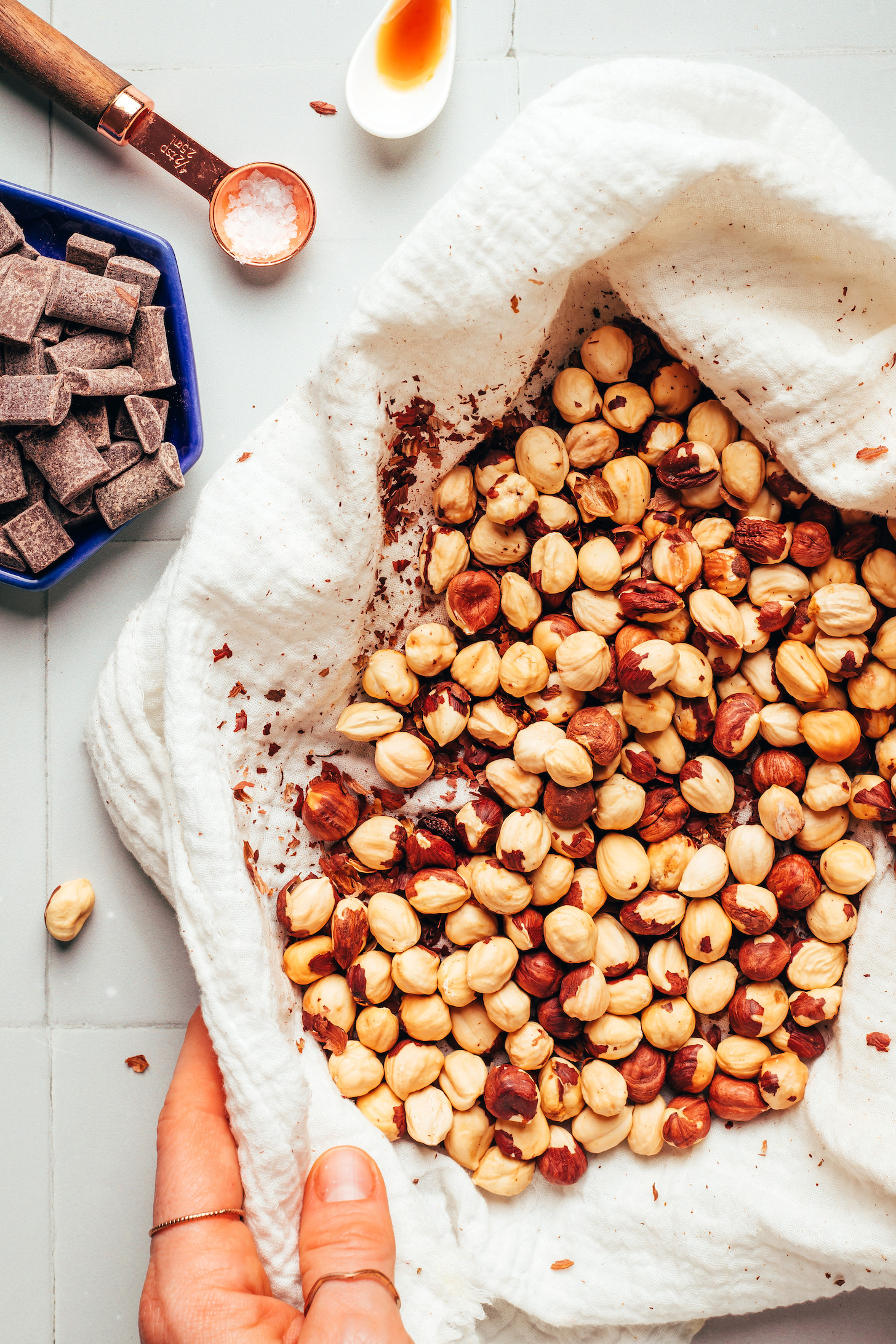
The integration of roasted hazelnuts serves as the structural foundation for this specific recipe. Roasting the nuts at high temperatures is not merely a flavor-enhancing step; it is a chemical necessity that triggers the release of natural oils and facilitates the removal of the fibrous pellicle (the skin). Once these oils are released, the blending process with melted chocolate creates a stable, viscous paste that functions similarly to a commercial hazelnut praline or traditional Nutella, albeit without the inclusion of skim milk powder or palm oil.
Procedural Chronology and Technical Execution
The preparation of this dessert follows a strictly defined technical sequence designed to optimize texture and flavor extraction.
- Thermal Activation: The process commences with the dry roasting of raw hazelnuts. This stage typically lasts 10 to 15 minutes at approximately 350°F (175°C). The goal is to reach a golden-brown hue, which signals the breakdown of internal cell structures and the onset of the Maillard reaction.
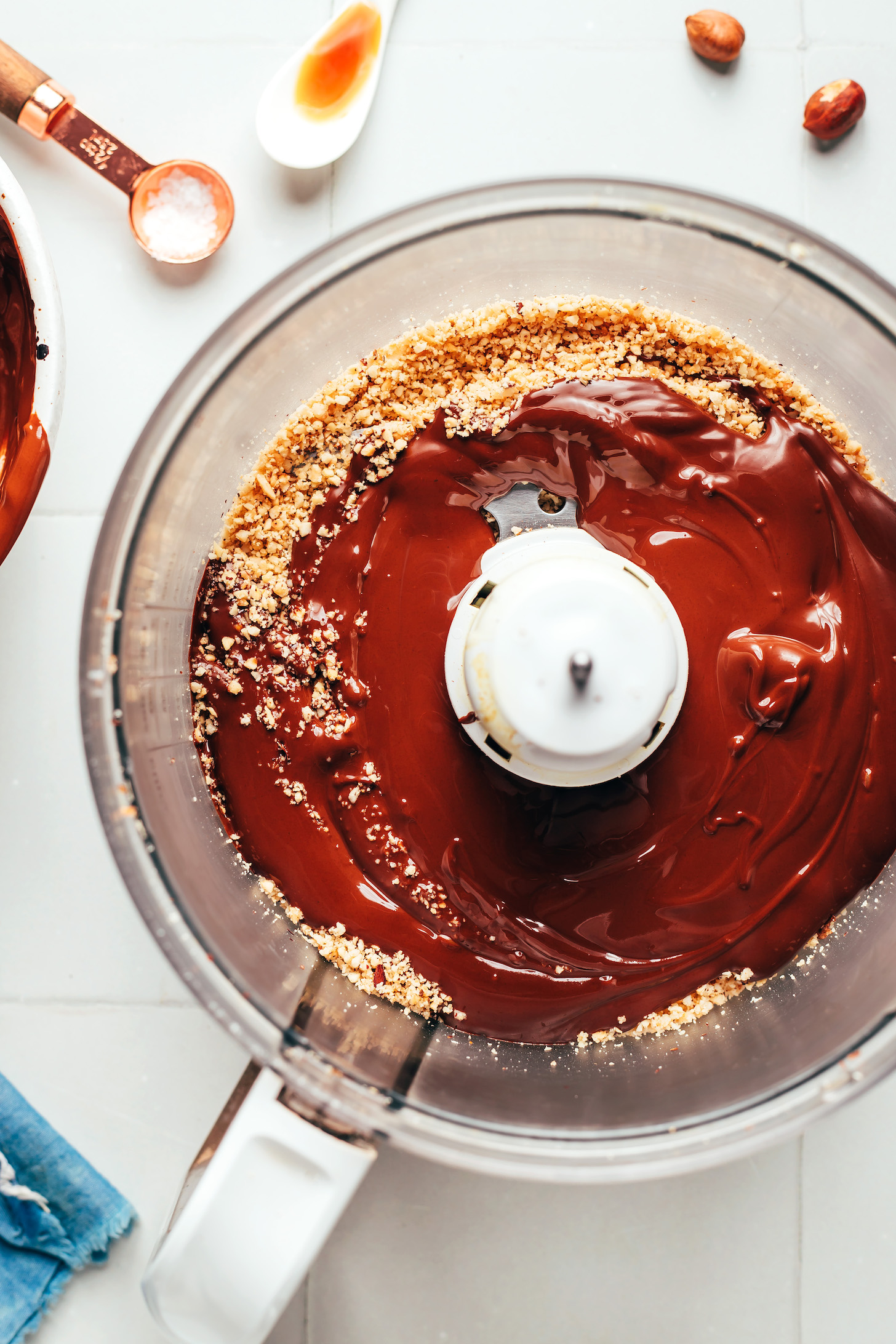
- Homogenization: Post-roasting, the hazelnuts are processed in a high-speed blender alongside melted chocolate. This creates a homogeneous mixture where the fats from the hazelnuts and the cocoa butter from the chocolate form a stable emulsion.
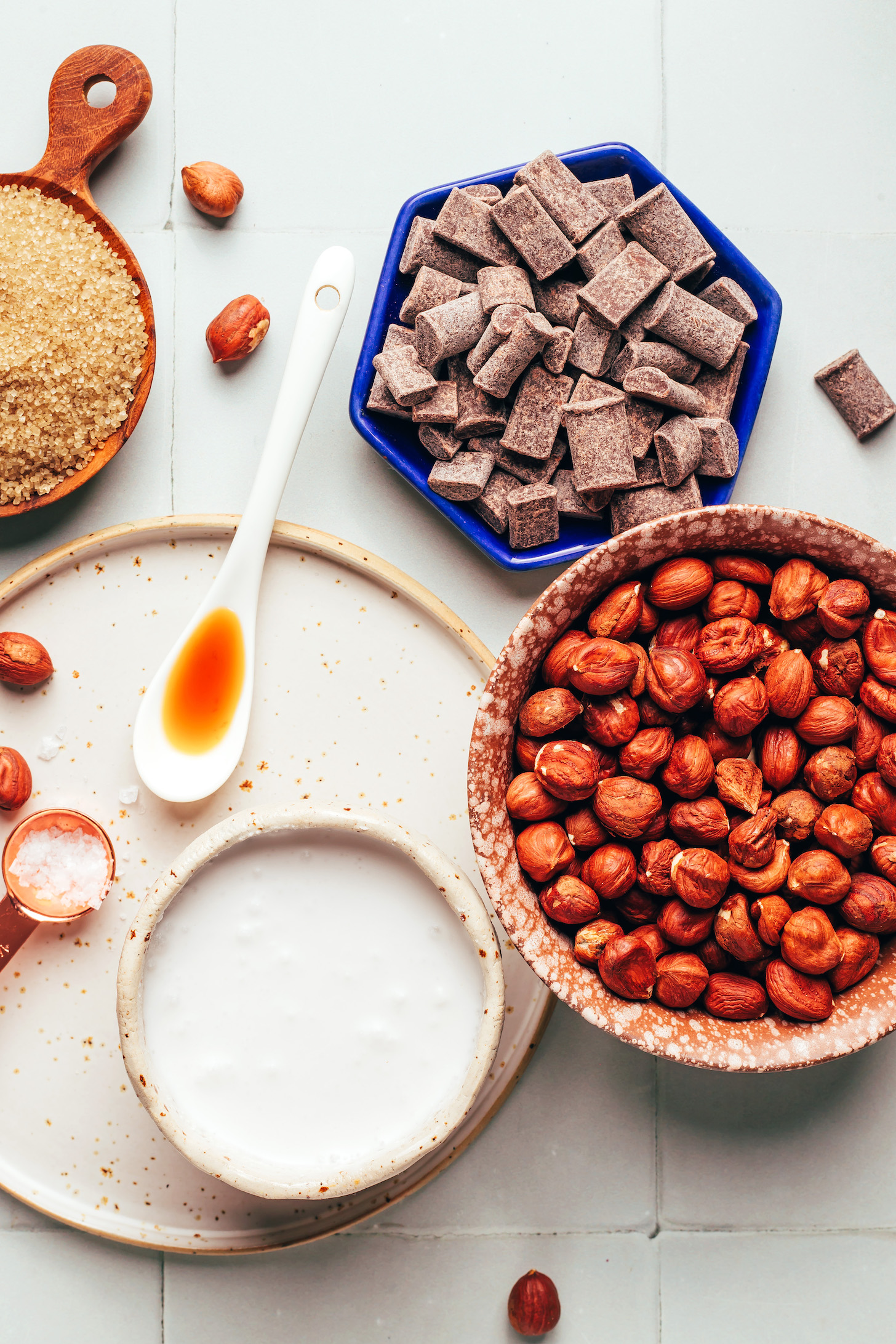
- Base Integration: The nut-chocolate mixture is then folded into a base consisting of light coconut milk, cane sugar, vanilla extract, and a pinch of salt. The inclusion of salt is critical, as it acts as a flavor enhancer that balances the inherent bitterness of cocoa and the sweetness of the sugar.
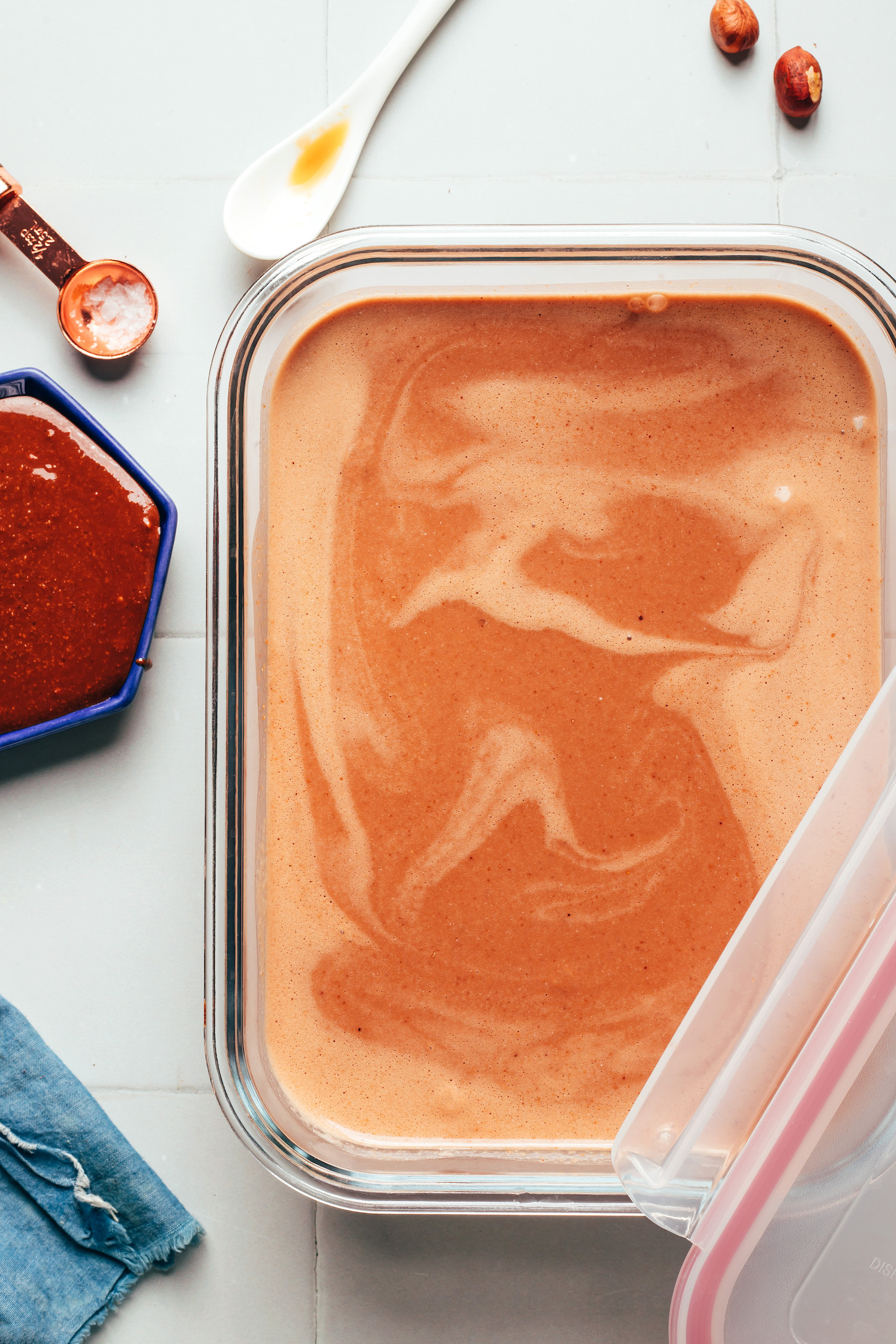
- Thermal Stabilization: Before the mixture is introduced to an ice cream maker, it must be refrigerated for a minimum of one hour. This cooling period is vital; it ensures the fats are cold enough to solidify quickly during the churning process, which is the primary factor in determining the final scoopable consistency.
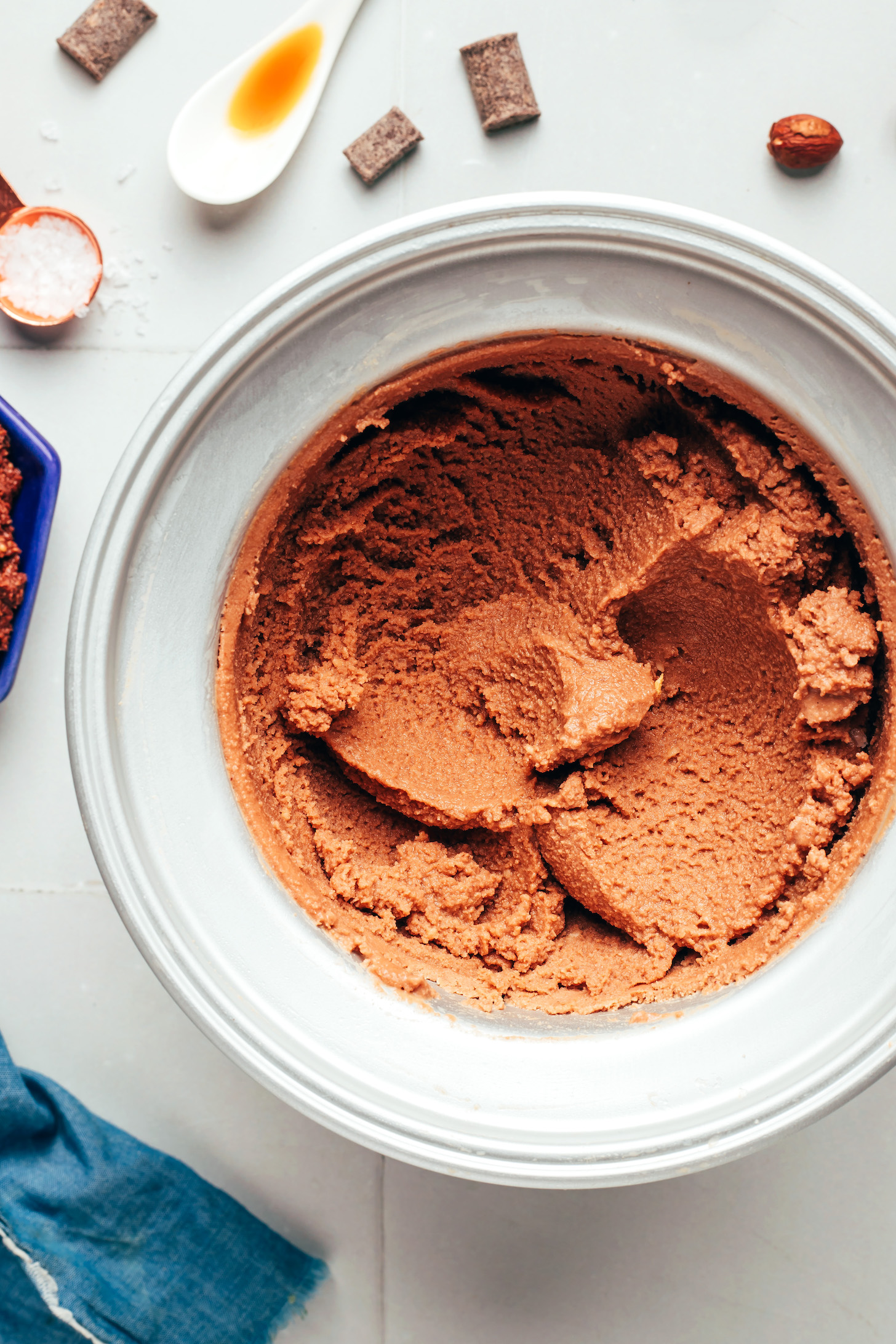
- Churning and Incorporation: During the 30-minute churning phase, air is mechanically incorporated into the mixture. To achieve the signature "swirl" effect, a portion of the hazelnut-chocolate paste is reserved and folded in manually after the base has been aerated, ensuring visible layers of concentrated flavor throughout the finished product.
Nutritional Profile and Dietary Implications
From a nutritional standpoint, the transition to plant-based, whole-food-derived desserts reflects a broader consumer trend toward ingredient transparency. A standard 1/2-cup serving of this recipe contains approximately 277 calories, 21.2 grams of fat, and 17 grams of sugar.
While the fat content is high, it is primarily derived from plant sources. The absence of cholesterol—a byproduct of dairy—appeals to consumers managing cardiovascular health. Furthermore, the inclusion of 2.8 grams of dietary fiber per serving, primarily sourced from the hazelnuts, distinguishes this dessert from traditional dairy-based ice creams that are typically devoid of fiber. The iron content, measured at approximately 2.2 mg per serving, provides a minor but notable micronutrient contribution, a result of the high concentration of hazelnut solids.
Industry Context: The Rise of Home-Crafted Veganism
The popularity of this specific approach—minimalist, six-ingredient recipes—reflects a market shift identified by culinary analysts. As food prices rise and concerns regarding ultra-processed additives grow, home cooks are increasingly seeking recipes that offer "clean label" results.
The Minimalist Baker organization, which popularized this specific methodology, notes that the success of such recipes relies on the quality of the starting materials. By advising the use of specific, emulsifier-rich coconut milk brands, the recipe bridges the gap between amateur cooking and professional food science. This level of technical specificity allows home users to achieve a "gelato-like" texture that would otherwise require industrial equipment to replicate.
Broader Economic and Environmental Impact
The reliance on hazelnuts as a base ingredient carries specific agricultural implications. Hazelnuts are a water-efficient crop compared to many dairy-producing alternatives, though their cultivation is geographically concentrated, primarily in regions like Turkey and the Pacific Northwest of the United States.
The environmental footprint of a homemade, vegan, coconut-based ice cream is objectively lower than that of its dairy counterpart. The production of milk requires significant land use and results in higher greenhouse gas emissions, particularly methane. By substituting animal fat with plant-based fats, the carbon footprint of this dessert is significantly reduced.
Furthermore, the "do-it-yourself" model reduces the reliance on single-use plastic packaging, a persistent issue in the commercial ice cream industry. By preparing the product in batches, consumers reduce the frequency of grocery store trips and minimize waste, aligning with the "zero-waste" culinary movement currently gaining traction in domestic spheres.
Future Outlook for Plant-Based Frozen Desserts
Looking forward, the techniques utilized in this recipe provide a blueprint for the future of frozen dessert innovation. As flavor technology advances, the ability to replicate complex textures—such as the creamy, dense mouthfeel of traditional Italian gelato—using only six basic ingredients suggests that the barrier to entry for high-quality, plant-based eating is lowering.
The success of this recipe also highlights the growing demand for gluten-free and allergen-conscious options. By avoiding wheat-based thickeners and dairy, this dessert satisfies a wide array of dietary restrictions, making it a versatile staple for communal dining. Whether utilized for summer events or as a year-round treat, the focus remains on the synthesis of high-quality fats and sugars to produce a final product that satisfies both the palate and the ethical requirements of the modern consumer.

As home-based culinary techniques continue to evolve, the distinction between "homemade" and "commercially prepared" continues to blur. Through the application of simple thermodynamic principles—chilling, emulsifying, and churning—this vegan Nutella-inspired ice cream stands as a definitive example of how basic pantry staples can be transformed into a sophisticated, professional-grade dessert.
