
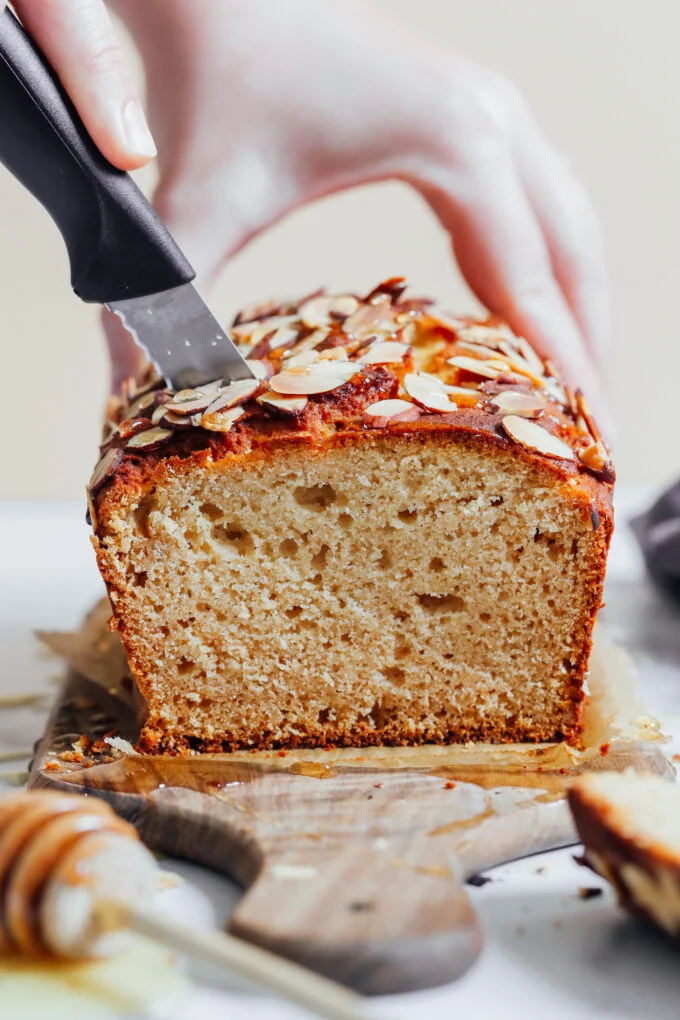
The culinary landscape has seen a significant shift toward inclusive baking, as home cooks and professional bakers alike increasingly prioritize dietary accessibility without compromising on sensory quality. A prominent example of this evolution is the emergence of the 1-Bowl Honey Almond Snack Cake, a gluten-free and dairy-free confection that has gained traction for its simplified preparation and alignment with current nutritional preferences. This specific recipe reflects a growing trend in the home-baking sector, where the focus has moved toward “minimalist” methodologies that reduce both time requirements and the complexity of kitchen equipment.
The Rise of Simplified Dietary-Inclusive Baking
In the last decade, the demand for gluten-free and dairy-free alternatives has expanded from a niche market to a mainstream consumer priority. According to market research data regarding the gluten-free packaged food and home-baking segments, the compound annual growth rate (CAGR) for these products continues to climb as more individuals identify with gluten sensitivities or choose to adopt plant-based or allergy-friendly lifestyles.
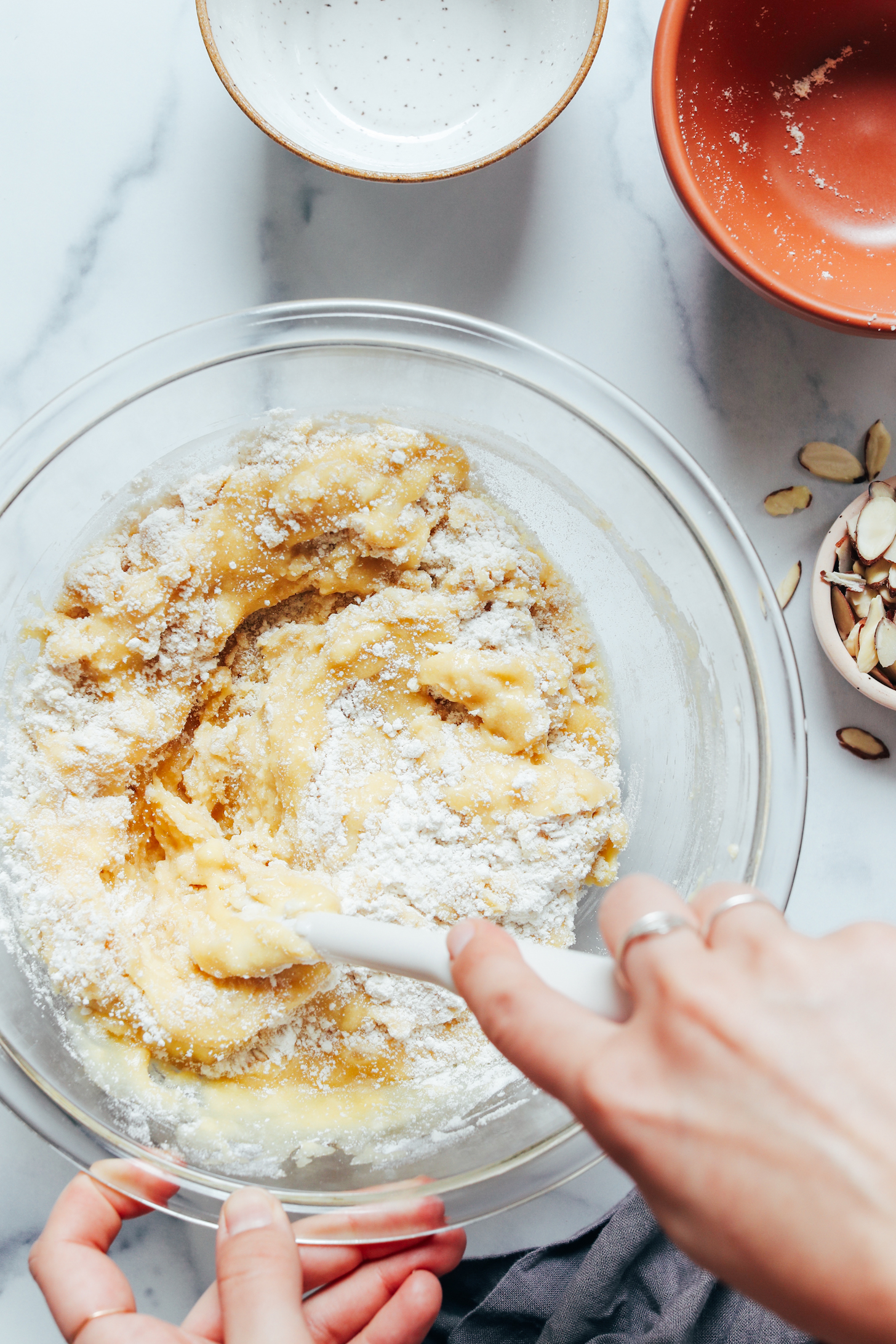
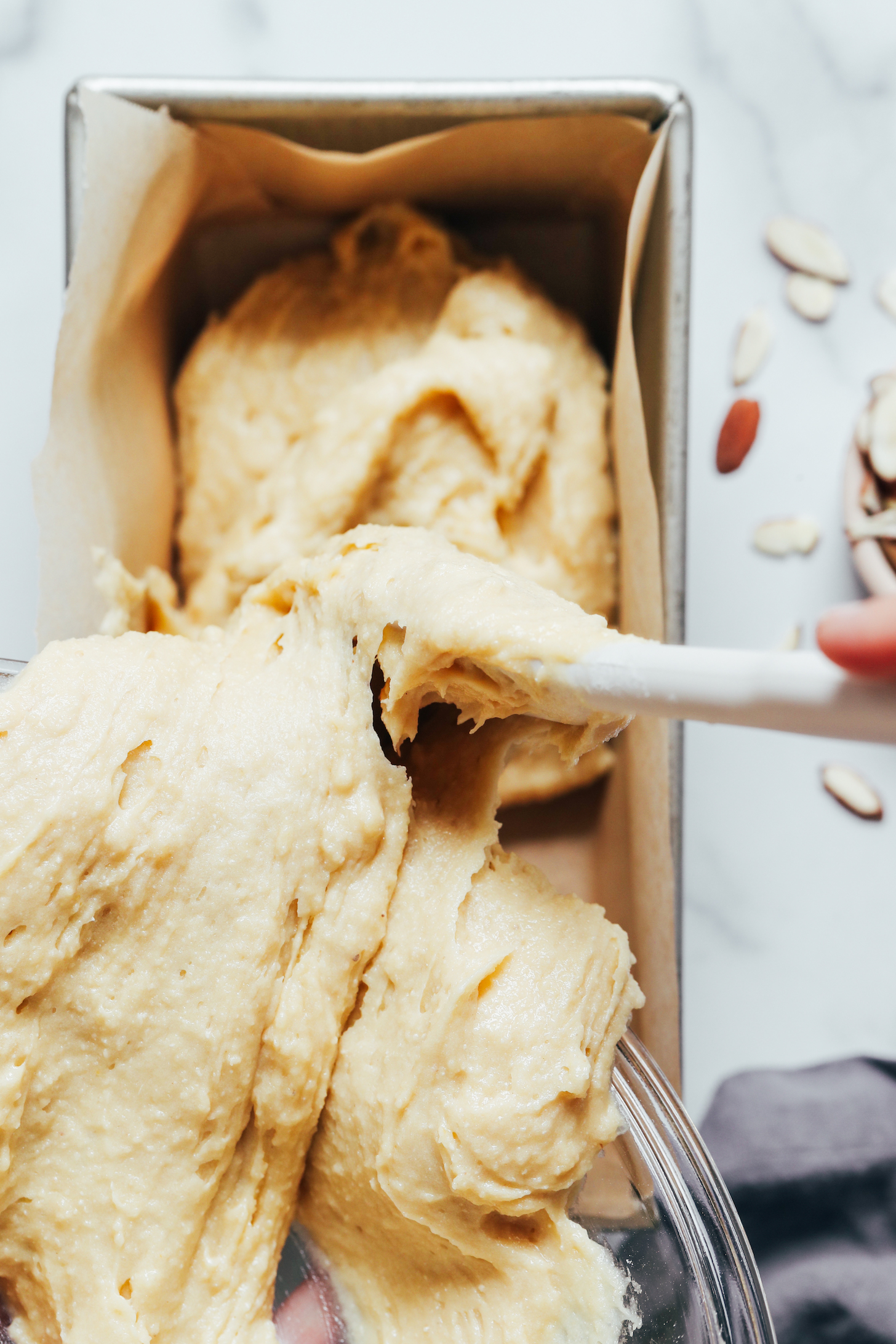
The Honey Almond Snack Cake serves as a case study for how traditional, high-effort recipes are being re-engineered for the modern kitchen. By utilizing a single-vessel preparation method, bakers can bypass the conventional requirements of multiple mixing bowls and electric stand mixers. This shift toward "one-bowl" baking is not merely a convenience preference but a response to the time-constrained schedules of contemporary households. The recipe, which utilizes a blend of almond flour and a specialized gluten-free flour base, provides a structural integrity that often rivals wheat-based counterparts, addressing the historical criticism that gluten-free desserts often suffer from a dry or crumbly texture.
A Chronology of the Recipe’s Development
The development of this particular loaf cake follows a clear trajectory of culinary adaptation. Initial versions of honey-based cakes—often found in Mediterranean and Middle Eastern cuisines—relied heavily on wheat flour and butter to achieve the desired moist crumb. The transition to the current version involved three distinct phases of testing and refinement:
- The Formulation Phase: Initial iterations focused on achieving the correct binding agent. Because gluten provides the necessary elasticity in traditional baking, the removal of wheat necessitates the use of ingredients that can hold moisture and structure simultaneously. The incorporation of dairy-free yogurt and eggs (or specific plant-based substitutes like applesauce or aquafaba) was identified as the critical factor for maintaining the "sponge" texture.
- The Simplification Phase: Following the discovery of the ideal ingredient ratios, the next step involved streamlining the process. By removing the need for a mixer, the recipe was adjusted to rely on the manual incorporation of wet and dry ingredients. This phase solidified the 10-ingredient constraint, ensuring that the recipe remained accessible to novice bakers.
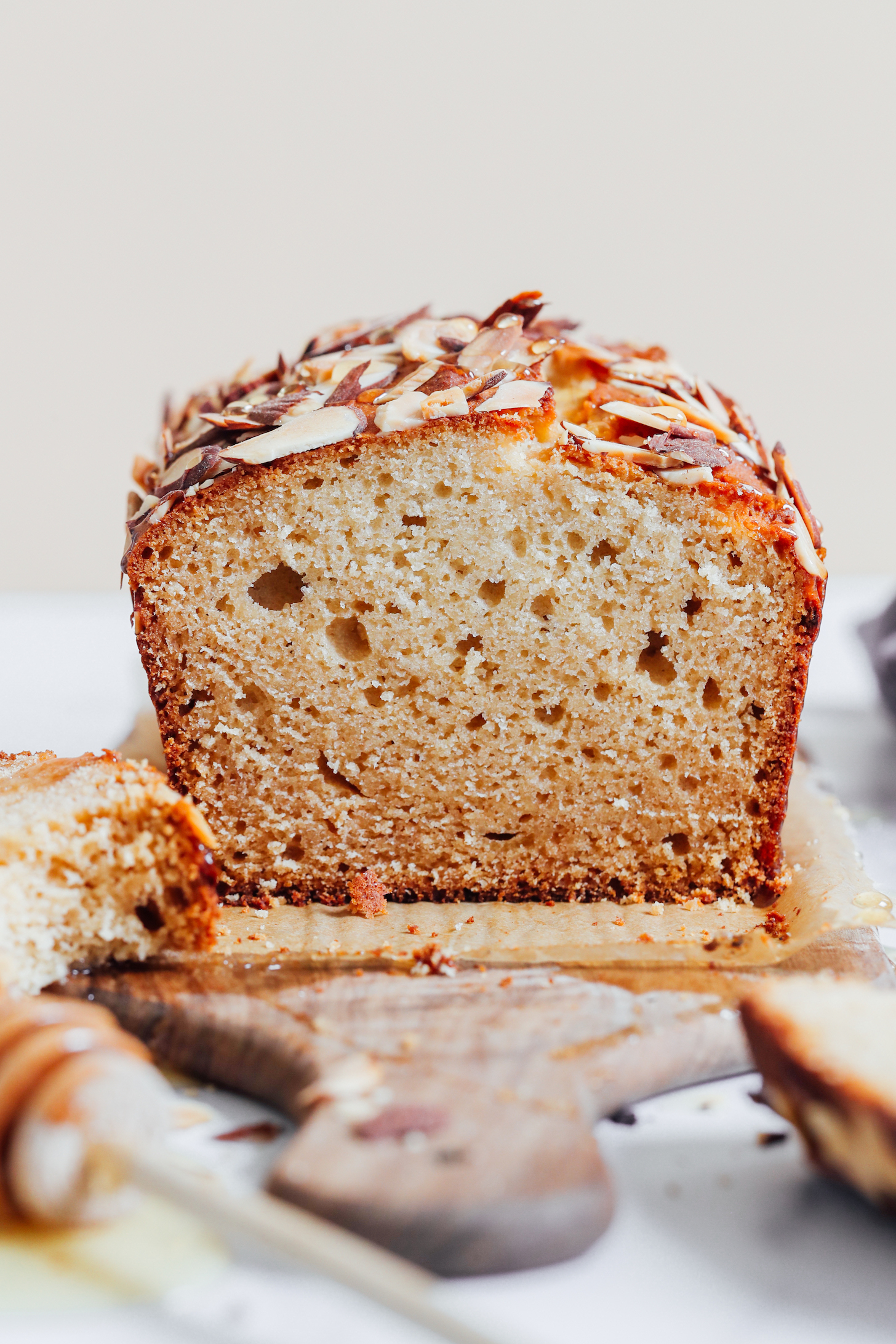
- The Optimization Phase: The final stage involved determining the optimal bake time and pan dimensions. The decision to recommend a standard loaf pan, while noting the versatility of an 8-inch round cake pan, allows the baker to control the density of the final product. The addition of sliced almonds on the surface serves both an aesthetic purpose and provides a textural contrast to the soft interior.
Analytical Breakdown of Ingredients and Nutritional Impact
The nutritional profile of the 1-Bowl Honey Almond Snack Cake distinguishes it from traditional, sugar-laden desserts. With approximately 245 calories per serving and 33.7 grams of carbohydrates, the cake utilizes honey as a primary sweetener, which contains trace minerals and a lower glycemic index compared to refined white sugar.
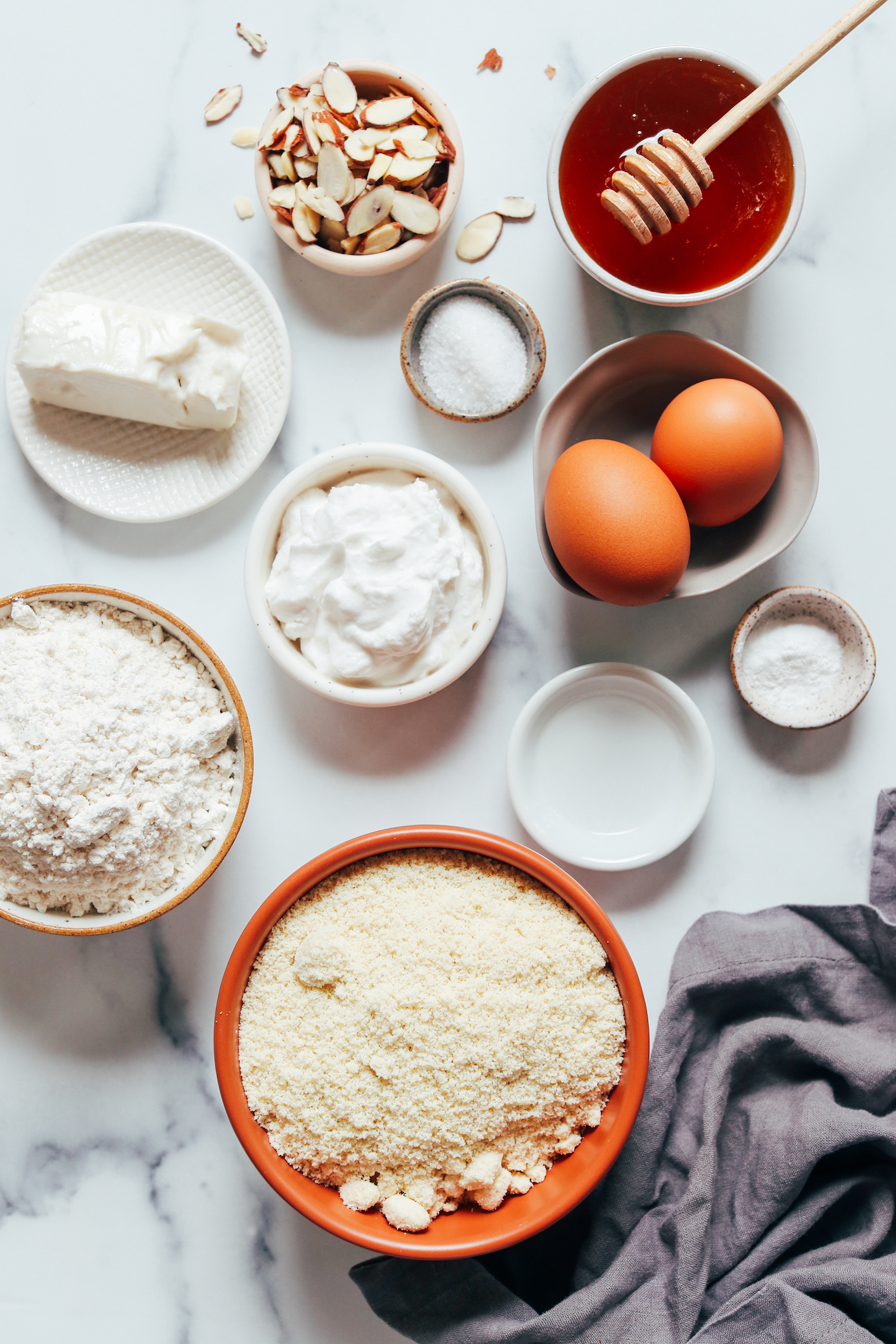
From a chemical perspective, the use of almond flour is central to the recipe’s success. Almond flour is rich in monounsaturated fats and protein, which contribute to the richness of the crumb. When combined with a gluten-free flour blend, the result is a cake that manages to avoid the "grainy" texture often associated with rice or corn-based gluten-free flours. The addition of almond extract further enhances the flavor profile, bridging the gap between the floral notes of the honey and the earthiness of the nut-based base.
The structural stability of the cake is supported by the interaction between the acidity of the yogurt and the leavening agents. In baking science, this reaction is crucial; it ensures the cake rises sufficiently despite the lack of gluten proteins to trap air bubbles. The result is a light, airy sponge that retains its moisture over several days, making it a sustainable option for meal planning or hosting.
The Broader Implications for Home Baking
The popularity of this recipe highlights a broader shift in consumer behavior: the desire for "at-home" experiences that mimic the quality of professional patisseries. As social media platforms and food blogs continue to drive culinary trends, the democratization of professional-grade recipes has become a significant driver of home-cooking participation.
The "1-bowl" label is more than a marketing term; it represents a cultural pivot toward efficiency. Modern bakers are increasingly resistant to recipes that demand an hour of cleanup. By minimizing the "barrier to entry"—the physical effort required to bake—this recipe encourages more frequent participation in the kitchen.
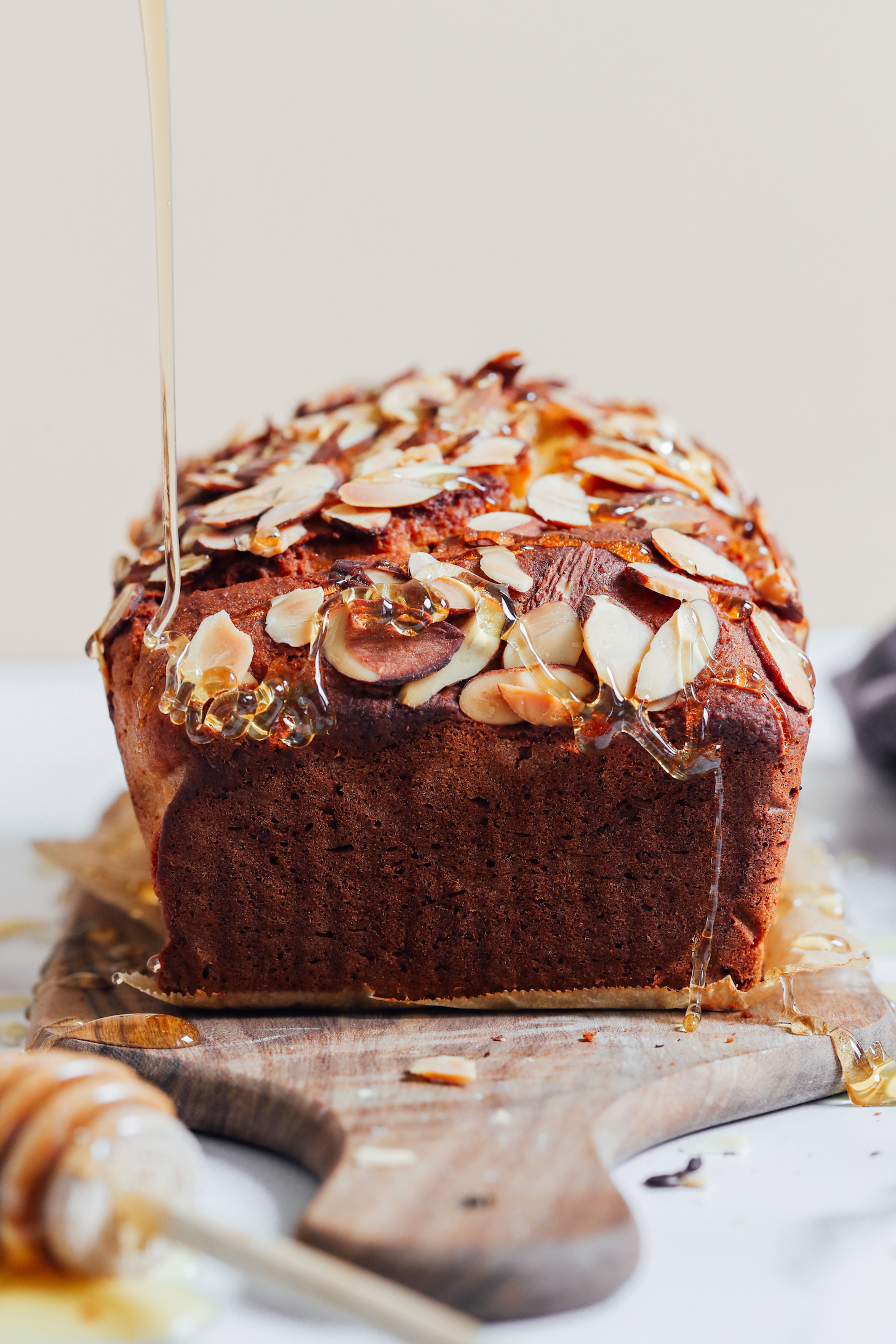
Furthermore, the versatility of the cake—pairing it with various beverages like pour-over coffee, masala chai, or herbal lattes—underscores its role as a "snack cake." Unlike dense, decadent desserts intended for single-event service, the snack cake is designed for casual, daily consumption. This versatility makes it an attractive option for brunch hosts and those looking for a reliable, "safe" recipe for gatherings where guests may have varied dietary requirements.
Technical Recommendations for Success
To achieve the desired results, culinary experts often emphasize the importance of precision in measuring gluten-free flours. Because different flour blends vary in their protein content and starch composition, the use of a 1:1 gluten-free baking blend is advised to ensure consistent structural performance.
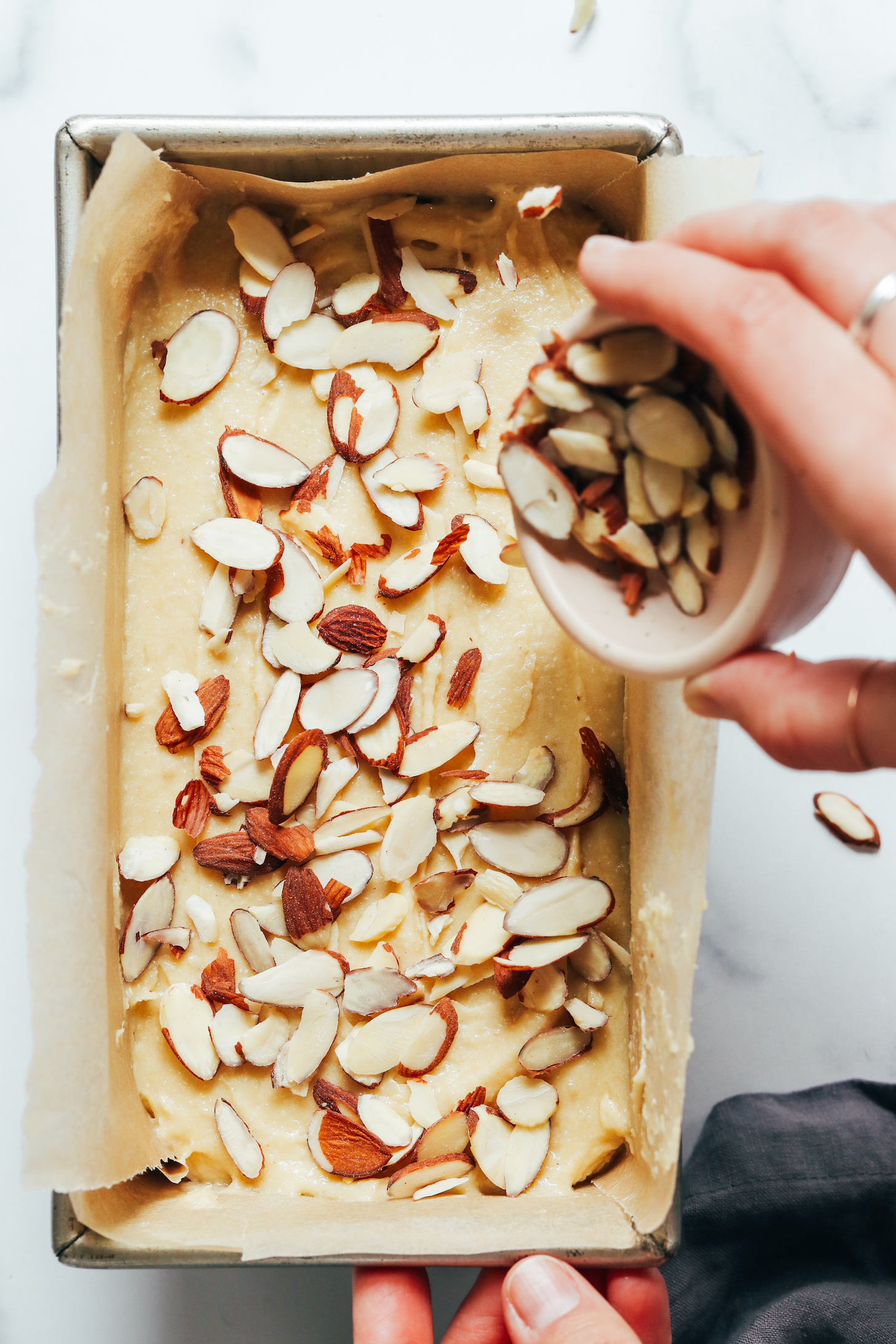
The recommendation to use parchment paper is a practical, non-negotiable step in the process. Without the liner, the honey-based batter—which remains inherently tacky due to the sugar content—would adhere to the loaf pan, compromising the presentation. The inclusion of sliced almonds prior to baking serves a dual function; it adds a toasted, nutty flavor profile while protecting the surface of the cake from drying out during the 45-minute baking period.
For those attempting to substitute the eggs, the recipe provides a path for further dietary inclusivity. The use of applesauce or aquafaba (the viscous liquid found in canned chickpeas) has proven effective in similar gluten-free applications. These alternatives provide the necessary moisture and binding power, proving that the recipe is as adaptable as it is simple.
Conclusion and Future Outlook
The 1-Bowl Honey Almond Snack Cake stands as a testament to the fact that dietary restrictions do not have to result in a loss of culinary satisfaction. By focusing on high-quality, whole-food ingredients and efficient, modern techniques, it provides a blueprint for the future of home baking. As research into gluten-free grain alternatives continues to advance, it is likely that the quality and accessibility of such recipes will only improve.
For the home baker, the value of this recipe lies in its reliability. In an era where complex techniques and specialty equipment often dominate the culinary conversation, the return to simplicity—a single bowl, a handful of ingredients, and a standard oven—remains a powerful and enduring trend. Whether served as a midday snack or an accompaniment to an afternoon tea, the Honey Almond Snack Cake represents the intersection of convenience, nutrition, and classic, comforting flavor.
