
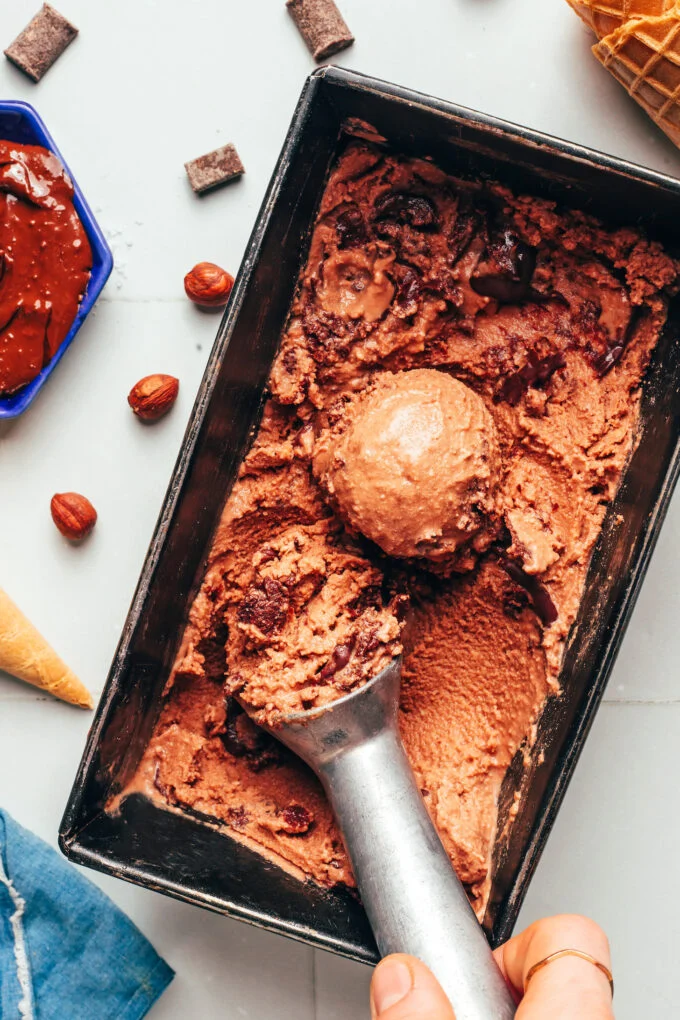
The emergence of artisanal, plant-based frozen desserts has reached a new milestone with the introduction of a six-ingredient vegan chocolate-hazelnut ice cream. This development underscores a broader industry shift toward high-quality, dairy-free alternatives that mimic the sensory profile of traditional gelato and ice cream. By leveraging the natural emulsifying properties of coconut milk and the distinct flavor profile of roasted hazelnuts, this formulation provides a scalable model for home-kitchen manufacturing of allergen-friendly, luxury-tier desserts.
The Science of Plant-Based Creaminess
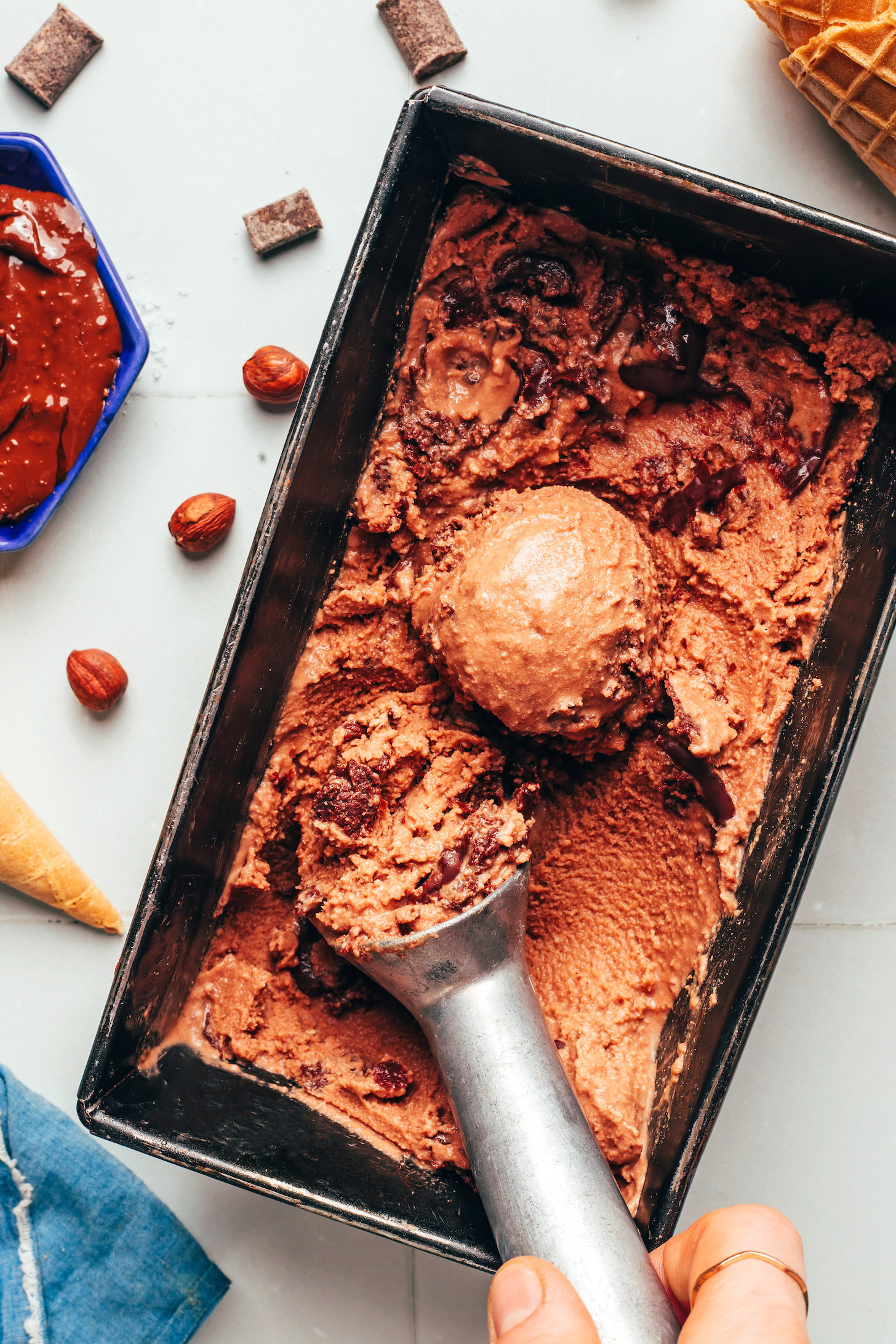
The challenge in creating high-quality vegan ice cream historically centered on the "mouthfeel"—the interplay between fat content, sugar, and ice crystal formation. Standard dairy ice cream relies on milk proteins and butterfat to create a smooth, dense texture. In this specific recipe, the substitution utilizes light coconut milk, which contains a higher percentage of medium-chain triglycerides (MCTs).
Food scientists have noted that when combined with a natural stabilizer, such as the guar gum commonly found in commercial canned coconut milk, the resulting emulsion prevents the formation of large, jagged ice crystals during the freezing process. The inclusion of roasted hazelnuts serves a dual purpose: they provide the essential lipids required for a velvety texture and offer a deep, roasted flavor profile that balances the sweetness of the cane sugar.
Chronology of Preparation
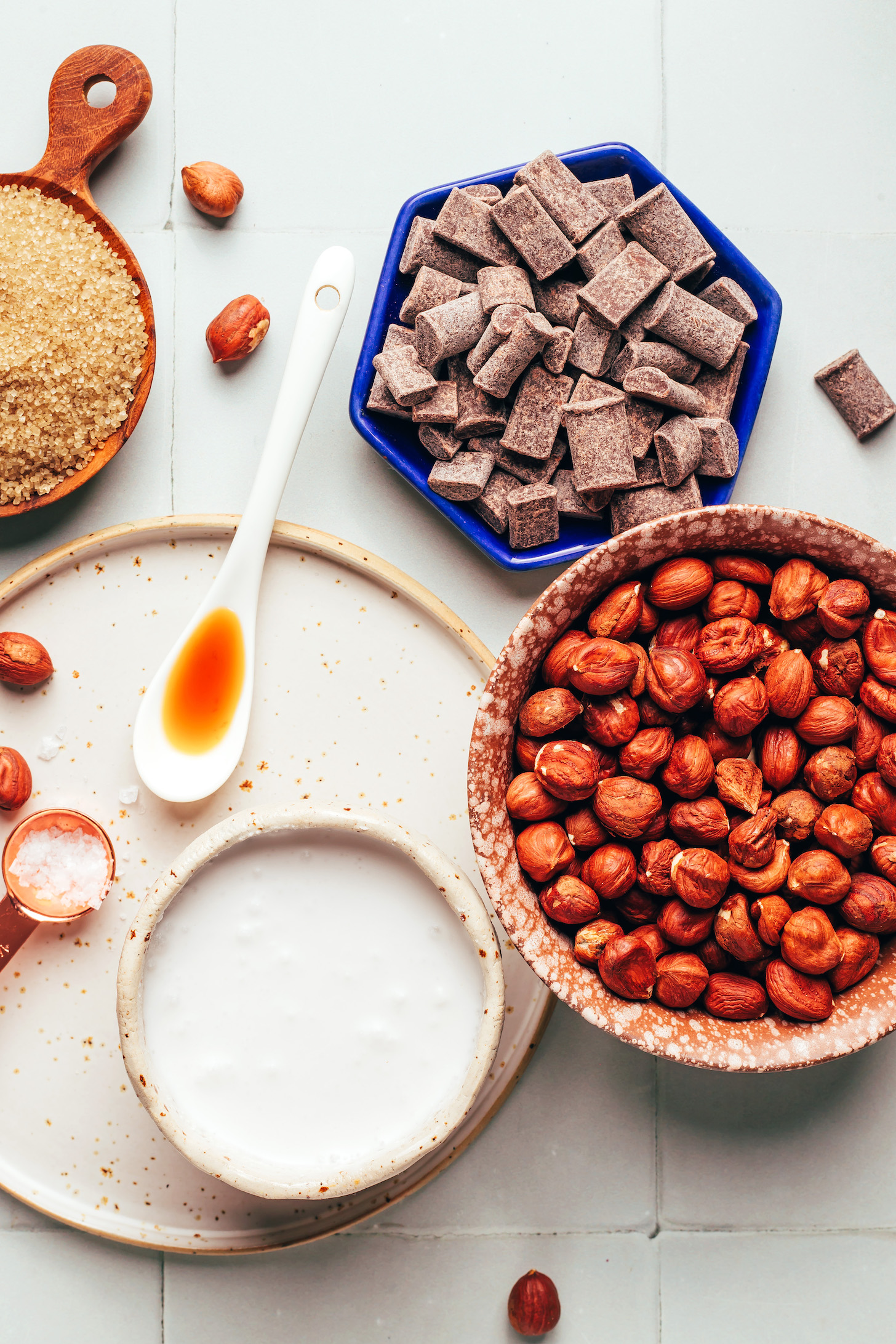
The production process for this confection follows a methodical culinary sequence designed to optimize flavor extraction. The timeline, totaling approximately three hours, is broken down as follows:
- Roasting and Preparation (Minutes 0–20): Raw hazelnuts are subjected to dry heat. This process serves to volatilize the oils within the nut, enhancing the aromatic intensity while facilitating the removal of the bitter, papery skins.
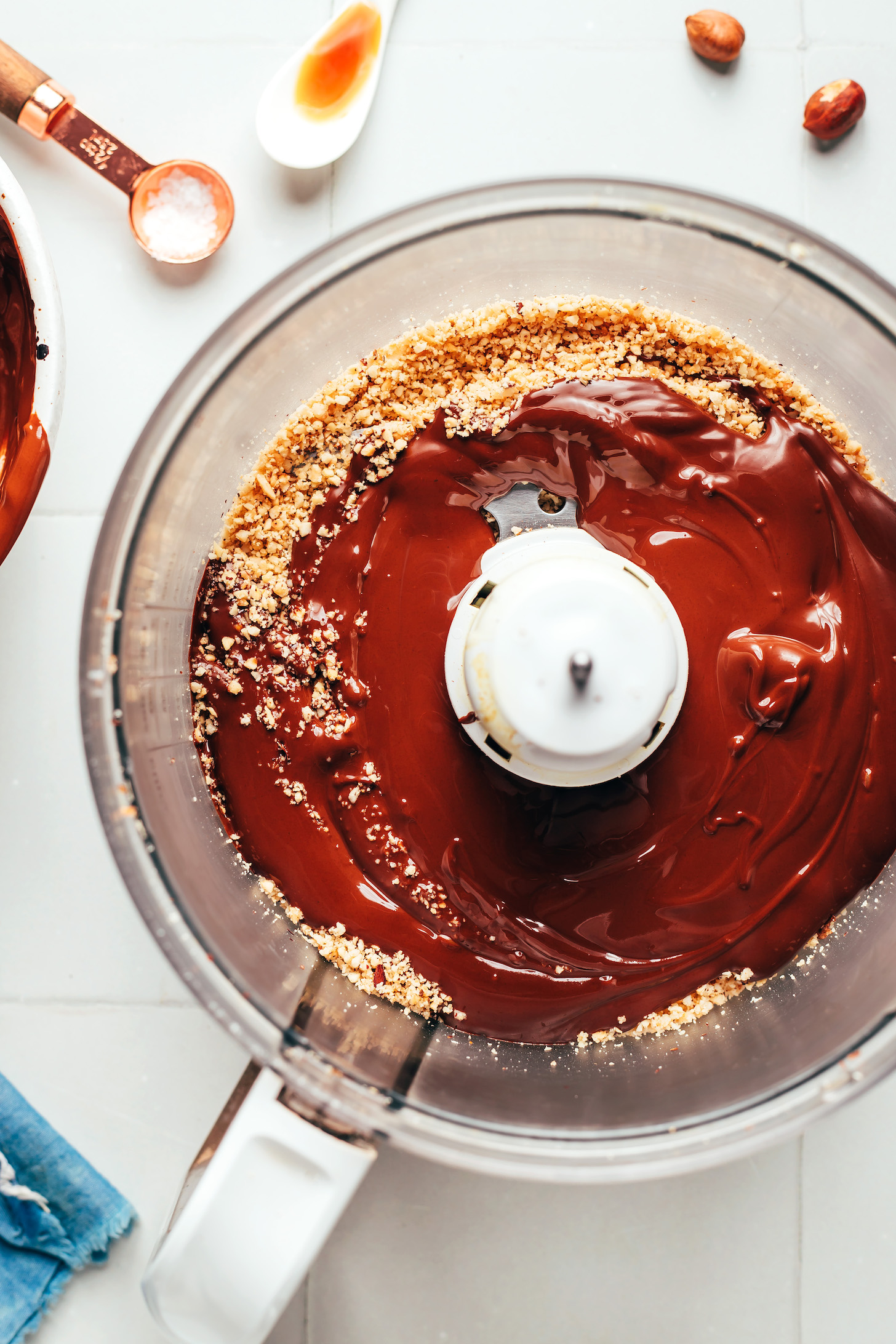
- Emulsification (Minutes 20–40): The roasted nuts are processed with melted chocolate, creating a dense hazelnut butter base. This step is critical; if the nuts are not processed until smooth, the resulting ice cream will lack the uniform, professional-grade mouthfeel expected of gelato.
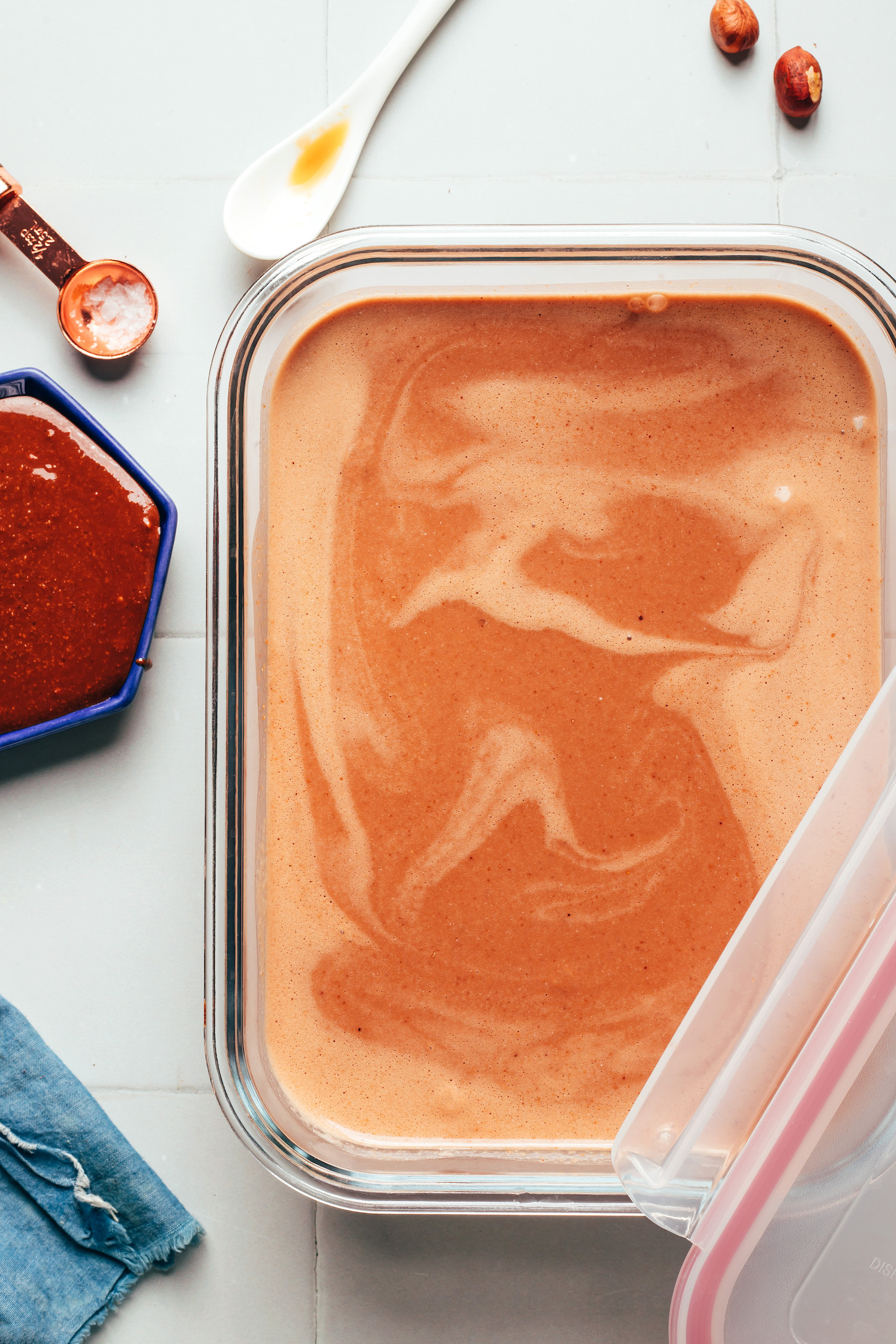
- Blending and Tempering (Minutes 40–60): The hazelnut-chocolate base is integrated with light coconut milk, sugar, vanilla, and salt. The mixture is then subjected to a cooling phase.
- Chilling (Minutes 60–180): A mandatory refrigeration period of at least one hour is required. This step lowers the viscosity of the mix before it enters the churning mechanism, ensuring that the ice cream maker can incorporate air effectively, resulting in the desired "fluffiness."
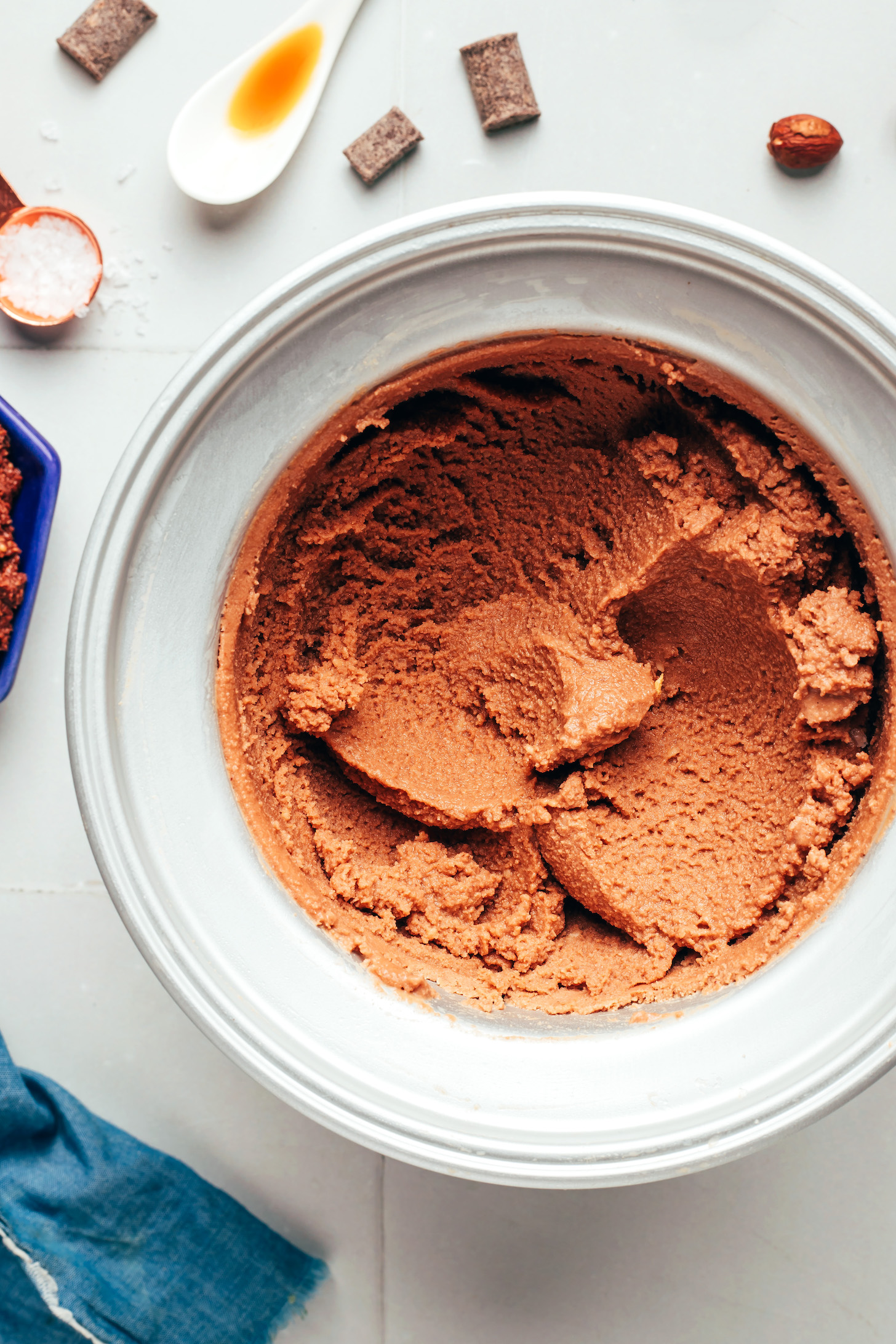
- Churning (Minutes 180–210): The final stage involves rapid cooling and mechanical agitation, during which a portion of the hazelnut spread is swirled in to create a variegated texture.
Nutritional Profile and Market Implications
From a nutritional standpoint, this formulation represents a departure from traditional sugar-heavy desserts. A single half-cup serving contains approximately 277 calories, 21.2 grams of fat, and 17 grams of sugar. While these figures indicate a caloric density comparable to premium dairy ice cream, the absence of cholesterol—due to the plant-based origin of all ingredients—makes it a viable option for individuals managing heart health or dietary restrictions related to dairy consumption.
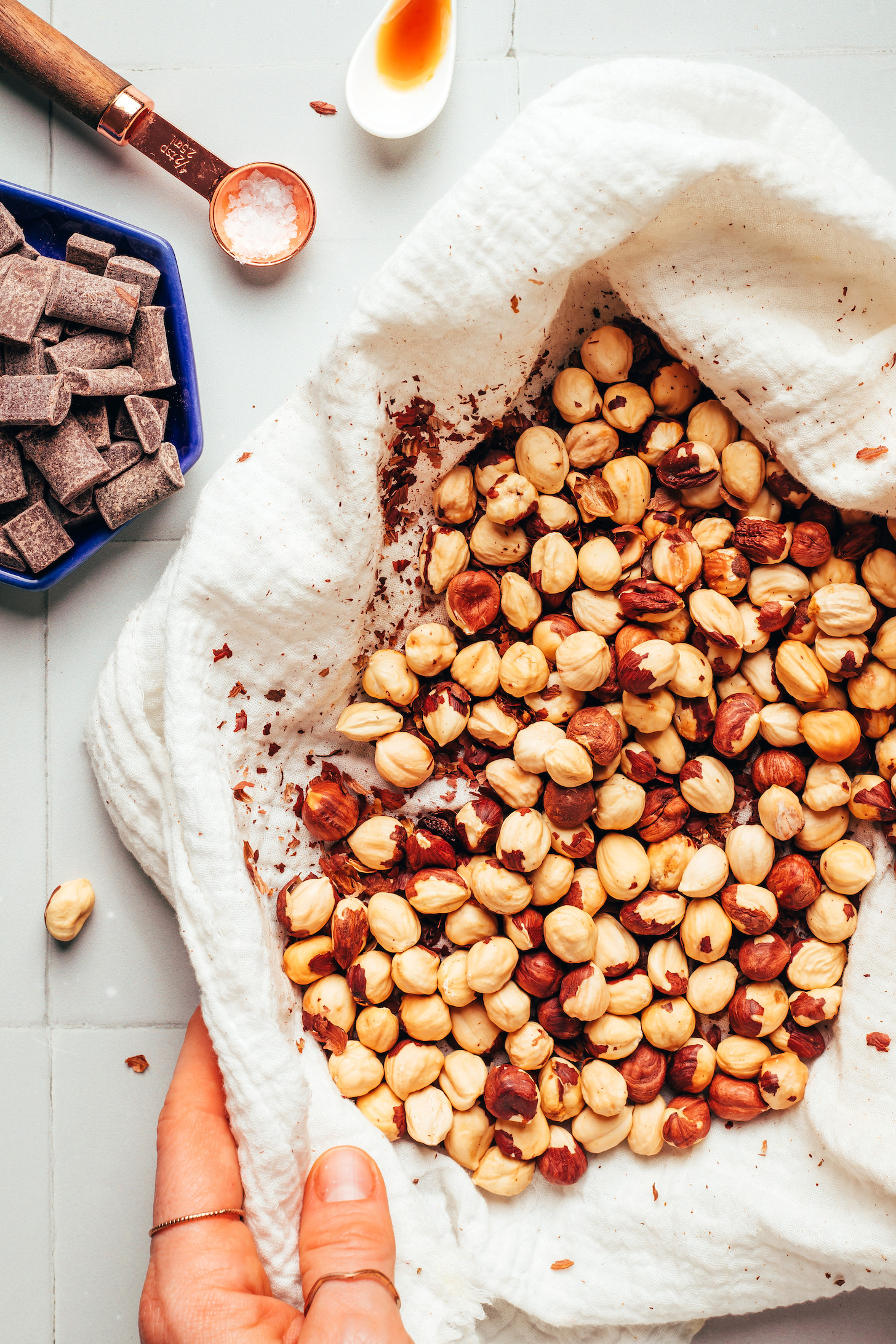
The rise of such recipes reflects a significant market trend. According to reports from the Plant Based Foods Association, the market for dairy-free frozen desserts has experienced a compound annual growth rate (CAGR) of over 10% in the last five years. Consumers are increasingly seeking "clean label" products—items with fewer than ten ingredients that can be replicated in a home environment. The six-ingredient threshold achieved by this recipe serves as a benchmark for home cooks who prioritize transparency and simplicity in their food preparation.
Expert Perspectives on Home-Crafted Dairy Alternatives
Culinary experts emphasize that the success of vegan ice cream is often dictated by the quality of the base ingredients. "The move toward ‘less is more’ in ingredient lists is not just a trend; it is a fundamental shift in how we approach dessert," notes a spokesperson for independent culinary research groups. "By removing the need for complex stabilizers or artificial flavorings, we allow the raw components—the hazelnut and the cacao—to define the experience."
The use of coconut milk as a base is widely accepted within the industry, though experts caution that for the best results, home cooks should source products that explicitly contain natural emulsifiers. The presence of guar gum or similar agents is the primary factor in achieving the "gelato-style" pull that is often missing in homemade non-dairy batches.
Broader Impact and Sustainability
Beyond the sensory experience, the shift toward nut-based desserts carries environmental implications. The water footprint of hazelnut cultivation is significantly lower than that of dairy cattle farming. Furthermore, by utilizing coconut milk, the recipe taps into a byproduct industry that is generally more sustainable than traditional bovine-derived dairy production.
The accessibility of this recipe, which requires only a standard home ice cream maker, democratizes the production of high-end desserts. It effectively lowers the barrier to entry for consumers who are lactose-intolerant or strictly vegan, providing them with a product that does not compromise on the traditional textures associated with high-fat, dairy-based treats.
Future Outlook for Vegan Confectionery
As the culinary landscape continues to evolve, the focus is likely to shift toward even more specialized ingredients, such as cashew creams or oat-based emulsions, to further refine the texture of vegan frozen desserts. However, the chocolate-hazelnut combination remains a perennial favorite, rooted in global culinary traditions such as the Italian gianduja.
The success of this specific iteration—demonstrated by its minimal ingredient list and straightforward procedural steps—suggests that the future of home baking and dessert preparation lies in the intersection of traditional flavor profiles and modern, plant-based nutritional science. By providing a clear, reproducible framework, such recipes empower consumers to take control of their dietary choices without sacrificing the indulgence typically associated with artisanal ice cream.
Final Considerations for Implementation
For those interested in replicating this process, attention to the "swirl" technique is paramount. The visual and textural contrast between the base ice cream and the reserved hazelnut-chocolate mixture is what elevates the product from a standard frozen treat to a gourmet-style dessert. When executed with precision, the result is a product that meets the high expectations of the modern, health-conscious, yet dessert-loving demographic.
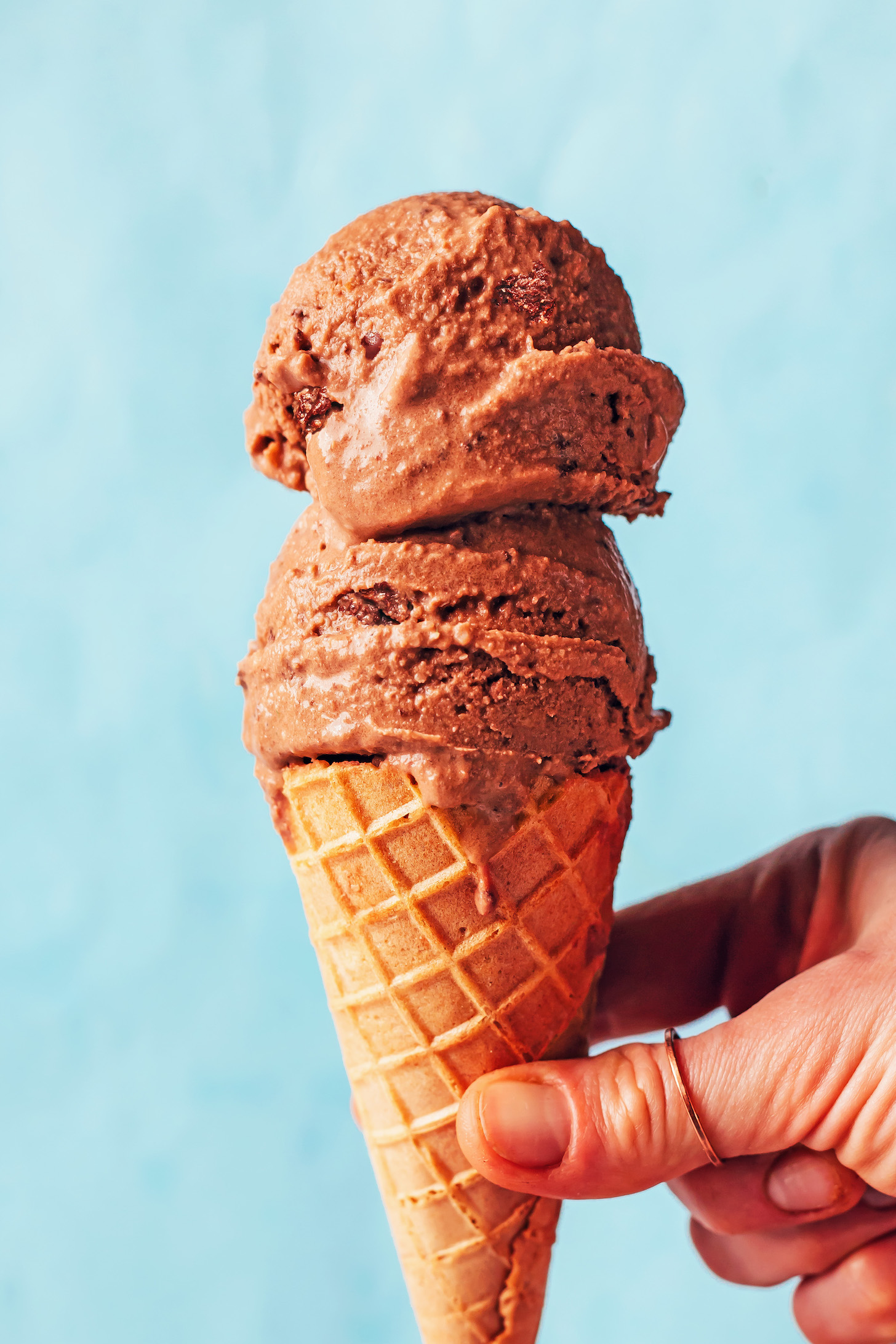
As food trends continue to favor high-quality, plant-based ingredients, the adoption of such recipes is expected to grow. Whether served in a cone or as a plated dessert, this vegan Nutella-style ice cream proves that simplified, high-impact ingredient lists are the cornerstone of the next generation of culinary excellence. The continued refinement of these processes will likely lead to further advancements in home-based dessert technology, marking a significant evolution in how we consume and perceive plant-based luxury foods.
