
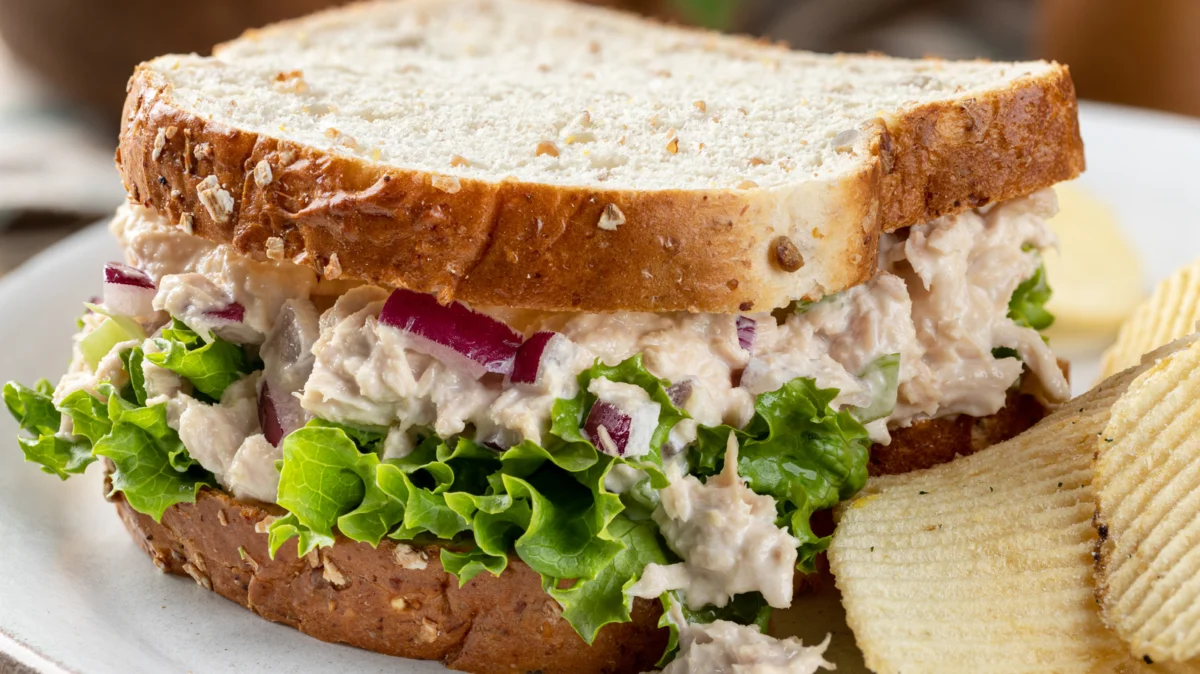
The tuna salad sandwich has long occupied a central position in the landscape of American comfort food. Prized for its high protein content, ease of preparation, and versatility, it serves as a staple for lunch menus in households and professional kitchens alike. Despite its ubiquity, the classic formulation—typically consisting of canned tuna, mayonnaise, and seasonings—is often criticized for a lack of textural variety and a propensity toward being overly rich. Culinary professionals have identified a strategic upgrade to mitigate these issues: the incorporation of fresh, sliced cherry tomatoes.
The Nutritional and Sensory Profile of the Tuna Sandwich
The appeal of the tuna salad sandwich is rooted in both convenience and nutritional profile. Canned tuna, primarily sourced from skipjack or albacore species, provides an accessible source of omega-3 fatty acids, selenium, and high-quality protein. According to the United States Department of Agriculture (USDA), a standard serving of canned tuna is low in carbohydrates and saturated fats, making it a foundation for a balanced meal.
However, the traditional preparation, which relies heavily on mayonnaise as a binding agent, introduces a high caloric density. The resulting flavor profile is often one-dimensional, characterized by a heavy mouthfeel. Historically, home cooks and professional chefs have utilized acidic components to balance this richness. Ingredients such as lemon juice, Dijon mustard, capers, apple cider vinegar, and pickle relish are standard additions designed to cut through the lipid-heavy profile of the mayonnaise.
Introducing the Cherry Tomato Variable
The shift toward using cherry tomatoes represents a departure from traditional liquid acids. Unlike vinegar or citrus, which provide a sharp, immediate tang, cherry tomatoes introduce a multifaceted sensory experience. They provide a structural component that contrasts with the flakiness of the tuna, while their internal moisture and natural sugars offer a nuanced acidity.
From a food science perspective, tomatoes contain glutamate, a compound responsible for the savory taste known as umami. When integrated with the naturally occurring nucleotides found in fish, the addition of tomatoes can theoretically enhance the overall savory perception of the sandwich through flavor synergy. To ensure the integrity of the sandwich structure, experts recommend quartering or halving the cherry tomatoes. This preparation method prevents the ingredients from slipping out of the bread during consumption and ensures a balanced distribution of flavor in every bite.
Chronology of Culinary Evolution
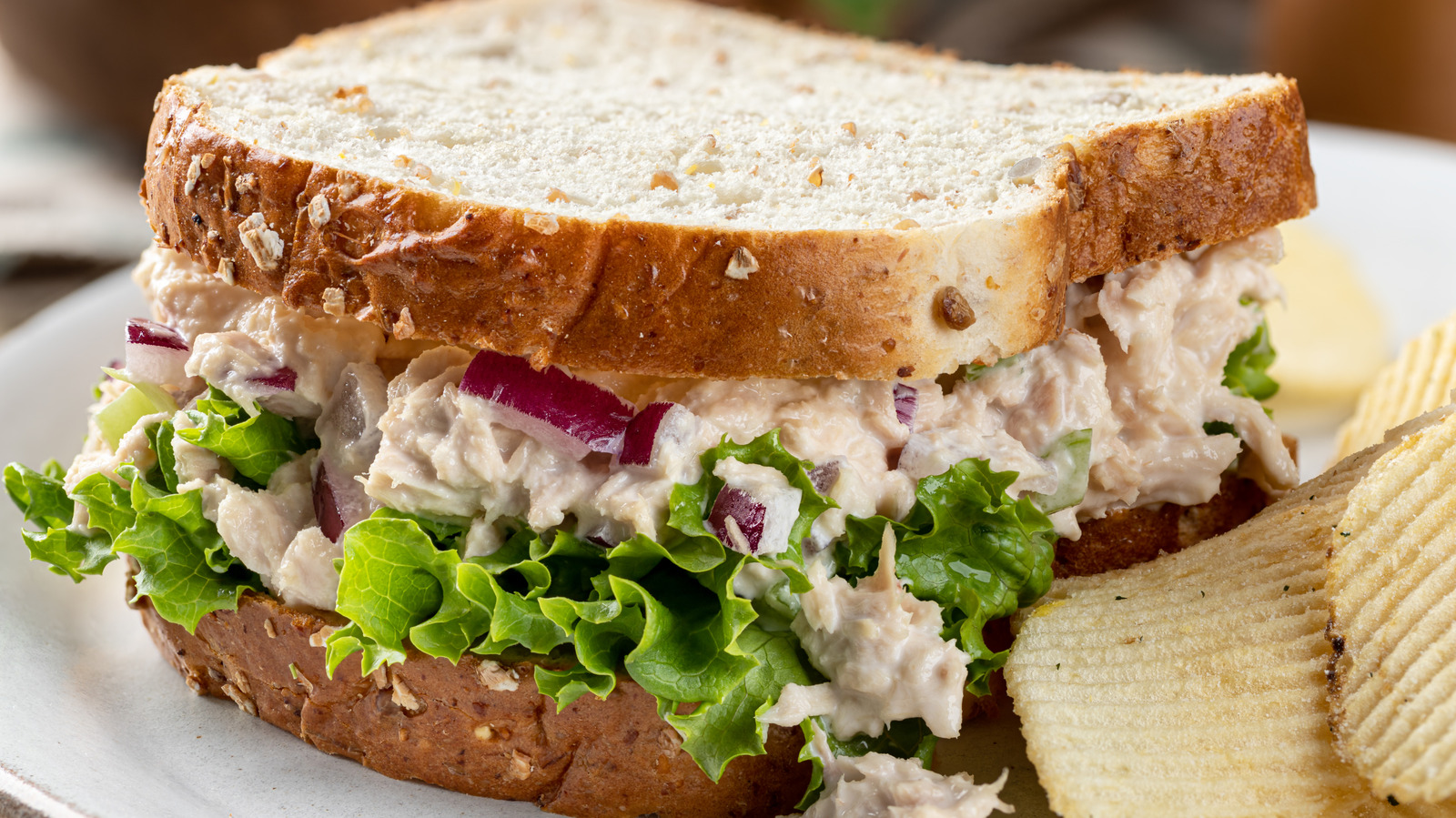
The evolution of the tuna salad sandwich has been steady throughout the 20th and 21st centuries. In the mid-1900s, the sandwich was a common feature of the "luncheonette" culture in the United States, usually served on white bread with iceberg lettuce. By the late 1990s and early 2000s, the focus shifted toward "gourmet" interpretations, with the inclusion of artisanal breads, microgreens, and high-quality olive oil-packed tuna.
The current trend of adding fresh vegetables like tomatoes reflects a broader shift toward "fresh-forward" cooking. This movement emphasizes the reduction of heavy processed additives in favor of raw produce. The inclusion of cherry tomatoes is not merely a decorative choice but a functional one, aimed at elevating the sandwich to a more contemporary, balanced standard.
Supporting Data: The Role of Acidity in Emulsions
To understand the efficacy of the tomato upgrade, one must examine the chemistry of the tuna salad emulsion. Mayonnaise is a stable emulsion of oil, water, and egg yolk. When tuna is folded into this mixture, the fat content dominates the palate. Acidity acts as a counter-balance by triggering the salivary glands and cleansing the palate between bites, which prevents sensory fatigue.
Data from culinary sensory panels suggest that while standard acids like vinegar provide a "sharp" finish, the organic acids in tomatoes—specifically citric and malic acid—provide a "bright" finish. This distinction is significant for those who find the sharp bite of vinegar too abrasive. Furthermore, the water content in cherry tomatoes, ranging between 90% and 95%, adds a necessary hydration factor that keeps the tuna salad from feeling dry, particularly when using water-packed rather than oil-packed tuna.
Advanced Preparation: The Impact of Roasting
For those seeking a more complex flavor profile, culinary professionals suggest a roasting technique for the tomatoes. When cherry tomatoes are subjected to high heat, the Maillard reaction occurs alongside the evaporation of water. This process results in the caramelization of natural sugars, which shifts the flavor profile from bright and tart to deep, sweet, and umami-rich.
Roasting also alters the physical properties of the vegetable. By breaking down the pectin in the cell walls, the tomatoes become softer and more concentrated in flavor. This is particularly advantageous for sandwich construction, as roasted tomatoes are less prone to "weeping" moisture onto the bread, which can lead to sogginess. Incorporating roasted tomatoes allows the sandwich to bridge the gap between a standard lunch item and a more sophisticated, warm-inflected meal.
Broader Implications for the Food Industry
The implications of this simple ingredient swap are reflective of a larger trend in domestic culinary practices. As consumers become more health-conscious, the pressure to reformulate classic recipes without sacrificing taste has increased. The use of tomatoes as a functional ingredient in tuna salad highlights a growing preference for "hidden health"—the practice of integrating nutrient-dense produce into familiar, high-calorie dishes.
Industry analysts note that restaurants and cafes are increasingly adopting these techniques to differentiate their menus. By elevating a standard menu item like a tuna melt or a classic tuna salad sandwich with fresh, high-quality produce, establishments can justify higher price points and cater to a demographic that values fresh ingredients.
Expert Perspectives on Ingredient Selection
While any variety of tomato can theoretically be used, cherry tomatoes are favored for their consistent sugar-to-acid ratio. Larger tomatoes, such as beefsteak or Roma, contain more gel-like locular tissue, which can introduce too much excess liquid into the tuna mixture, potentially compromising the structural integrity of the sandwich.
Culinary experts emphasize the importance of sourcing. Locally grown, vine-ripened cherry tomatoes possess a higher concentration of aromatic compounds compared to those harvested early for shipping. This difference in quality is perceptible in the final product, as the natural sweetness of a vine-ripened tomato significantly reduces the need for added salt or sugar in the tuna salad base.
Summary of Strategic Application
To implement this upgrade effectively, the following workflow is recommended for both home and professional settings:
- Selection: Choose firm, ripe cherry tomatoes to maintain texture.
- Processing: Slice or quarter the tomatoes based on the desired bite-size consistency.
- Integration: Fold the tomatoes into the tuna mixture just before serving to maintain their freshness.
- Alternative Method: Roast the tomatoes at 400 degrees Fahrenheit until softened for a deeper, umami-forward profile.
- Assembly: Apply the mixture to crusty bread or toasted sourdough to maximize the contrast between the creamy tuna and the fresh produce.
The transition to incorporating sliced or roasted tomatoes into tuna salad sandwiches marks a logical progression in the refinement of a classic dish. By addressing the fundamental need for balance, moisture, and textural complexity, this simple addition provides a viable solution for those seeking to enhance their nutritional intake while maintaining the traditional comfort of the tuna sandwich. As culinary habits continue to evolve, the focus on such functional, ingredient-led upgrades will likely remain a hallmark of modern kitchen practices.
