
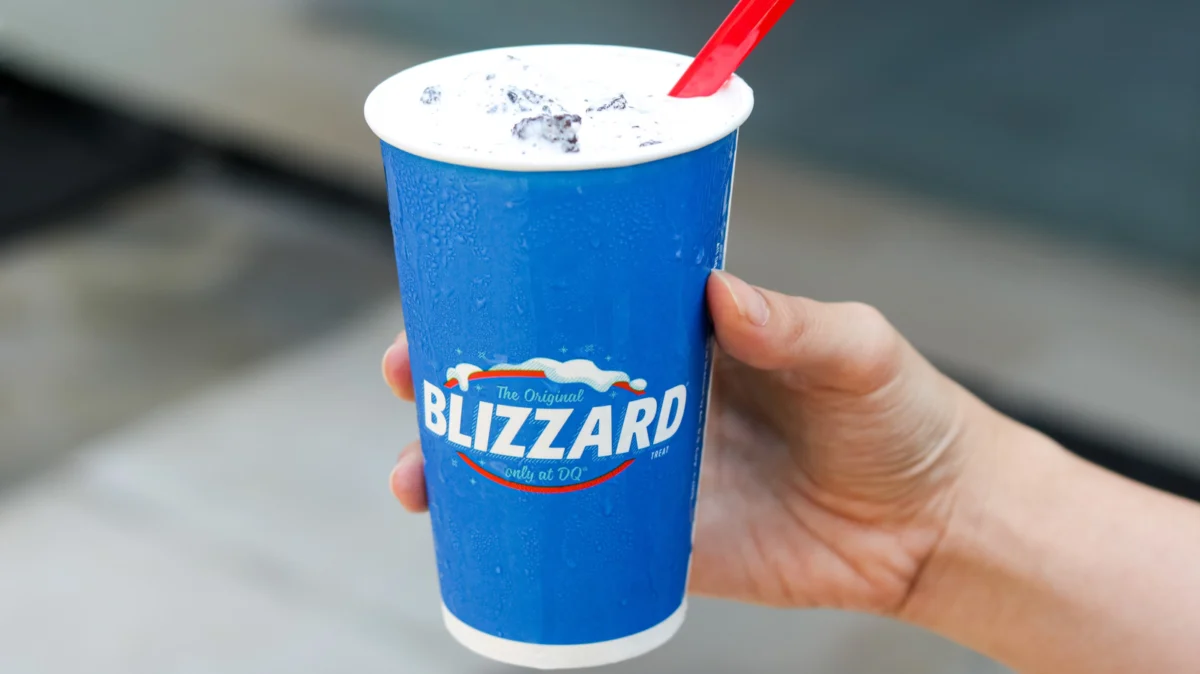
The Dairy Queen Blizzard has served as a cornerstone of the American quick-service dessert industry since its debut in 1985. Developed as a response to the growing demand for customizable frozen treats, the Blizzard—a combination of soft-serve ice cream and various mix-ins blended at high speeds—quickly became the chain’s signature product. By leveraging a unique "upside-down" marketing strategy, Dairy Queen successfully differentiated its product from traditional hand-dipped ice cream, emphasizing the thickness and stability of its proprietary soft-serve base. Today, with thousands of locations globally, the Blizzard remains a fixture of the brand’s identity. While the standard menu provides a wide array of pre-configured options, a sophisticated understanding of the ordering process allows customers to customize their experience, ensuring a more tailored, premium dessert experience.
The Evolution of the Blizzard: A Brief History
Dairy Queen, founded in 1940 by John Fremont McCullough and his son Alex, revolutionized the dairy industry with the invention of soft-serve. However, the Blizzard did not enter the landscape until 45 years later. In its inaugural year, the company sold more than 175 million Blizzards, proving that the concept of "blending" solid ingredients into a semi-frozen state resonated with consumers.
The mechanics of the Blizzard depend on the precise temperature and viscosity of the soft serve. If the mixture is too warm, the aeration collapses; if too cold, the blending process becomes impossible. Consequently, the customization tips outlined below are predicated on maintaining this delicate equilibrium, ensuring that the structural integrity of the treat is not compromised by excessive heat or dilution.
Optimizing the Mix-In Experience
One of the most accessible ways to enhance a Blizzard is through the strategic selection of extra mix-ins. Standard protocols for most Dairy Queen locations allow for the inclusion of a single primary topping. However, internal point-of-sale systems typically permit the addition of secondary mix-ins for a nominal fee, generally under one dollar.
From a culinary perspective, this allows for the creation of "texture-forward" desserts. For example, combining a cookie-based mix-in, such as Oreo, with a chewy component like brownie bites creates a contrast in mouthfeel that elevates the standard offering. Furthermore, doubling down on a single ingredient—such as increasing the volume of Reese’s Peanut Butter Cups—shifts the flavor profile toward a more intense, singular experience. Data from consumer behavior studies suggests that customers who engage in "custom-layering" report higher satisfaction levels than those who stick strictly to the menu, as the customization process fosters a sense of personal ownership over the final product.
Managing Sauce and Syrup Integration
The inclusion of liquid flavorings, such as hot fudge, caramel, strawberry, or peanut butter, introduces a significant variable into the Blizzard’s viscosity. Experienced staff members and long-term employees have frequently noted that integrating syrups directly into the soft serve during the mixing cycle can lead to a premature breakdown of the ice cream’s structure, resulting in a thinner, more liquid consistency.
To mitigate this, customers are advised to request that sauces be drizzled exclusively on the top of the finished product, or alternatively, served in a side container. This approach preserves the dense, frozen nature of the soft serve while allowing the consumer to control the distribution of the sauce. This methodology mirrors the construction of traditional sundaes, providing a professional-grade presentation that avoids the common pitfalls of over-blending.
Adjusting the Soft-Serve Base
While vanilla remains the industry standard for soft-serve bases, Dairy Queen’s operational versatility allows for the substitution of chocolate soft serve in most Blizzard preparations. This is a technical change that significantly alters the flavor profile, particularly when paired with chocolate-forward mix-ins.
Beyond simple flavor substitutions, the company occasionally introduces specialized flavoring agents. The inclusion of creme de menthe, which serves as both a flavoring and a coloring agent in the Mint Oreo Blizzard, demonstrates the brand’s capacity for complex ingredient management. Similarly, the use of ube flavoring in limited-edition offerings reflects a broader trend of incorporating international flavor profiles into domestic fast-food menus. Customers seeking to experiment should inquire about available seasonal flavorings, as these are often under-advertised compared to core menu items.
The Utility of Graham Base and Seasonal Additions
One of the most sought-after, yet occasionally elusive, customizations is the inclusion of a graham base. Historically associated with the Royal New York Cheesecake Blizzard, this honey-cinnamon infused paste acts as a stabilizer and flavor enhancer. While not universally available as a standalone add-on due to supply chain variability, it remains a "secret menu" favorite among frequent patrons.
The presence of such items is often tied to seasonal promotions, such as the S’mores Blizzard cycle. From a logistical standpoint, the availability of these bases is strictly controlled by corporate inventory guidelines. However, in locations where the item is currently in use, operators are often willing to accommodate requests for its addition to other menu items. This serves as a testament to the flexibility of the franchise model, provided the request does not violate food safety or operational speed protocols.
Enhancing the Presentation with Whipped Cream
The final aesthetic and flavor enhancement is the addition of whipped cream. While standard Blizzards are traditionally served without toppings, the incorporation of whipped cream—a standard item kept on hand for shakes and malts—is a straightforward request.
This modification is particularly effective for balancing the high sugar content of the Blizzard with the airy, light texture of the whipped topping. Much like the sauce modification, the addition of whipped cream creates a "sundae-style" eating experience. While some locations may apply a small surcharge for this addition, it remains one of the most cost-effective ways to increase the complexity and enjoyment of the dessert.
Industry Implications and Consumer Behavior
The trend toward hyper-customization is not unique to Dairy Queen; it is a broader reflection of the "democratization of the menu" that has swept through the fast-food industry over the past decade. By allowing consumers to modify their orders through apps and at the drive-thru window, chains like Dairy Queen reduce the risk of order dissatisfaction and increase the average ticket size.
Analysis of this behavior suggests that "customizers" are more likely to become brand advocates. When a consumer successfully navigates the menu to create a unique version of a product, they are statistically more likely to share their experience on social media platforms, providing the brand with organic, high-value marketing.
For the consumer, the primary implication is the shift from a passive role—merely selecting from a pre-determined list—to an active role in the assembly of their dessert. Whether by modulating the texture through sauce placement, layering ingredients for sensory variety, or altering the base flavor, the Blizzard has evolved from a simple soft-serve treat into a versatile platform for culinary exploration. As Dairy Queen continues to innovate its seasonal offerings, these five foundational tips will remain the most effective methods for any patron to ensure their Blizzard is prepared to their exact specifications.
