
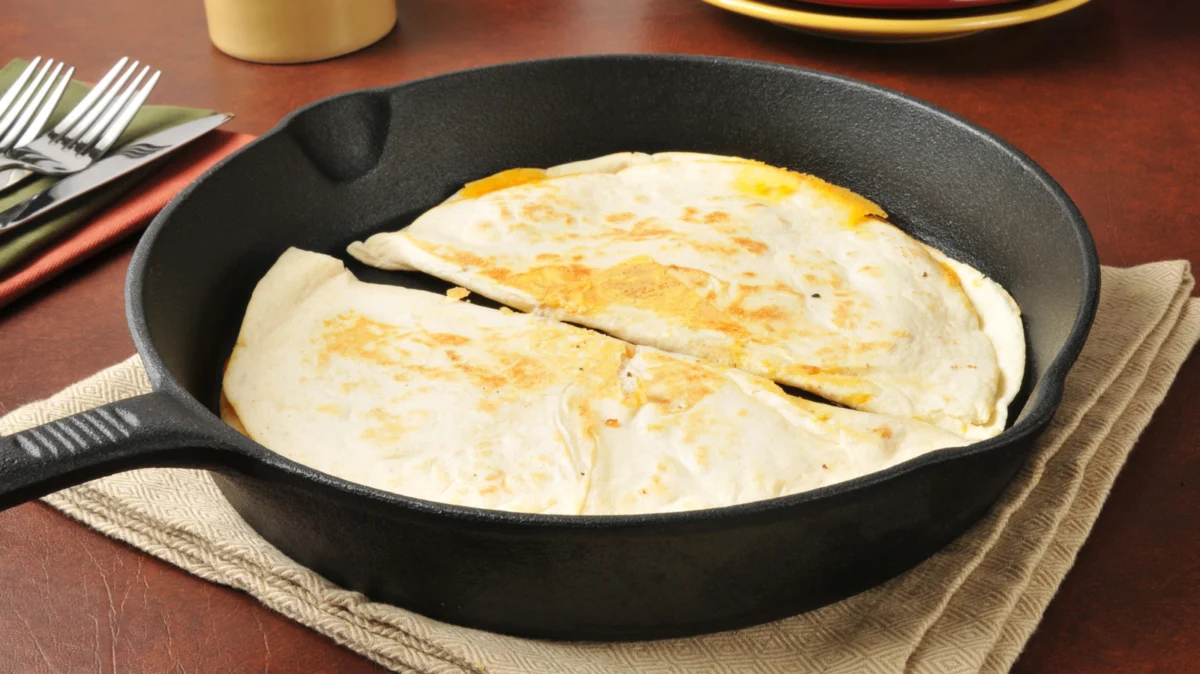
The humble cheese quesadilla has long served as a cornerstone of quick-service dining and home cooking, prized for its simplicity and versatility. Traditionally composed of a folded flour tortilla filled with shredded cheese and griddled until crisp, the dish offers a minimalist canvas for culinary experimentation. Recent shifts in the culinary landscape have seen a move toward "fusion" comfort foods, where traditional Mexican street food techniques are being integrated with European flavor profiles. Among the most successful of these hybrids is the French-style ham and cheese quesadilla, a dish that elevates a standard snack into a substantial, multi-layered meal.
The Evolution of Fusion Comfort Foods
The culinary intersection of Mexican and French cuisines is not entirely unprecedented, yet it remains a niche area of exploration for home cooks and professional chefs alike. While the quesadilla relies on the Mesoamerican tradition of the tortilla—a staple dating back thousands of years—the introduction of European components transforms the flavor profile entirely.
The standard quesadilla often requires supplemental condiments such as sour cream, salsa, or guacamole to provide acidity and moisture. By contrast, the French-style iteration incorporates these elements directly into the filling. This methodology draws from the principles of the classic croque-monsieur, a staple of French bistros that relies on a complex layering of ham, cheese, and a creamy, tangy sauce. When these components are transposed into a tortilla, the resulting product is not merely a variation of a snack but a self-contained, hearty entree that eliminates the need for side accompaniments.
Technical Breakdown: The Components of the Upgrade
The transition from a standard cheese quesadilla to a European-inspired version requires a strategic shift in ingredients. The foundation of this upgrade is the cheese selection. While traditional recipes often call for Oaxaca or Monterey Jack, the French-inspired variant favors Gruyère.
Gruyère is a hard yellow Swiss cheese, originally from the cantons of Fribourg, Vaud, Neuchâtel, Jura, and Bern in Switzerland. Known for its distinctively nutty and complex flavor profile, it possesses superior melting qualities that make it ideal for high-heat cooking. In the context of a quesadilla, the Gruyère serves as a structural and flavor-forward foundation.
Beyond the cheese, the recipe mandates a specialized condiment blend. By combining mayonnaise, Dijon mustard, minced garlic, cracked black pepper, and finely diced cornichons, the chef introduces a "sauce" that mimics the richness of a French sandwich spread. The cornichons provide a necessary acidic crunch, cutting through the heavy fats of the melted cheese and the butter used for pan-searing. The inclusion of high-quality ham adds a protein density that shifts the dish from a light snack to a satiating meal.
Chronology of the Culinary Shift
The rise of such fusion dishes can be traced to a broader trend in the food industry over the last decade, characterized by the "elevated home cook" movement.
- 2015–2018: The emergence of global fusion fast-casual chains popularized the concept of combining distinct regional flavor profiles, such as Korean tacos or Italian-inspired burritos.
- 2020–2022: During the global pandemic, home cooking saw a surge in demand for "gourmet-at-home" recipes. During this period, food media outlets began focusing on utilizing pantry staples in unexpected ways, leading to the development of recipes like the French-inspired quesadilla.
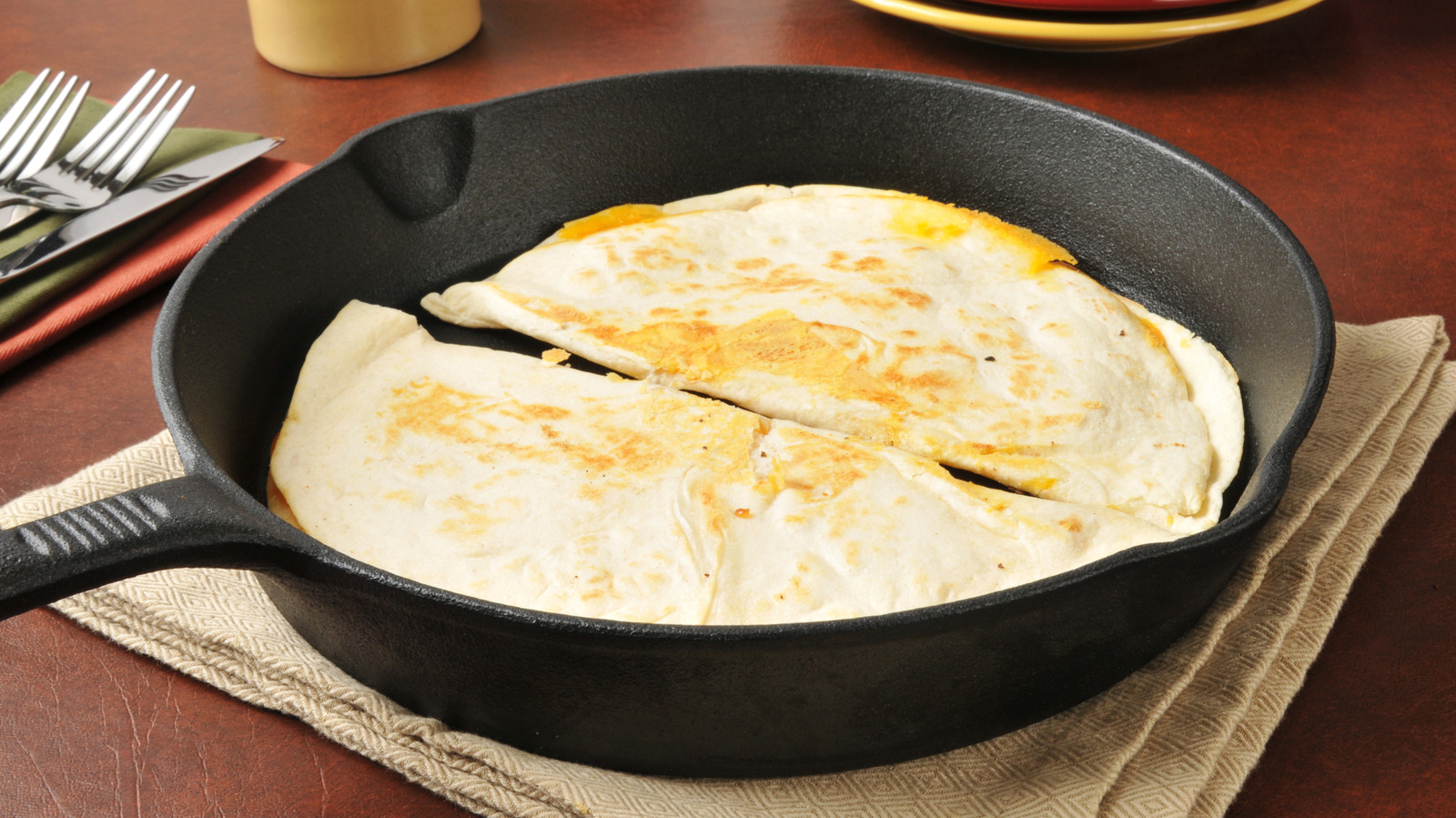
- 2023–2024: The current market environment prioritizes convenience alongside high-quality ingredients. This has led to the proliferation of recipes that combine multiple steps into one, such as the "melted-cheese flourish" technique, where cheese is placed directly onto the hot skillet to form a crisp, golden crust on the exterior of the tortilla.
Analyzing the Nutritional and Economic Impact
From an analytical perspective, the shift toward these upgraded quesadillas has measurable impacts on both preparation time and nutritional satiety. Traditional quesadillas are often criticized for their low protein density and reliance on processed toppings. By integrating ham and a mustard-based sauce, the dish gains a more balanced macronutrient profile.
Economically, the use of imported cheeses like Gruyère or Comté represents a premium tier of home cooking. While the cost per serving is higher than that of generic shredded cheddar, the "all-in-one" nature of the dish reduces the need for additional purchase items like jars of salsa or fresh produce for guacamole. This suggests a shift in consumer behavior where households are opting to buy fewer, higher-quality ingredients to achieve a more sophisticated dining experience at home.
Advanced Customization: Beyond the Basics
Once the fundamental technique of the French-style quesadilla is mastered, the potential for further innovation is extensive. Culinary experts suggest several avenues for customization:
- Protein Alternatives: While ham is the standard, the dish can be adapted to include roasted leeks, sautéed spinach, or cremini mushrooms, reflecting the ingredients often found in traditional French crepes.
- Cheese Substitutions: For those seeking a creamier texture, replacing or supplementing the Gruyère with Brie or Camembert can introduce a milder, earthier profile. However, it is noted that these softer cheeses must be handled carefully to prevent the filling from becoming overly fluid.
- Aromatic Enhancements: The addition of fresh herbs—specifically tarragon, chives, or parsley—can elevate the dish’s aromatic profile, providing a freshness that contrasts with the richness of the butter and cheese.
- Sweet and Savory Integration: Drawing further inspiration from French gastronomy, some chefs have begun experimenting with the addition of thinly sliced apples, pears, or a light spread of fig jam. These elements harmonize with the saltiness of the ham and the pungency of the mustard, echoing the flavor profiles found in sophisticated charcuterie boards.
Professional Implications and Future Outlook
The popularity of this fusion dish highlights a growing trend in culinary media: the move away from rigid adherence to traditional recipes in favor of "ingredient-first" cooking. By analyzing the structural requirements of a dish—in this case, the need for a fat source, a binder, and a flavor contrast—cooks are able to swap regional ingredients while maintaining the integrity of the cooking technique.
Food scientists and chefs observe that this trend is likely to continue as consumers become more comfortable with cross-cultural ingredient applications. The success of the French-style quesadilla serves as a case study for how simple, low-effort adjustments can yield high-impact results. As consumers continue to seek out ways to make home-cooked meals feel like "restaurant-quality" experiences, the demand for these hybrid recipes is expected to grow.
Ultimately, the French-style quesadilla is more than just a culinary curiosity. It represents the fluid nature of modern gastronomy, where boundaries between national cuisines are increasingly porous. Whether executed as a direct imitation of a bistro sandwich or as a foundation for further creative experimentation, the dish offers a practical, flavorful solution for those looking to upgrade a standard household staple. By focusing on the interplay of acidity, fat, and texture, the home cook can transform a fifteen-minute meal into a complex, satisfying experience that bridges two distinct culinary worlds.
