
The evolution of domestic cooking has been increasingly defined by the search for time-efficient, nutrient-dense, and cost-effective meal solutions. Among the most significant trends in home gastronomy over the past decade is the rise of the "sheet pan dinner"—a preparation method that utilizes high-heat roasting to achieve complex flavor profiles with minimal culinary labor. The recent emergence of the Ranch Potatoes & Smoked Sausage recipe provides a compelling case study in how simple, pantry-stable ingredients can be transformed into a balanced nutritional profile through optimized thermal processing.
Historical Context and the Rise of One-Pan Cooking
The sheet pan phenomenon gained mainstream traction during the mid-2010s, coinciding with a shift in consumer demand toward "fast-casual" home dining. Prior to this, the domestic kitchen was largely dominated by multi-vessel cooking, which necessitated significant cleanup and time management. The sheet pan technique mirrors professional catering practices, where ingredients are roasted simultaneously on a single flat surface.
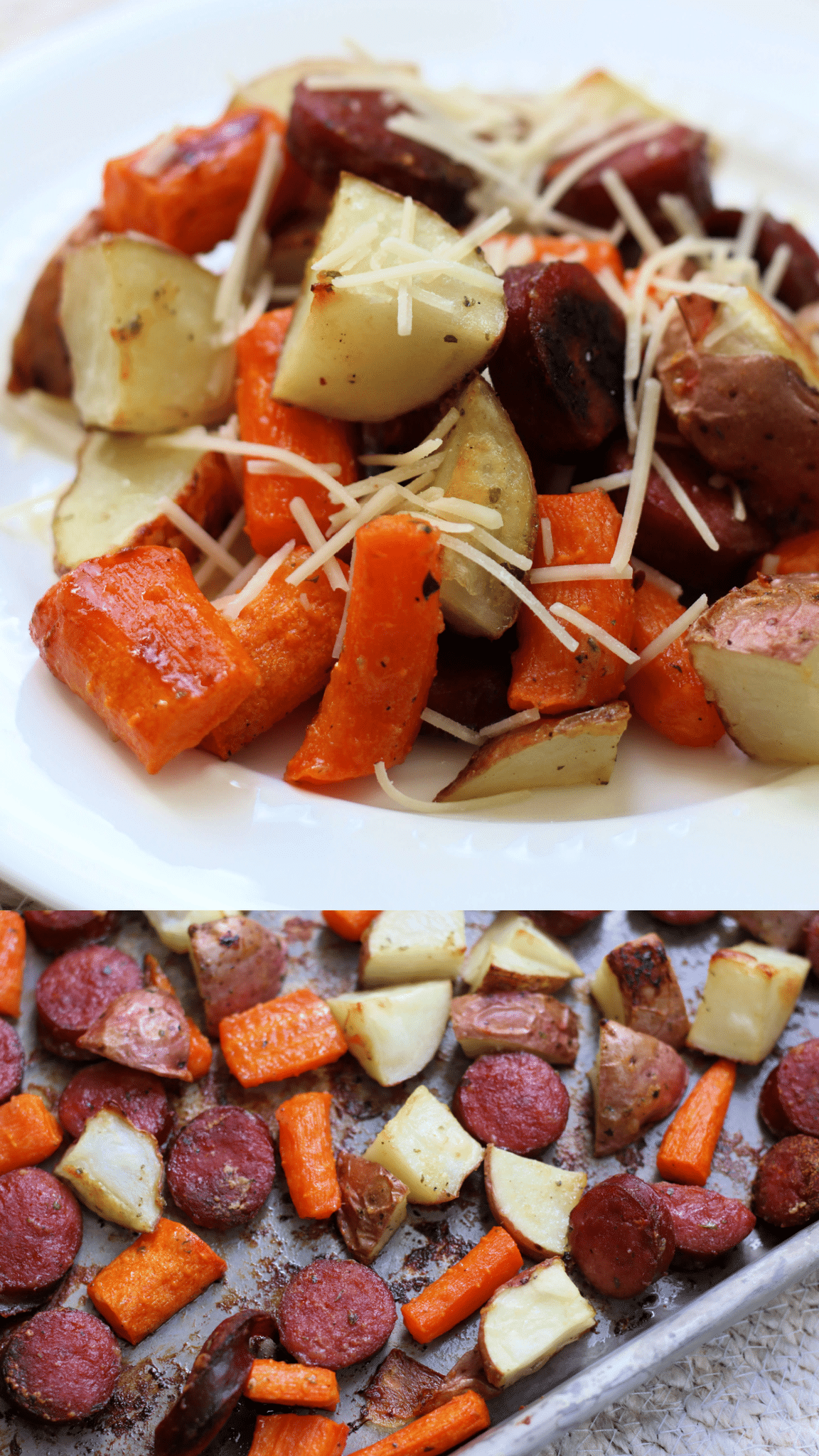
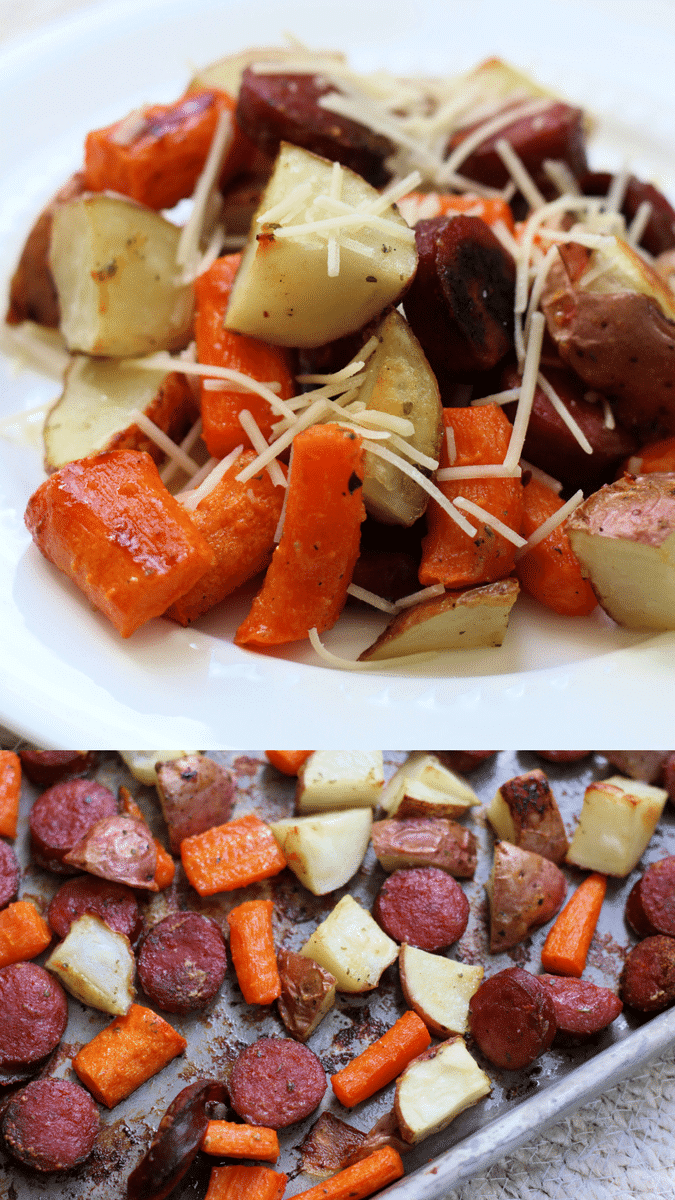
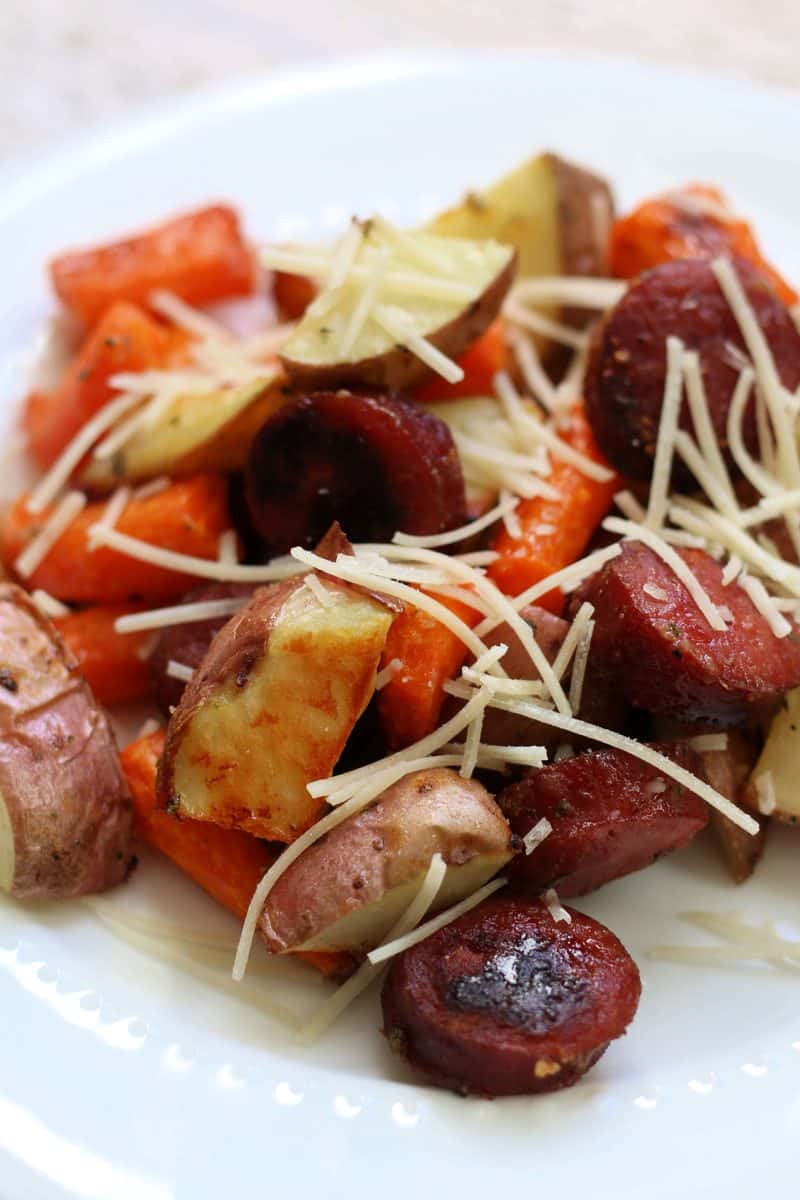
This specific iteration—utilizing red potatoes, carrots, and beef-based smoked sausage—leverages a synergy of textures and heat tolerances. Red potatoes, known for their waxy consistency, retain their structure under high heat, while carrots provide a necessary glucose-to-fiber ratio. The inclusion of smoked sausage serves as the primary protein and sodium-delivery vehicle, utilizing the existing seasoning profile of the processed meat to permeate the surrounding vegetables during the roasting process.
Technical Methodology and Thermal Optimization
The standard preparation for this dish requires an oven preheated to 425°F (218°C). This temperature is considered the "goldilocks zone" for roasting; it is high enough to trigger the Maillard reaction—a chemical process between amino acids and reducing sugars that gives browned food its distinctive flavor—without causing the rapid carbonization of the vegetables.
The process follows a strictly linear chronology:
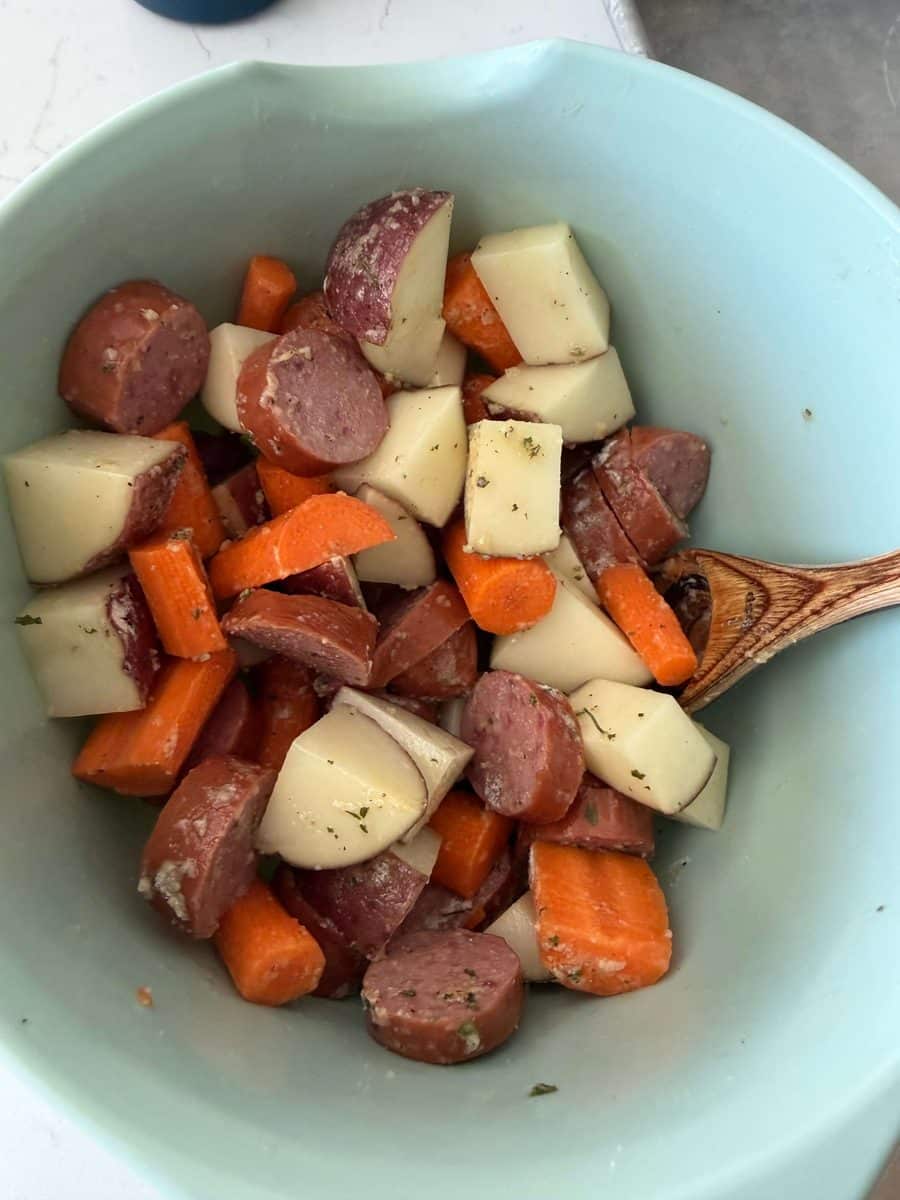
- Preparation Phase: Potatoes and carrots are cut into uniform pieces to ensure consistent thermal conductivity.
- Seasoning Integration: The use of dry ranch dressing mix acts as a compound spice rub. Its primary components—typically buttermilk powder, garlic, onion, and dried herbs—adhere to the oil-coated surfaces of the protein and produce.
- Thermal Application: The mixture is spread across a high-surface-area pan. This ensures that heat distribution is not stifled by overcrowding, which would otherwise lead to steaming rather than roasting.
- Interim Agitation: A mandatory halfway stir, typically at the 15-minute mark of a 30-minute cook cycle, is essential. This rotation ensures that all sides of the ingredients are exposed to the direct heat of the baking sheet, preventing uneven cooking and maximizing caramelization.
Nutritional Implications and Economic Factors
From an economic perspective, the shift toward sheet pan meals represents a strategic response to rising food costs. Red potatoes and carrots are consistently categorized as high-yield, low-cost produce items. When paired with smoked sausage—a shelf-stable or long-refrigerated protein—the resulting cost per serving is significantly lower than that of conventional proteins like fresh steak or poultry.
Nutritionally, this combination provides a substantial glycemic load through the potatoes, balanced by the beta-carotene found in carrots and the protein content of the beef sausage. However, health professionals often point to the sodium content inherent in processed sausages and the high-sodium nature of commercial ranch seasoning mixes as a point of concern. For the average household, this dish is categorized as an "accessible comfort meal," often cited in food-blogging data as having a high "reheatability" factor, making it ideal for the growing demographic of home workers who rely on lunch leftovers.

Industry Trends in Domestic Meal Preparation
Data from consumer analytics firms indicate that "one-pan" search queries have increased by approximately 22% annually since 2020. This trajectory suggests that the modern consumer prioritizes time-savings over complex preparation techniques. The integration of Parmesan cheese as a final topping is not merely aesthetic; the cheese adds a layer of umami that rounds out the acidic profile of the ranch seasonings, providing a balanced mouthfeel that is often cited as a key success factor in consumer satisfaction studies.
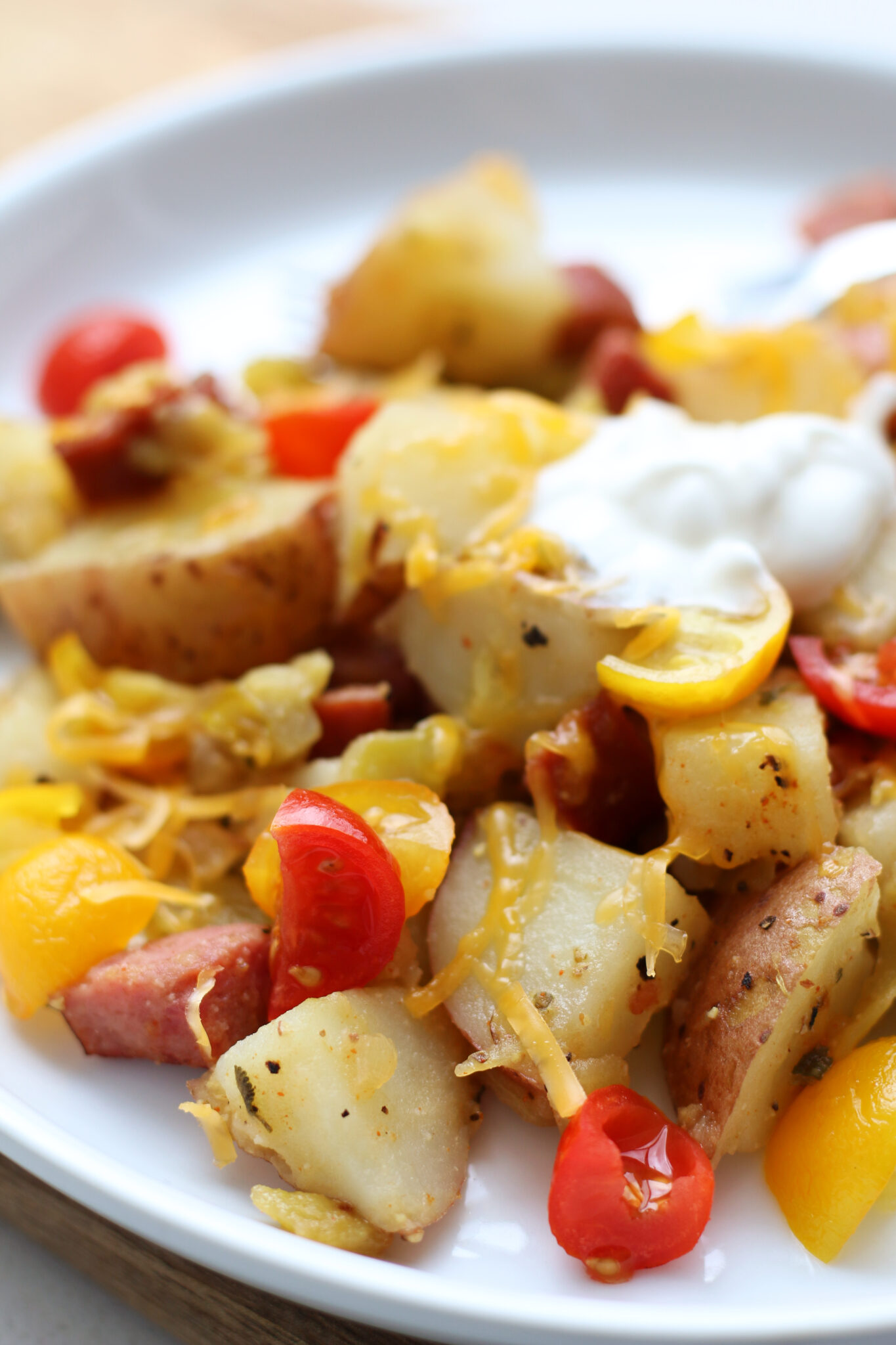
The versatility of this recipe also allows for rapid substitution, a key feature in modern food journalism. For instance, the transition from beef sausage to turkey or plant-based protein alternatives demonstrates the recipe’s modularity. This adaptability has allowed the dish to remain relevant across varying dietary requirements, from low-carb adaptations (swapping potatoes for cauliflower) to high-fiber variations (adding broccoli or bell peppers).

Official Perspectives and Consumer Reception
While there is no singular "official" source for this recipe, it exists as a collective evolution of traditional American "meat and potatoes" cooking. Culinary experts note that the success of such dishes lies in their reliability. Unlike slow-cooking methods which require long-term planning, the 30-minute sheet pan model fits within the standard post-work window of time available to the average working individual.
Public response on community forums and cooking platforms reflects a preference for "low-maintenance, high-reward" meals. The emotional component of the dish—often associated with "home-style" cooking—plays a significant role in its adoption. Furthermore, the inclusion of ranch flavoring, a staple of American palate preferences, provides a familiar flavor bridge for families, increasing the likelihood of widespread acceptance among children and adults alike.
Long-term Impact on Home Kitchens
The long-term implication of the sheet pan movement is a fundamental shift in kitchen equipment usage. Households are increasingly favoring heavy-duty baking sheets and silicone mats over traditional specialized cookware. This simplification of the culinary toolkit reflects a broader societal move toward minimalism and efficiency.
As technology continues to influence the kitchen, we may see further iterations of this dish utilizing smart-oven technology. Precision-controlled heat sensors could, in theory, eliminate the need for the manual "halfway stir" by adjusting convective airflow to ensure uniform browning. Until such technology becomes standard, the human-led manual rotation remains the primary safeguard against the failure of the dish.
Conclusion
The Ranch Potatoes & Smoked Sausage recipe stands as a definitive example of modern, efficiency-driven home cooking. By synthesizing basic vegetable prep with high-heat roasting techniques and familiar flavor profiles, it achieves a high level of utility for the time-strapped consumer. As dietary trends shift, the core methodology of the sheet pan dinner—the simultaneous preparation of protein and produce—is likely to remain a permanent fixture in the domestic culinary landscape, serving as a reliable benchmark for accessible, nutritious, and cost-effective daily sustenance. Whether through the inclusion of varying root vegetables or the exploration of diverse spice blends, the foundational principles established here will undoubtedly continue to support the evolving needs of the 21st-century kitchen.
