
The Nutritional Landscape of Modern Snacking
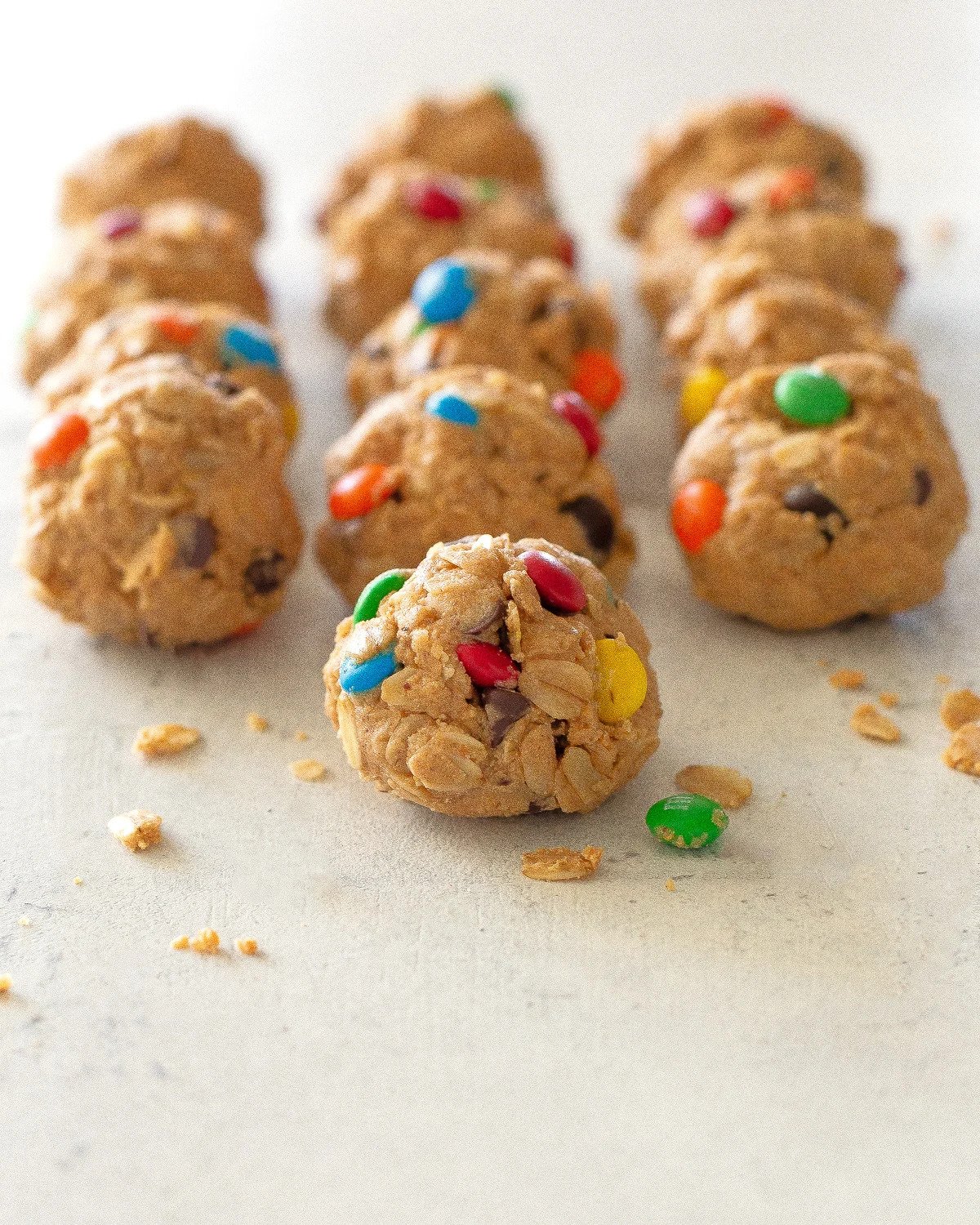
The rise in popularity of protein-enriched bites coincides with a broader shift in dietary trends. According to recent reports from the International Food Information Council, nearly 60% of consumers are actively seeking to increase their protein intake, particularly during mid-day intervals. Unlike traditional snacks that rely heavily on simple carbohydrates, Monster Protein Balls utilize the fiber-rich profile of rolled oats and the healthy fats found in natural peanut butter to provide a more stable glycemic response.
Each bite, weighing in at approximately 129 calories, offers 4 grams of protein and 1 gram of dietary fiber. While these figures may seem modest in isolation, the cumulative effect of consuming two or three bites makes for a substantial caloric boost. This makes them an ideal post-school snack for students or a pre-workout fuel for adults. The incorporation of protein powder—whether whey, plant-based, or collagen-derived—allows for customization based on specific dietary requirements, making the recipe adaptable for those with specific fitness goals or allergen sensitivities.
Chronology and Evolution of the Energy Bite
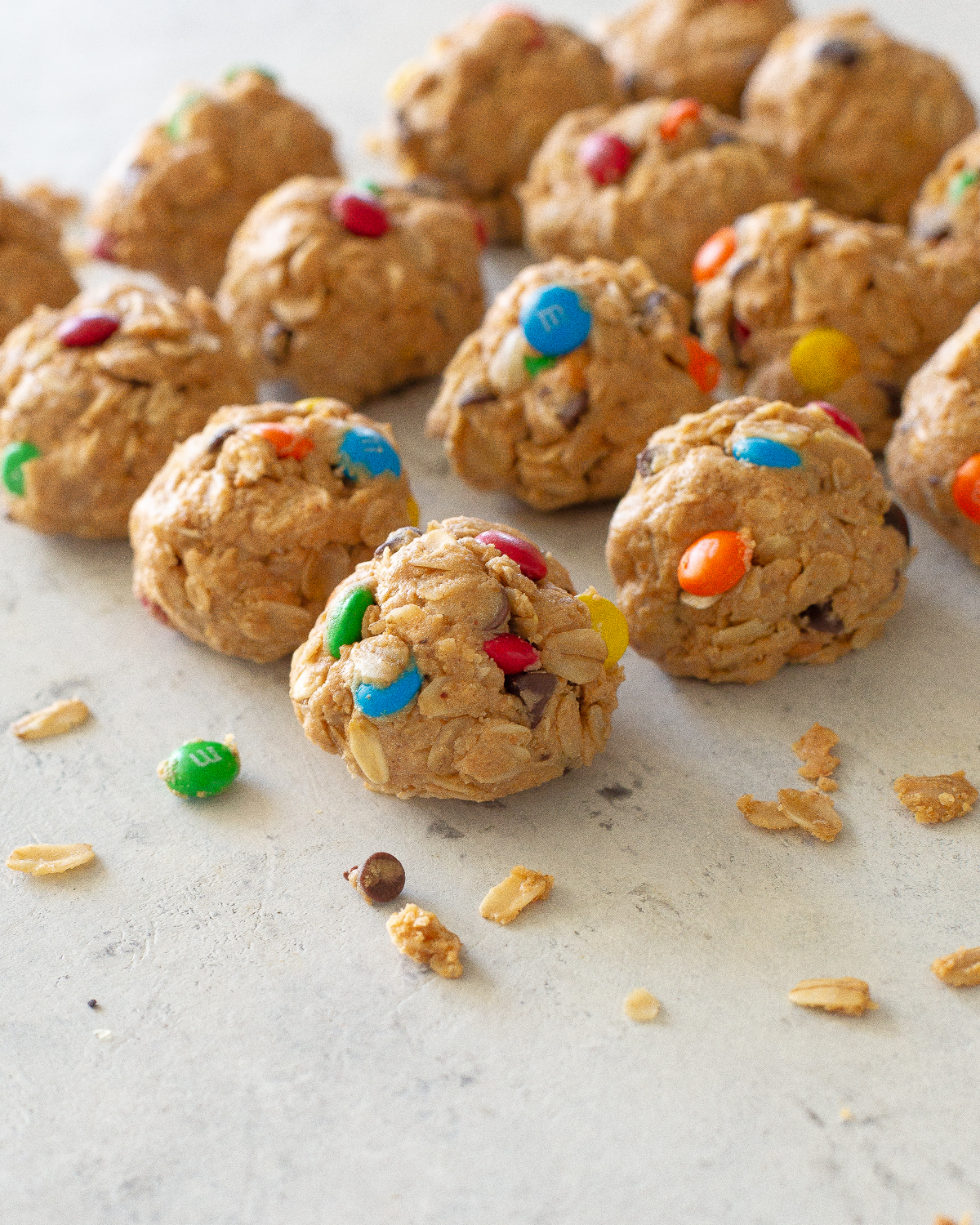
The concept of the "energy ball" or "protein bite" originated in the early 2010s within the fitness and wellness blogging community. Initially marketed as a high-performance snack for endurance athletes and marathon runners, the concept quickly migrated into the mainstream culinary space. The "Monster" variant—a playful homage to the classic "monster cookie" featuring peanut butter, oats, and M&Ms—represents the democratization of sports nutrition.
By the mid-2010s, ingredient lists began to move away from complex, harder-to-find additives like chia seeds or spirulina, shifting toward accessible, pantry-friendly items. This shift was largely driven by parent-bloggers, such as Christy Denney, who sought to streamline the preparation process for school-aged children. By 2024, the recipe has become a standard in home-meal preparation, emphasizing simplicity and cost-effectiveness in a period of rising grocery prices.
Technical Composition and Ingredient Analysis
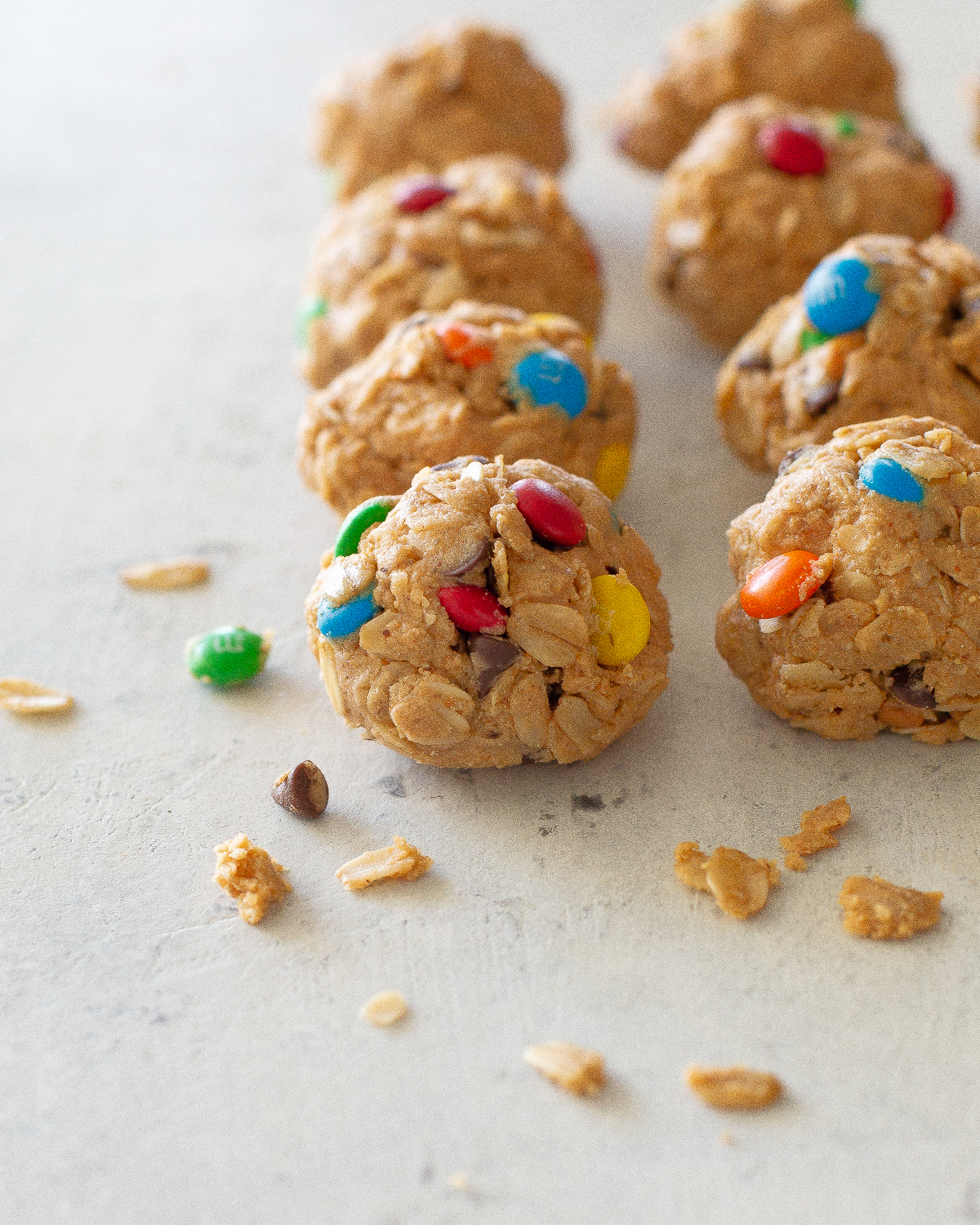
The functionality of Monster Protein Balls rests on the interaction of its key ingredients. The structural integrity of the bite is provided by the combination of oats and peanut butter. When these are combined with a binder—typically honey or maple syrup—the mixture achieves a malleable consistency that can be rolled into spheres.
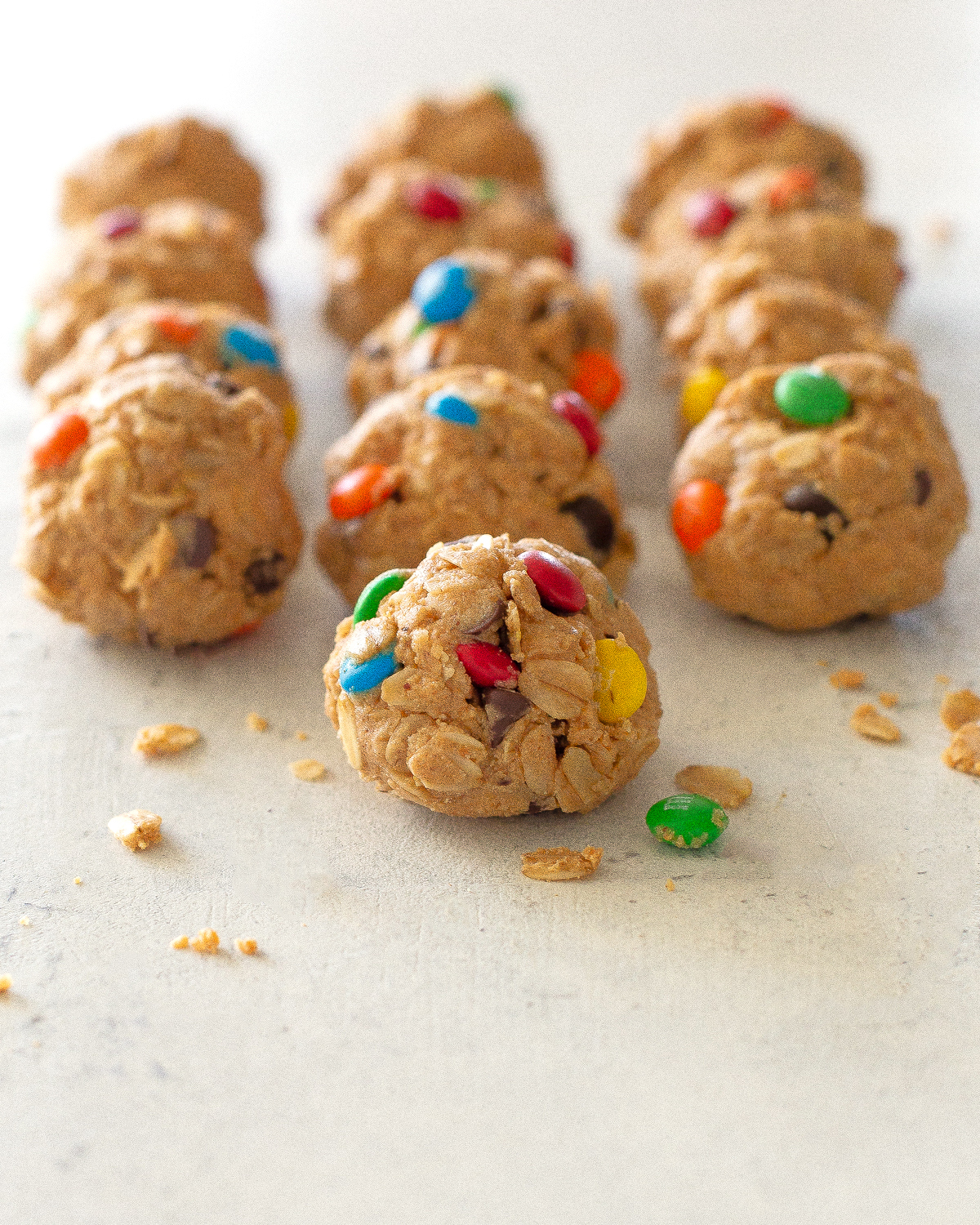
- Peanut Butter: Acts as the primary lipid source, providing monounsaturated fats and essential amino acids. Practitioners note that the viscosity of the peanut butter is paramount; natural varieties often require a higher ratio of dry ingredients (oats) compared to commercial brands like Jif or Skippy, which contain hydrogenated oils that alter the texture.
- Rolled Oats: Serve as the base, offering complex carbohydrates and beta-glucan, a type of soluble fiber that supports heart health.
- Protein Powder: The inclusion of vanilla protein powder serves a dual purpose: it acts as a flavor profile enhancer and a nutritional fortifier. Culinary experts advise using a high-quality whey or vegan isolate to ensure the texture remains smooth rather than grainy.
- Add-ins: Mini chocolate chips and M&Ms provide the "monster" characteristic, offering a source of quick-release energy and enhancing the sensory appeal for children.
Preparation and Storage Standards
Food safety and storage represent significant components of the snack’s longevity. Unlike baked goods, which are subject to oxidation and moisture loss, protein bites are typically shelf-stable in a refrigerated environment for up to two weeks. For longer-term preservation, industry guidelines suggest the use of airtight, freezer-safe containers.
When stored in a Ziploc freezer bag, the bites retain their structural integrity for up to three months. The ability to freeze these snacks is a critical factor for households practicing "batch cooking," a time-management strategy that involves preparing large quantities of food during the weekend to sustain the family throughout the week. To serve, the bites require minimal thawing time, often reaching an optimal texture within five to ten minutes of being removed from the freezer.
Broader Impact on Household Nutrition
The prevalence of these homemade protein snacks signals a significant move toward "informed consumption." By controlling the ingredients, parents can eliminate the corn syrup, artificial dyes, and preservatives found in mass-produced granola bars.
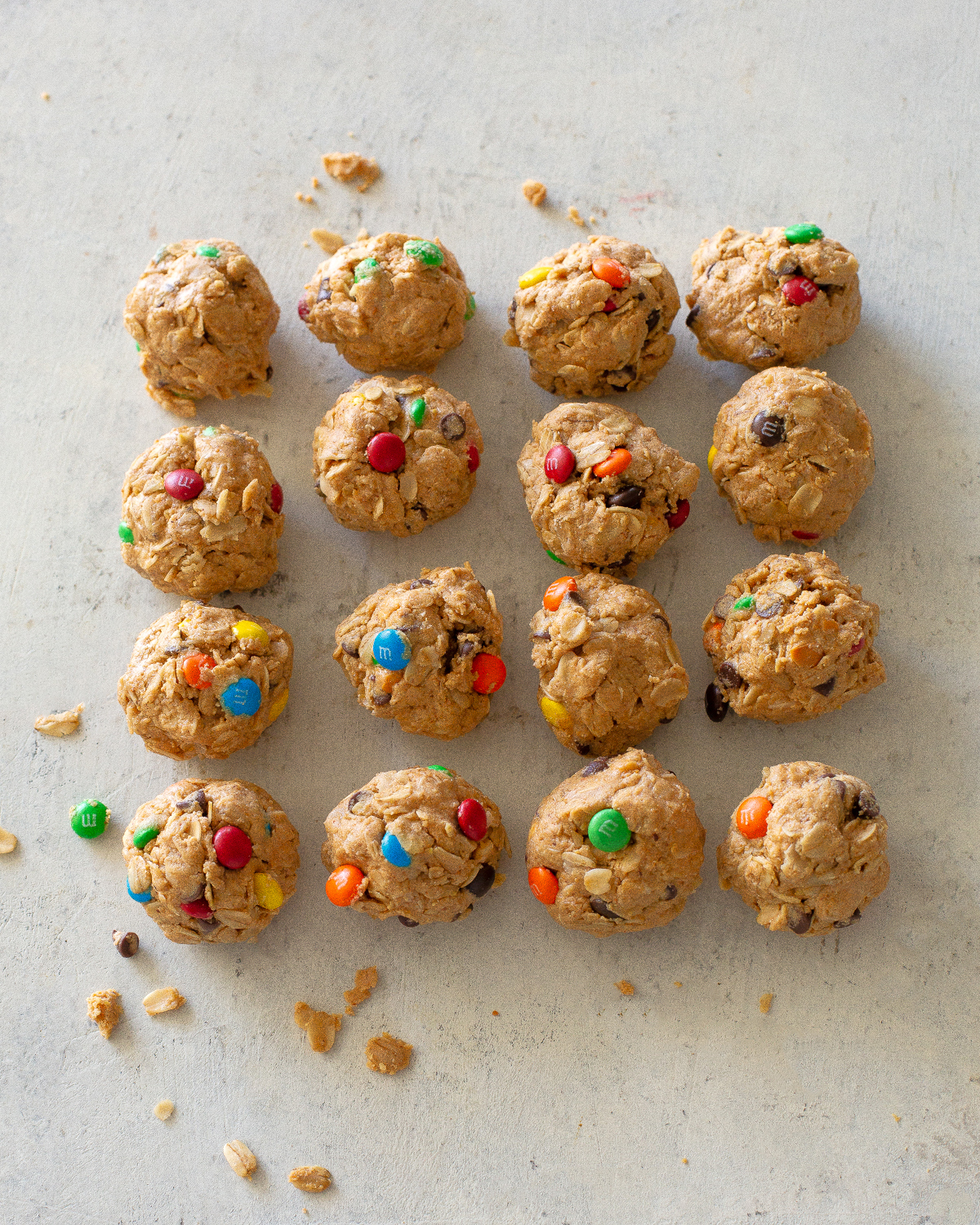
From an economic perspective, the cost per serving is significantly lower than commercially packaged protein snacks. By sourcing ingredients in bulk—oats and large tubs of peanut butter, for instance—the average cost per unit falls well below the price of premium, store-bought energy bars, which can cost several dollars each. This economic efficiency, combined with the ease of assembly, makes it an attractive option for budget-conscious families.
Expert Perspectives and Future Implications
Nutritionists have noted that while Monster Protein Balls are a significant improvement over traditional refined-sugar snacks, they should be viewed as a component of a balanced diet rather than a replacement for whole-food meals. The inclusion of M&Ms, while providing psychological satisfaction and appeal, does contribute to the overall sugar content.
Looking forward, the trend toward "functional snacks" is expected to grow. Future iterations of this recipe may see the incorporation of adaptogens, such as ashwagandha or reishi mushroom powder, as consumers continue to seek snacks that provide cognitive as well as physical benefits. Furthermore, the push for sustainable protein sources will likely lead to an increase in the use of cricket flour or algae-based proteins in similar snack formats.
Conclusion
Monster Protein Balls represent the convergence of convenience, nutrition, and cost-effectiveness. As the culinary landscape continues to evolve, the ability to create high-quality, protein-rich snacks at home remains an essential skill for the modern household. By leveraging simple, pantry-stable ingredients and following established food preparation standards, families can successfully mitigate the reliance on ultra-processed snack alternatives. Whether used as a bridge between school and dinner or as a quick recovery snack after physical exertion, these bites offer a practical and effective solution to the daily demand for high-quality energy.
