
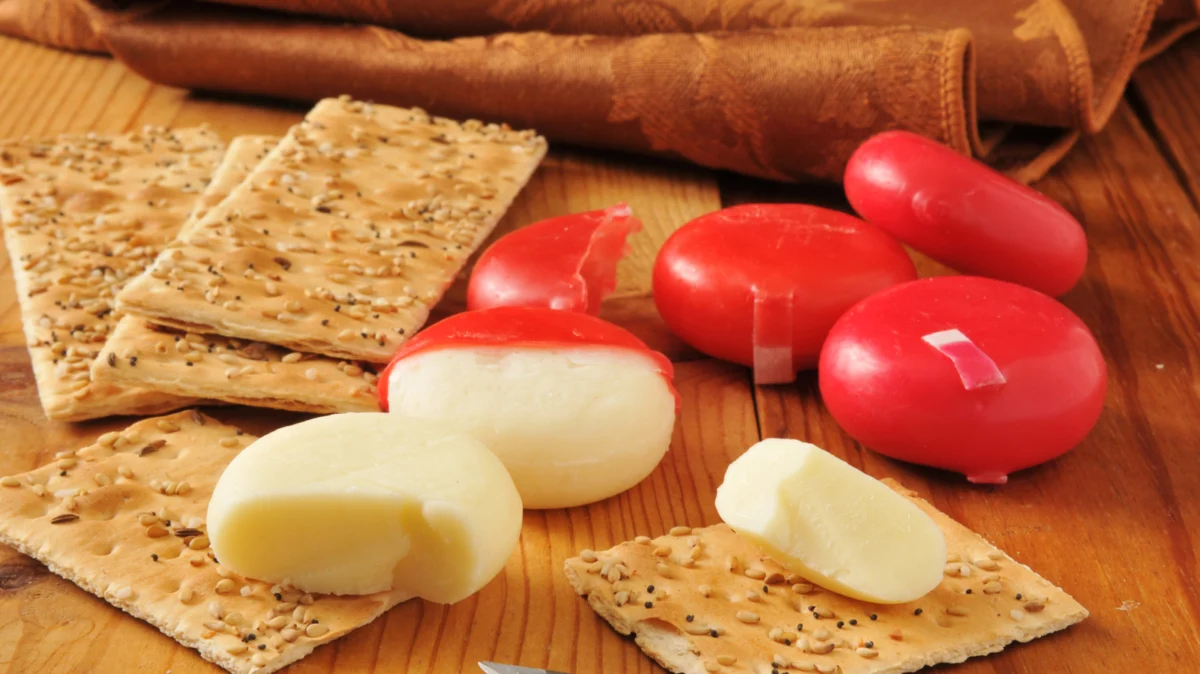
In the evolving landscape of modern home gastronomy, the intersection of convenience-store staples and gourmet preparation has become a focal point for culinary innovation. A recent viral trend, centered on the transformation of Babybel brand cheese into sophisticated, flaky pastries using only a handful of pantry essentials, underscores a broader shift in consumer behavior toward "elevated simplicity." By combining the accessible Edam-style cheese with puff pastry, honey, and butter, home cooks are successfully creating hors d’oeuvres that rival those found in professional catering, effectively bridging the gap between quick-fix snacks and artisanal dining.
The Anatomy of the Culinary Hack
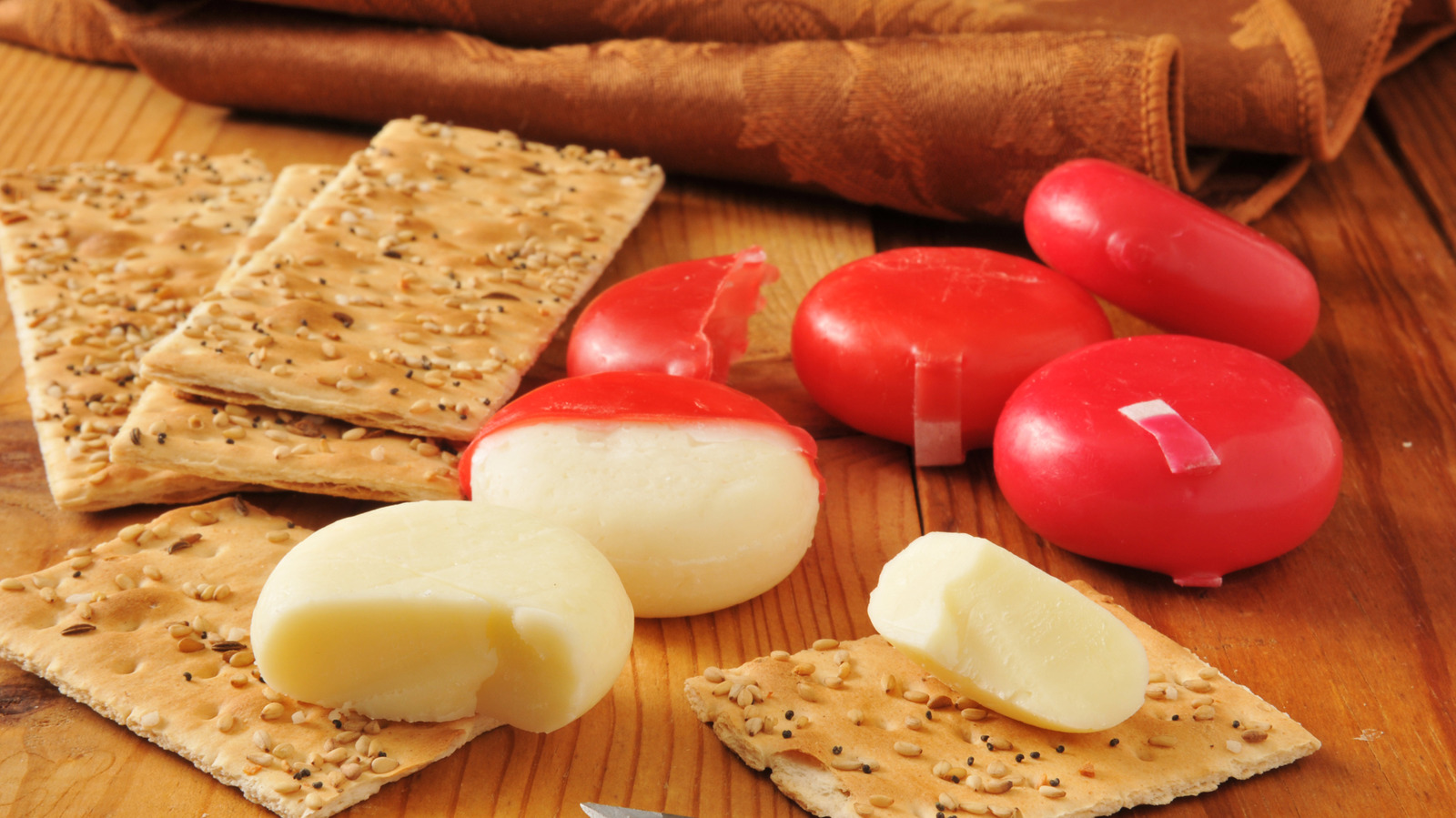
The technical brilliance of this preparation lies in the specific properties of the primary ingredient. Babybel cheese, a product of the Bel Group, is widely recognized as a semi-hard, Edam-style cheese. Edam is historically prized for its mild, nutty profile and its exceptional melting characteristics. Unlike high-moisture fresh cheeses that might liquefy excessively, or aged hard cheeses that require significant heat to soften, Babybel provides a stable, creamy core that maintains its integrity when encased in dough.
The process, which has gained traction across social media platforms like TikTok, requires precise execution. The chef begins by scoring the surface of the cheese—a necessary step to allow the infusion of honey during the baking process. By placing the scored cheese atop a dollop of honey on parchment paper and sealing it within a layer of store-bought puff pastry, the cook creates a self-contained thermal environment. The butter-brushed pastry acts as a conductor, crisping to a golden brown in approximately 12 to 15 minutes at 375 degrees Fahrenheit, while the interior cheese undergoes a controlled melt.
Chronology and Digital Proliferation
The rise of this specific preparation method mirrors the rapid dissemination of culinary "hacks" that have defined the post-2020 home cooking era. While the individual components—cheese, pastry, and honey—have been staples of European cuisine for centuries, the systematic reduction of these ingredients into a standardized, "copy-paste" recipe format indicates a trend toward high-frequency, low-effort entertaining.
During the early months of 2024, short-form video content creators began documenting the process, with creators such as @MadeByKateryna documenting the efficiency of the technique. The chronological development of this trend followed a standard viral trajectory: an initial demonstration of the process, followed by community-led adaptations, such as the use of air fryers instead of conventional ovens. This shift in methodology represents a broader technological trend in home kitchens, where the air fryer has replaced the traditional oven for small-batch, high-heat applications, effectively reducing energy consumption while maintaining texture quality.
Supporting Data and Consumer Trends
Market research into the snack-cheese industry reveals that consumers are increasingly looking for ways to utilize pre-packaged, portion-controlled items in multi-component meals. According to industry data on consumer dairy habits, there has been a 15% year-over-year increase in the utilization of "snackable" cheeses in cooked recipes rather than as raw, standalone snacks. This data reflects a "smart-spending" mentality, where consumers prioritize multi-functional grocery items that can serve as both a child’s lunchbox snack and a foundation for an adult dinner party appetizer.
Furthermore, the surge in popularity of puff pastry—a product that requires significant labor to produce from scratch—highlights the consumer preference for "assembly-based cooking." By outsourcing the labor-intensive lamination process of the dough to industrial manufacturers, the home cook is empowered to focus on flavor profiling and presentation, which are the hallmarks of modern food blogging and social media curation.
Culinary Adaptations and Cultural Synthesis
The versatility of this base recipe has allowed for significant creative branching. Culinary analysts have noted that the fundamental structure—a starch shell, a sweet-savory bridge, and a cheese core—is a classic template found in diverse global cuisines. This has led to the introduction of various flavor profiles into the basic model.
For example, the substitution of the original Babybel with Monterey Jack or White Cheddar variations alters the moisture content and tanginess of the pastry, requiring adjustments in bake time. Similarly, the use of infused honeys—such as hot honey, which incorporates chili peppers, or fruit-infused variations—addresses the modern palate’s demand for "swicy" (sweet and spicy) flavor profiles.
In terms of seasonal adaptations, the transformation of these pastries into "mummies" for Halloween—using strips of dough and candy eyes—demonstrates how a singular food hack can be re-contextualized to fit holiday-specific marketing and aesthetic requirements. This adaptability is critical to the longevity of a recipe in a digital ecosystem that thrives on novelty.
Broader Impact and Industry Implications
The institutional response from food producers and retail sectors has been one of subtle observation. While no official statement has been released by the Bel Group regarding the specific use of their product in this viral capacity, the brand has consistently engaged with consumer-generated content that emphasizes the product’s utility.
From an economic perspective, the trend represents a low-cost, high-reward strategy for hosting. With inflation impacting grocery prices, the ability to create an "elegant" appetizer using approximately four dollars’ worth of ingredients—most of which can be purchased in bulk—is a significant draw for a demographic of younger, budget-conscious, yet aesthetically motivated cooks.
The implications for the food industry are clear: there is a growing demand for products that possess a "transformative potential." Manufacturers are increasingly likely to lean into this by providing more recipe-centric marketing on packaging, rather than simply positioning their goods as "grab-and-go" snacks.
Analysis of Culinary Techniques
Beyond the viral nature of the dish, the technique provides a masterclass in controlled Maillard reactions and thermal regulation. The puff pastry’s rise, driven by the steam generated from the butter layers, creates the necessary volume to insulate the cheese. If the seal of the pastry is not absolute, the cheese may leak, resulting in a loss of structural integrity. Consequently, the instruction to seal the edges with a fork—a technique traditionally used for empanadas or hand pies—serves a dual purpose: aesthetic appeal and structural necessity.
The use of parchment paper, while seemingly standard, is essential for the caramelization of the honey. As the honey reaches its smoke point, it undergoes a complex chemical transformation that adds depth to the mild Edam. When executed correctly, the base of the pastry becomes slightly caramelized, creating a textural contrast to the soft, molten cheese and the crisp, buttery top.
Conclusion
The Babybel pastry hack is more than a fleeting social media trend; it is a symptom of a permanent shift in how domestic culinary skills are disseminated and practiced. By stripping away the complexity of traditional pastry making and focusing on the assembly of high-quality, accessible ingredients, home cooks are redefining the boundaries of "gourmet" in the domestic space. As the digital and physical realms of the kitchen continue to blur, such techniques will likely continue to proliferate, providing a foundation for future innovations in simple, high-impact cooking. Whether served as a stand-alone snack or as a component of a larger charcuterie presentation, the Babybel pastry remains a testament to the fact that culinary sophistication is often found in the deliberate, clever combination of the ordinary.
