
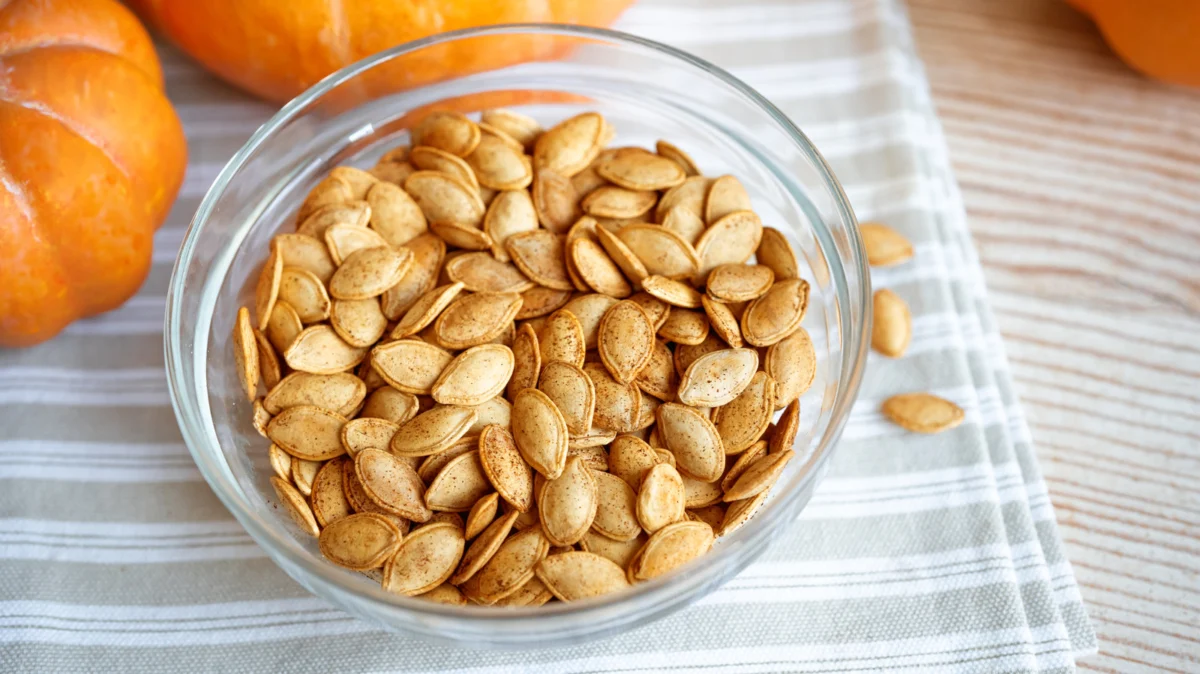
Every autumn, as seasonal traditions shift toward harvest festivals and culinary celebrations, a significant amount of food waste occurs in kitchens across the globe. Specifically, millions of pumpkins are carved, pureed, or processed into soups, yet their nutrient-dense seeds are frequently discarded. However, culinary experts and nutritionists alike argue that these seeds—rich in magnesium, zinc, and healthy fats—represent an underutilized gastronomic resource. Transforming these discarded remnants into a high-quality, shelf-stable snack requires a systematic approach to preparation, drying, and thermal processing. By following a rigorous 10-step protocol, home cooks can elevate what is often considered kitchen refuse into a gourmet ingredient suitable for salads, soups, or standalone consumption.
The Nutritional and Historical Context of Pumpkin Seeds
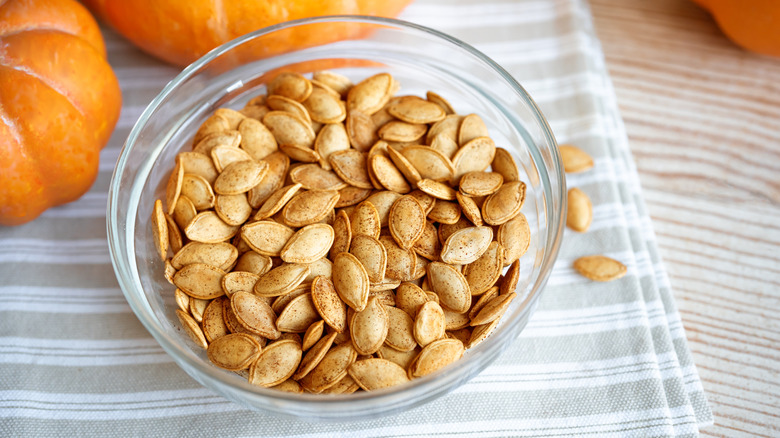
Pumpkin seeds, or pepitas, have been a staple of North American diets for millennia, dating back to indigenous agricultural practices that recognized the nutritional value of the Cucurbita genus. Today, the culinary application of these seeds has evolved from subsistence snacking to a sophisticated component of modern gastronomy. Nutritionally, a 1-ounce serving of hulled pumpkin seeds contains approximately 150 calories, 7 grams of protein, and significant concentrations of essential minerals, including magnesium, which plays a critical role in bone health and metabolic function. When roasted properly, these seeds retain their nutritional profile while undergoing a Maillard reaction—a chemical reaction between amino acids and reducing sugars that gives browned food its distinctive flavor.
Stage One: Preparation and Sanitization
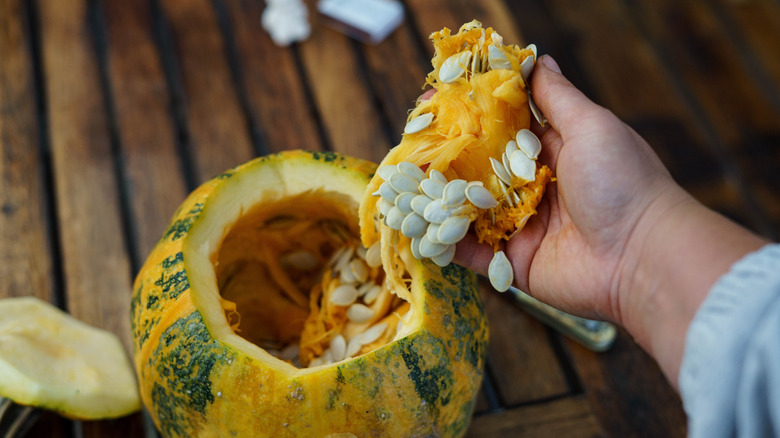
The journey from the pumpkin cavity to the oven begins with the separation of the seed from the fibrous, gelatinous placental tissue. Culinary professionals emphasize that this is the most critical stage for ensuring consistent texture.
- The Separation Technique: The most efficient method for cleaning seeds involves a water-submersion technique. By placing the raw seeds in a large bowl of water, the lighter, healthy seeds will float, while the heavier, unwanted pulp sinks to the bottom. This allows for a clean separation without damaging the delicate outer hulls.
- Moisture Control: Drying is perhaps the most neglected step in the process. Any residual moisture on the exterior of the seed acts as a thermal barrier. If the seeds are damp when they enter the oven, they will steam rather than roast. Using paper towels or lint-free kitchen cloths to blot the seeds until they are completely dehydrated is essential. A common industry standard suggests leaving the seeds to air-dry on a flat surface for at least one hour before applying heat.
Stage Two: Pre-Treatment for Texture and Flavor
While many amateur cooks move directly from drying to roasting, professional kitchens often utilize a parboiling method to improve the final mouthfeel of the snack.
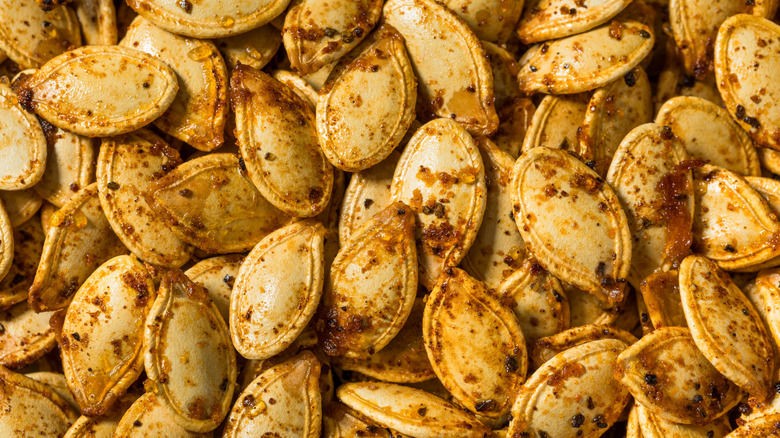
- The Brining Process: Boiling the seeds in a salt-saturated solution for 10 minutes serves two purposes. First, the salt penetrates the outer hull, seasoning the kernel from within. Second, the heat softens the starchy exterior, which accelerates the crisping process during the subsequent roasting phase.
- Advanced Flavor Infusion: The boiling liquid acts as a brine. By adding aromatics such as cumin, garlic powder, or even a splash of beer, the seeds absorb complex flavor profiles that dry-seasoning cannot replicate. This step allows for a depth of flavor that remains consistent throughout the entire seed structure.
Stage Three: The Roasting Environment
Once the seeds are prepared, the environment in which they are cooked becomes the primary determinant of quality.
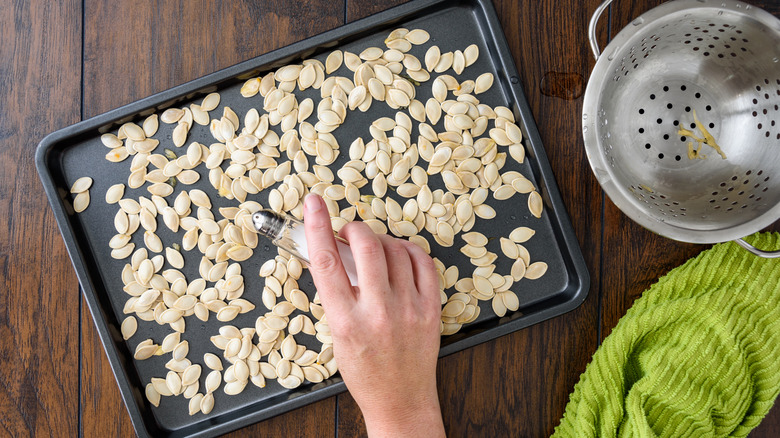
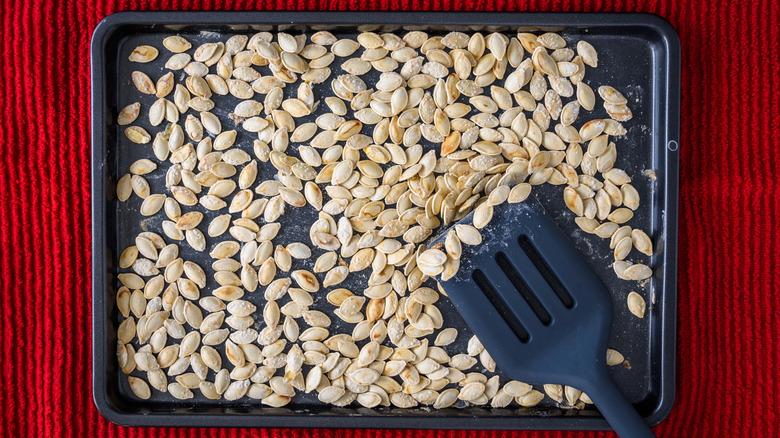
- Surface Area Management: Overcrowding a baking sheet is a frequent error that leads to inconsistent browning. When seeds are layered too deeply, the air circulation—which is necessary to evaporate residual moisture—is restricted. A single, uniform layer is the standard for even roasting. For large batches, it is advisable to use multiple baking sheets rather than consolidating the seeds into one.
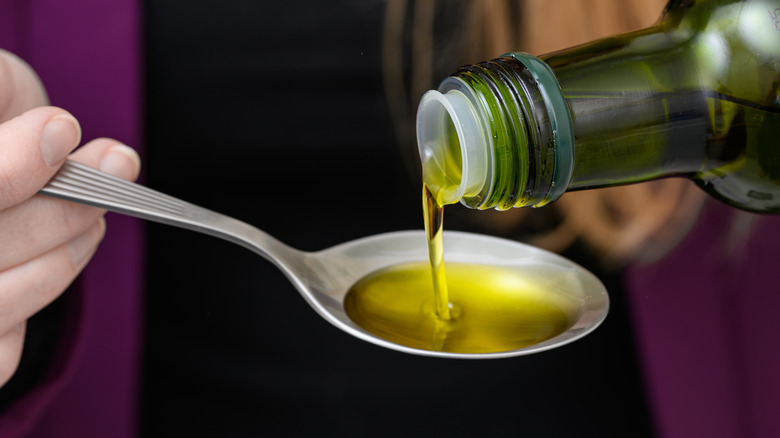
- Fat Integration: While seeds contain natural oils, the addition of a small amount of high-quality oil, such as extra virgin olive oil or avocado oil, serves as a conductor for heat and a medium for seasonings. The optimal ratio is approximately two teaspoons of oil per cup of seeds. This prevents the seeds from adhering to the pan and promotes a more uniform golden-brown coloration.
- The Thermal Threshold: Temperature management is the difference between a nut-like, crispy seed and a bitter, burnt husk. The industry-standard temperature for roasting pumpkin seeds is 325 degrees Fahrenheit (163 degrees Celsius). This moderate heat allows the interior of the seed to cook without reaching the smoke point of the fats contained within the seed, which typically occurs at higher temperatures.
Stage Four: Monitoring and Post-Process Handling
The final phase of the roasting process requires active management.
- Mechanical Agitation: To ensure uniformity, the seeds must be agitated during the cooking process. Shaking the pan or stirring the seeds every 10 minutes redistributes the heat, ensuring that the seeds at the edges of the pan—where heat concentration is often higher—do not burn while the center remains raw.
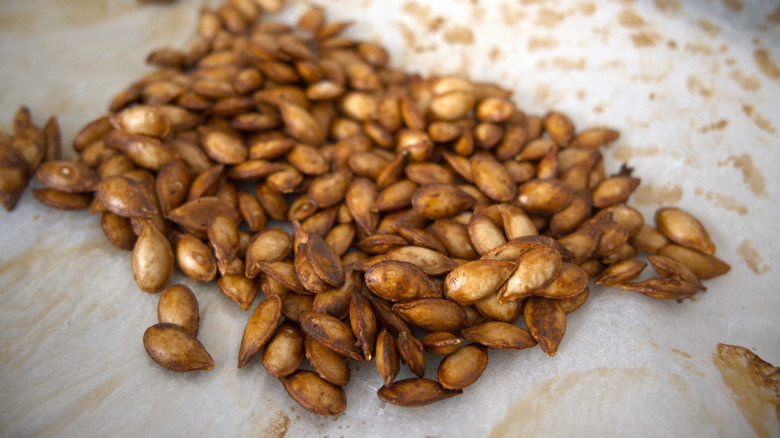
- The Critical Final Window: The final five minutes of the roasting timeline are the most volatile. Because of their high oil content, seeds can transition from perfectly toasted to carbonized in seconds. Observing the seeds closely after the 25-minute mark is essential. Once they reach a light golden hue and emit a fragrant, toasted aroma, they must be removed from the heat immediately.
- The Resting Period: The cooling process is not merely a waiting game; it is an active phase of texture development. As the seeds cool, remaining moisture continues to evaporate. Forcing the cooling process by placing them in an airtight container while warm will trap steam, leading to a soggy final product. Allowing them to cool in a single layer on the baking sheet for at least 15 minutes ensures maximum crunch.
Broader Culinary Implications and Innovations
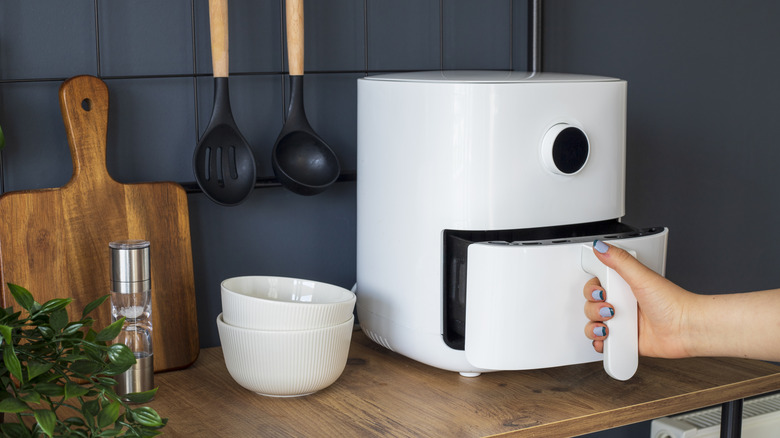
Beyond the standard oven-roasting method, technological advancements in the kitchen have provided new avenues for processing seeds. The air fryer, for instance, has become a preferred tool for smaller batches. Its convection-based design, which forces hot air through the food chamber, effectively replicates the dehydration process much faster than a standard oven. Air-frying typically requires only 10 to 15 minutes, making it a more efficient alternative for home cooks looking to minimize energy consumption.
Similarly, the skillet method offers a stovetop alternative that provides the cook with maximum control. By manually tossing the seeds over medium heat, the cook can visually monitor the browning process in real-time, allowing for immediate removal from the heat source. This method is particularly effective when applying delicate seasonings, such as fresh herbs or sugar-based glazes, which are prone to burning if left in a hot oven for too long.
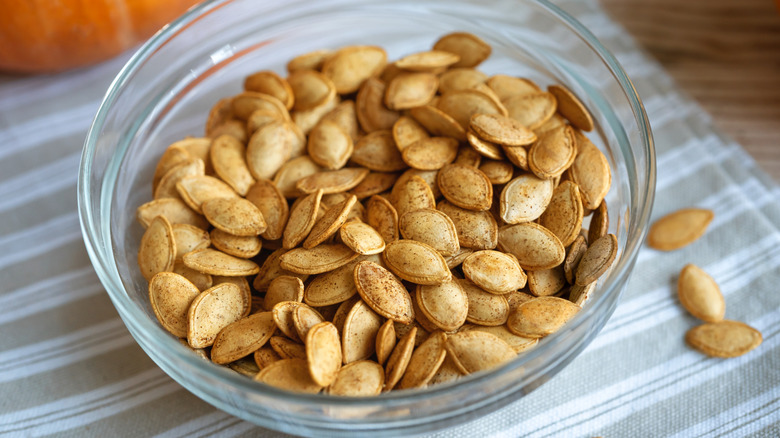
From a sustainability perspective, the normalization of roasting pumpkin seeds contributes to a broader effort in reducing household food waste. According to data from environmental research groups, the average household generates a significant volume of organic waste during the autumn months. By repurposing pumpkin seeds, consumers reduce their total waste footprint while simultaneously increasing the nutritional yield of their grocery purchases.
In conclusion, the transition of pumpkin seeds from waste to a culinary asset is a testament to the importance of technique. By mastering the fundamentals of cleaning, drying, brining, and thermal control, home cooks can ensure that every pumpkin processed in their kitchen is fully utilized. Whether seasoned with simple sea salt or complex spice blends like za’atar or cinnamon-sugar, the roasted pumpkin seed remains a versatile, healthy, and environmentally conscious snack that bridges the gap between traditional harvest customs and modern culinary excellence.
