
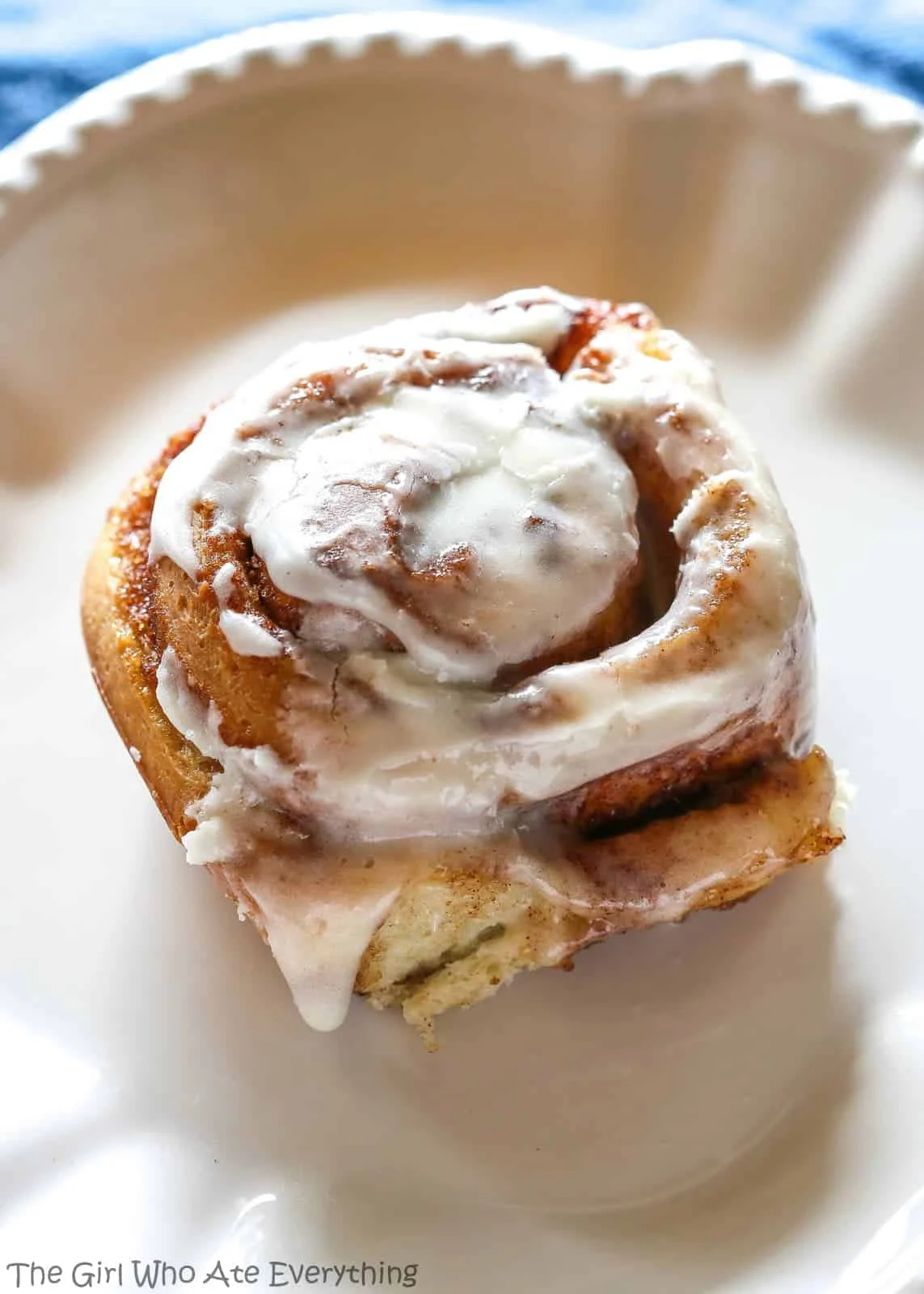
The Evolution of the Commercial Cinnamon Roll
The global popularity of the cinnamon roll is rooted in the "mall culture" of the 1980s and 90s, where the olfactory experience of freshly baked, spiced dough became a primary marketing tool. Cinnabon, now a subsidiary of GoTo Foods (formerly Focus Brands), turned the cinnamon roll into a mass-market commodity. The core appeal lies in the specific texture of the dough—which requires a precise balance of yeast, fat, and sugar—and the intensity of the spice profile.
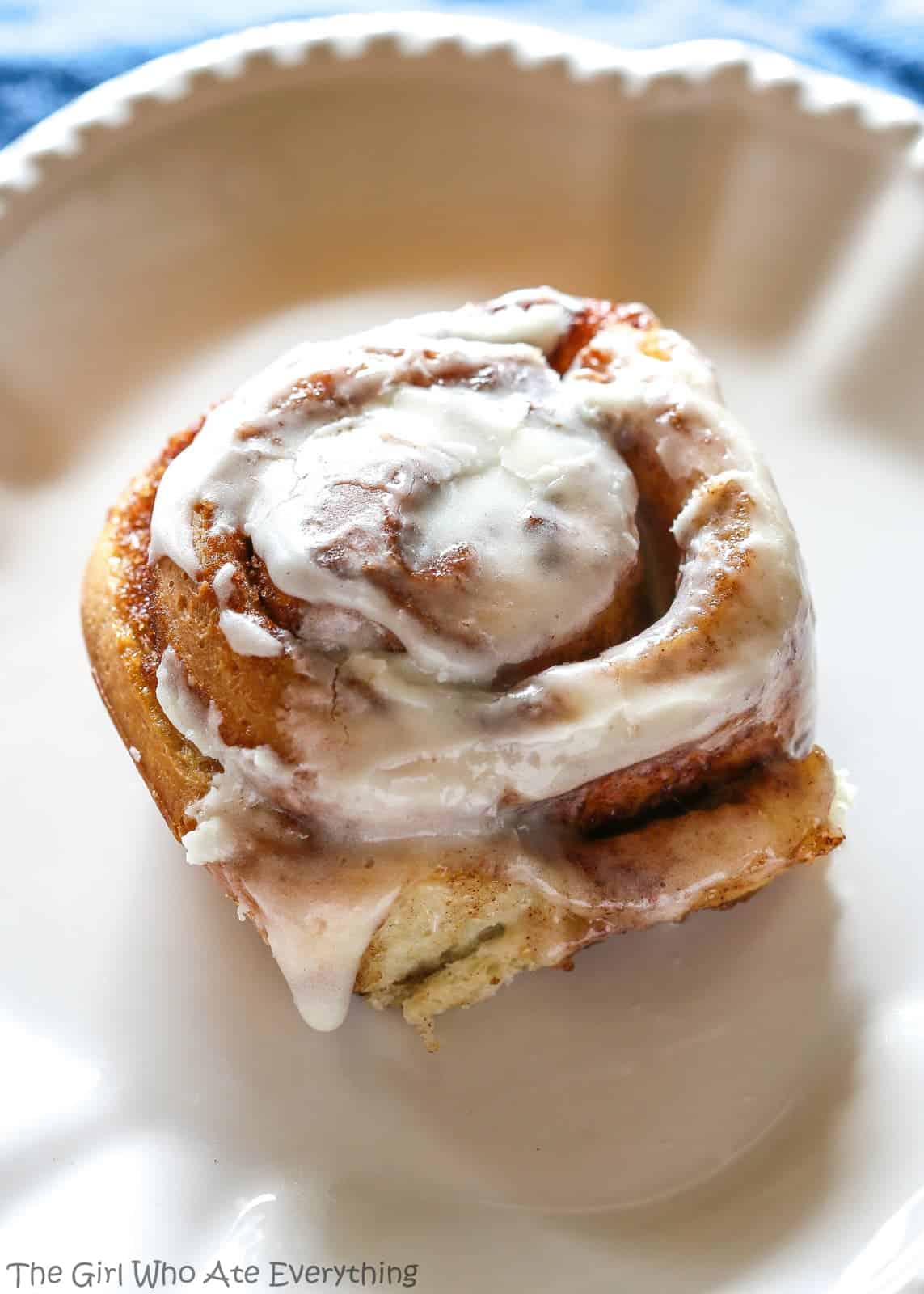
Home-based iterations of these rolls have gained traction as culinary enthusiasts seek to achieve "bakery-quality" results in domestic kitchens. By analyzing the structural components of the Cinnabon recipe—specifically the heavy reliance on high-quality cinnamon and the double-application of icing—amateur bakers have successfully reverse-engineered the product. This trend has been bolstered by social media and recipe-sharing platforms, which allow for the crowdsourcing of tips, such as overnight cold-fermentation techniques that improve crumb texture and flavor complexity.
Chronology and Preparation Methodology
The production of high-end, commercial-style rolls at home follows a standardized industrial timeline adapted for domestic use. The process typically begins with the activation of active dry yeast, followed by a multi-stage proofing process.
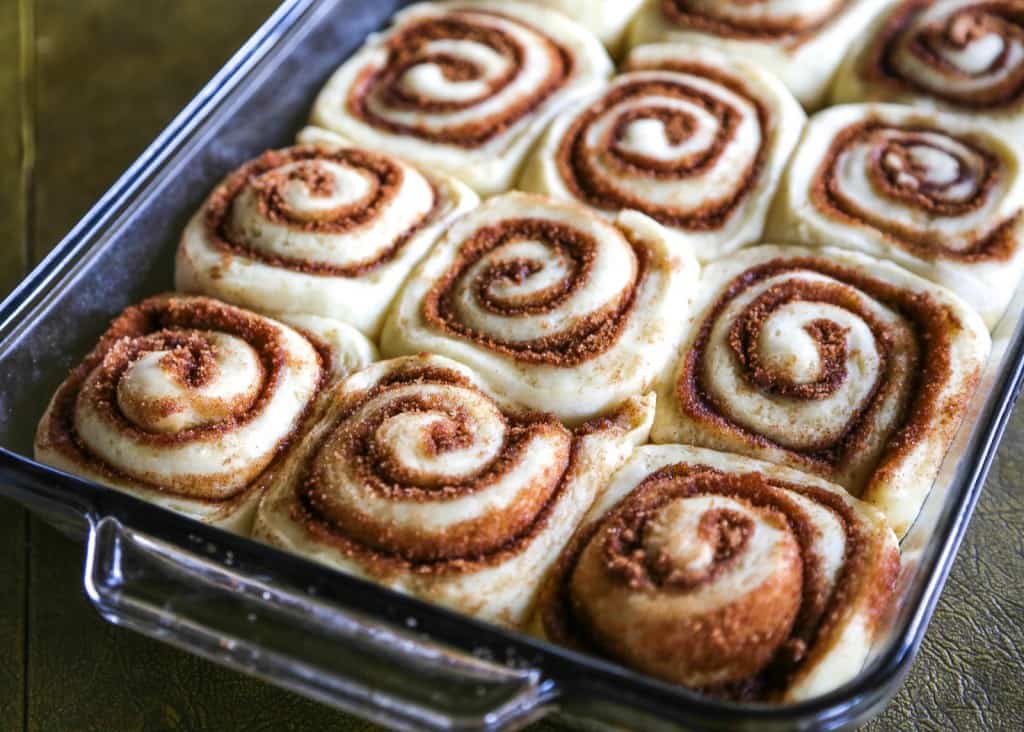
- Dough Development: The incorporation of high-fat content (often butter or milk) is essential to achieving the characteristic pillowy texture. Professional-grade results are often attributed to a "slow rise" method, where the dough is refrigerated overnight. This cold-proofing phase allows for the development of organic acids, which enhance the depth of the final product.
- The Cinnamon Infusion: The hallmark of the commercial style is the use of a high concentration of cinnamon. While standard home recipes may call for one teaspoon, commercial-style replicas often utilize up to 2.5 tablespoons of cinnamon per batch to match the intensity of the original product.
- Thermal Management: The baking process requires careful temperature control, typically at 350°F (175°C). Overbaking leads to a loss of the signature moisture, while underbaking results in a doughy, raw center.
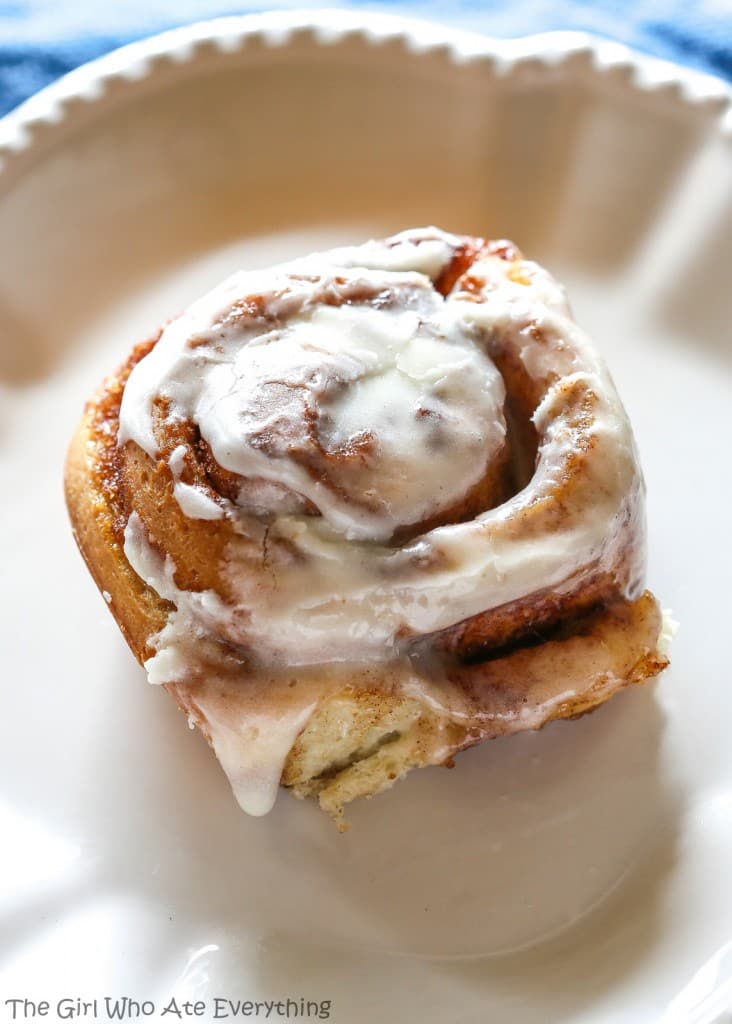
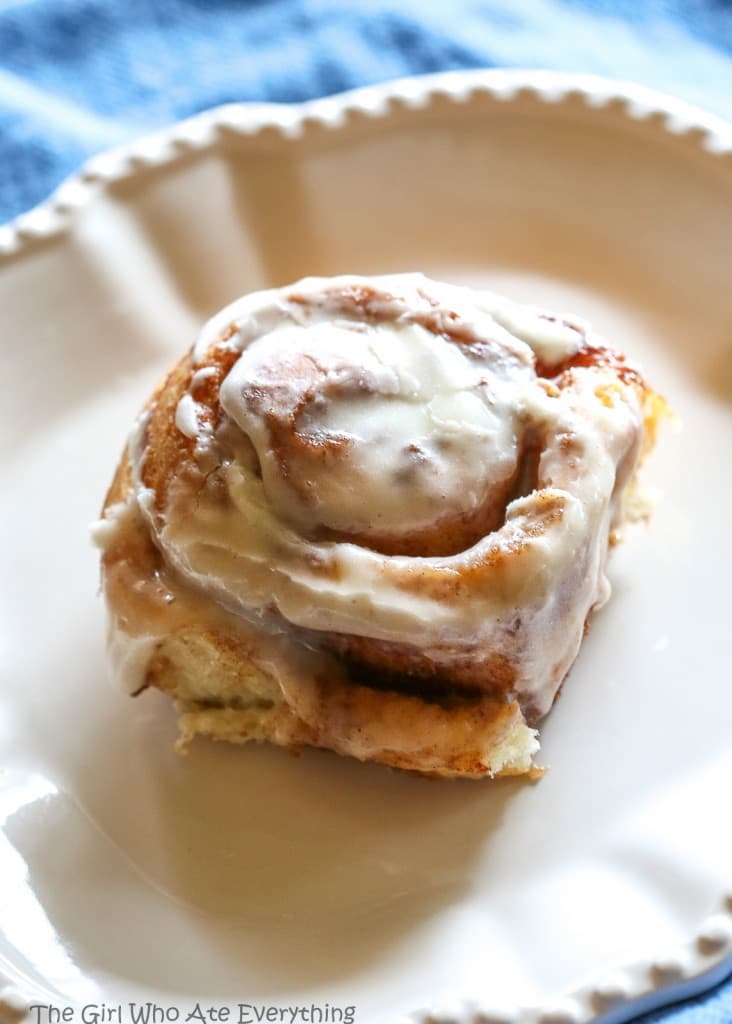
- The Icing Protocol: A critical procedural detail in the "copycat" methodology is the application of the frosting. To mimic the signature "ooze" found in professional bakeries, the frosting must be applied in two stages. The first half is applied immediately upon removal from the oven, allowing the heat to melt the frosting into the crevices of the rolls. The second half is applied once the rolls have cooled slightly, ensuring a thick, opaque layer remains on the surface.
Supporting Data and Nutritional Context
The appeal of these rolls is reflected in their significant caloric and macronutrient profile. A single serving—defined as one roll—typically contains approximately 511 kilocalories. The carbohydrate content, averaging 83 grams per roll, is primarily derived from refined flour and granulated sugar, while the 16 grams of fat are largely attributed to butter and cream cheese.
From a nutritional standpoint, these rolls are categorized as "occasional consumption" items. The high sugar content (47 grams) and saturated fat (10 grams) place them among high-density caloric foods. Despite this, the popularity of the recipe remains high for celebratory events, particularly during the winter holiday season. Data from home-cooking trend reports suggests that searches for "homemade breakfast rolls" spike annually in late December, correlating with the rise of hosting traditions and family gatherings.
Economic and Culinary Implications
The persistence of the copycat trend underscores a shift in the food industry. Consumers are increasingly valuing the ability to recreate "branded" experiences within the home environment. This movement has two primary implications for the broader food sector:
First, it has changed how consumers perceive ingredient quality. When attempting to replicate a high-end product, home bakers are more likely to seek out premium ingredients—such as high-fat butter, specific varieties of cinnamon (such as Ceylon or high-grade Korintje), and artisanal cream cheese—which drives demand for higher-quality grocery store staples.
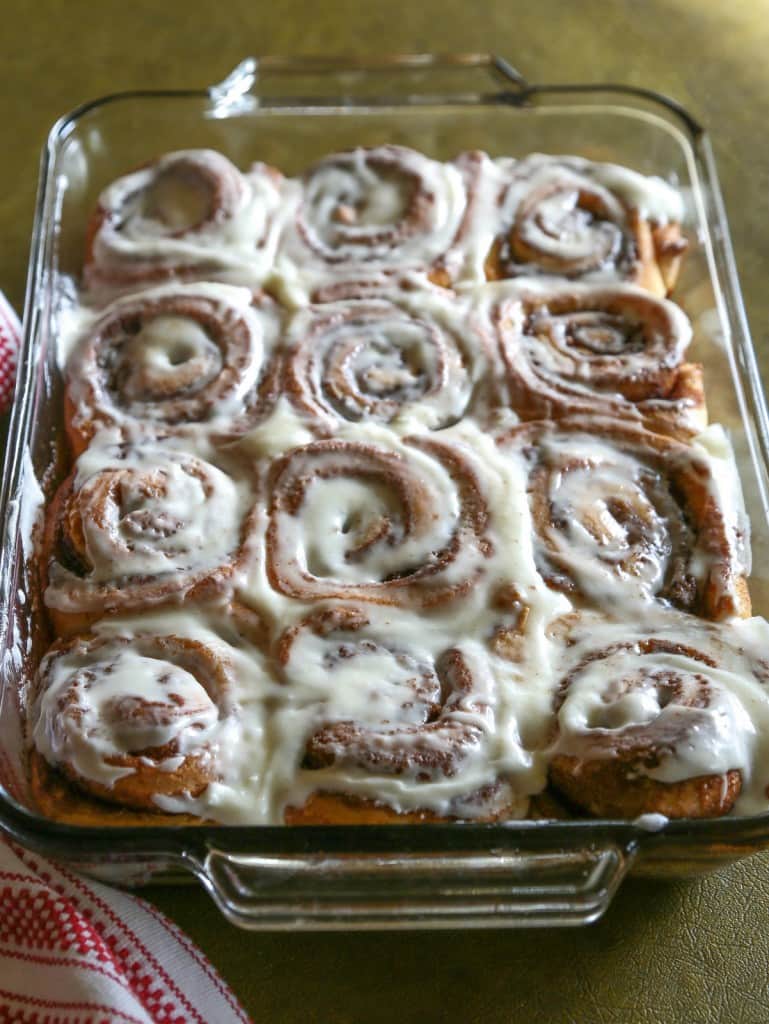
Second, the "copycat" phenomenon acts as a form of social currency. The ability to produce a near-identical version of a commercial staple serves as a marker of culinary proficiency. As noted by food researchers, the act of "perfecting" a copycat recipe—such as mastering the timing of the frosting application—provides a sense of accomplishment that is distinct from traditional cooking.
Official Responses and Industry Reception
While the parent companies of major commercial chains generally do not comment on individual home-cooking recipes, the professional baking industry has acknowledged the growth of the home-baking sector. Industry analysts note that brands often view home-baking recipes as a form of "passive brand engagement." Even when a consumer chooses to make the rolls from scratch, the brand remains top-of-mind.
Furthermore, the rise of the "breakfast casserole" pairing—often served alongside these rolls—reflects a move toward "salty-sweet" breakfast pairings. Culinary experts suggest this trend is a reaction to the extreme sweetness of modern desserts, with consumers seeking to balance the sugar-heavy profile of the rolls with the savory, protein-dense properties of an egg-and-sausage casserole.
Future Trends in Home Baking
As the home-baking movement continues to evolve, the focus is shifting toward "efficiency-driven" techniques. The most successful recipes are those that offer a high-quality result while minimizing active labor, such as the aforementioned overnight proofing. This allows the host to serve a fresh, hot product in the morning without the requirement of early-morning manual labor.

Technological advancements in home ovens, including convection settings and precision temperature controls, have also made it easier for amateur bakers to mimic the consistent results once only achievable in commercial convection ovens. This hardware accessibility suggests that the trend toward high-end, labor-intensive home baking will likely continue to grow.
In conclusion, the Copycat Cinnabon Cinnamon Roll represents more than just a recipe; it is a synthesis of commercial flavor profiles and modern domestic convenience. By adopting professional techniques—such as the double-icing method and cold-temperature fermentation—home bakers have effectively bridged the gap between commercial production and the home kitchen. As culinary information becomes increasingly democratized, the pursuit of the "perfect" copycat will remain a significant pillar of contemporary food culture, reflecting a society that places high value on both the convenience of known brands and the authenticity of the homemade product.
