
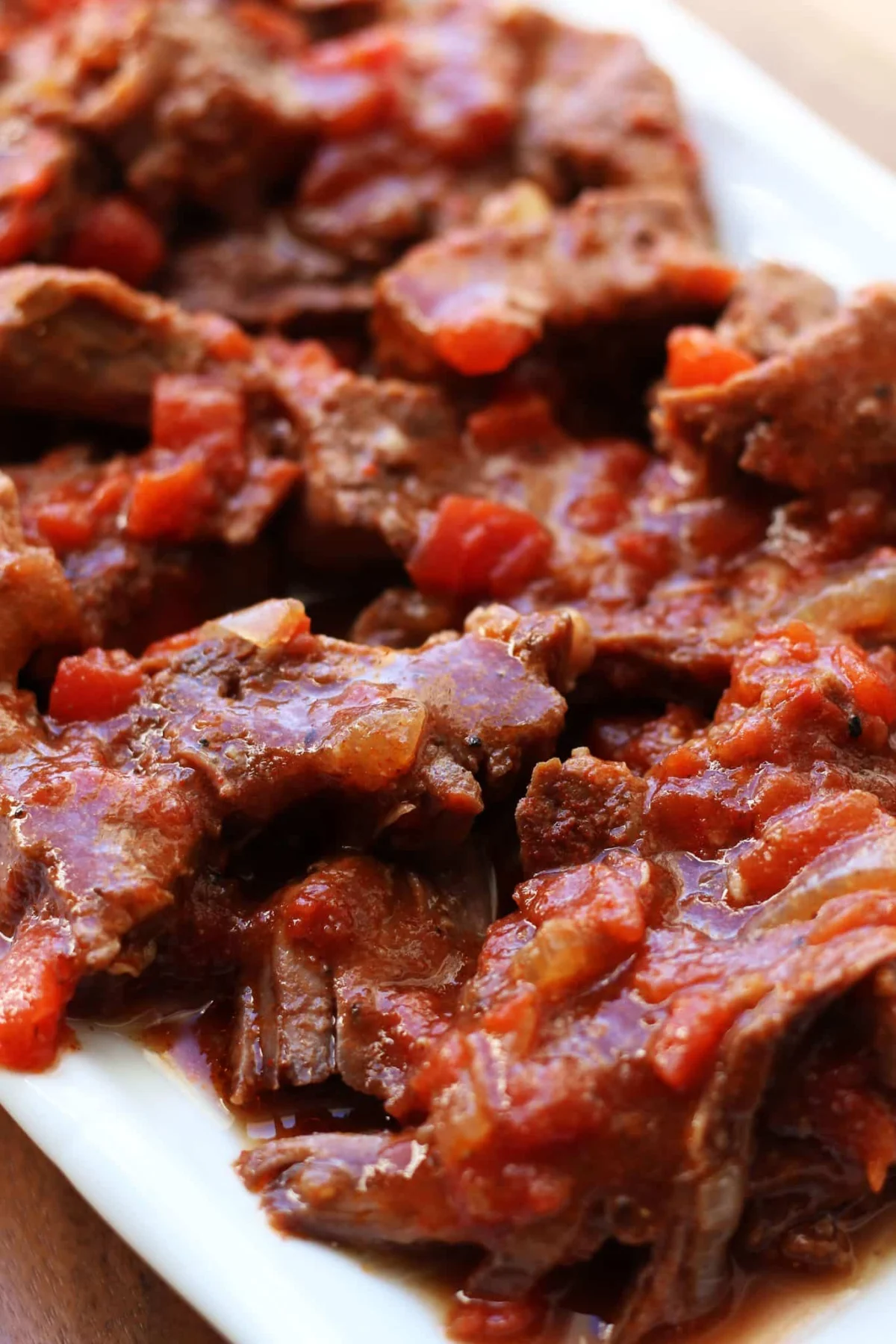
The Evolution of Slow-Cooked Beef in Modern Households
The popularity of slow-cooked beef dishes, such as Tennessee Barbeque Beef, is not merely a matter of taste; it is a response to the increasing demand for high-protein meals that accommodate the busy schedules of modern families. Data from recent home-cooking surveys indicate that nearly 60% of households with children now rely on automated cooking appliances like the slow cooker or the multi-cooker at least twice per week.
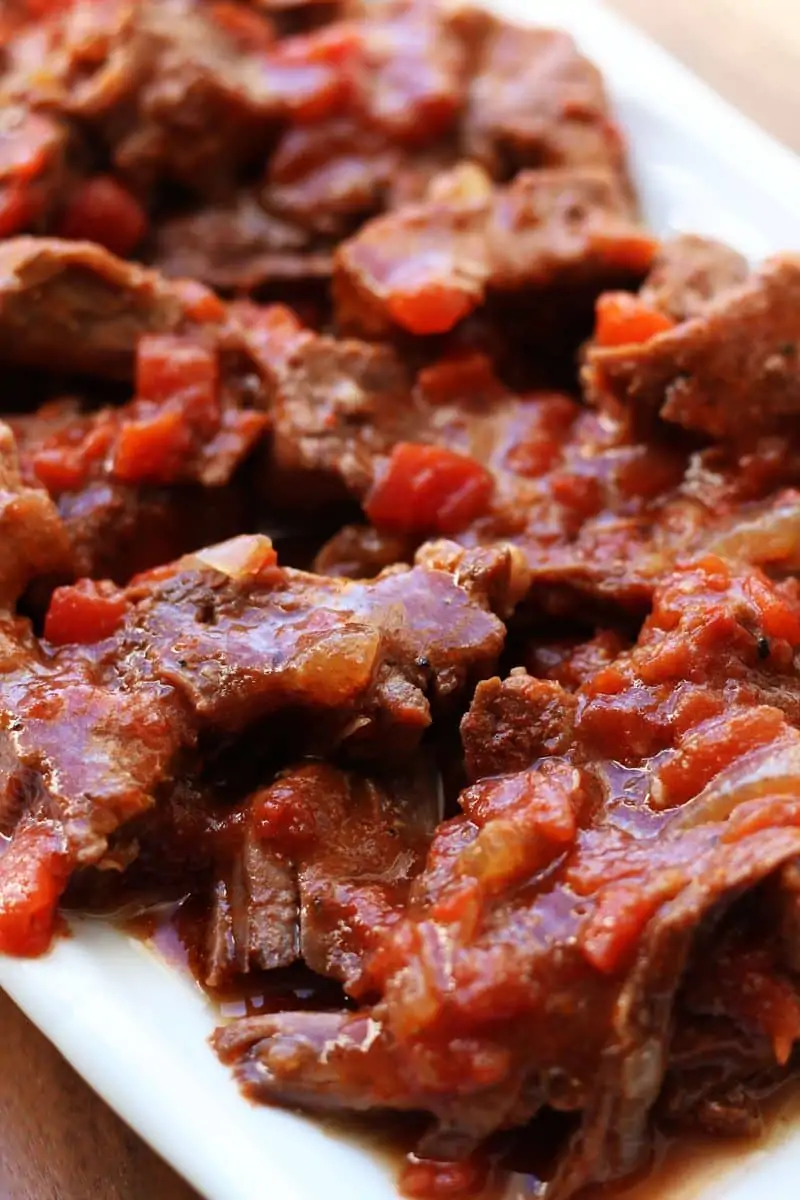
The cut of meat typically utilized for this dish—the chuck steak—is derived from the shoulder area of the bovine. This cut is rich in connective tissue and collagen, which, when subjected to low-heat, moist-environment cooking over an extended duration, undergoes a chemical transformation. The collagen breaks down into gelatin, resulting in a "fall-apart" texture that is highly prized by culinary experts. This process, often referred to as "braising," is a foundational technique in Southern cuisine, historically developed to tenderize less expensive, tougher cuts of meat.
Chronology of Preparation and Culinary Methodology
The preparation of Tennessee Barbeque Beef follows a strict, albeit simple, chronological sequence designed to maximize flavor extraction. The process begins with the integration of raw aromatics and proteins, followed by the systematic layering of dry and wet ingredients.
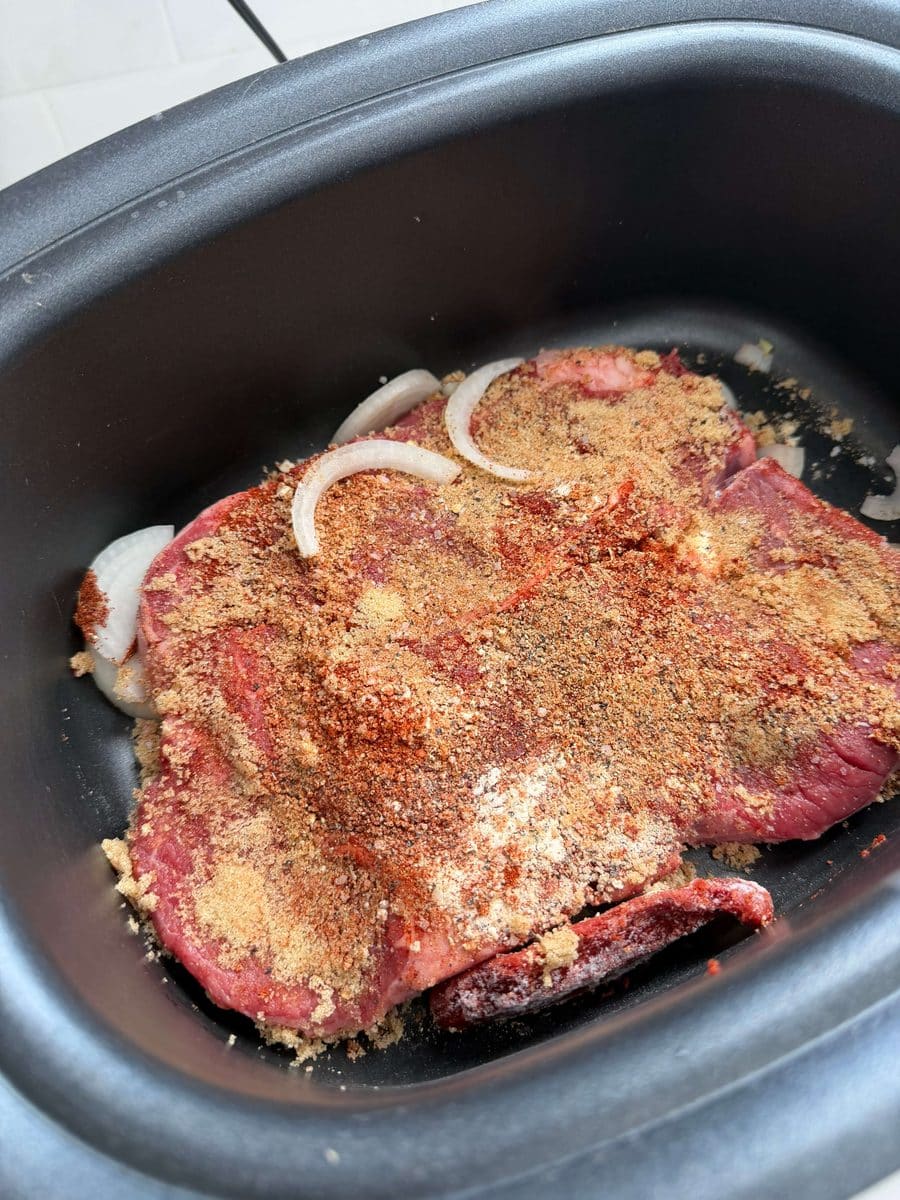
- Initial Seasoning (0:00–0:15): The process initiates with the preparation of the primary protein. By massaging a dry rub consisting of brown sugar, smoked paprika, kosher salt, garlic powder, onion powder, black pepper, chili powder, and dry mustard into the chuck steak, the cook ensures that the seasonings penetrate the fibers of the meat before the cooking cycle begins. The inclusion of brown sugar provides a necessary contrast to the acidity of the tomatoes, balancing the flavor profile.
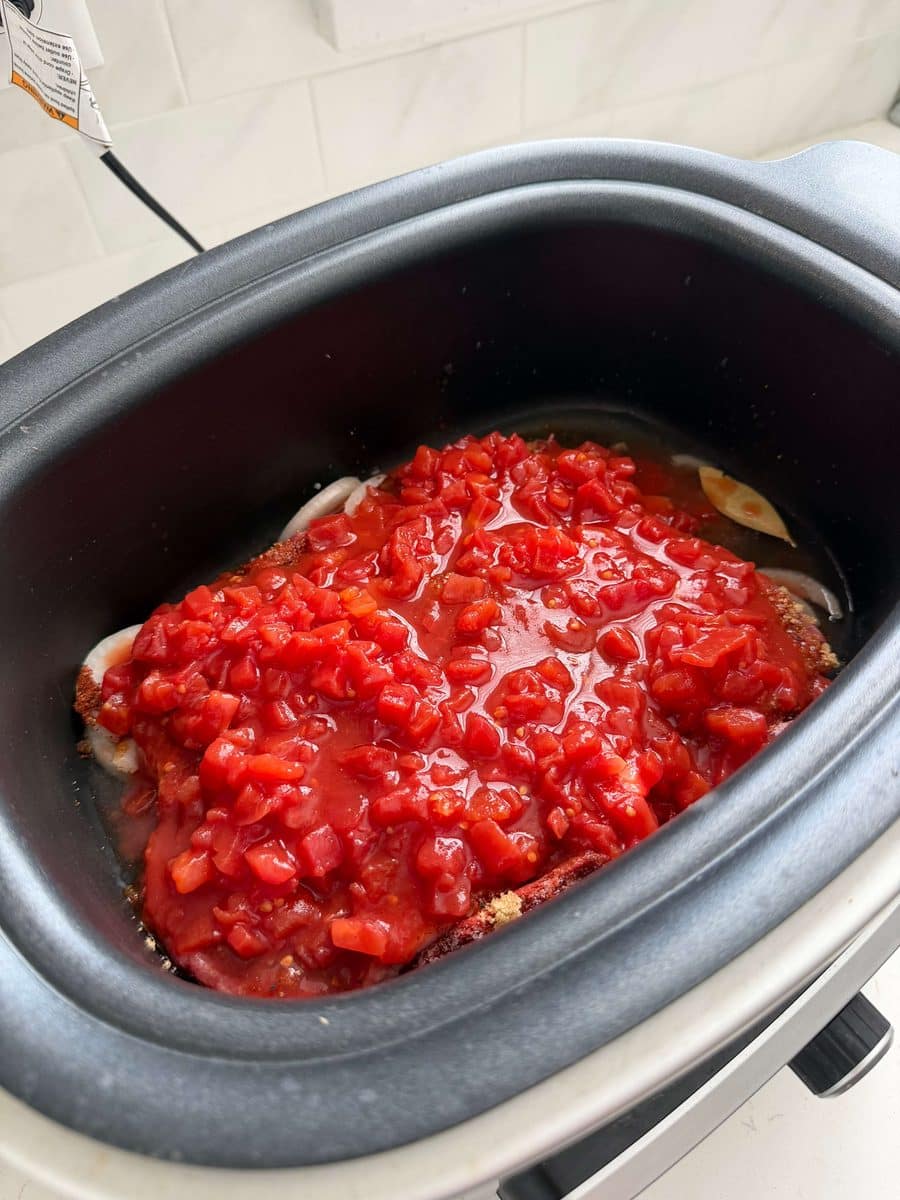
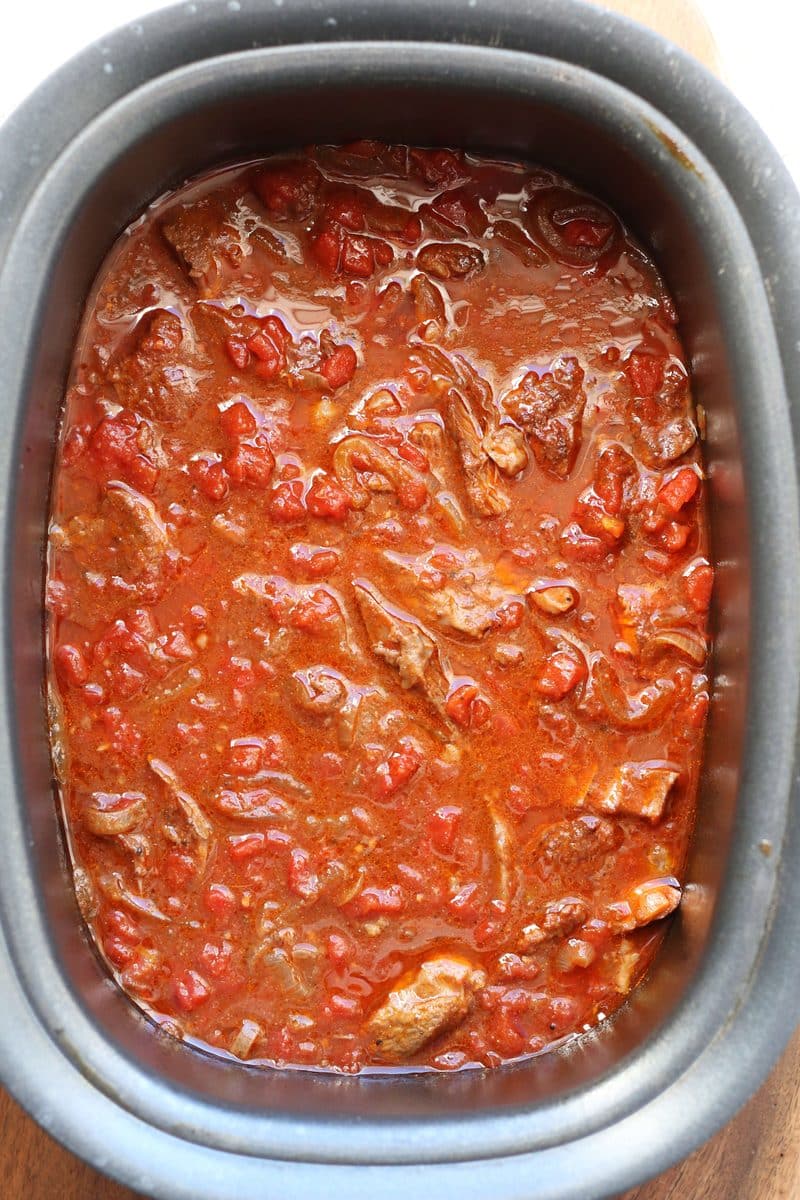
- Layering (0:15–0:25): The beef and sliced onions are placed at the base of the vessel, followed by the addition of crushed or diced tomatoes, tomato paste, beef broth, minced garlic, and a single bay leaf. The tomato paste acts as a thickening agent for the final jus, while the broth provides the essential moisture for the braising environment.
- The Thermal Transformation (0:25–8:25): The cooking phase is the most critical component. When set to the "Low" temperature setting, the dish requires approximately eight hours of continuous heat. This extended duration is essential for the slow denaturation of proteins. Alternatively, a "High" setting may be used for a duration of four hours, though culinary traditionalists often argue that the lower heat setting yields superior tenderness.
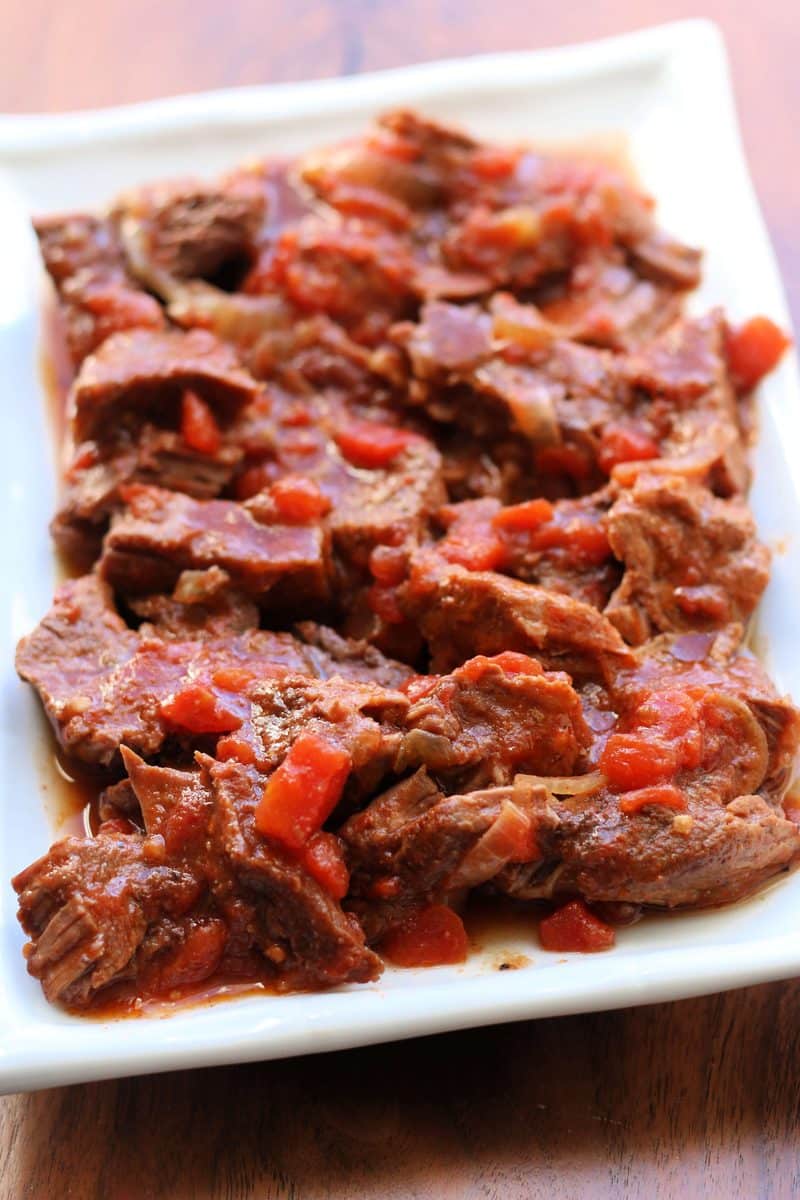
- Finishing (8:25–8:45): Once the cooking cycle is complete, the final step involves the physical manipulation of the meat. Using forks or specialized kitchen tools, the beef is shredded within the cooking liquid, allowing it to absorb the concentrated juices and seasonings before being served over a starch-based foundation, such as mashed potatoes, rice, or pasta.
Nutritional and Economic Analysis
From a nutritional perspective, chuck steak provides significant amounts of Vitamin B12, zinc, and selenium. When prepared in a slow cooker, the method allows for the retention of water-soluble vitamins that might otherwise be lost in high-heat frying or grilling. However, dietitians note that the sodium content, primarily derived from the beef broth and added salt, should be monitored for those with specific dietary restrictions.

Economically, the use of chuck steak is a cost-effective strategy for families. According to retail data, chuck cuts remain significantly more affordable per pound than loin or rib cuts. By utilizing these tougher, more affordable cuts, the home cook is able to produce a meal that rivals the quality of restaurant-grade barbecue while maintaining a lower price point per serving. This "smart shopping" approach has been identified as a key factor in the longevity of slow-cooker recipes in the current inflationary economic environment.
The Role of Aromatics and Spices
The specific spice blend used in Tennessee Barbeque Beef serves both a functional and a flavor-enhancing purpose. Smoked paprika is the defining ingredient, providing the "smoky" element characteristic of Tennessee-style barbecue, which historically relies on hickory or oak wood smoke. The addition of chili powder and dry mustard introduces a subtle heat and tang, respectively, which prevents the dish from becoming one-dimensional. The use of a bay leaf, while often overlooked, is critical for infusing the cooking liquid with a subtle, herbal depth that bridges the gap between the acidity of the tomatoes and the richness of the beef fat.
Implications for the Culinary Industry
The sustained interest in such recipes has spurred significant innovation in the kitchen appliance market. Major manufacturers have reported a 15% increase in the sales of programmable slow cookers over the last three years, suggesting that consumers are increasingly prioritizing "set-and-forget" technology. This trend is further supported by the proliferation of online recipe databases and social media platforms that prioritize high-engagement, simple-to-follow cooking tutorials.

Furthermore, the "Tennessee" designation of this recipe places it within a broader cultural conversation regarding regional American foodways. Tennessee barbecue is traditionally defined by its emphasis on pork, but the adaptation of these flavor profiles to beef chuck demonstrates the flexibility of regional American culinary traditions. This regional fusion reflects a growing trend in home cooking where the techniques of one region are applied to the proteins of another, resulting in a more diverse and adaptable culinary landscape.

Broader Context and Future Trends
As we look toward the future of home cooking, the emphasis on recipes like Tennessee Barbeque Beef is expected to remain consistent. The dish represents a synthesis of traditional patience and modern efficiency. It does not require high-end culinary training, yet it delivers a sophisticated result that satisfies both nutritional and sensory requirements.

Experts in the food industry suggest that as the cost of eating out continues to rise, more consumers will revert to "slow-cooker comfort food" as a means of managing household budgets without sacrificing the quality of their evening meals. The scalability of the recipe—being easily doubled for large gatherings or halved for single-person households—further cements its status as a versatile staple in the American kitchen.

In summary, the Tennessee Barbeque Beef is more than just a simple recipe; it is a reflection of current domestic priorities. It balances the need for affordable, nutritious, and high-quality food with the constraints of contemporary time management. By understanding the chemical processes involved in the slow-cooking method and respecting the traditional spice profiles associated with Southern cuisine, home cooks can continue to produce professional-quality meals that honor the history of the dish while serving the needs of the modern household. Whether served over creamy mashed potatoes, steamed white rice, or al dente noodles, the dish remains a testament to the enduring power of slow, deliberate cooking in an increasingly fast-paced world.
