

The Evolution of Slow-Cooker Gastronomy
The rise of the Crock Pot and its subsequent evolution into the multi-functional Instant Pot has fundamentally altered how domestic kitchens approach long-simmering dishes. Historically, vegetable beef soup required hours of attentive stovetop monitoring to ensure that the beef remained tender and the vegetables maintained their structural integrity. By utilizing low-temperature, consistent heat, the modern slow-cooker method allows for the breakdown of connective tissues in protein sources, resulting in a more refined texture and a deeper infusion of savory notes.

According to recent culinary trends, the preference for "one-pot" meals has increased by approximately 20% over the last five years. This shift is largely attributed to the demands of modern work-life balance, where consumers seek high-quality, homemade nutrition without the extensive labor traditionally associated with scratch cooking. The Crock Pot Vegetable Beef Soup serves as an archetype for this movement, leveraging pantry staples such as canned tomatoes, broth, and high-quality frozen vegetables to create a balanced meal.
Nutritional Profile and Ingredient Selection
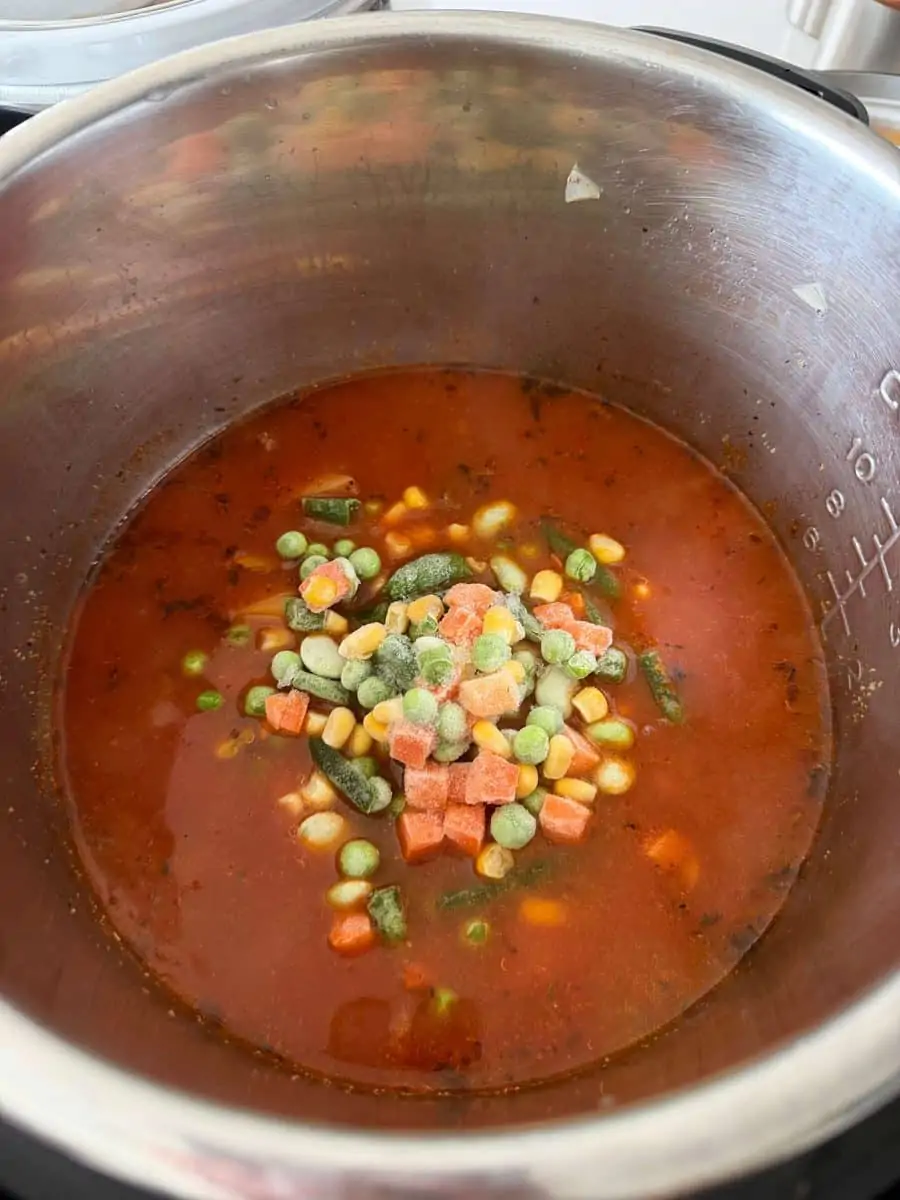
The nutritional efficacy of vegetable beef soup lies in its density of micronutrients. The inclusion of red potatoes provides essential potassium and vitamin C, while the addition of mixed vegetables—typically peas, carrots, corn, and green beans—offers a spectrum of dietary fiber and phytonutrients.

The choice of ground beef as the primary protein source is significant from a cost-benefit analysis perspective. Unlike traditional beef stew, which requires expensive cuts of chuck or round that demand lengthy braising times, ground beef provides immediate protein density and absorbs the surrounding herbaceous broth. Chefs and nutritionists often note that the use of leaner ground beef percentages—typically 90/10 or 95/5—prevents the soup from becoming overly oily, ensuring a cleaner palate for the herbs like thyme and smoked paprika.
Chronology of Preparation
For the home cook, the preparation of this soup is divided into two distinct phases: the initial sear and the slow-simmer infusion.
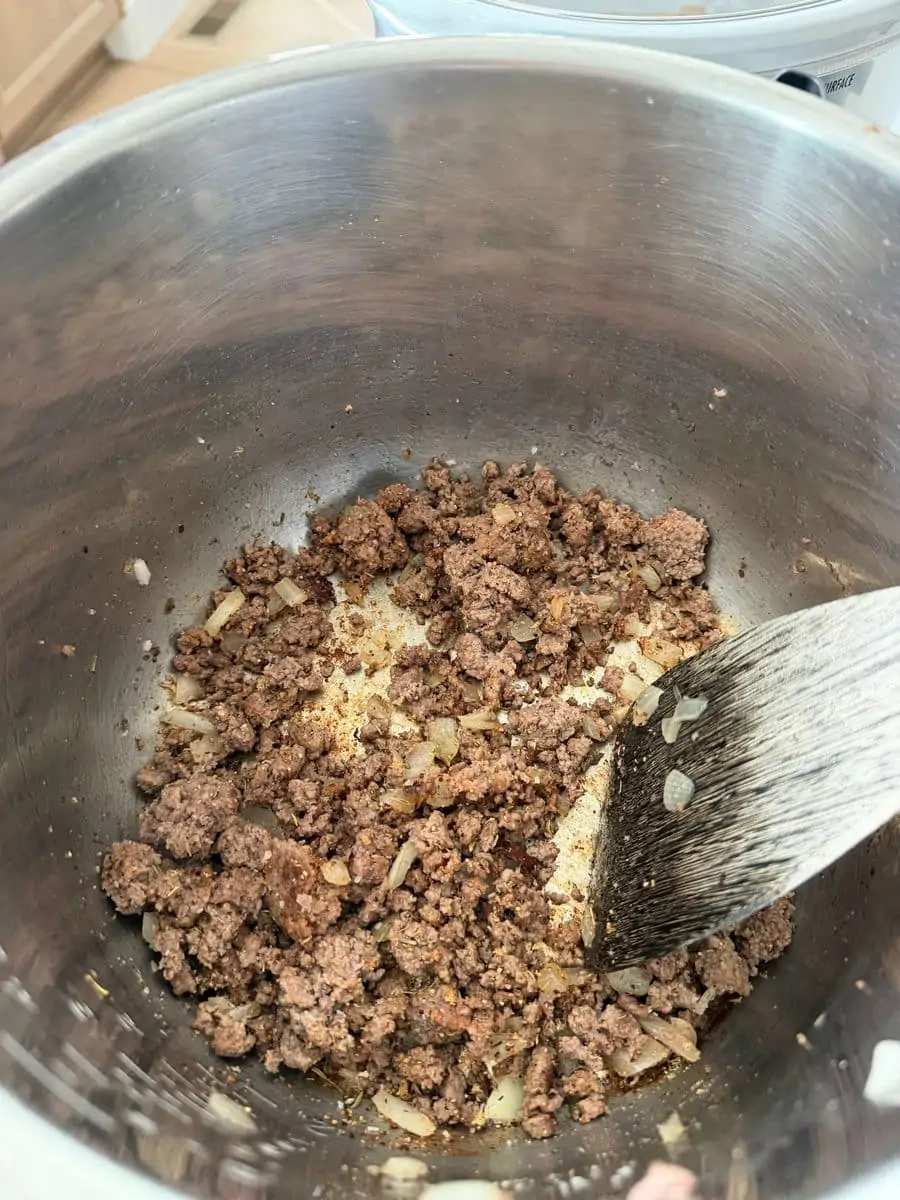
- Phase I: Protein Development: The process begins with browning the ground beef over medium-high heat. This step is essential for the Maillard reaction, a chemical process that creates the complex, savory flavors characteristic of well-prepared beef. The inclusion of onions during this phase allows the aromatics to soften and caramelize, creating a foundational base.
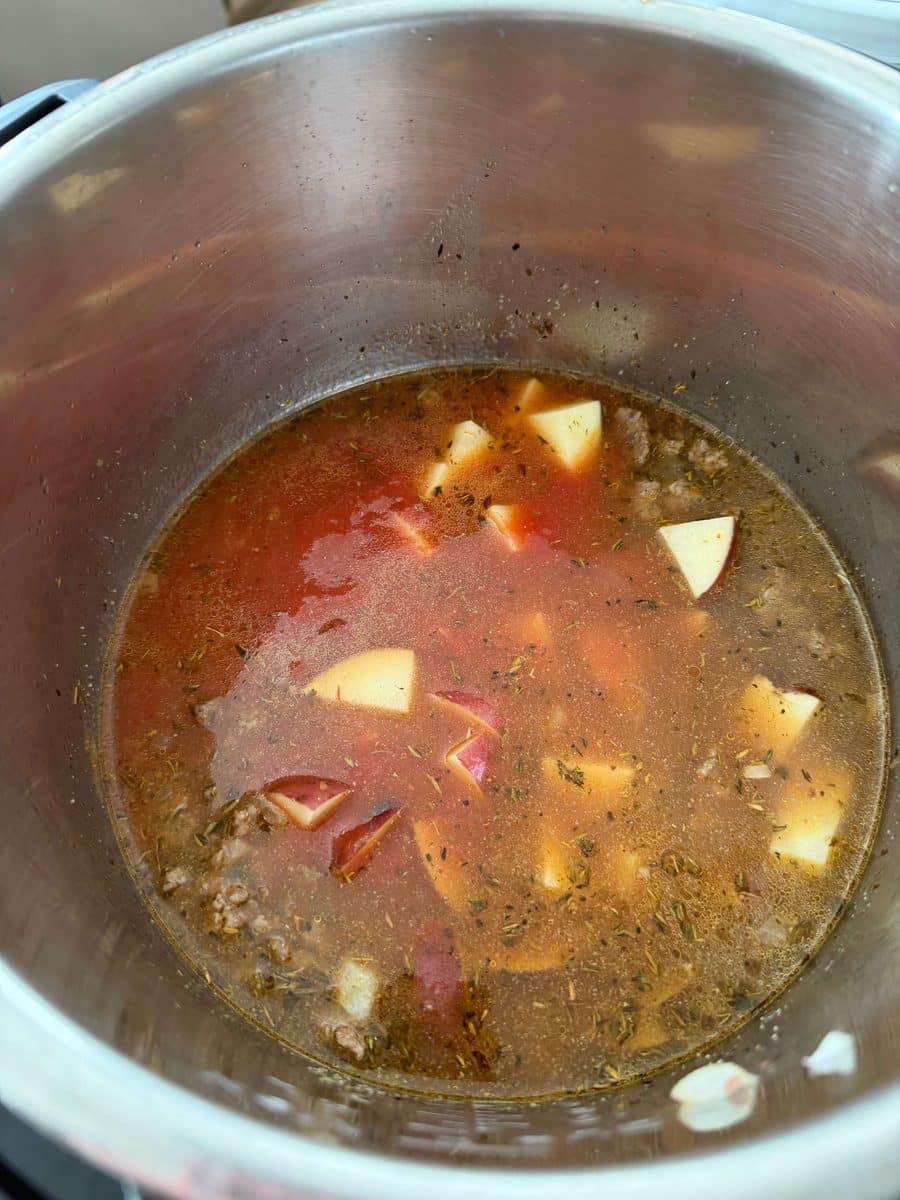
- Phase II: The Infusion: Once the excess fat is drained—a critical step for maintaining the clarity of the broth—the seasonings (salt, pepper, garlic powder, thyme, and smoked paprika) are incorporated. This dry-rub method ensures that the spices are evenly distributed before liquid is introduced.
- Phase III: The Controlled Cook: The transition to the slow cooker or Instant Pot initiates the final phase. In a slow cooker, the mixture is cooked on a low setting for 4 to 6 hours. This timeframe is scientifically calculated to ensure that the starches in the potatoes reach a state of gelatinization without breaking down into a paste.
Supporting Data: The Efficiency of Modern Appliances
Data from consumer electronics analysts indicates that the surge in popularity of programmable pressure cookers has led to a reduction in home energy consumption associated with long-term oven use. While a traditional stovetop simmer might require constant energy output for several hours, the insulated environment of a modern slow cooker or the high-pressure environment of an Instant Pot optimizes heat retention.
For the home chef, this translates to both economic and temporal efficiency. The "dump-and-go" nature of this recipe effectively eliminates the need for constant monitoring, allowing for a 90% reduction in "active" kitchen time compared to traditional methods.
Culinary Implications and Broader Impact
The continued relevance of recipes like Crock Pot Vegetable Beef Soup in the digital age is underscored by the rise of searchable, filterable online databases. As consumers prioritize specific dietary requirements—such as gluten-free, low-carb, or dairy-free options—the ability to adapt a standard recipe to meet these needs has become a hallmark of successful home cooking.
Furthermore, the "leftover economy" of this dish cannot be overstated. From an environmental and household-budget perspective, soups represent one of the most efficient ways to mitigate food waste. Ingredients that might otherwise be discarded, such as the final portions of a bag of frozen vegetables or the last few potatoes in a bin, are perfectly suited for this application. Studies on food waste reduction suggest that soups and stews remain the most effective vehicle for incorporating "near-expiry" produce, thereby extending the utility of a grocery shop by several days.
Expert Perspectives and Culinary Tips
Professional chefs emphasize the importance of seasoning management in long-cook recipes. The inclusion of Worcestershire sauce, for instance, provides a necessary umami depth that elevates the soup from a simple mixture to a sophisticated broth. When utilizing the Instant Pot, experts suggest a quick-release method for the pressure to ensure that the vegetables retain a "fresh-cooked" bite, as opposed to the softer, more integrated texture favored by slow-cooker enthusiasts.
Additionally, the trend toward customizing base recipes reflects a growing culinary autonomy among home cooks. By substituting the traditional vegetable medley with seasonal produce like kale, parsnips, or leeks, the basic framework of the soup is elevated, demonstrating that the recipe is not merely a set of instructions, but a foundational platform for creativity.
Conclusion: A Staple for the Modern Kitchen
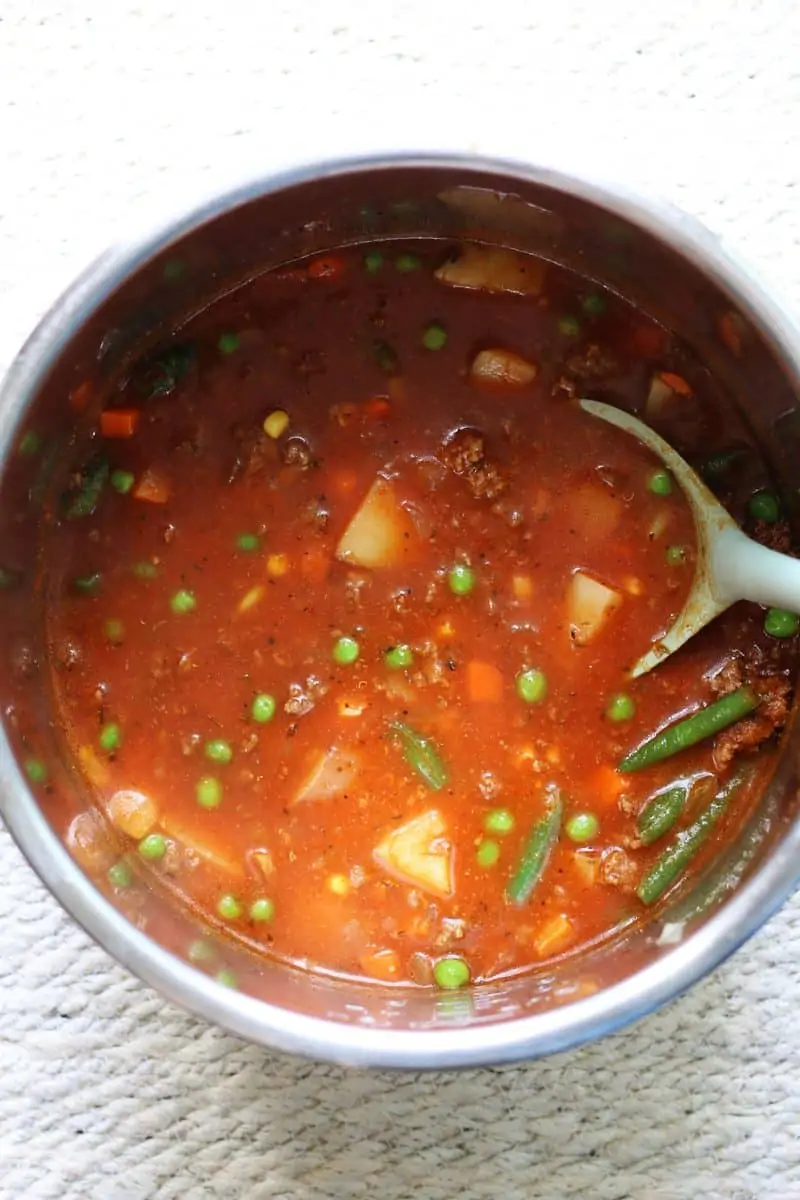
As society continues to navigate the complexities of fast-paced living, the Crock Pot Vegetable Beef Soup stands as a testament to the endurance of traditional comfort food in a modern context. It provides a bridge between the necessity for rapid, efficient meal preparation and the human desire for warm, nourishing, and flavorful food. Whether executed in a slow cooker to allow for a gradual melding of flavors or in an Instant Pot for immediate consumption, the dish remains a reliable, nutrient-rich option for families and individuals alike.
The success of this recipe lies in its simplicity. By relying on basic chemical reactions—the browning of meat, the infusion of aromatics, and the slow, consistent heat of the vessel—it achieves a culinary result that belies its ease of preparation. As we look toward future trends in home dining, it is likely that such recipes will continue to evolve, incorporating new ingredients and technologies, yet retaining the core essence of what makes a simple vegetable beef soup a timeless classic.
