
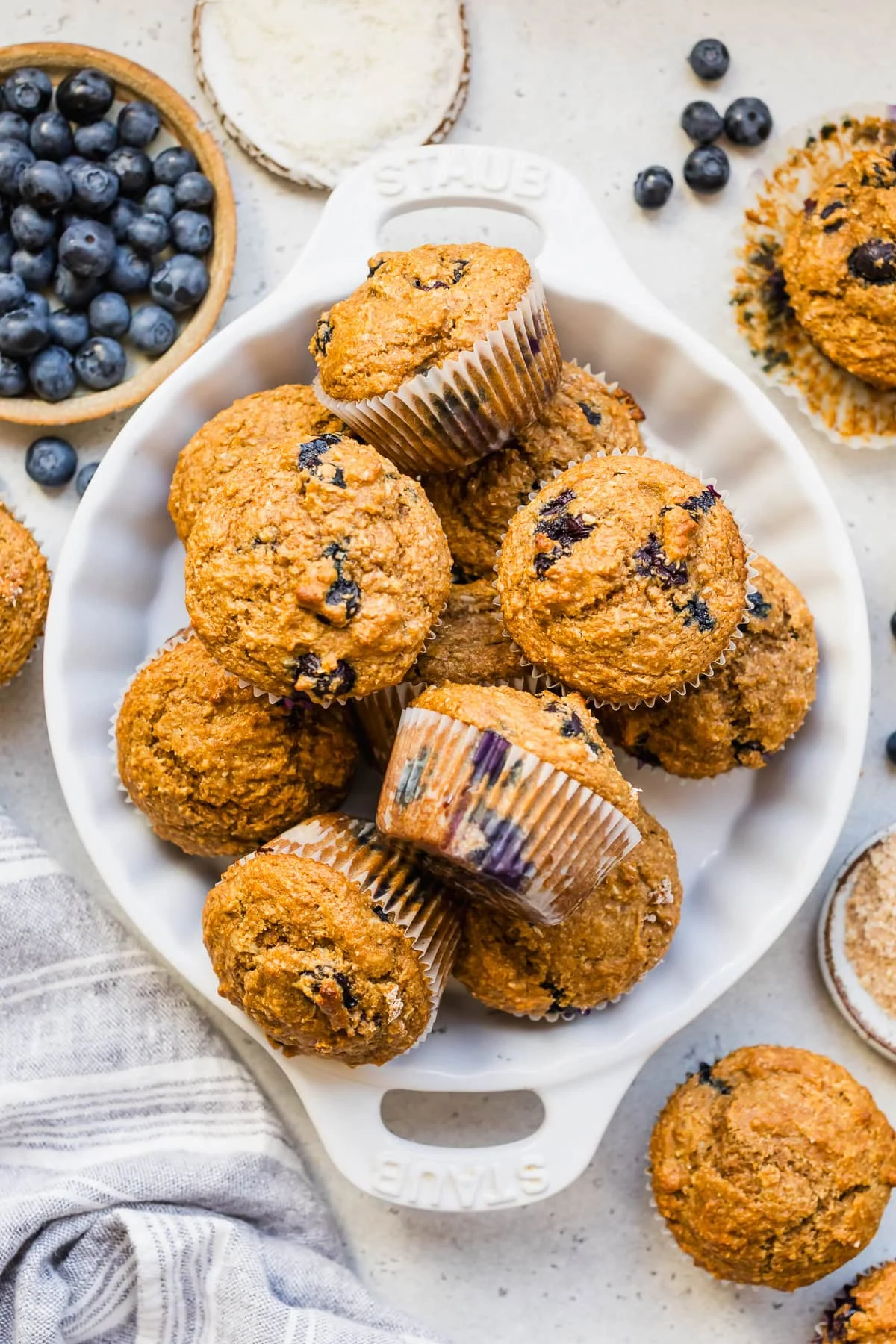
The evolution of breakfast consumption in North America has shifted significantly over the past several decades, moving from traditional sit-down meals to convenient, nutrient-dense options that can be consumed on the go. Among these, the bran muffin—a staple of mid-century luncheonettes and diners—has undergone a culinary transformation to meet modern dietary standards. By incorporating ingredients like fresh blueberries, coconut, and natural sweeteners such as honey, bakers are successfully reintroducing fiber-rich bran into contemporary diets while shedding the reputation of these muffins as overly dense or flavorless.
Historical Context and the Evolution of the Bran Muffin
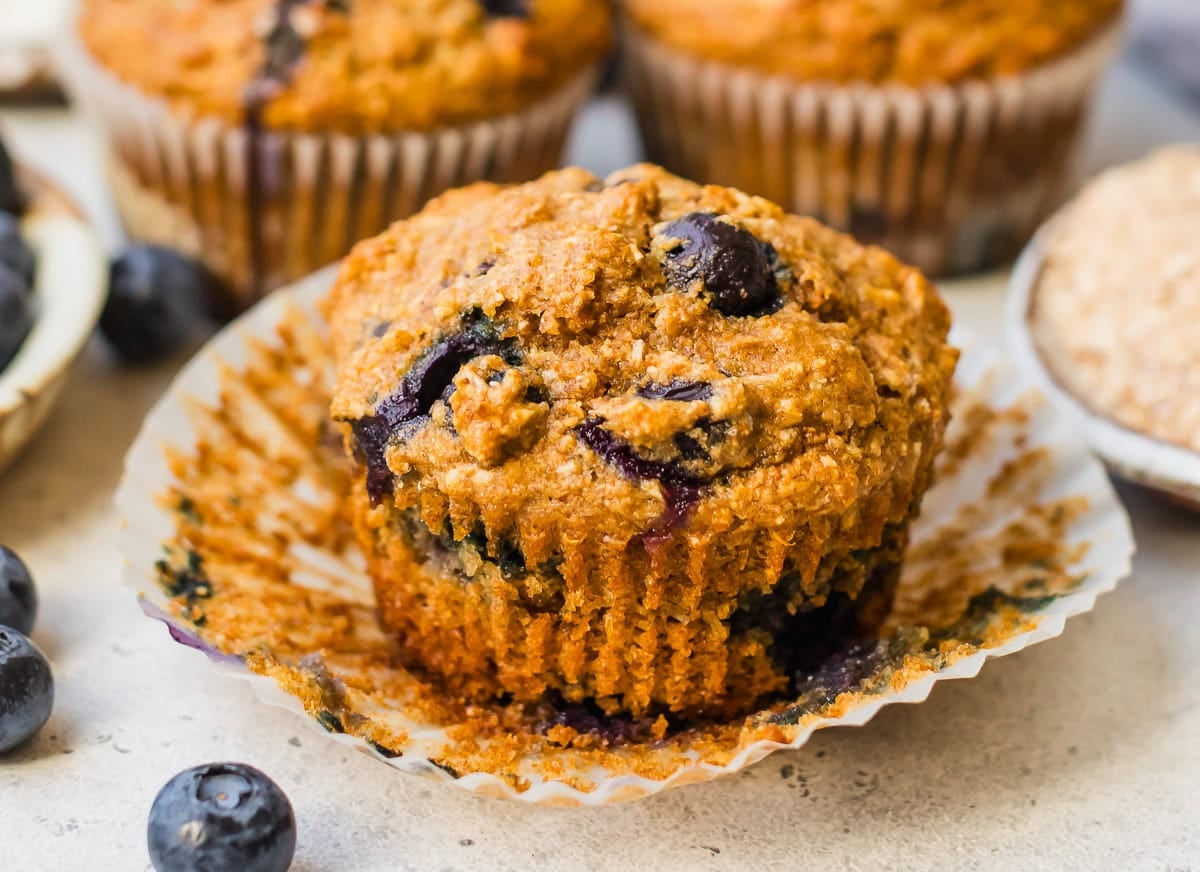
The bran muffin historically served a utilitarian purpose: providing high fiber and sustained energy to laborers and commuters. In the mid-20th century, these muffins were a fixture in local diners, often toasted on a flat-top griddle and served with butter or preserves. As consumer awareness regarding nutrition increased in the 1990s and 2000s, the reputation of the bran muffin fluctuated. Critics often cited high sugar content and the use of heavy fats as deterrents, leading to a decline in their popularity in favor of trendier, refined-flour pastries.
However, the current culinary movement toward "lighter" baking has seen a resurgence in the popularity of fiber-forward recipes. Modern iterations, such as the blueberry-infused variety, utilize functional ingredients to maintain moisture and flavor without relying on high concentrations of butter or processed oils. The inclusion of applesauce as a fat substitute has become a standard industry practice, allowing for a reduction in caloric density while preserving the structural integrity of the muffin.
Nutritional Profile and Dietary Implications
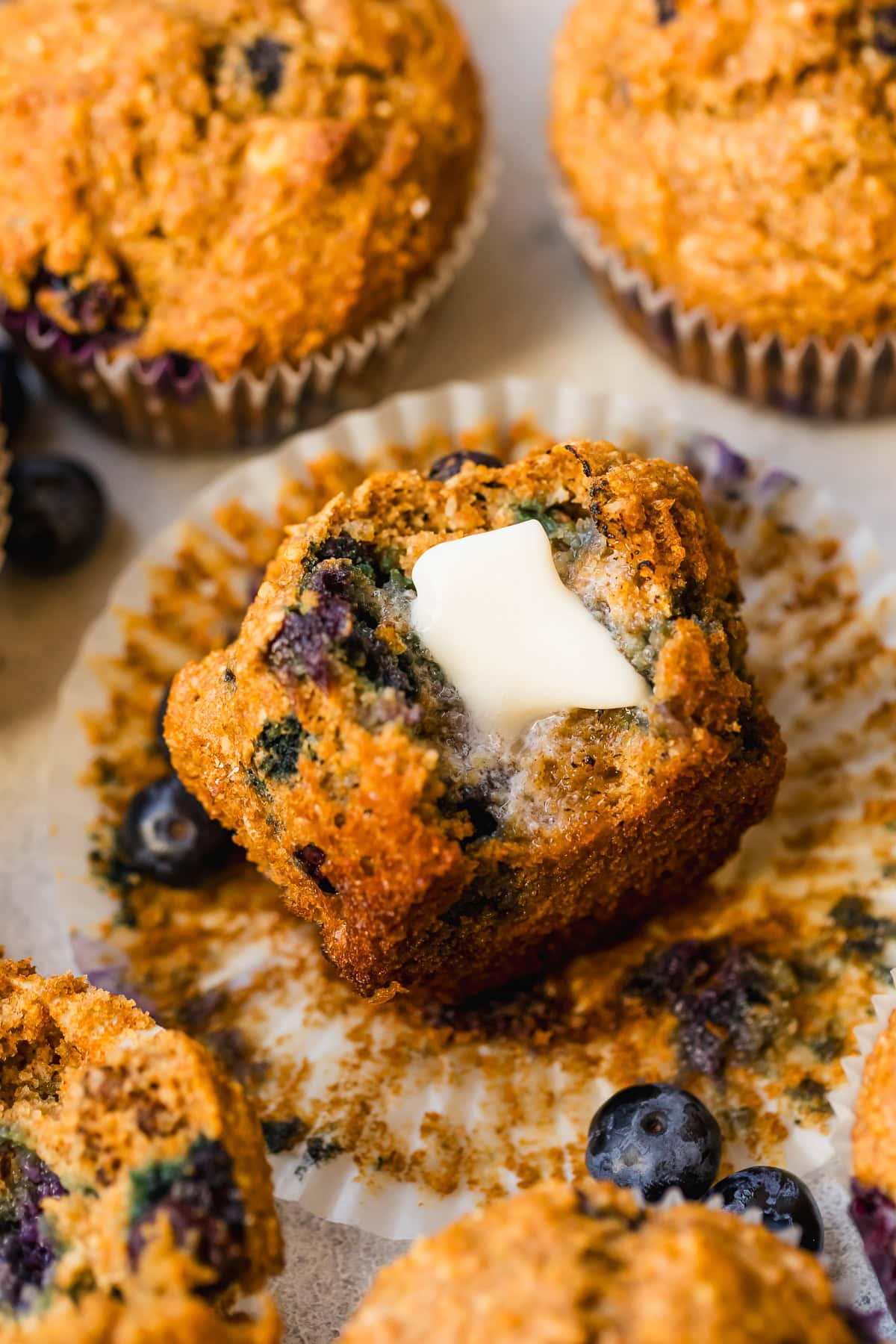
For health-conscious consumers, the nutritional composition of baked goods is a primary driver of purchase and preparation decisions. A standard, professionally formulated blueberry bran muffin typically offers approximately 140 to 150 calories per serving. The primary health benefit of this specific muffin variety is its fiber content, typically hovering around 3 grams per serving. Fiber is essential for digestive health and blood sugar regulation, making bran an ideal base for a morning meal.
Data from recent food science reports indicate that the substitution of refined fats with fruit-based purees, such as applesauce, can reduce the saturated fat content of a standard muffin by up to 60 percent. Furthermore, the use of honey as a sweetener provides a lower glycemic index impact compared to refined white sugar. The addition of fresh blueberries introduces antioxidants, specifically anthocyanins, which have been linked to improved cardiovascular health and cognitive function.

Preparation Methodology and Culinary Best Practices
The process of preparing high-quality bran muffins requires a balance between hydration and structural stability. Because bran is highly absorbent, the ratio of wet-to-dry ingredients is critical. Professionals recommend a multi-step mixing process:
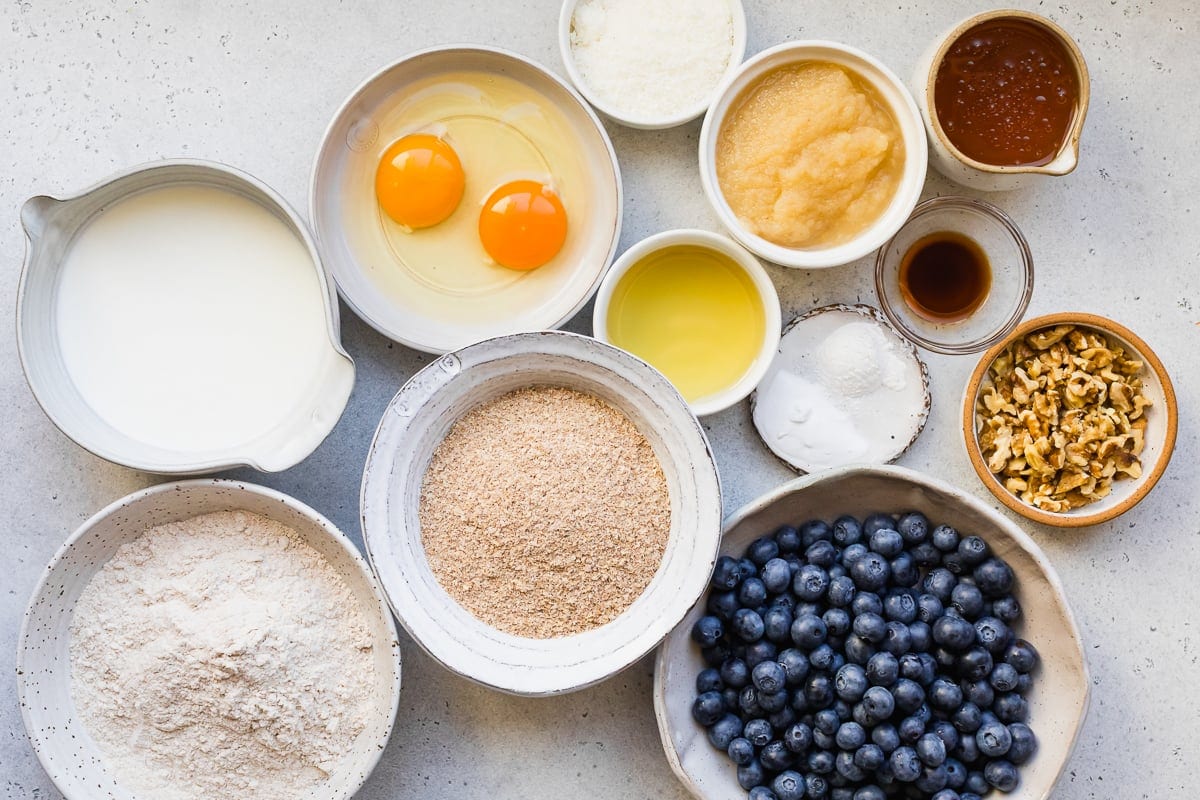
- Hydration: Ensuring the bran is properly hydrated by the wet ingredients—which include eggs, applesauce, a small amount of coconut oil, and honey—is the most vital step. This prevents the finished product from becoming excessively dry or crumbly.
- Incorporation of Aromatics: The addition of coconut flakes provides a textural contrast and a subtle natural sweetness, which complements the tartness of the fresh blueberries.
- Baking Precision: A standard bake time of 18 to 20 minutes at a moderate temperature ensures the muffin is cooked through while maintaining a moist interior. Over-baking is the most common error, often resulting in a dry, unpalatable texture.
For home bakers and commercial kitchens alike, the ability to freeze batches for future use has made the bran muffin a staple of the "meal prep" movement. These muffins retain their quality for up to a month when stored in airtight, freezer-safe containers, providing a shelf-stable solution for busy mornings.
Market Trends in Home Baking
The current trend in home baking is heavily influenced by the desire for "clean label" ingredients. Consumers are increasingly scrutinizing labels for artificial preservatives, trans fats, and high-fructose corn syrup. Consequently, recipes that emphasize whole-grain components, such as bran, are seeing a significant uptick in interest.
Market analysts note that the "muffin category" is experiencing growth within the healthy snacks sector. This is driven by the rise of flexible, work-from-home schedules that allow individuals to spend more time on morning food preparation. Unlike previous decades, where store-bought pastries were the norm, the modern consumer is more likely to prioritize scratch-made items where they can control the ingredient list, including the quality of the honey and the freshness of the berries.

Broader Impact and Future Outlook
The resurgence of the bran muffin is indicative of a broader shift in consumer behavior: the "rebranding" of traditional health foods. By elevating a historically "bland" item with gourmet additions like coconut and fresh fruit, the culinary industry has demonstrated that health-conscious choices need not sacrifice taste.
Furthermore, the emphasis on versatility—such as the ability to adapt the recipe for gluten-free or dairy-free needs—highlights the industry’s response to the growing prevalence of food sensitivities. As the market continues to prioritize gut health and fiber-rich diets, the humble bran muffin is likely to remain a permanent fixture in the kitchens of those seeking a balanced start to the day.
Conclusion
The blueberry bran muffin represents the successful intersection of tradition and modern nutritional science. By focusing on ingredient quality—replacing heavy fats with fruit purees and relying on natural sweeteners—bakers have managed to preserve a classic breakfast staple while making it relevant for a contemporary audience. Whether viewed through the lens of meal prep efficiency or health-conscious living, this recipe serves as a template for how traditional foods can be adapted to meet the evolving requirements of the modern consumer. As interest in fiber-rich, nutrient-dense breakfasts continues to climb, the blueberry bran muffin will likely continue to evolve, incorporating new superfoods and techniques to sustain its place as a reliable and healthy morning option.
