
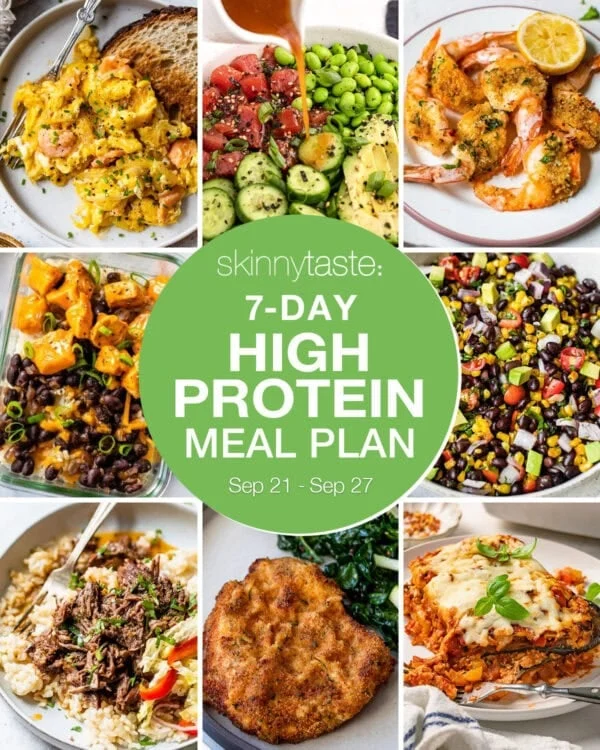
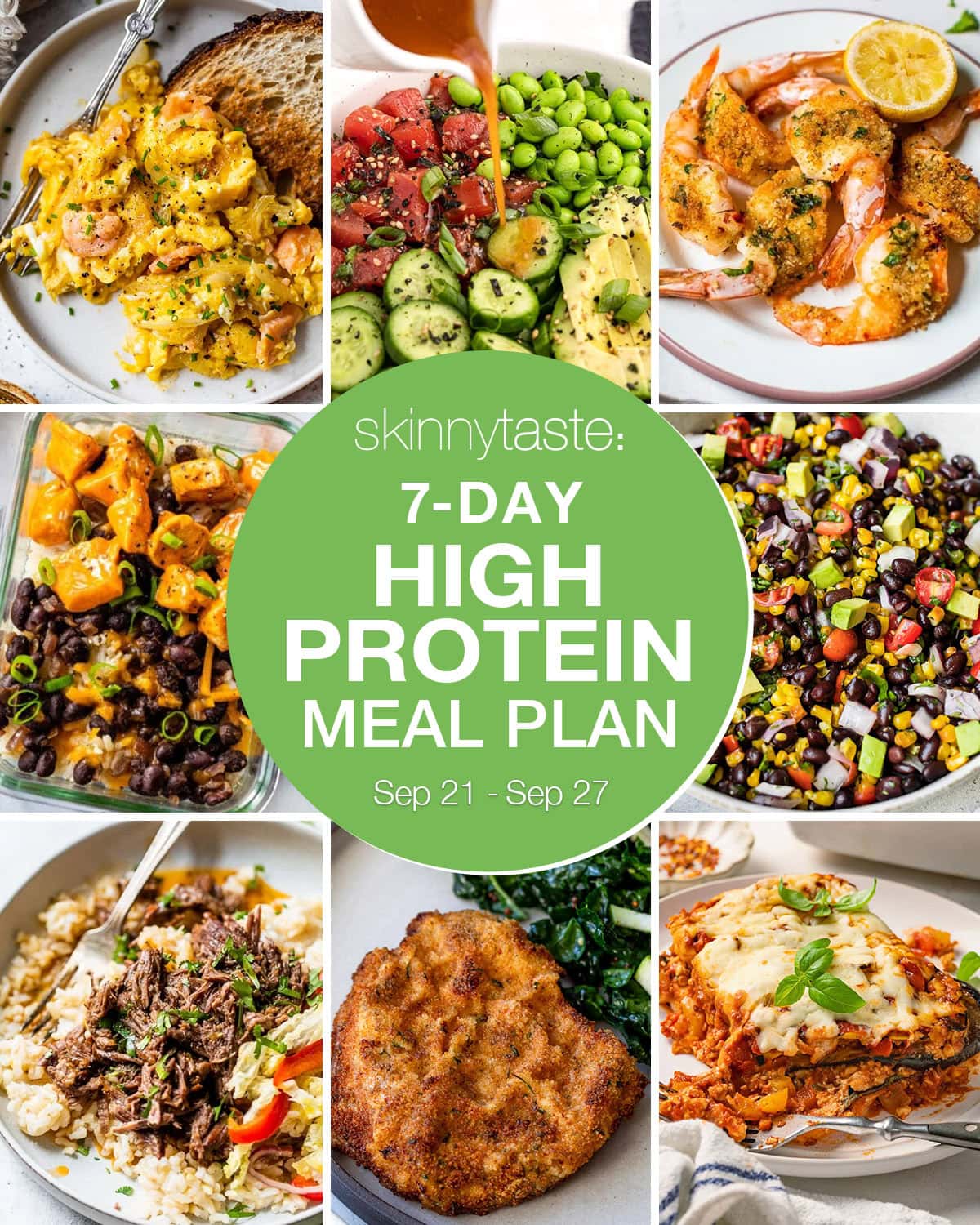
The transition into the autumn season often coincides with a shift in dietary habits, as consumers pivot from lighter summer fare toward more substantial, warming meals. Recognizing this seasonal shift, recent nutritional guidance has emphasized the importance of high-protein intake to support muscle maintenance, metabolic health, and sustained satiety. A newly released 7-day high-protein meal plan provides a comprehensive framework for individuals seeking to optimize their protein consumption through structured breakfast, lunch, and dinner selections, complete with integrated grocery lists and macro-nutrient tracking.
The Nutritional Science Behind Protein Optimization
The physiological benefits of maintaining a high-protein diet are well-documented in nutritional science. Protein serves as the primary building block for muscle tissue, enzymes, and hormones. Research indicates that increasing protein intake—typically targeting 25 to 30 grams per meal—can enhance thermogenesis and improve glycemic control. By stabilizing blood sugar levels, a protein-dense diet helps mitigate the frequency of mid-day cravings, often associated with refined carbohydrate consumption.
For many, the challenge lies not in the desire for high-protein meals, but in the logistics of consistent planning. This current meal plan addresses that barrier by mapping out daily caloric and protein targets. For an individual aiming for a 120-gram daily protein goal, the strategy involves a balanced distribution: 30 grams per main meal, supplemented by 10 to 30 grams during snack intervals. This structure is intended to prevent the "energy crashes" that frequently occur when protein intake is backloaded into a single evening meal.
Seasonal Integration and Meal Preparation
As temperatures decline, culinary preferences naturally gravitate toward "soup season." Slow-cooker methodology has emerged as a cornerstone of this seasonal transition, offering a time-efficient solution for busy households. Dishes such as Sancocho, a traditional stew, and classic beef-barley combinations are being highlighted for their ability to deliver high-protein content while providing the warmth and comfort associated with fall dining.
The logistics of this 7-day plan are designed for a household of four for dinner, while breakfasts and lunches are scaled for individual consumption. This approach acknowledges the reality of modern work-week schedules, where efficiency is paramount. By providing a consolidated shopping list, the plan reduces the cognitive load associated with meal prep, a critical factor in long-term dietary adherence.
Developments in Weight Management Frameworks
A significant development for individuals participating in Weight Watchers (WW) programs is the recent update to the organization’s list of zero-point foods. The inclusion of staples like oatmeal into the zero-point category represents a shift toward more flexible, fiber-rich dietary guidelines.
This change necessitates an ongoing update of historical recipe databases. Currently, recipe platforms are in the process of recalibrating their archives, with the majority of content from 2018 through 2025 already aligned with the updated points system. To ensure accuracy, users are encouraged to utilize integrated mobile applications, which allow for real-time recalculation of points based on current nutritional data. This digital integration is increasingly viewed as a necessary tool for those managing chronic health conditions or seeking to maintain specific body composition goals.

Clinical Considerations and Professional Oversight
While high-protein diets offer substantial benefits, they are not universally appropriate. Clinical nutritionists emphasize that individuals with pre-existing conditions—specifically those involving renal or hepatic function—must exercise caution. Chronic Kidney Disease (CKD), gout, and certain metabolic disorders require strict protein management to prevent the accumulation of nitrogenous waste products.
Before initiating a significant increase in protein intake, individuals are advised to consult with a registered dietitian or a primary healthcare provider. The standard recommendation of 1,500 calories per day is a generalized baseline; however, actual requirements fluctuate significantly based on age, metabolic rate, activity level, and lean muscle mass. Online calculators, such as those provided by the USDA’s MyPlate initiative, can offer a starting point for determining individual caloric needs, but they should not replace professional medical advice.
Macro-Nutrient Tracking and Behavioral Sustainability
The adoption of a structured meal plan serves as a behavioral intervention. By removing the daily "decision fatigue" associated with grocery shopping and meal selection, participants are more likely to achieve long-term dietary consistency. The inclusion of "wiggle room" within the plan—allowing for snacks, beverages, and social dining—acknowledges the psychological aspect of sustainable eating.
The integration of tools like physical meal planners also supports this behavioral change. The use of journals for tracking gratitude, intentions, and meal grids reinforces the mind-body connection in nutrition. Community-based support, such as digital forums and social media groups, further aids in this process by providing a platform for accountability and the exchange of practical cooking tips.
Economic and Practical Implications
The logistical burden of healthy eating is a frequent subject of economic study. High-protein diets can be perceived as cost-prohibitive, but strategic planning—such as utilizing seasonal produce and bulk-buying shelf-stable proteins—can normalize costs. The provided shopping list serves as an economic tool, allowing for efficient allocation of grocery budgets and reducing food waste through the repurposing of leftovers.
For instance, the plan encourages the use of dinner leftovers for the following day’s lunch. This practice not only saves time but also serves as a cost-containment strategy. As inflation impacts food prices, the ability to maximize the utility of every ingredient purchased has become a central tenet of modern meal planning.
Looking Ahead: The Future of Nutritional Guidance
The industry is currently witnessing a surge in interest regarding specialized, high-protein culinary resources. As demand for evidence-based, high-protein content grows, professional chefs and nutritionists are collaborating to produce literature that balances clinical efficacy with palatability. This evolution in cookbook and meal-planning content suggests a move away from restrictive, low-calorie dieting toward a model of "nutritional abundance," where the focus is on the quality and density of macronutrients rather than simple caloric reduction.
In conclusion, the movement toward high-protein, seasonally-aware meal planning represents a shift toward more informed consumer behavior. By synthesizing medical research, practical culinary skills, and digital tools, individuals are better positioned to meet their health goals. However, the success of such plans remains contingent upon personalized adjustment and, where necessary, medical supervision to ensure safety and long-term sustainability. As the transition to the cooler months continues, the adoption of such structured nutritional approaches provides a reliable pathway for maintaining health and wellness through the changing seasons.
