
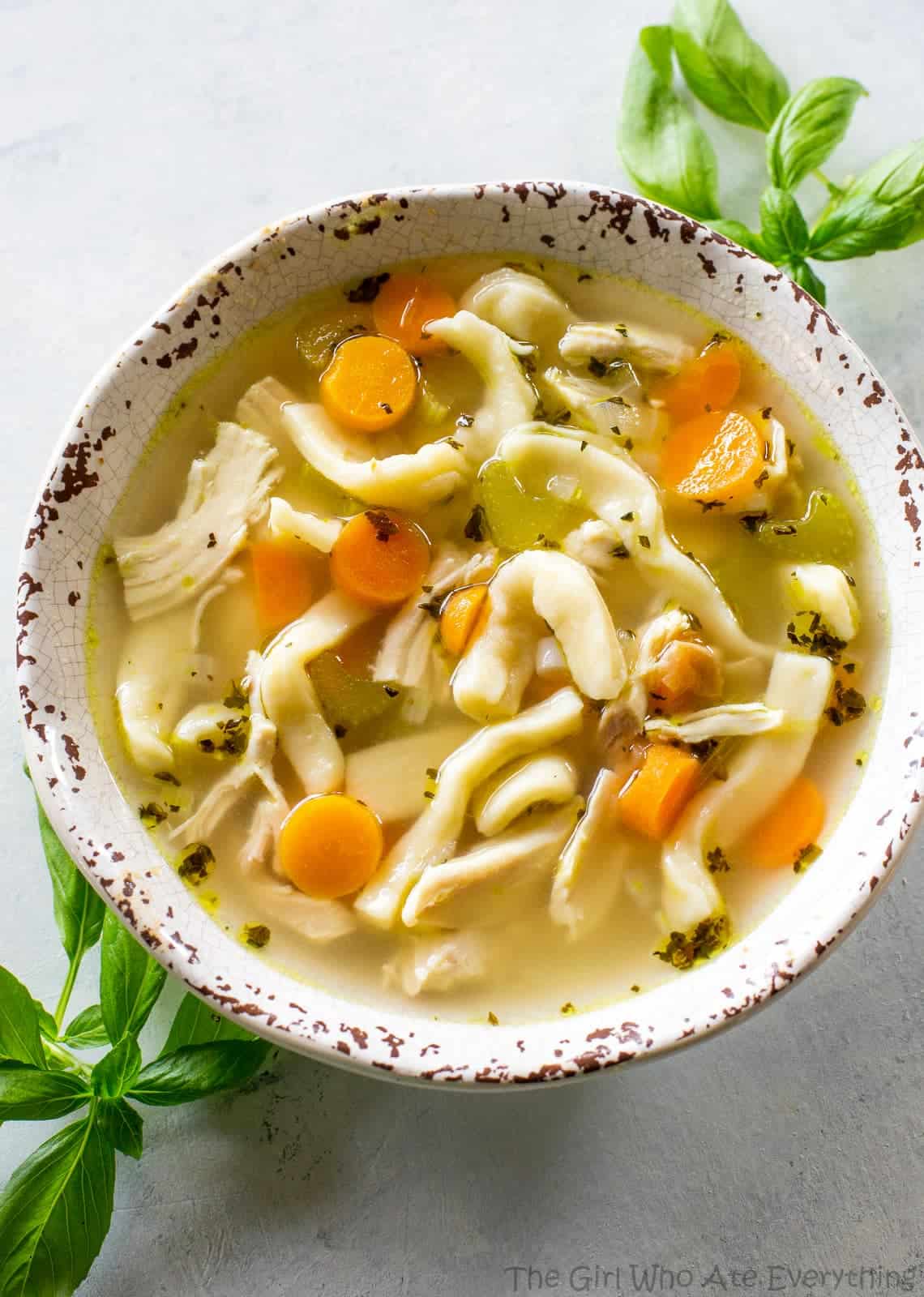
The culinary tradition of chicken noodle soup is a staple of domestic kitchens, often associated with seasonal transitions and the onset of colder weather. While modern convenience often relies on pre-packaged, shelf-stable ingredients, there is a renewed focus on the preparation of the dish from scratch, particularly regarding the incorporation of handmade noodles. This classic comfort food utilizes basic root vegetables, poultry, and stock to create a nutritionally balanced meal that has served as a cultural fixture for generations.
Historical Context and Culinary Significance
Chicken soup has been documented in various forms for centuries, with its modern iteration in the United States gaining significant popularity during the mid-20th century. Historically, the dish was regarded as a restorative tonic, particularly during the influenza outbreaks of the early 1900s. The combination of hydration from the broth, electrolytes from the salt content, and easily digestible protein from the chicken provided a dietary foundation for those recovering from illness.
The evolution of the recipe has seen a transition from long-simmering whole bird stocks to the utilization of commercial bouillon and quick-cooking components. However, culinary historians note that the "from-scratch" approach remains the gold standard for nutritional density, as it allows for the control of sodium levels and the preservation of micronutrients in the vegetables.
The Methodology of Preparation
The construction of a traditional chicken noodle soup involves a three-tiered process: the creation of a flavor base (mirepoix), the development of the protein-rich stock, and the integration of the starch component.
The mirepoix—a fundamental culinary mixture of diced carrots, celery, and onions—serves as the aromatic foundation. When sautéed, these vegetables release sugars and essential oils that define the flavor profile of the broth. The subsequent addition of chicken, typically poached or shredded, provides the necessary amino acids.
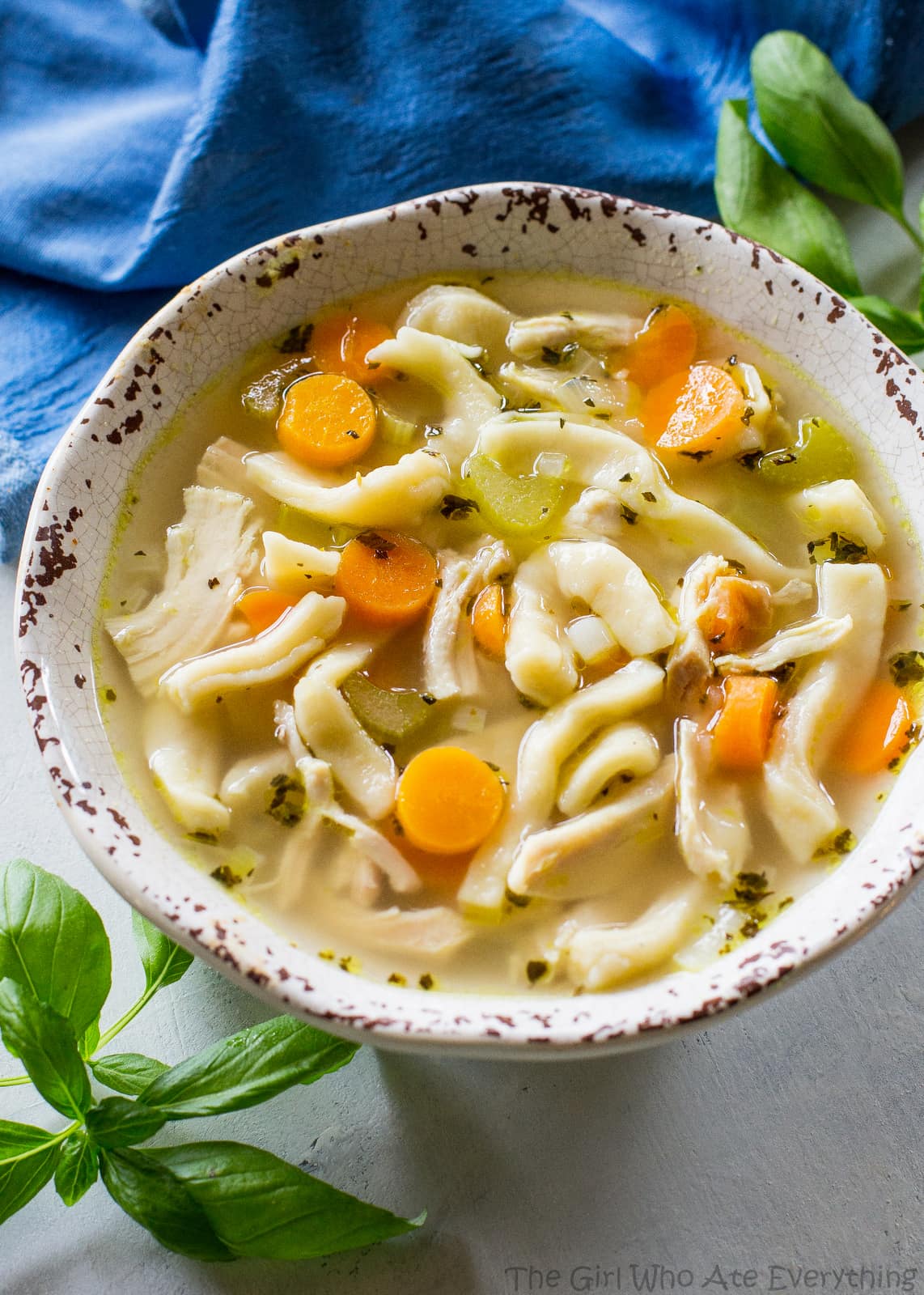
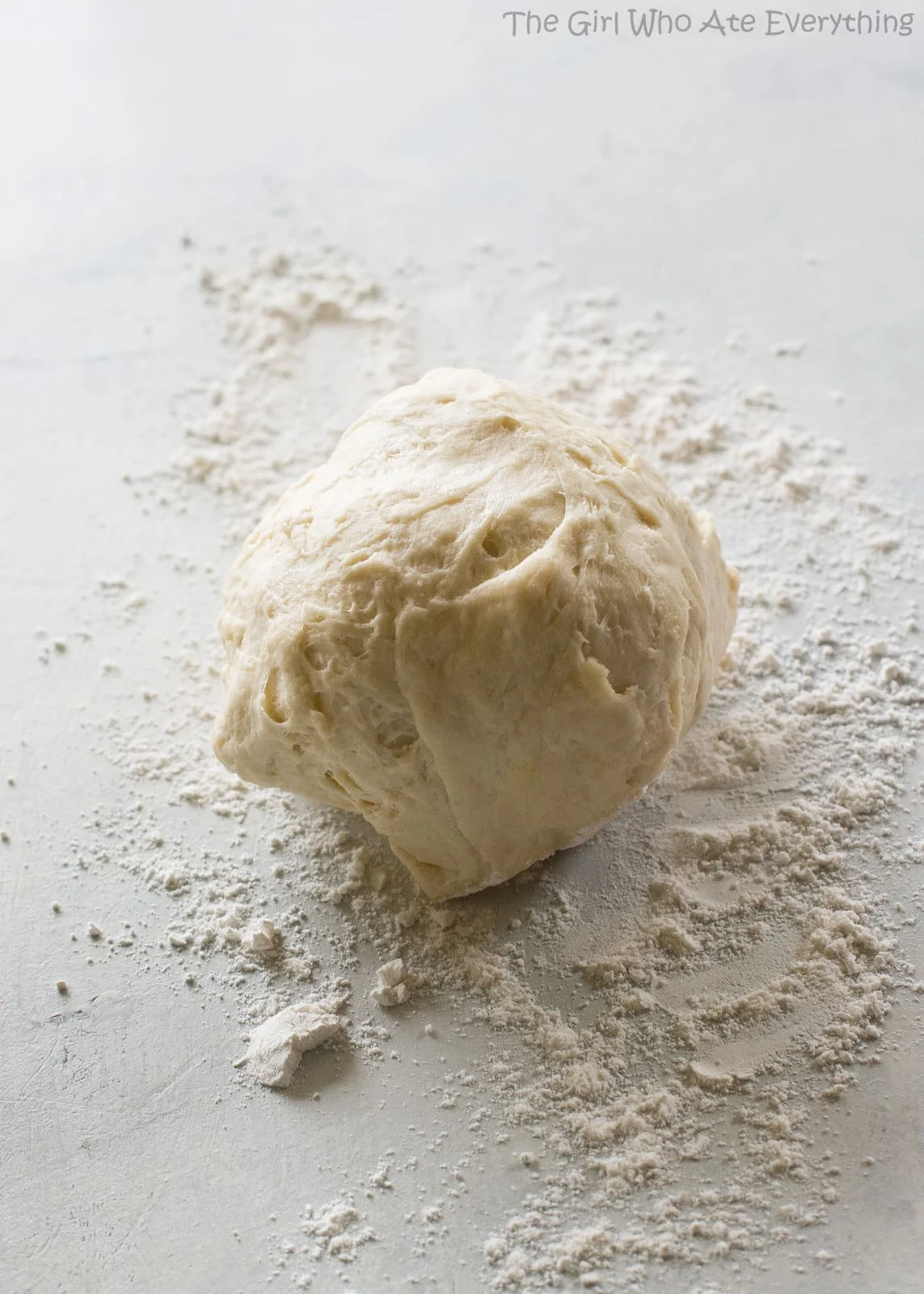
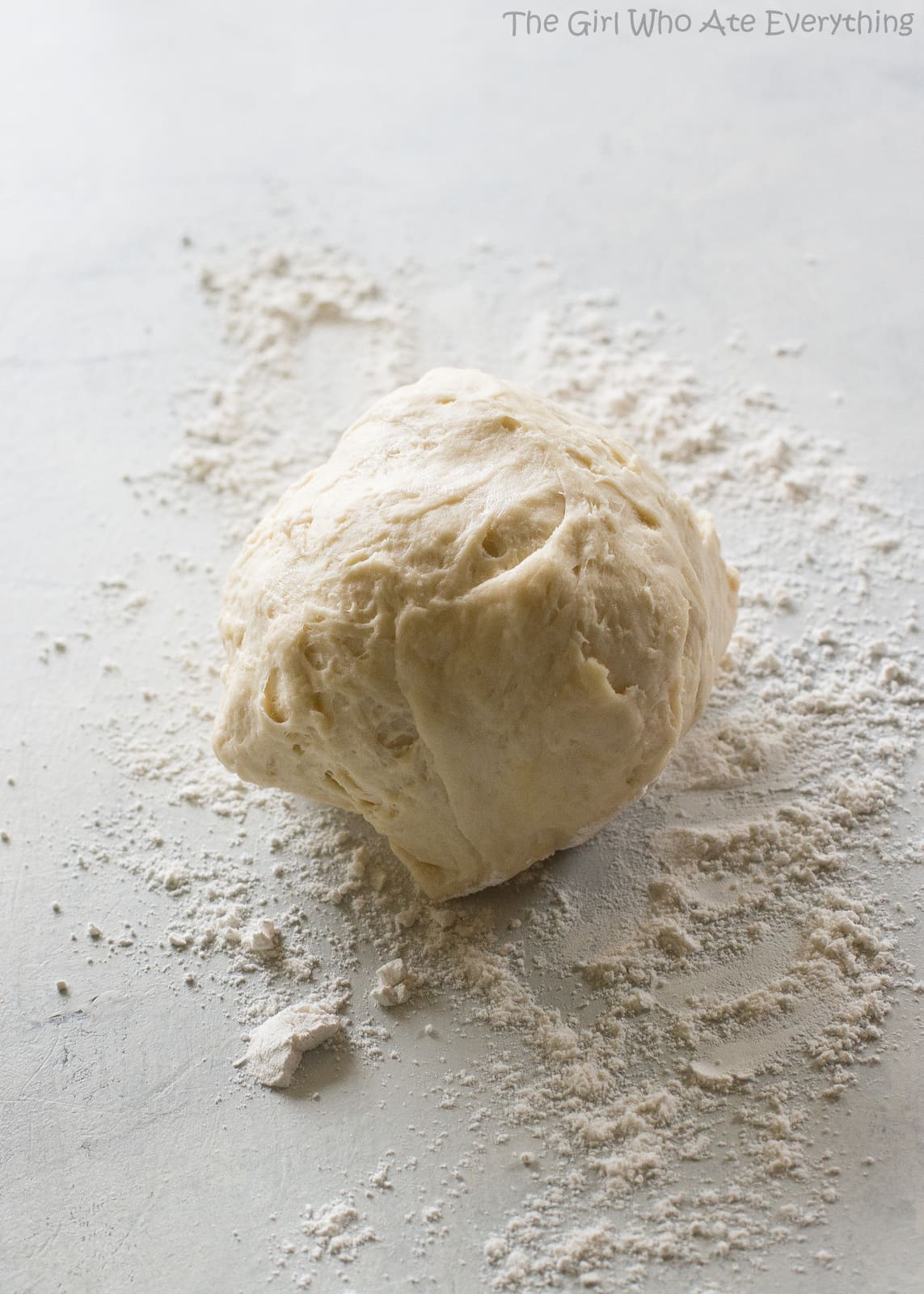
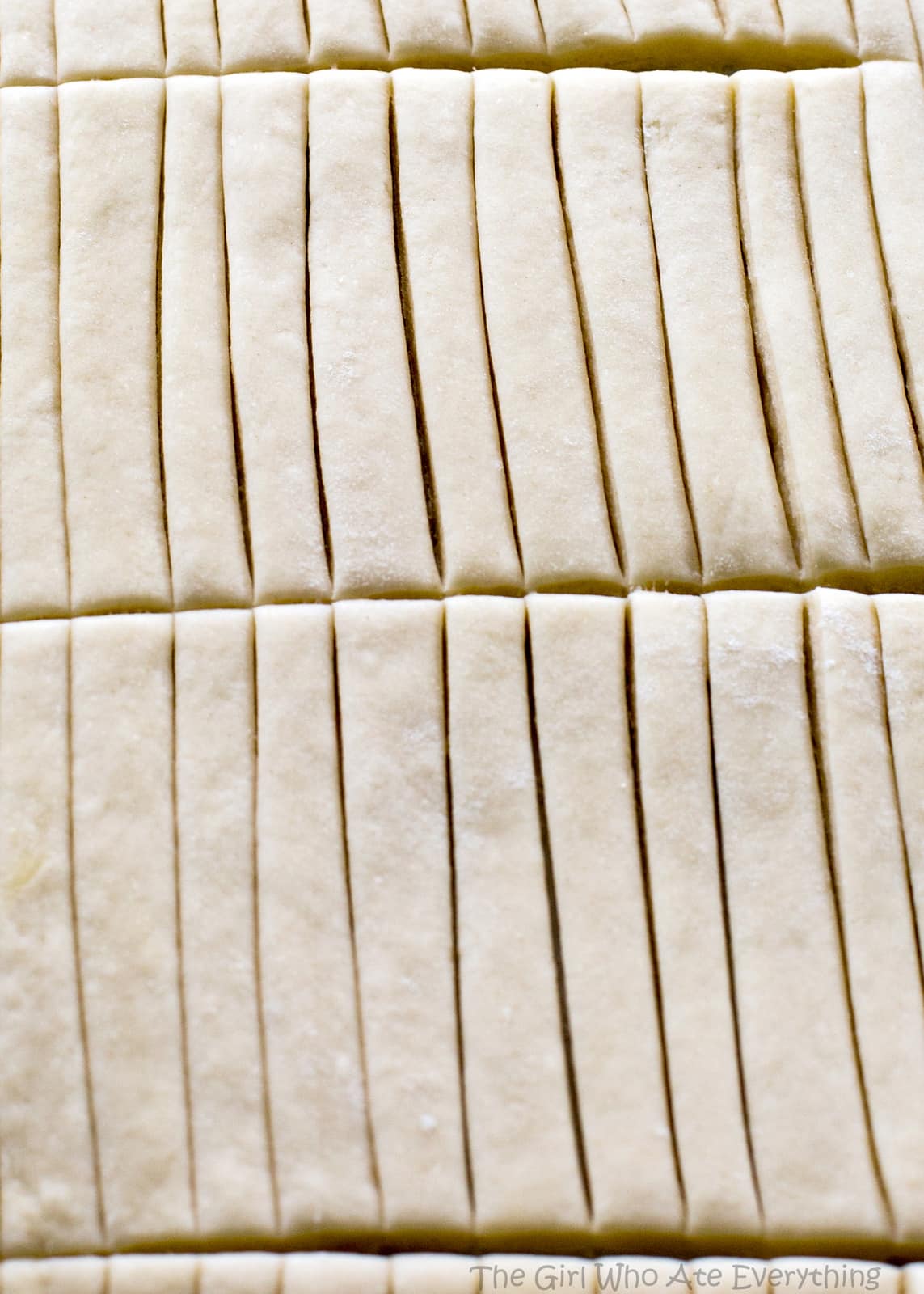
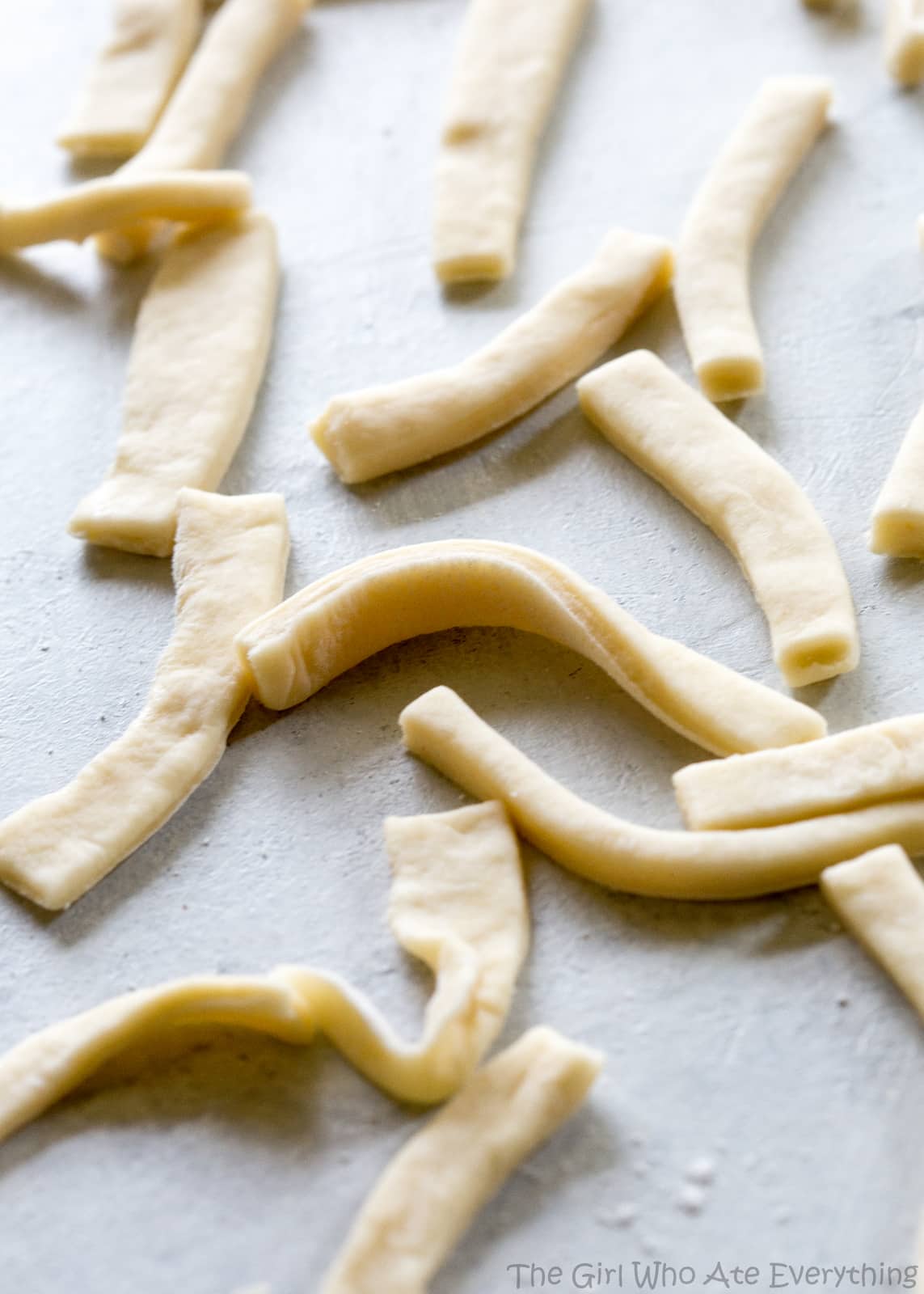
The most distinct variation in this specific recipe is the inclusion of a handmade noodle. Unlike dried pasta, which is extruded through industrial machines, handmade noodles are a simple emulsion of flour, eggs, and sometimes a small amount of liquid. This composition creates a distinct texture—often described as "tender" or "pillowy"—that differs significantly from the firm, shelf-stable varieties found in retail environments.
Chronology of the Homemade Noodle Movement
The resurgence of "scratch cooking" has been linked to several socioeconomic factors over the last decade. Following the economic shifts of the late 2000s and the lifestyle changes necessitated by the 2020 global pandemic, there was a measurable uptick in household food production.
- Pre-2010: The reliance on canned soup and dry, boxed pasta dominated the market, with convenience being the primary driver for consumers.
- 2010–2018: A shift toward "farm-to-table" ideologies began influencing home cooks, leading to a demand for recipes that emphasized raw ingredients over processed ones.
- 2019–Present: Data from culinary industry reports indicate a sustained interest in "functional comfort foods." Consumers are increasingly seeking recipes that offer both psychological comfort and transparent ingredient lists.
Nutritional Implications and Data
From a nutritional perspective, homemade chicken noodle soup provides a comprehensive profile of macronutrients. A standard six-ounce serving contains approximately 200 to 300 calories, depending on the ratio of noodles to broth.
- Protein: Chicken breast or thigh meat serves as a lean protein source, essential for muscle repair and immune function.
- Carbohydrates: The flour-based noodles provide sustained energy, while the vegetables offer complex carbohydrates and fiber.
- Hydration: The sodium content in the broth, when balanced, assists in electrolyte replenishment, which is particularly beneficial during the winter months when dehydration often goes unnoticed.
Experts in food science suggest that the process of simmering bones—if one chooses to make the stock from scratch—releases collagen and gelatin, which are believed to support joint health and gut lining integrity. While these claims are often anecdotal, the presence of these compounds is a biological reality of long-simmering chicken.
Comparative Analysis: Store-Bought vs. Homemade
Market research indicates that while store-bought egg noodles are sufficient for most households, they often contain preservatives such as calcium propionate to extend shelf life. Homemade noodles, conversely, contain only flour and eggs.
For the average household, the time investment is minimal. Mixing the dough, rolling it out, and slicing it requires approximately 15 to 20 minutes of active labor. This is often contrasted with the time spent traveling to a grocery store, justifying the effort for those prioritizing food quality.
Furthermore, feedback from various home-cooking demographics suggests that the "neighbor-to-neighbor" gifting of homemade soup remains a significant social practice. In communities where the preparation of soup is a shared activity, it serves as an informal method of social cohesion and mutual support.
The Role of Broth Quality
A recurring variable in the success of the soup is the quality of the broth. Many professional chefs advocate for the use of "Better Than Bouillon" or similar concentrated pastes. These products offer a depth of flavor that is difficult to achieve with standard boxed stocks, which are often diluted.
Analysis of culinary trends suggests that the home cook is moving away from low-sodium, flavorless stocks in favor of high-umami bases. The integration of herbs such as thyme, parsley, and bay leaves further elevates the dish, providing a nuanced flavor profile that balances the richness of the chicken fat.
Implications for Modern Domesticity
The continued relevance of chicken noodle soup reflects a broader societal desire for tangible, achievable successes in the kitchen. In an era dominated by complex technologies and fast-paced digital interactions, the act of rolling out dough and simmering a pot of soup offers a meditative, grounding experience.
It also speaks to the "tried and true" nature of legacy recipes. These recipes do not require specialized equipment or advanced culinary training; they rely on the fundamental understanding of how heat and time transform raw ingredients into a cohesive meal.
Conclusion
The enduring appeal of homemade chicken noodle soup is not merely a matter of taste, but a reflection of its functional role in the household. By bridging the gap between historical necessity and modern culinary convenience, the dish remains a cornerstone of the home kitchen. Whether it is prepared to satisfy a physical need for comfort or to provide a nutritious meal for a family, the recipe stands as a testament to the simplicity and efficacy of classic cooking methods. As long as there is a demand for reliable, wholesome, and economical nutrition, this classic preparation will undoubtedly remain a staple of the domestic culinary repertoire.
