
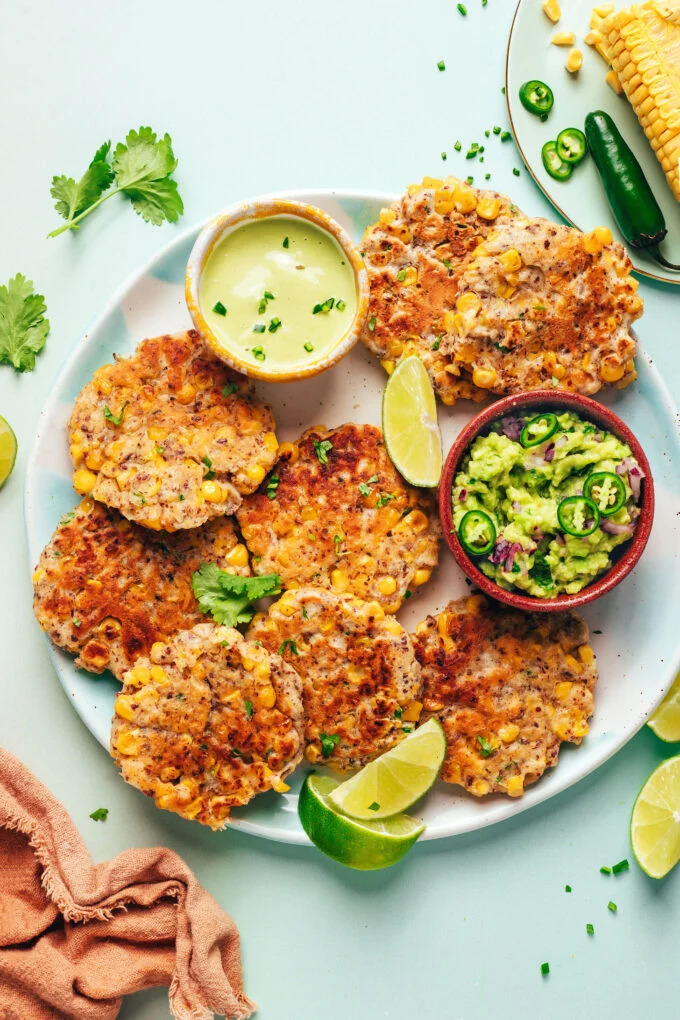
The culinary landscape has seen a significant shift toward plant-based alternatives in recent years, driven by consumer demand for healthier, allergen-friendly, and sustainable food options. Among the latest developments in this sector is the refinement of traditional comfort foods—specifically, the transformation of classic corn fritters into a fully vegan and optionally gluten-free dish. This development reflects a broader industry trend where home cooks and professional chefs alike are utilizing innovative binding agents and flour alternatives to replicate textures previously thought exclusive to animal-product-based recipes.
The Evolution of Plant-Based Binding Agents
Traditionally, corn fritters relied heavily on eggs for structural integrity and milk for moisture. In the context of modern plant-based cooking, these ingredients have been systematically replaced by nutrient-dense alternatives that maintain the desired organoleptic properties—the sensory experience of taste, sight, smell, and texture.
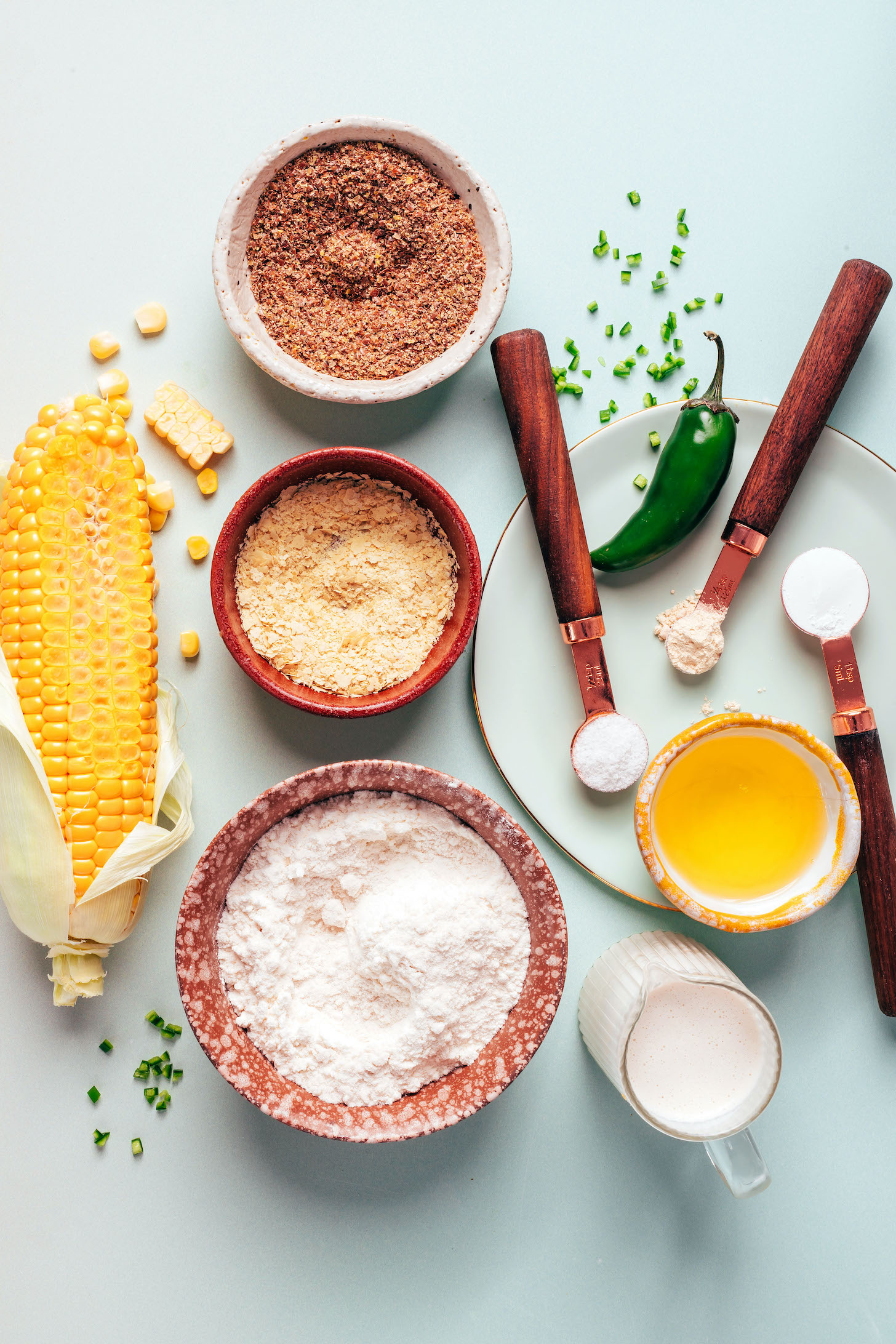
The primary innovation in this recipe involves the use of flaxseed meal. When combined with water, flaxseed meal creates a mucilaginous consistency, effectively acting as a binder that mimics the protein structure of eggs. This transition is not merely functional; it aligns with nutritional data suggesting that flaxseed provides significant omega-3 fatty acids and dietary fiber, which are often lacking in standard flour-based snacks. Furthermore, the substitution of dairy milk with unsweetened, neutral-flavored plant milks—such as cashew milk—reduces the saturated fat content while maintaining the richness required for a satisfying, crispy fritter.
Chronology of Culinary Adaptation
The rise of the vegan corn fritter can be traced back to the growing popularity of "flexitarian" diets in the early 2020s. As consumers sought to reduce their intake of animal products without sacrificing traditional flavor profiles, food writers and recipe developers began experimenting with non-traditional batters.
- Phase 1: Exploration of Binders. Early iterations often used commercial egg replacers, which were found to be either inconsistent in texture or highly processed.
- Phase 2: Ingredient Simplification. In 2023 and 2024, the focus shifted toward "pantry-staple" cooking, encouraging the use of simple, accessible ingredients like flax meal, nutritional yeast, and gluten-free flour blends.
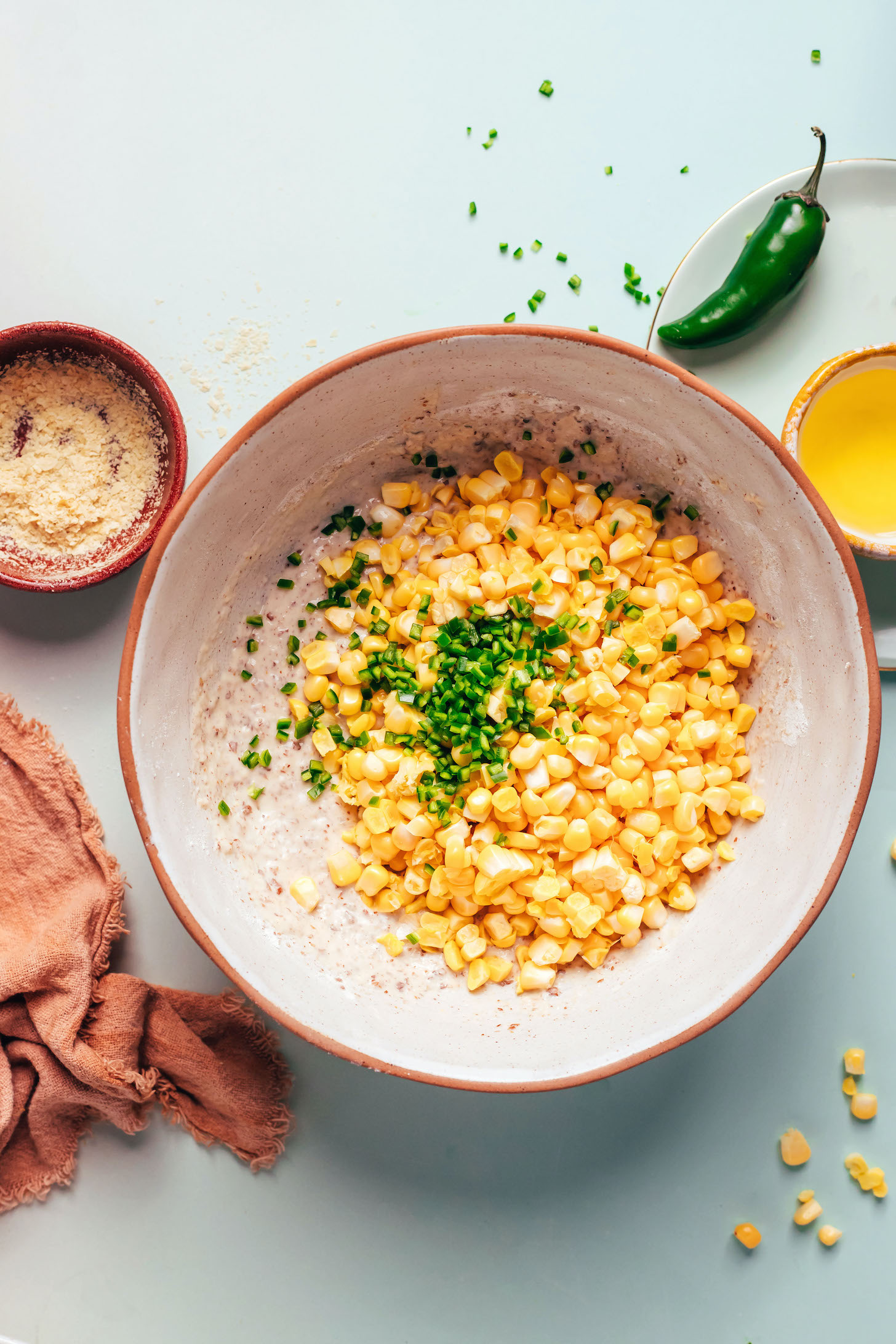
- Phase 3: Texture Optimization. The current standard, established by late 2025, emphasizes the importance of managing moisture levels—a critical factor when working with fresh versus frozen corn. The standardized practice now involves patting corn dry to prevent excess moisture from disrupting the batter’s crispness during the frying process.
Supporting Data and Technical Requirements
The efficacy of this dish depends on the precise balance of dry and wet ingredients. Nutritional analysis indicates that a standard serving of these fritters—approximately one unit—contains roughly 103 calories. This calorie density is notably lower than traditional deep-fried fritters, largely due to the shift toward shallow frying.

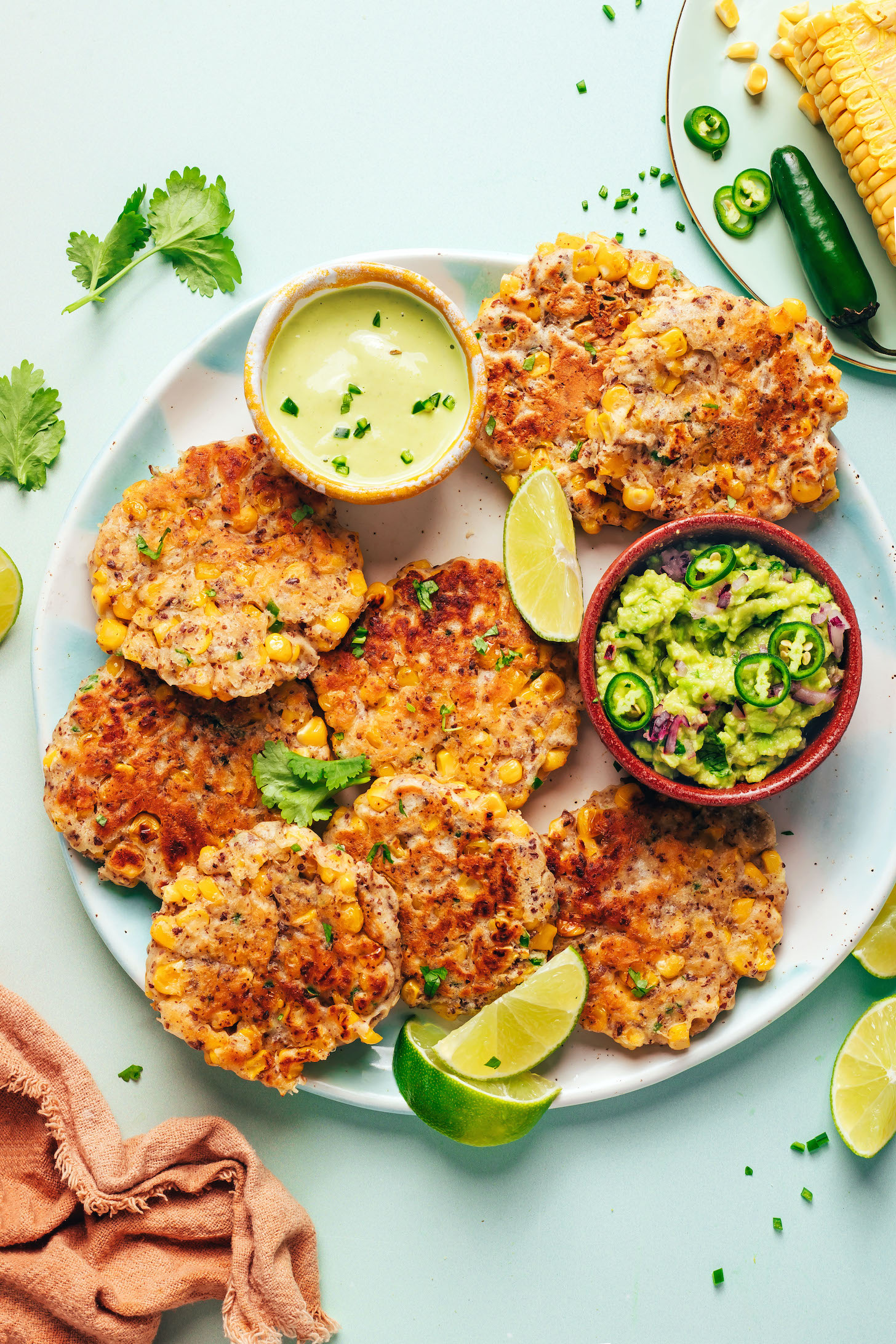
By utilizing a cast-iron skillet, home cooks can achieve the Maillard reaction—the chemical process responsible for the golden-brown crust and complex flavors—without the excessive oil absorption associated with deep-frying. Data suggests that shallow frying in avocado oil, which has a high smoke point of approximately 520°F (271°C), ensures that the fats remain stable under heat, reducing the risk of oxidized lipid intake.
Comparative Analysis of Ingredients
| Ingredient | Role | Benefit |
|---|---|---|
| Flaxseed Meal | Binding Agent | High in fiber; vegan-friendly |
| Cashew Milk | Hydration | Low glycemic index; creamy texture |
| Nutritional Yeast | Flavor Profile | Umami depth; B-vitamin fortification |
| Avocado Oil | Frying Medium | High smoke point; heart-healthy fats |
| Gluten-Free Blend | Structure | Suitable for celiac/sensitive diets |
Market Implications and Culinary Trends
The success of these fritters is emblematic of a larger movement in the food industry: the "democratization of specialized diets." Historically, gluten-free and vegan dining options were often perceived as either prohibitively expensive or lacking in flavor. However, the move toward "10-ingredient" recipes that require minimal specialized equipment signals a departure from elitist culinary standards.
Industry analysts observe that this shift is not purely aesthetic. As the cost of animal-derived protein fluctuates due to environmental and economic pressures, plant-forward appetizers are becoming increasingly popular in both home kitchens and restaurant menus. The use of seasonal produce, such as fresh corn and jalapeños, further lowers the carbon footprint of the meal, appealing to the environmentally conscious consumer base.
Professional Considerations for Home Implementation
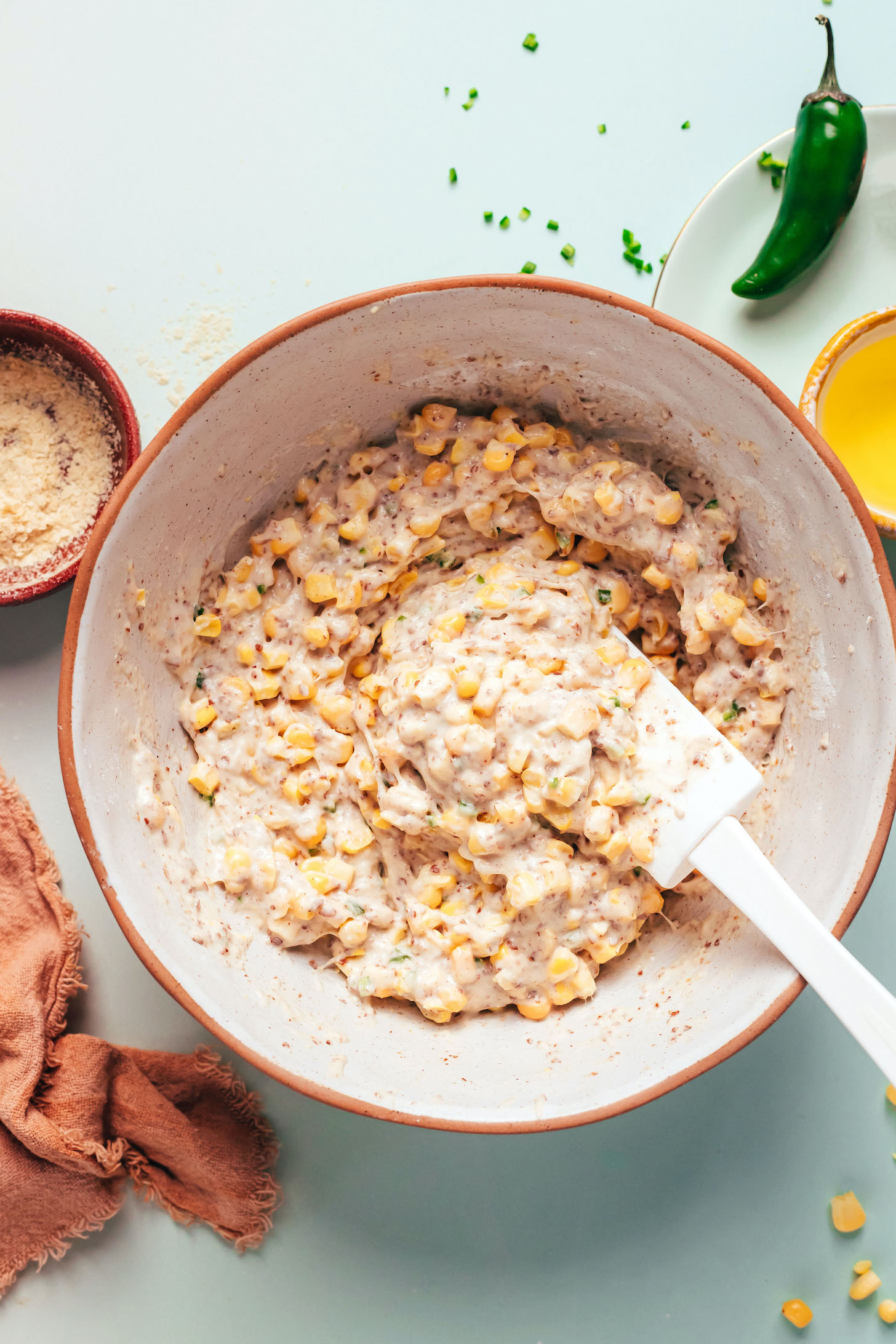
For those attempting this recipe, professional guidelines emphasize the "batter consistency" rule. Because various gluten-free flour blends have different absorption rates—often depending on the ratio of rice flour to potato starch or xanthan gum—there is no universal quantity for flour. Culinary experts recommend a visual assessment: the batter must be thick enough to hold its shape in the skillet, yet loose enough to allow the corn kernels to distribute evenly.
Furthermore, safety during the preparation process is a recurring note in culinary documentation. When high-moisture vegetables like corn are introduced to hot oil, steam release can be rapid. The recommendation to wear protective aprons and maintain a safe distance from the skillet is a standard safety protocol for any shallow-frying application.
Broader Societal Impact
The widespread adoption of such recipes contributes to the normalization of plant-based eating. When a dish is framed as a "summertime appetizer" rather than a "vegan alternative," it removes the psychological barrier often associated with diet-specific cooking. This inclusive framing is essential for the long-term adoption of plant-based habits.

Moreover, the versatility of these fritters—pairing equally well with cashew-based sauces, traditional ranch, or fresh guacamole—demonstrates that vegan cuisine can be as adaptable and indulgent as any other culinary tradition. As these recipes continue to circulate through digital platforms, they provide a blueprint for how traditional comfort food can evolve to meet modern health and environmental standards without compromising the fundamental pleasure of eating.
Conclusion
The rise of the Easy Jalapeño Corn Fritter represents a milestone in the integration of veganism into mainstream home cooking. By stripping away complex, processed ingredients in favor of simple, whole-food binders and high-quality cooking fats, the culinary world has managed to refine a classic side dish for a new generation. The combination of nutritional density, accessibility, and sensory appeal ensures that this dish will remain a staple in the repertoire of both professional chefs and home cooks, regardless of their primary dietary motivations. As we look toward the future of food, the success of such recipes underscores the viability of plant-based culinary practices in a changing global landscape.
