
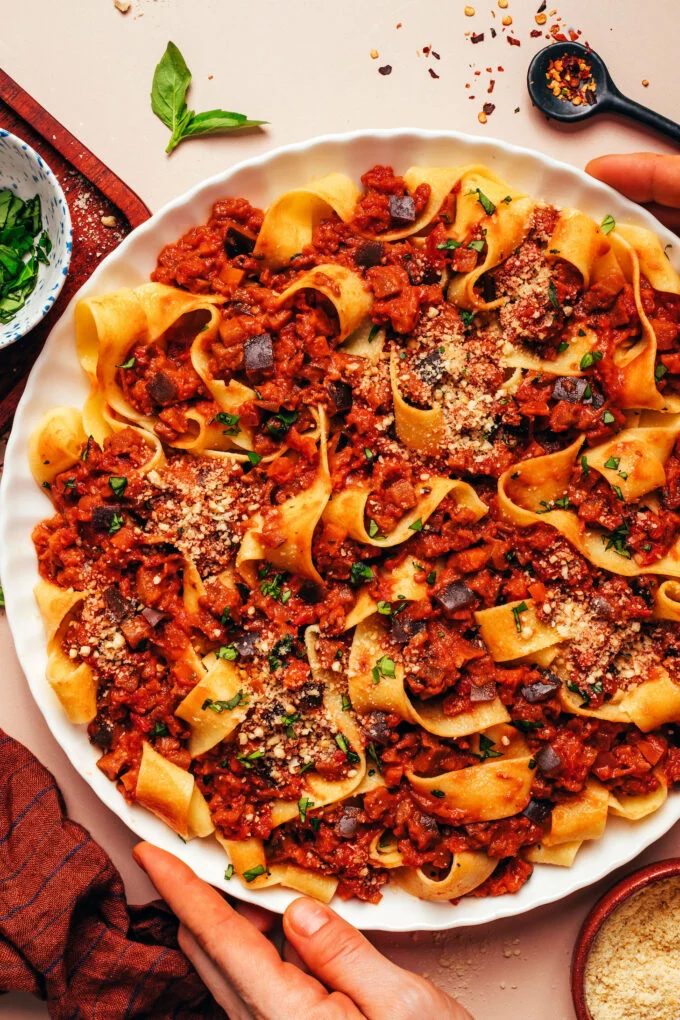
The Evolution of the Plant-Based Bolognese
The traditional Bolognese sauce, originating from the Italian city of Bologna, is globally recognized for its reliance on a slow-cooked ragù. Historically, the dish is built upon a soffritto base of finely diced onions, celery, and carrots, combined with ground meat—typically beef or pork—and finished with milk and wine. Over the past decade, however, culinary experts and food technologists have increasingly sought to replicate this texture and flavor profile through plant-based alternatives.
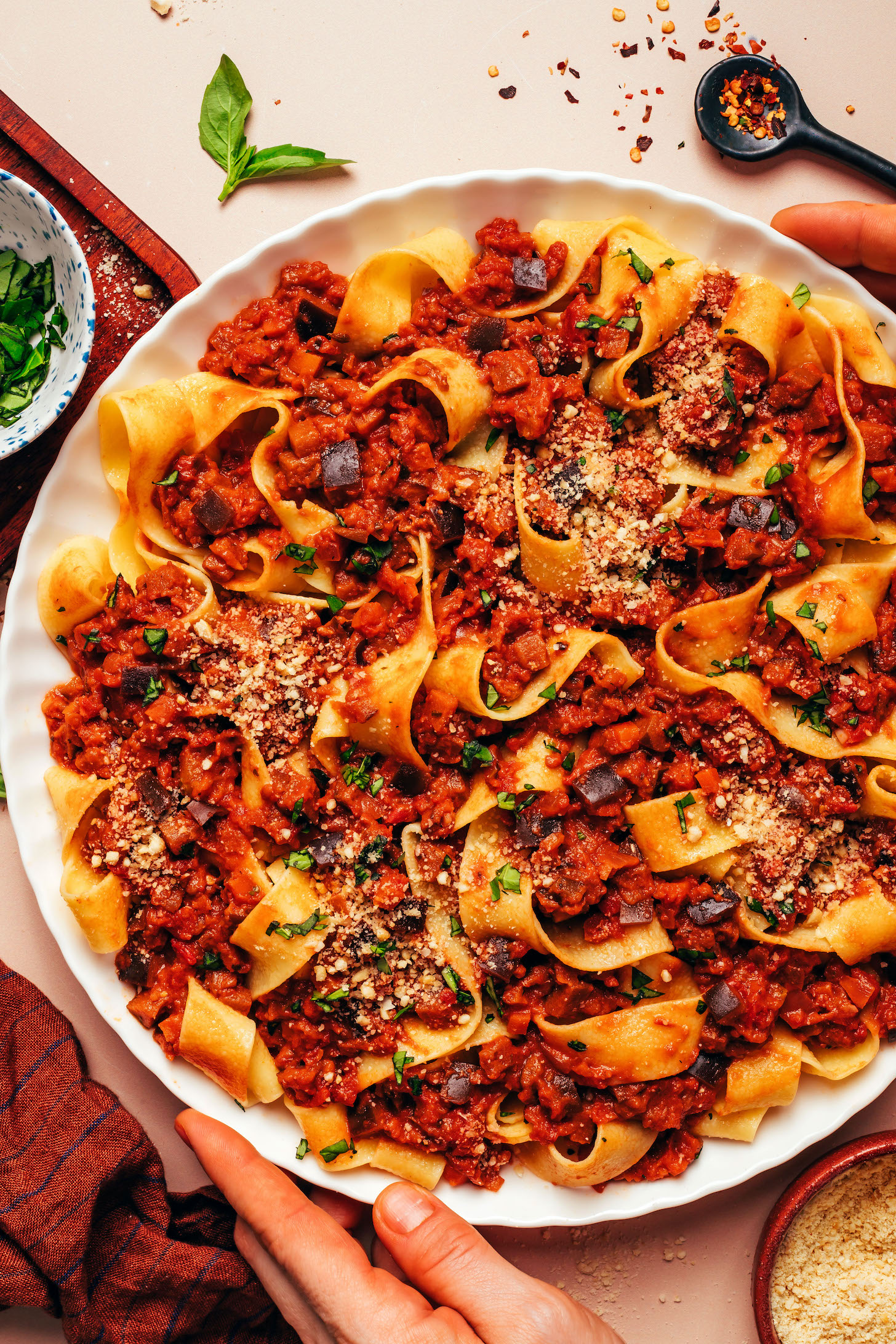
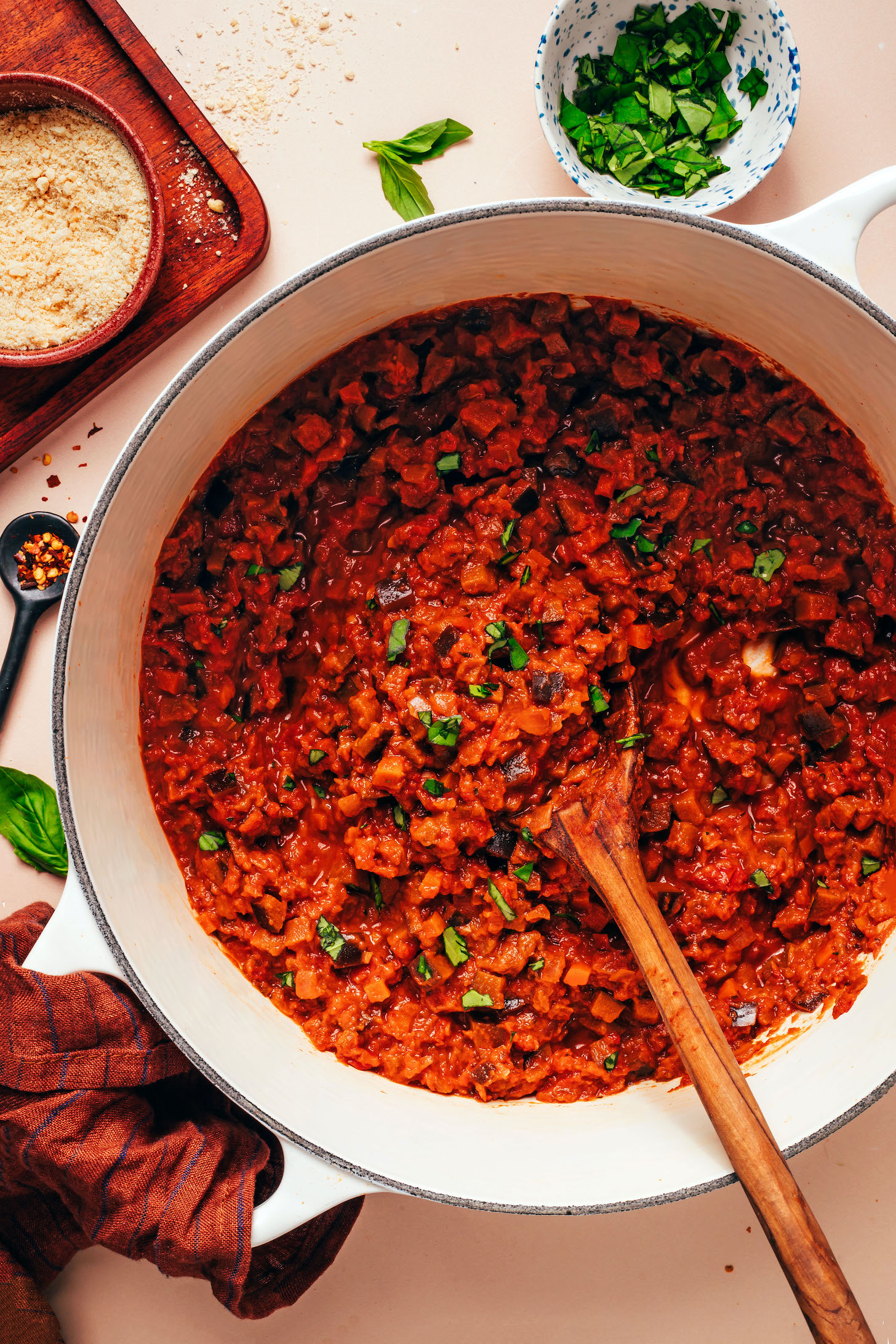
This specific iteration of the dish joins a growing lineage of similar recipes previously developed by the Minimalist Baker team, including versions utilizing mushrooms, red lentils, tempeh, and chickpeas. The adoption of eggplant as the primary structural component represents a strategic move to utilize a vegetable that, when properly diced and sautéed, mimics the mouthfeel and density of ground proteins.
Technical Methodology and Culinary Chemistry
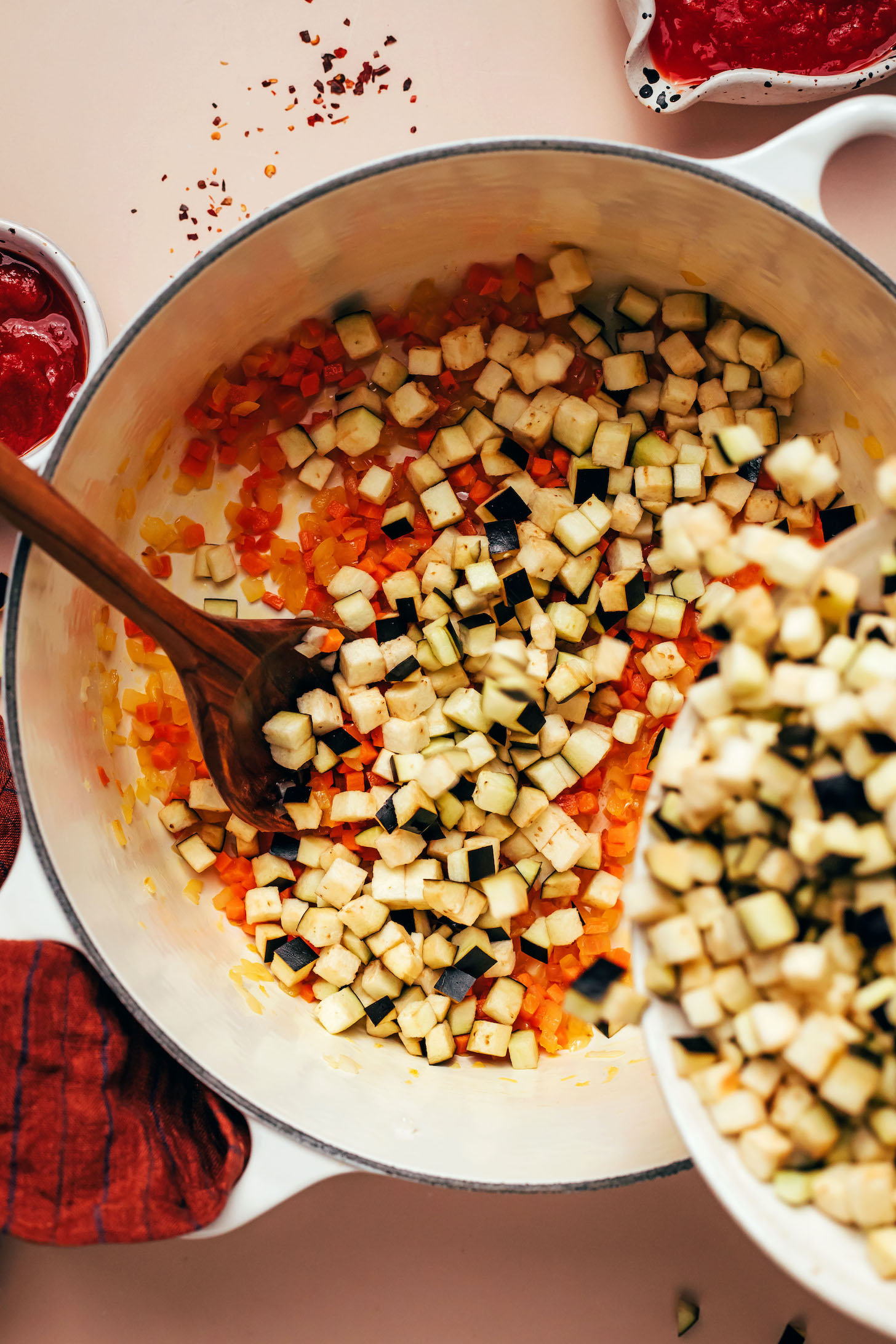
The preparation of this dish relies on a 45-minute total processing time, comprising 15 minutes of active preparation and 30 minutes of thermal processing. The efficacy of the "one-pot" approach is predicated on the Maillard reaction—a chemical reaction between amino acids and reducing sugars that gives browned food its distinctive flavor. By sautéing the eggplant in small, uniform cubes alongside a traditional soffritto base, the chef achieves a caramelized exterior that provides a savory foundation for the sauce.

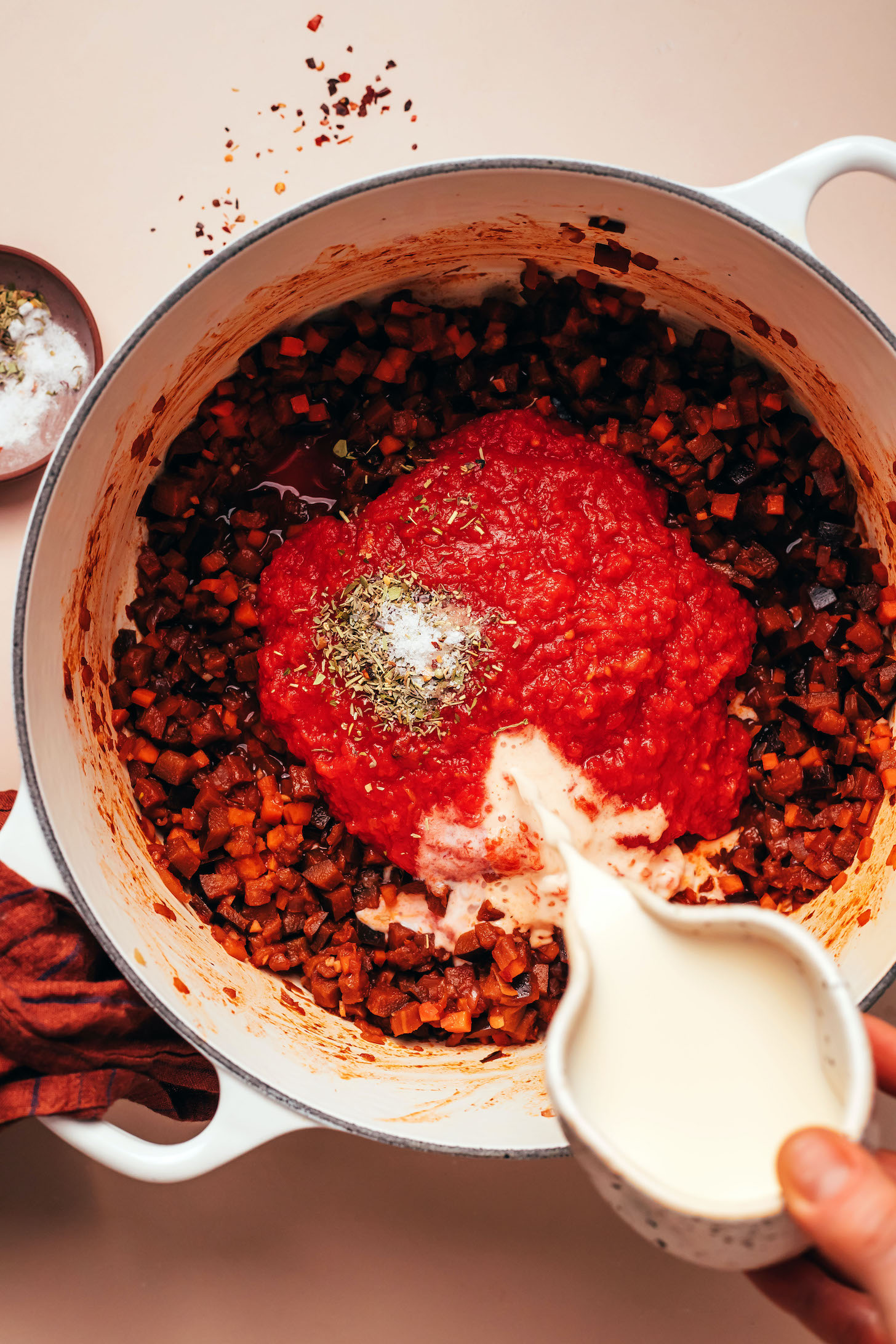
The inclusion of red wine serves a dual purpose: it acts as a deglazing agent to lift the browned bits (fond) from the base of the pot, and it introduces a necessary acidity to cut through the richness of the tomato base. The addition of cashew milk, a common substitute in dairy-free cooking, provides a creamy emulsification that traditionally would have been achieved by milk or cream in the authentic Bolognese recipe. This chemical balance is further stabilized by the addition of maple syrup, which serves to neutralize the high-acid profile of the crushed tomatoes, ensuring a balanced flavor profile across the palate.
Nutritional Profile and Dietary Implications
Nutritional data for this dish suggests a focus on heart-healthy fats and fiber content, distinguishing it from traditional meat-based versions which are typically higher in saturated fats and cholesterol. A single serving provides approximately 284 calories, with 17.1 grams of fat, 31.9 grams of carbohydrates, and 8.3 grams of dietary fiber. The significant fiber content, largely derived from the eggplant and vegetables, aligns with current dietary guidelines suggesting an increase in plant-based intake to support digestive health.
Furthermore, the absence of cholesterol—recorded at 0 mg—makes this an appealing option for individuals managing cardiovascular health or those adhering to vegan or vegetarian dietary protocols. The mineral profile is also noteworthy, with 3.7 mg of iron and 1,040 mg of potassium per serving, providing essential micronutrients that are often lacking in meat-heavy diets.
Culinary Timeline and Procedural Execution
The production of this dish follows a structured, linear timeline designed for maximum efficiency in a residential kitchen:
- Phase One (0-15 Minutes): Preparation of the soffritto (onions and carrots) and the dicing of the eggplant. Initial heat application to ensure the vegetables reach a state of deep browning.
- Phase Two (15-20 Minutes): Integration of aromatic elements, including garlic and red pepper flakes, followed by the introduction of wine for deglazing.
- Phase Three (20-45 Minutes): The simmering stage. The introduction of tomato paste, crushed tomatoes, herbs, and cashew milk. The sauce is brought to a steady simmer, allowing for the evaporation of excess water and the concentration of flavors.
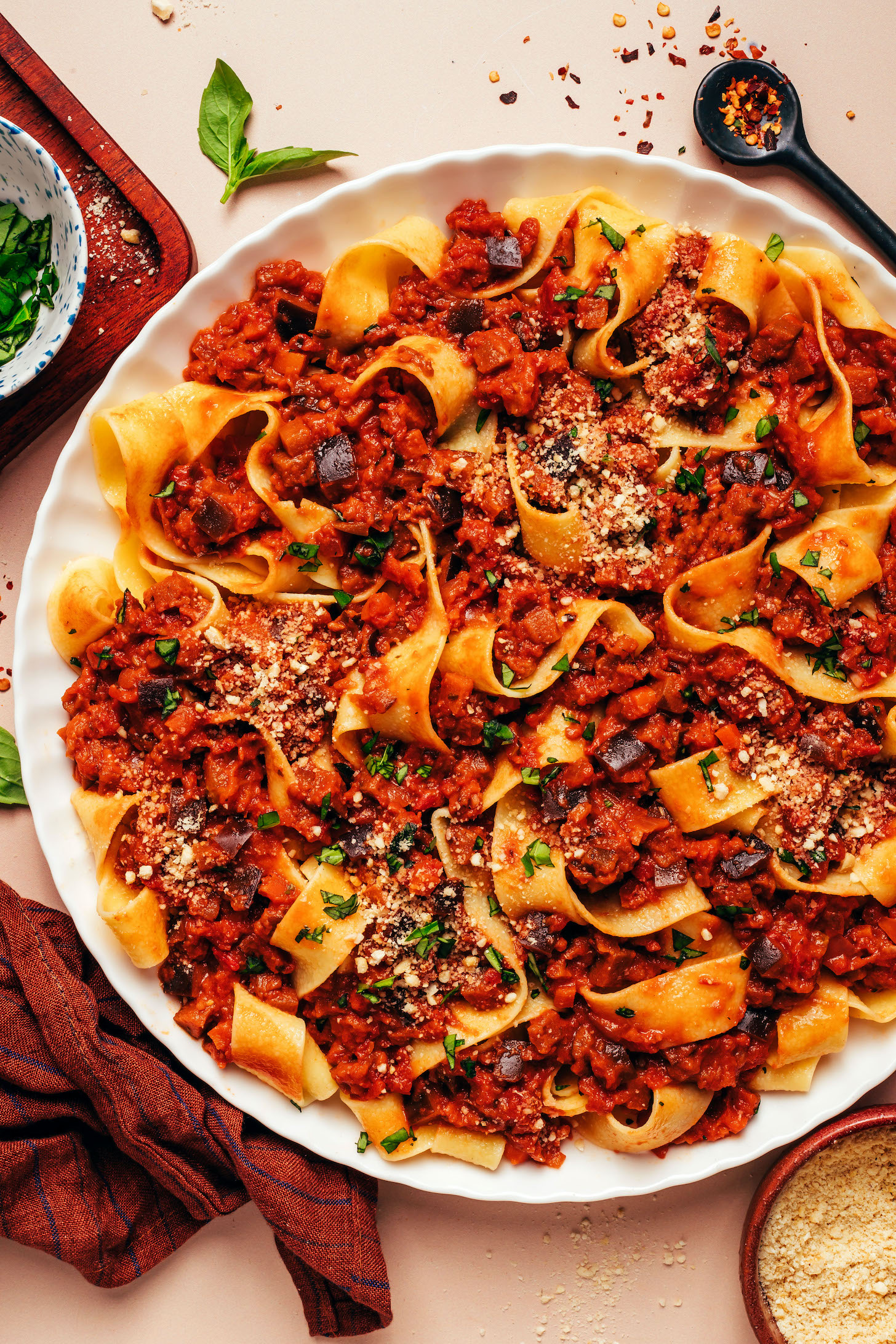
- Phase Four (Final Assembly): Serving over preferred pasta, such as pappardelle, and garnishing with supplemental ingredients like vegan parmesan or fresh basil.
Market Context and Consumer Demand
The rise of the "one-pot" cooking trend is reflective of broader sociological shifts in consumer behavior. As household schedules become increasingly constrained, the demand for "low-fuss" gourmet cooking has surged. Data from home cooking platforms indicate that interest in "one-pot" and "sheet-pan" recipes has grown by approximately 25% year-over-year, as consumers prioritize minimizing cleanup time without sacrificing the quality of their evening meals.
The success of this recipe can also be attributed to its versatility. By allowing for the addition of supplemental proteins—such as lentils for a vegan boost, or traditional ground beef for those who prefer a hybrid approach—the recipe functions as a modular platform rather than a static instruction set. This flexibility is a key factor in the high engagement rates observed in modern recipe publishing, where users frequently seek recipes that can be modified to suit individual nutritional needs or pantry inventories.
Broader Impact on Home Cooking Trends
The dissemination of this recipe highlights a shift in how traditional regional dishes are being reinterpreted through a contemporary, plant-centric lens. By moving away from animal proteins, home cooks are discovering the latent potential of summer crops like eggplant, which are often relegated to side dishes rather than being treated as the main event.
From an economic perspective, this shift also represents a move toward more cost-effective grocery planning. Eggplant, particularly in late summer when in season, is often more affordable than high-quality ground meats. Furthermore, the longevity of this dish—which remains safe for consumption for three to four days if refrigerated and is freezer-friendly for up to one month—aligns with consumer movements aimed at reducing food waste through meal prepping.
Conclusion and Expert Reception
While culinary purists may argue that the term "Bolognese" should be reserved strictly for the traditional meat-based ragù, the emergence of these vegetable-based variations indicates a maturation of the genre. Culinary critics and home cooks alike are increasingly defining "Bolognese" as a technique—specifically the slow-simmering of a vegetable-rich, tomato-forward sauce—rather than a strict adherence to a specific ingredient list.
As more households adopt this style of cooking, the impact on both health outcomes and environmental sustainability could be significant. The transition toward high-fiber, plant-based, and efficient cooking methods represents a positive evolution in domestic gastronomy. For those looking to bridge the gap between traditional comfort food and modern nutritional awareness, the eggplant-based Bolognese provides a sophisticated, efficient, and scientifically sound alternative that satisfies both the need for convenience and the desire for high-quality, flavorful sustenance.
