
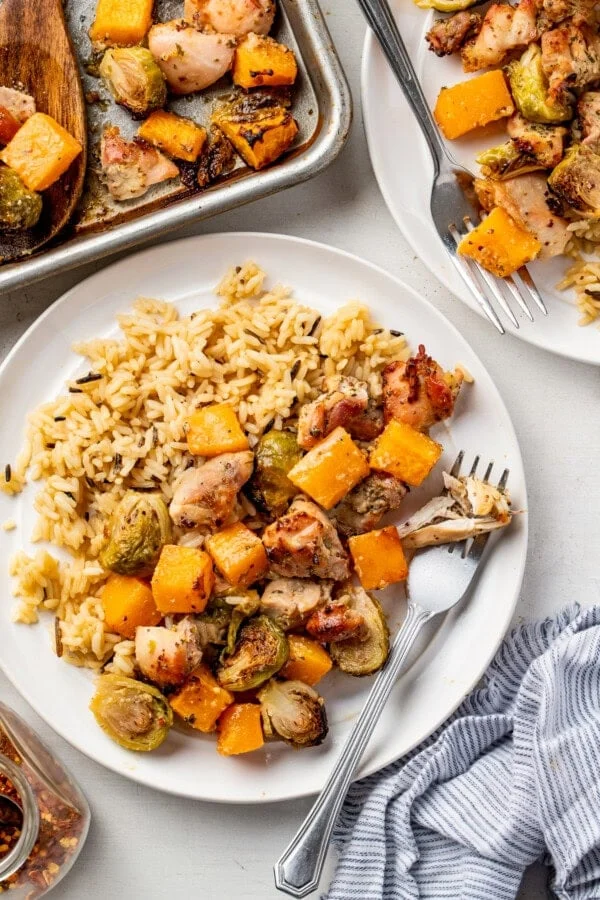
The modern culinary landscape has seen a significant shift toward efficiency, with home cooks increasingly prioritizing time-saving techniques that do not compromise nutritional integrity. A prime example of this trend is the emergence of the "sheet pan" method, a culinary approach that minimizes equipment usage and maximizes flavor development through high-heat roasting. The recently introduced Maple Dijon Sheet Pan Chicken with Fall Vegetables serves as a case study in contemporary meal planning, combining lean protein sources with seasonal produce to address the dual demands of fiber intake and time management.
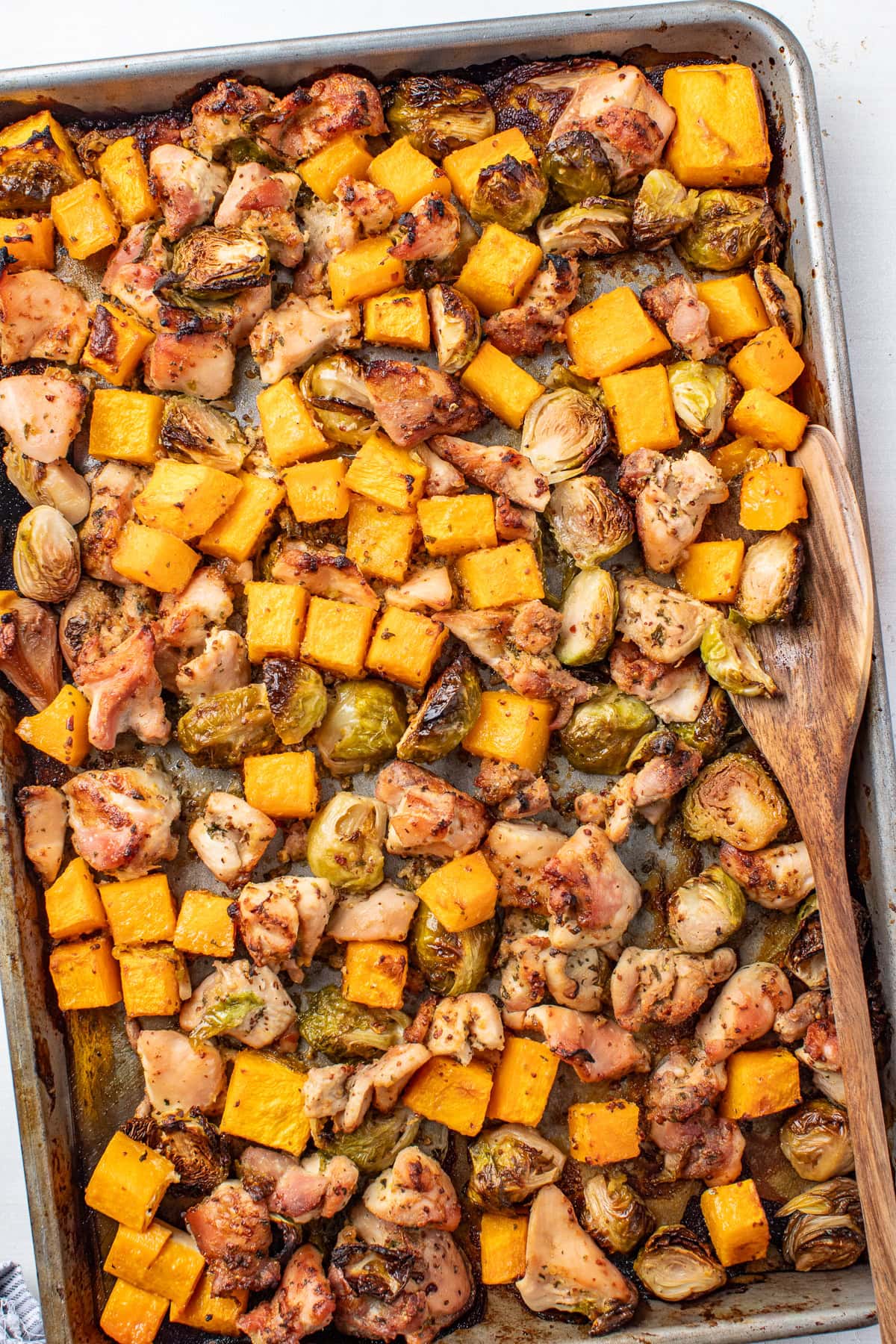
The Rise of Simplified Culinary Methodologies
In recent years, the intersection of health-conscious eating and the "busy professional" lifestyle has forced a reevaluation of traditional cooking methods. Culinary experts and nutritionists have noted that the primary barrier to home-cooked meals is not a lack of interest, but rather the logistical burden of preparation and cleanup. Sheet pan dinners have become a staple solution, as they effectively condense the cooking process into a single, high-temperature environment.
Data from recent home cooking surveys suggests that one-pan meals reduce post-cooking cleanup time by approximately 40 to 60 percent compared to multi-vessel cooking. This efficiency is particularly relevant during the autumn months, when seasonal vegetables such as butternut squash and Brussels sprouts are at their peak availability. These ingredients are not only nutrient-dense, offering high levels of vitamin A and fiber, but they also possess a structural integrity that withstands the roasting process better than more delicate produce.
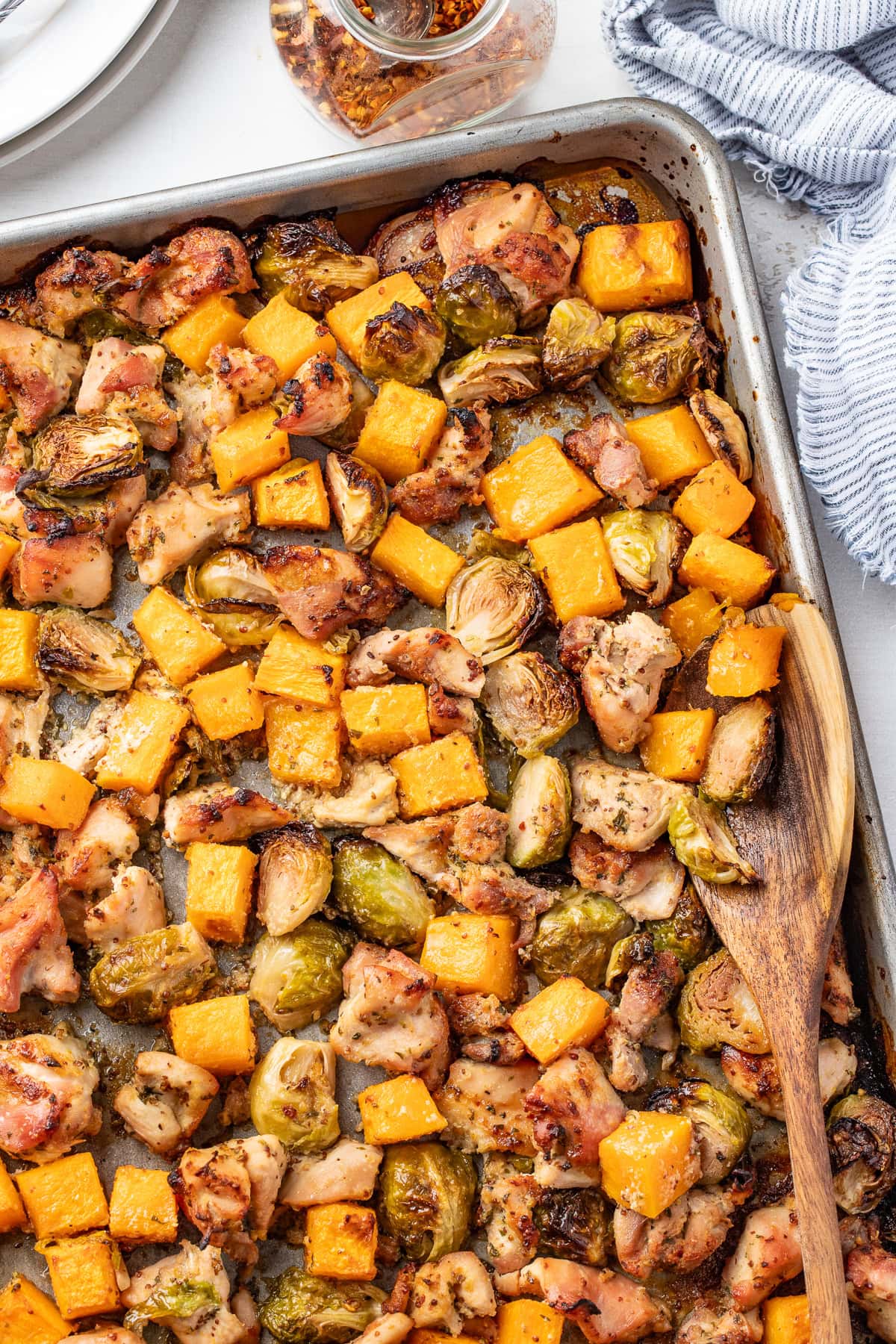
Ingredients and Nutritional Composition
The recipe utilizes boneless, skinless chicken thighs as its primary protein foundation. From a nutritional perspective, chicken thighs are preferred for roasting due to their higher fat content compared to breasts, which prevents the meat from drying out during the extended high-heat duration required to caramelize root vegetables.
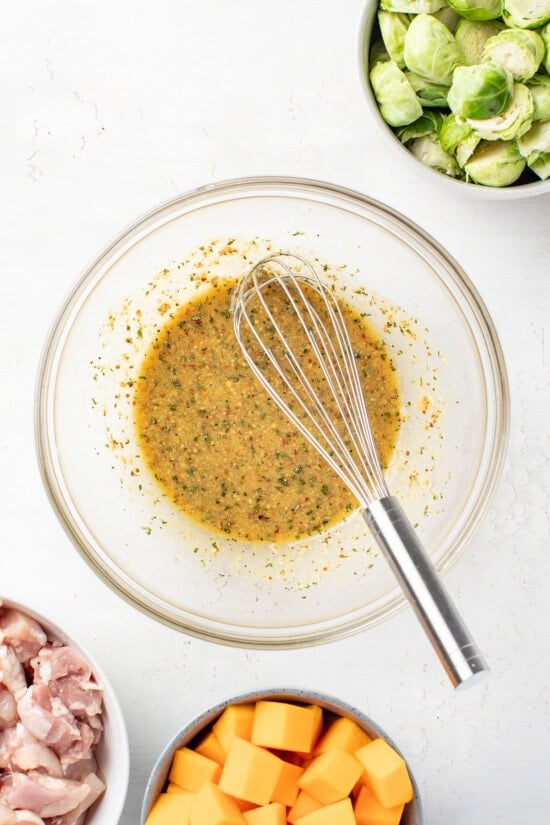
The accompanying sauce—a blend of maple syrup and Dijon mustard—functions as both a flavor enhancer and a chemical catalyst. The acidity in the mustard serves to tenderize the chicken fibers, while the sugars in the maple syrup undergo the Maillard reaction, a chemical process that creates the characteristic browning and savory flavor profile associated with professional-grade roasting.

Nutritional analysis for a standard serving (approximately 1.5 cups) indicates a balanced macronutrient profile:
- Calories: 361 kcal
- Protein: 37.5 g
- Carbohydrates: 25.5 g
- Fiber: 5 g
- Fat: 14 g
This configuration aligns with dietary recommendations from the American Heart Association regarding protein intake and the inclusion of cruciferous vegetables, which are linked to improved cardiovascular outcomes and digestive health.

Chronology of Preparation
The preparation cycle is optimized for a total turnaround time of 50 minutes, comprising 15 minutes of active preparation and 35 minutes of passive oven time.
- Preparation Phase (0–15 minutes): The process begins with the preparation of the vegetables. The butternut squash is cubed into uniform sizes to ensure consistent cooking times, while Brussels sprouts are halved to maximize surface area contact with the roasting sheet. The sauce is whisked in a separate vessel to ensure emulsification.
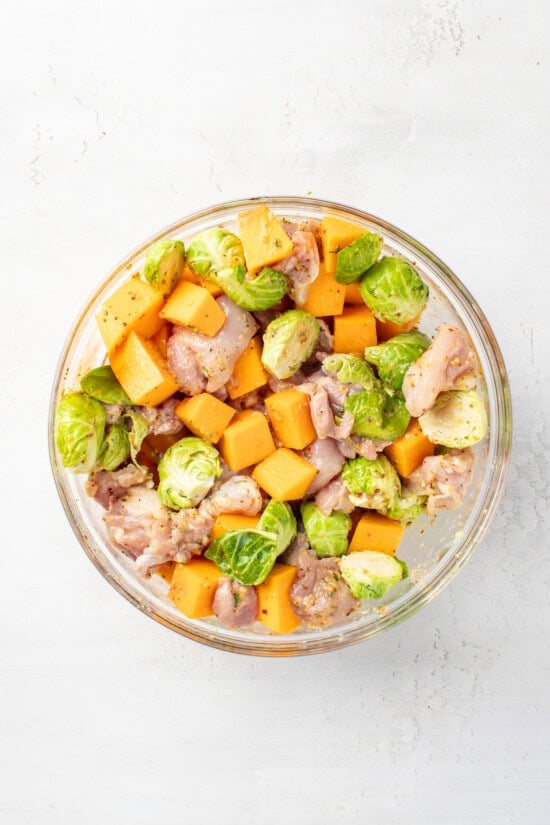
- Assembly (15–20 minutes): Ingredients are combined in a large bowl and coated thoroughly with the maple-dijon emulsion. The mixture is then distributed evenly across a large, rimmed sheet pan.
- Thermal Processing (20–55 minutes): The tray is placed in a preheated oven. The 35-minute duration allows the chicken to reach a safe internal temperature (typically 165°F) while allowing the natural sugars in the squash to caramelize and the sprouts to achieve a charred, nutty finish.
Industry Perspectives and Expert Analysis
Food scientists observe that the success of such recipes lies in the regulation of moisture levels within the oven. By placing high-moisture vegetables alongside protein, the steam released during the initial phase of cooking helps to braise the ingredients, while the final 15 minutes of exposure to dry heat allow for the necessary caramelization.
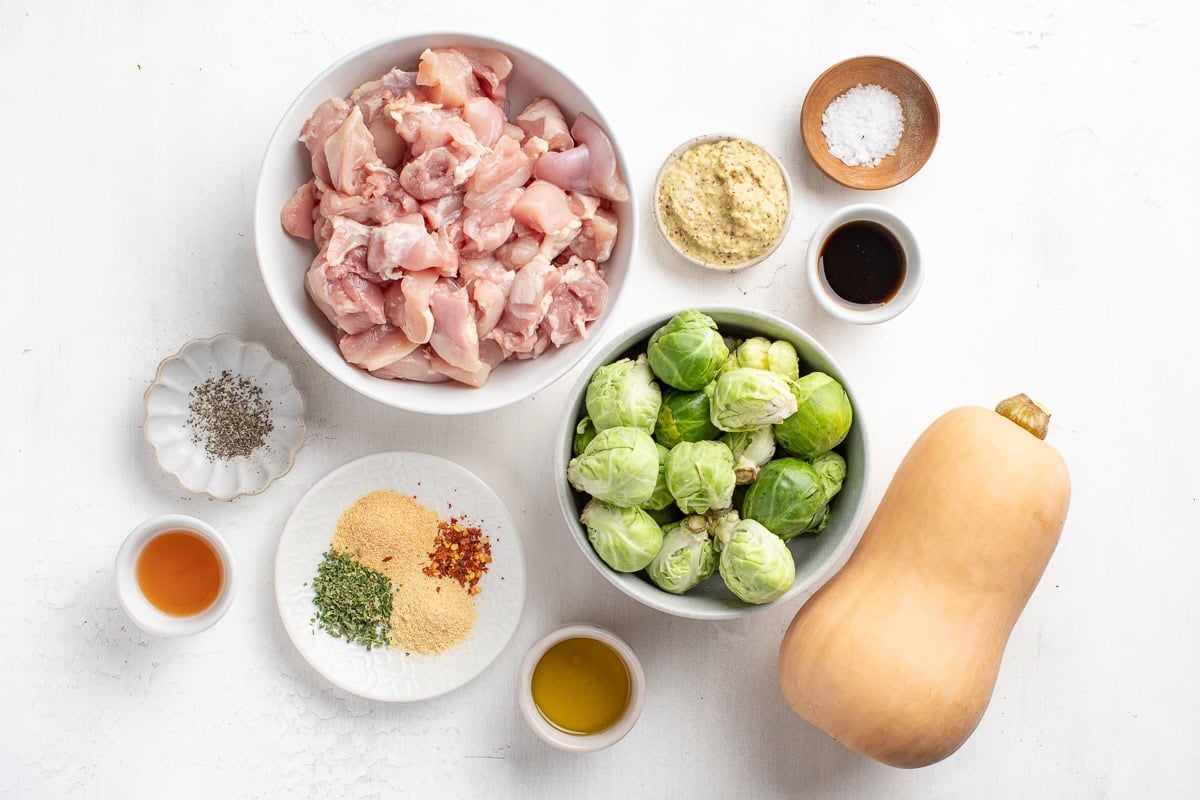
Culinary nutritionists often highlight that this specific recipe structure is a sustainable model for meal prep. Because the ingredients are roasted simultaneously, the flavors meld in a way that often improves after 24 hours of refrigeration, making it an ideal candidate for professional meal-prepping strategies.
Broader Impact on Home Dining Trends
The popularity of sheet pan dinners reflects a broader movement in the food industry toward "democratized gastronomy." Historically, complex, multi-course meals were the standard for home dining. However, current market trends indicate that consumers are shifting their loyalty toward platforms and influencers that offer high-quality, "low-friction" cooking instructions.
This shift has direct implications for public health. By providing accessible, nutrient-dense recipes that compete with the convenience of fast-food delivery, home cooking platforms are playing a measurable role in the reduction of ultra-processed food consumption. When families can replicate restaurant-quality, balanced meals in under an hour with minimal cleanup, the barrier to entry for healthy eating is significantly lowered.
Future Implications and Scalability
As households continue to grapple with the rising costs of dining out, the reliance on seasonal, budget-friendly ingredients like squash and chicken thighs is expected to persist. The "Maple Dijon" flavor profile is emblematic of a broader trend of "elevated home cooking," where simple pantry staples are combined to produce sophisticated results without the need for specialized equipment or advanced culinary techniques.
Furthermore, the scalability of this recipe—allowing it to be easily doubled for large family gatherings or meal-prep weeks—underscores its utility. As the culinary industry continues to evolve, the focus will likely remain on these "One-Pan" methodologies, which provide a reliable framework for maintaining nutritional standards while accommodating the constraints of a modern, fast-paced lifestyle. The longevity of such recipes suggests that the focus on simplicity is not merely a passing trend, but a fundamental change in how modern society approaches the act of cooking.
