
The enduring popularity of Panera’s Broccoli Cheddar Soup has cemented its status as a staple in the American fast-casual dining landscape, prompting a widespread movement of home-cooking enthusiasts seeking to replicate the recipe in their own kitchens. Originally introduced as a seasonal offering before becoming a permanent fixture on the company’s menu, this specific soup has transcended its origins to become a cultural touchstone for comfort food. As consumer preferences shift toward transparency and homemade meal preparation, the "copycat" recipe movement—exemplified by home cooks and food bloggers like Christy Denney—has gained significant momentum, providing an analytical look at why this specific flavor profile resonates so deeply with the public.
The Evolution of Fast-Casual Comfort Food
The rise of the broccoli cheddar soup as a culinary icon is inextricably linked to the growth of the fast-casual dining sector in the late 1990s and early 2000s. Panera Bread, founded as the St. Louis Bread Company, revolutionized the industry by positioning itself between quick-service establishments and traditional sit-down restaurants. The inclusion of high-quality, dense soups served in bread bowls became a hallmark of the brand’s identity.
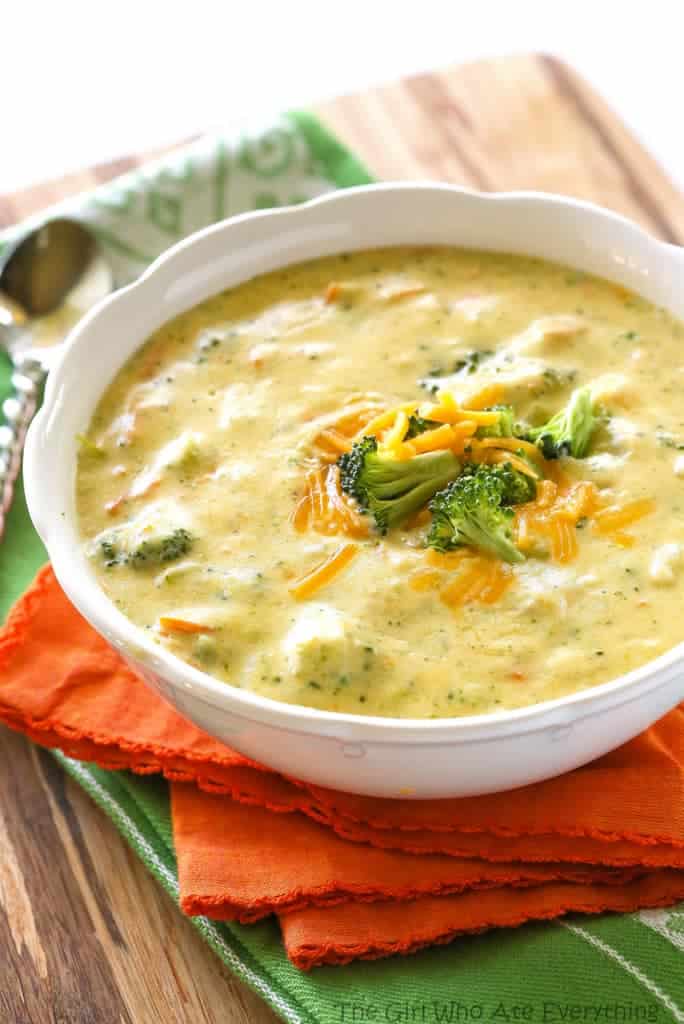
Data from the restaurant industry suggests that consumers often seek out specific menu items that offer a sense of nostalgia and perceived "wholesomeness." Broccoli cheddar soup, characterized by its creamy texture and sharp flavor profile, occupies a unique niche that satisfies this demand. Market analysts note that the consistency of the product across various regional locations has helped build a brand loyalty that extends beyond the restaurant walls, encouraging consumers to seek the experience within their home environments.
The Anatomy of the Recipe: A Technical Breakdown
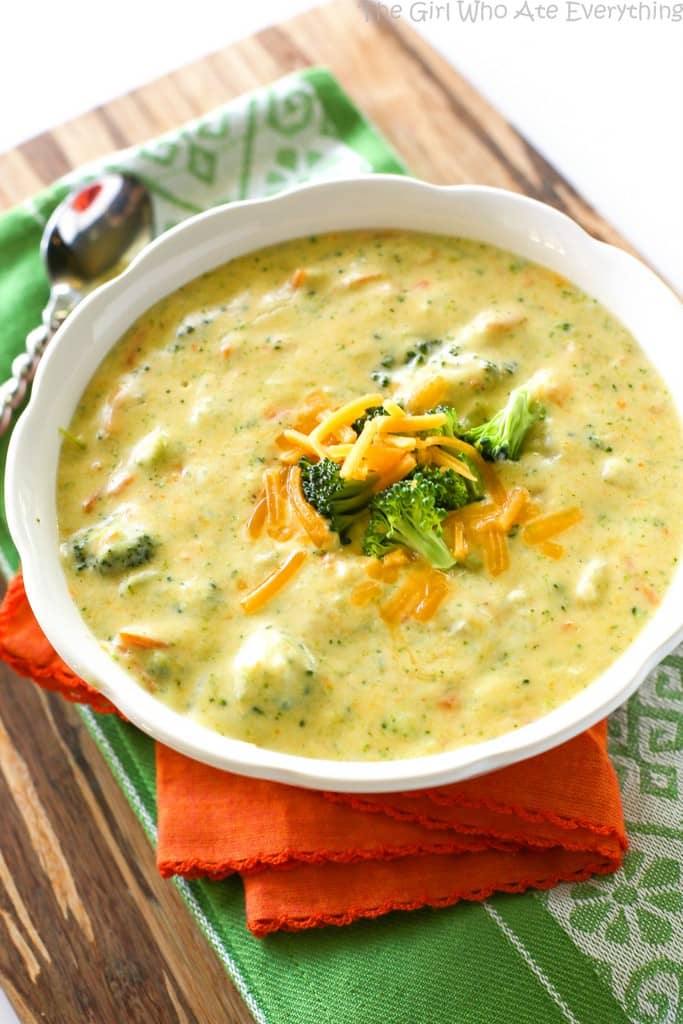
The appeal of the Panera-style broccoli cheddar soup lies in its specific chemical and physical composition. To achieve a restaurant-grade result at home, the process typically requires a delicate balance of fats, proteins, and thickeners.
The base of the soup is a classic roux—a combination of fat and flour that provides the necessary viscosity. The inclusion of sharp cheddar cheese is critical, not only for flavor but for the structural integrity of the dish. Professional culinary standards emphasize the importance of using high-quality, aged sharp cheddar, as it provides a robust flavor profile that masks the potential blandness of steamed broccoli and vegetable stock.
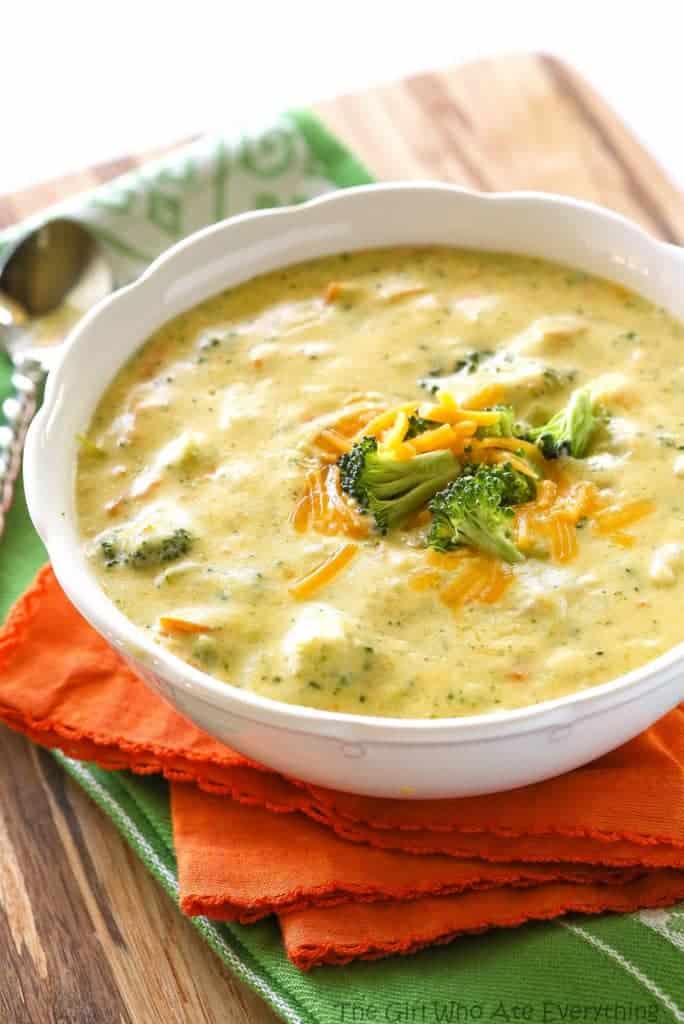
A technical challenge in the preparation of this soup is the emulsification process. When introducing cheese to a hot liquid base, improper temperature control can lead to "breaking," where the fats separate from the proteins, resulting in a grainy texture. Culinary experts advise removing the pot from the heat source before adding the cheese, allowing the residual heat to melt the dairy slowly, ensuring a smooth, velvety consistency.
Simplifying the Culinary Process
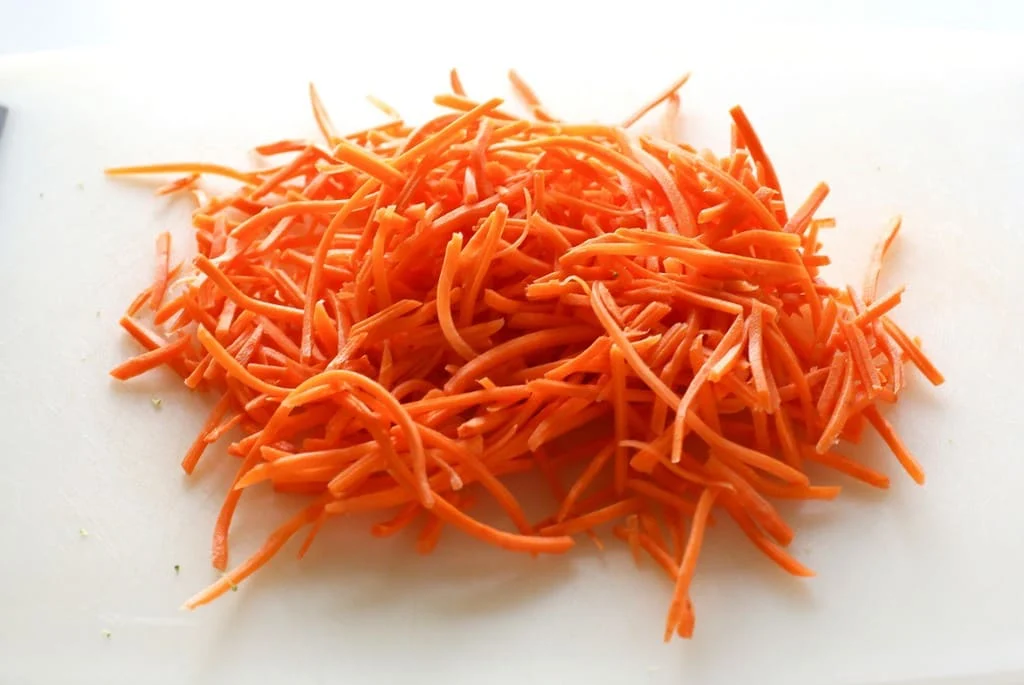
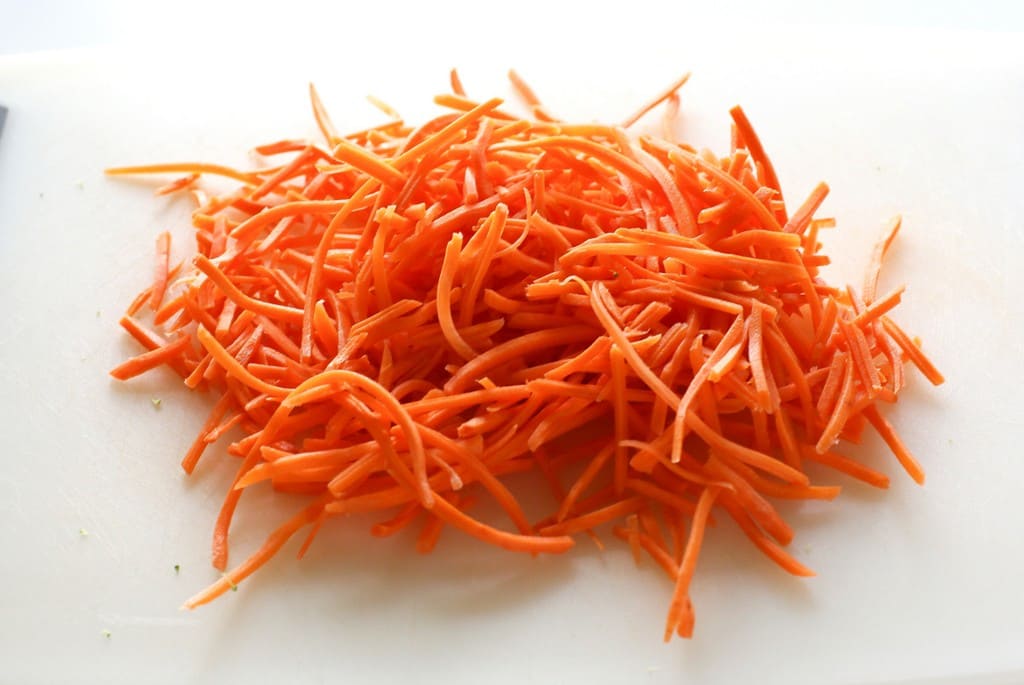
The democratization of home cooking has led to practical innovations in how this soup is prepared. For instance, the traditional requirement of julienning carrots—a time-consuming and labor-intensive task—has been bypassed by the widespread availability of pre-cut "matchstick" carrots in grocery stores. This shift represents a broader trend in the food industry: the "semi-homemade" approach, which prioritizes convenience without sacrificing the nutritional or flavor value of the final product.
Furthermore, the adaptation of the recipe to accommodate dietary restrictions, such as gluten sensitivity, has broadened the appeal of the dish. By replacing the flour-based roux with a cornstarch slurry—a mixture of cornstarch and water added at the end of the cooking process—home cooks can achieve a similar thickness without the use of wheat-based thickeners. This modification illustrates the adaptability of classic recipes to modern health-conscious consumer needs.
Nutritional Profile and Dietary Implications
From a nutritional standpoint, the standard serving of a creamy broccoli cheddar soup is calorie-dense, often hovering between 400 and 500 calories per serving, depending on the cream-to-stock ratio. A typical serving contains significant amounts of fat and sodium, primarily derived from the cheese and the base.
Health professionals often categorize this type of soup as "indulgent" rather than a primary source of vegetable intake. However, when prepared at home, individuals have the agency to adjust the nutritional profile. By utilizing lower-fat dairy alternatives or increasing the ratio of broccoli to cheese, the dish can be modified to better align with specific dietary guidelines. Despite these modifications, the high-satiety factor of the soup—largely due to its protein and fat content—remains a primary reason for its sustained popularity as a "comfort" meal.
Consumer Response and the "Copycat" Phenomenon
The emergence of online recipe platforms has transformed how consumers interact with their favorite restaurant dishes. The "copycat" recipe trend is driven by a desire for both economic efficiency and the satisfaction of mastering a professional-grade dish.
Testimonials from home cooks suggest that the value of these recipes is not just in the taste, but in the replication of the experience. When a home cook successfully matches the flavor profile of a nationally recognized dish, it provides a sense of accomplishment and ownership over their mealtime choices. This phenomenon has created a feedback loop where recipe creators continuously refine their methods based on user comments and successes, turning the kitchen into a laboratory for culinary improvement.
Broader Economic and Industry Impact
The widespread dissemination of these recipes has implications for the food industry. When consumers choose to replicate a restaurant dish at home, it impacts the demand for in-restaurant dining. However, it also reinforces brand awareness. The association of a "Panera-style" soup in a home kitchen serves as a form of organic brand marketing, keeping the restaurant at the forefront of the consumer’s mind.
Furthermore, the retail sector has responded to this demand by offering various pre-packaged versions of the soup in grocery stores. This creates a multi-tiered consumption model: some consumers purchase the product in-restaurant, others buy the retail version, and a third segment prepares it from scratch using shared community recipes. Each of these segments contributes to the overall market health of the product category.
Challenges in Scaling and Storage
One of the primary challenges for those preparing this soup at home is storage and reheating. Because the soup relies on a dairy-based emulsion, it is notoriously difficult to reheat in a microwave, which can lead to rapid, uneven heating and the separation of fats. Industry experts recommend a slow, controlled reheating process on a stovetop over low heat to preserve the integrity of the sauce.
In terms of food safety, the high moisture and dairy content of the soup mean it is prone to spoilage if not stored correctly. Standard refrigeration guidelines apply, with a recommended shelf life of three to four days. This limitation necessitates planning for those who wish to incorporate the dish into their weekly meal prep routines.
Conclusion: The Longevity of Comfort
The story of the broccoli cheddar soup is a testament to the power of simple, consistent flavors in the American diet. Whether it is enjoyed in the clinical, brightly lit environment of a café or the personal space of a home kitchen, the dish provides a reliable, comforting experience that has stood the test of time. As culinary techniques continue to evolve and as home cooks become more proficient in manipulating basic ingredients, the "copycat" movement will likely continue to thrive, ensuring that the legacy of this iconic soup remains firmly embedded in the collective consciousness for years to come. By balancing traditional methods with modern convenience, the home cook is no longer just a consumer, but a participant in the ongoing evolution of modern gastronomy.
