
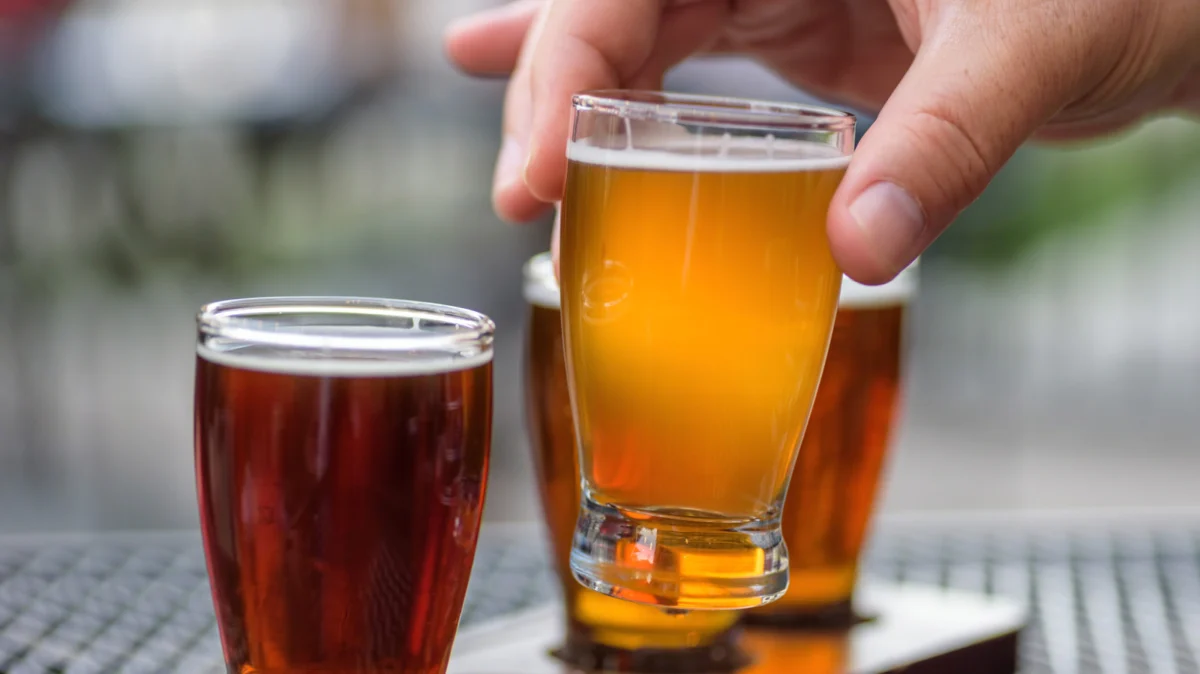
As the sweltering heat of summer retreats and the foliage transitions into a vibrant palette of amber and gold, the culinary and beverage landscape undergoes a distinct shift. For the brewing industry, this seasonal transition marks the highly anticipated arrival of fall-themed ales and lagers. The seasonal beer market has evolved from a niche category into a multi-million-dollar sector of the craft beer economy, driven by consumer demand for flavors that mirror the sensory experience of autumn. From the crisp, bready profiles of traditional German-style Oktoberfest lagers to the warming, spice-forward notes of pumpkin-infused ales, these seasonal releases serve as a barometer for regional brewing trends and consumer preferences.
The Evolution of the Seasonal Beer Market
The tradition of autumn brewing is deeply rooted in historical agricultural practices. Historically, the Märzen style—the foundation of modern Oktoberfest beers—was brewed in March (the meaning of "Märzen" in German) and stored in cool cellars throughout the summer. By the time the festivities of October arrived, the beer had achieved a smooth, well-rounded character. In the United States, the craft beer revolution of the late 20th century adapted these traditions, merging them with domestic innovation. Today, the fall seasonal segment represents one of the most competitive windows for craft breweries, often accounting for a significant portion of annual revenue in the third and fourth quarters.
Industry data suggests that while the "pumpkin spice" phenomenon began as a novelty in the mid-1990s, it has matured into a sophisticated category. Consumers are increasingly discerning, moving away from overly sweet, artificial flavorings in favor of brews that emphasize high-quality malt bills, authentic spices, and complex brewing processes like decoction mashing.
Analyzing the Top-Rated Autumnal Brews
Customer sentiment, measured through platforms such as Untappd and BeerAdvocate, indicates a strong preference for balance. While the novelty of a pumpkin ale remains a draw, the beers that consistently rank highest are those that maintain a structural integrity—where the spice profile complements rather than masks the base beer.
The Oktoberfest and Märzen Standards
The Schilling G’Suffa! Festbier stands out as a premier example of domestic execution of a classic German style. By utilizing floral, peppery hops to cut through the inherent sweetness of the malt, it achieves the drinkability required for long-form social celebrations. Similarly, the Weihenstephaner Festbier serves as the historical benchmark. As the product of the world’s oldest continuously operating brewery, it offers a masterclass in balance, pairing honeyed malt notes with a crisp, clean finish that justifies its premium price point.
Jack’s Abby Copper Legend provides an interesting bridge between historical tradition and modern American craft. By opting for a Märzen-style lager that emphasizes a crisp, clean mouthfeel over the heavy sweetness often associated with traditional versions, the brewery has successfully captured a loyal following over the last decade and a half. Sierra Nevada’s annual collaboration series further underscores the industry’s commitment to innovation. By partnering with different German breweries each year, Sierra Nevada provides consumers with an evolving product that acts as a bridge between the Reinheitsgebot (German Purity Law) traditions and the adventurous spirit of the American craft scene.
Innovation in the Pumpkin and Spice Category
The perception of pumpkin ales has been fundamentally altered by breweries that prioritize depth of flavor. Whole Hog’s Pumpkin Ale, a frequent award winner at the Great American Beer Festival, illustrates this shift. By utilizing a restrained spice profile that highlights ginger and nutmeg without becoming cloying, it manages to maintain a savory finish that appeals to beer enthusiasts who are generally skeptical of gourd-based beverages.
Elysian Brewing’s Punkuccino Coffee Pumpkin Ale represents the convergence of the coffee stout and pumpkin ale categories. By incorporating lactose for body and cold-brew coffee for a bitter, roasty contrast, the beer achieves a complexity that elevates it beyond the "pumpkin spice" moniker. This innovation is mirrored in the Night Shift Brewing Pumpkin Piescraper, which uses vanilla to bridge the gap between spice and malt, creating a creamy mouthfeel that mimics the dessert it is named after.
For those seeking more robust, high-ABV options, the Southern Tier Nitro Warlock Imperial Pumpkin Stout offers an intense experience. The inclusion of nitro-infusion softens the harsh edges of the 8.6% ABV stout, transforming the sharp bitterness of the roast into a velvety texture that enhances the underlying pumpkin and spice notes.
Darker Alternatives and Hoppy Interpretations
Not all fall seasonal beer drinkers gravitate toward lagers or pumpkin spices. The Allagash Haunted House represents a specialized segment of the market: the hoppy dark ale. By blending a complex grain bill—including roasted barley and pumpernickel—with distinct hop varieties, Allagash has created a beer that aligns with the "spooky" aesthetic of the season while providing a sophisticated, coffee-forward, and piney flavor profile. This departure from the typical sweetness of the season highlights the growing consumer appetite for "darker" fall options that move away from the traditional harvest motifs.
Broader Market Implications
The success of these seasonal products has significant implications for the broader beer industry. Retailers often utilize these releases as "anchor" products to drive foot traffic during the shoulder months between summer and the winter holiday season. Furthermore, the reliance on high-quality, specialty ingredients—such as locally sourced maple syrup or specific German-grown hop varieties—supports agricultural supply chains and elevates the perceived value of craft beer.
From an analytical standpoint, the longevity of these beers serves as a stress test for brewery brand loyalty. When a consumer reaches for a seasonal release, they are often comparing the product against dozens of other options on a crowded shelf. Brands that achieve consistent quality, such as Dogfish Head with their long-standing Punkin Ale, prove that longevity in the market is predicated on maintaining a recognizable, high-quality profile that can withstand the test of time despite shifting consumer trends.
Conclusion
As the autumn season continues to inspire new iterations of classic styles, the market remains characterized by a tension between traditionalism and experimentation. Whether it is a perfectly clear, bready festbier or a bold, coffee-infused imperial stout, the best fall beers are those that prioritize the integrity of the brewing process. For the consumer, the wealth of options available this year reflects a mature, vibrant industry that has successfully turned the seasonal transition into a definitive cultural experience. As these beers arrive on shelves, they bring with them a reminder of the craftsmanship that defines the American brewing landscape, ensuring that for every bonfire or Thanksgiving table, there is a beverage that captures the essence of the season.
